Suro Senen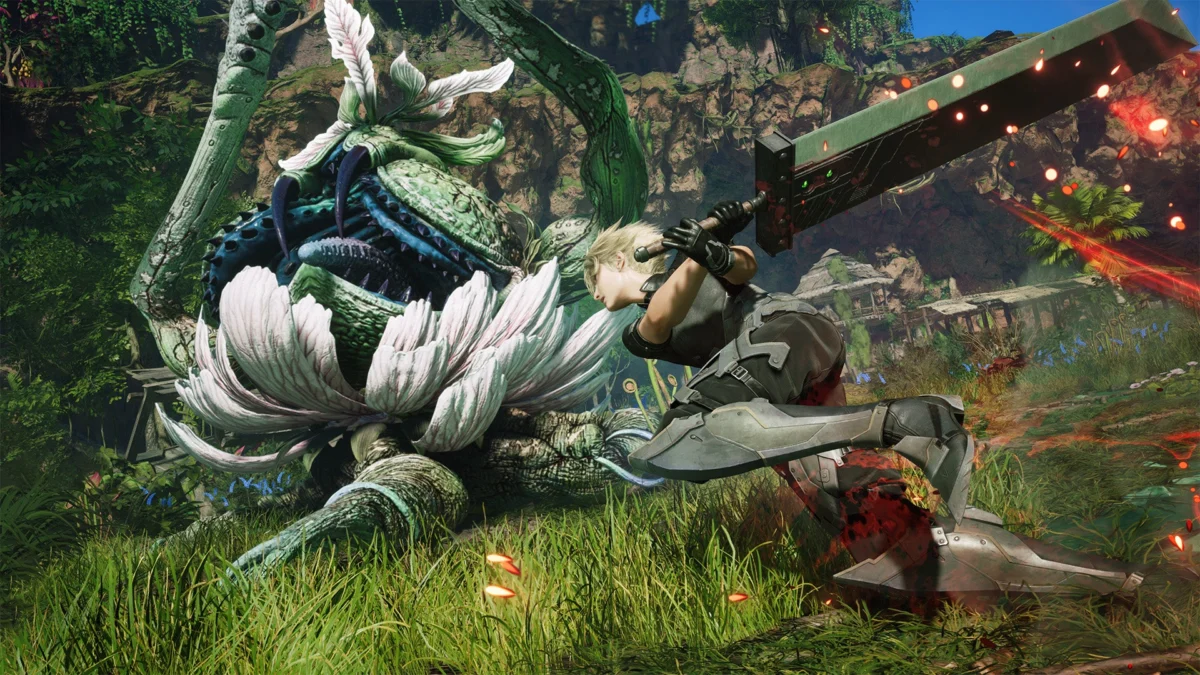
The Final Fantasy VII Remake project has been a monumental undertaking—an ambitious attempt to retell one of the most culturally significant stories in the history of interactive entertainment. As the trilogy approaches its climax with the upcoming Final Fantasy VII Revelation, the gaming community is gripped by a singular, burning question: how will this journey end?
In a landscape where beloved classics are often treated as "sacred" texts that must remain untouched, Square Enix has opted for a bolder, more disruptive path. By weaving in the narrative-altering "Whispers" and diverging from the 1997 original’s strict canon, the developers have kept even the most die-hard fans guessing. Now, as the final piece of the puzzle draws near, director Naoki Hamaguchi has stepped forward to reassure fans that while the journey has been winding, the destination was plotted long ago.
The Architect’s Blueprint: Mapping the End from the Beginning
For years, skeptics have theorized that the Final Fantasy VII remake project was being written on the fly, similar to the perceived narrative sprawl of the Kingdom Hearts series. However, according to Hamaguchi, the conclusion of the trilogy is not a reactive decision or a mid-development pivot. It is the result of a long-term vision shared by the project’s leadership.
In a recent interview with Video Games Chronicle, Hamaguchi clarified that while he could not divulge specific spoilers regarding the final beats of Revelation, the creative team has operated under a consistent North Star since the project’s inception. "In terms of how we envisioned the conclusion, we did have some sort of an idea of what we wanted to do at the end," Hamaguchi stated. "We had a kind of direction from the early days of development."
This consistency extends to producer Yoshinori Kitase, whose original vision for the 1997 title continues to inform the remake’s philosophy. The synergy between Hamaguchi’s current direction and Kitase’s historical insight suggests that Revelation will serve as a definitive, authored conclusion rather than an improvised finale. The team has expressed a profound sense of confidence in this trajectory, signaling that the controversial narrative choices made in Remake and Rebirth were deliberate steps toward a cohesive, singular resolution.
A Chronology of Disruption: From Midgar to the Unknown
To understand the weight of Revelation, one must look back at the trilogy’s history of challenging player expectations.
- Final Fantasy VII Remake (2020): The project launched with a deceptive promise of fidelity. However, the introduction of the Whispers—entities designed to protect the "destiny" of the original game—immediately signaled that the developers were playing with the concept of fate. By the end of the Midgar arc, the party had effectively rebelled against the pre-determined path of the 1997 classic.
- Final Fantasy VII Rebirth (2024): The second chapter leaned further into this ambiguity. With the multiverse theory suggested by the ending of Remake, Rebirth turned the journey across the Planet into a high-stakes meditation on grief, choice, and the possibility of altering the tragic events of the original timeline.
- Final Fantasy VII Revelation (Expected 2025/2026): As the final chapter, Revelation faces the monumental task of reconciling the divergent timelines and delivering a conclusion that satisfies both purists and those who have embraced the "remix" nature of the trilogy. The developers have already confirmed that the ending is fixed, reinforcing the idea that this is a curated experience rather than a "choose-your-own-adventure" narrative.
The Philosophy of Creative Autonomy
One of the most revealing aspects of Hamaguchi’s recent commentary is his stance on public feedback. In an industry where developers are increasingly pressured to cater to the loudest voices on social media, Hamaguchi maintains a refreshingly stoic approach. He argues that trying to appease the "median average" of fan feedback often results in a hollow, sterile product.
The Danger of the "Median Average"
Hamaguchi’s philosophy suggests that great art requires conviction. When asked about his process for incorporating player sentiment, he noted: "If you were to address all the negative feedback, and even take the positive feedback into account, sometimes it’s a case that you’re seeing two sides of the extreme opinions, and by applying all of that, it’s possible that you come up with a product that doesn’t really have any character."
For the team behind Revelation, character is paramount. This is clearly visible in the development of the Rebirth minigames. Despite a segment of the player base expressing fatigue over the sheer volume of side activities, Hamaguchi has confirmed that Revelation will maintain—or perhaps even exceed—that level of density. To the team, these distractions are not "bloat," but essential components of the game’s identity and "character."
Implications for the Future of Remakes
The implications of this development philosophy reach far beyond Final Fantasy. Square Enix is effectively setting a new standard for how "remakes" should be handled. By prioritizing a strong, singular vision over the safety of pure nostalgia, they are transforming the project into a meta-commentary on the original game itself.
The confidence exhibited by the team suggests that they are not afraid of the controversy that follows bold creative choices. In an era where many remasters and remakes are criticized for being "soulless" or overly cautious, the Final Fantasy VII trilogy stands out as an act of artistic defiance. Whether Revelation succeeds in delivering a satisfying conclusion remains to be seen, but the intent—to create something that stands on its own merits rather than hiding in the shadow of the past—is undeniable.
What to Expect: Refinement Over Revolution
While players may be hoping for an alternative ending that diverges completely from the tragedy of the original game, the reality remains shrouded in mystery. However, Hamaguchi’s emphasis on "confidence" suggests that the team has found a way to balance the weight of the past with the freedom of their new narrative path.
For players concerned about the sheer scale of these games, the commitment to "character" over "trimming the fat" means that Revelation will likely be another massive, time-consuming experience. The team has opted for depth and density, acknowledging that this might not please everyone, but maintaining that it is the only way to ensure the game has a soul.
As we look toward the launch of Final Fantasy VII Revelation, the narrative is clear: this is not just a game, but a conclusion to a decade-long conversation between the creators and their audience. The team has laid their cards on the table, and they are standing by their hand. For a fanbase that has spent years speculating on the fate of Cloud Strife and his companions, the wait for the final revelation is almost over. Whether the end is a tragic return to form or a bold leap into a new reality, it will undoubtedly be the ending the developers intended—and in today’s gaming landscape, that is a rarity worth celebrating.
Summary of Key Takeaways
- Fixed Conclusion: Final Fantasy VII Revelation will have a definitive ending that has been planned since the early stages of the trilogy’s development.
- Creative Conviction: Director Naoki Hamaguchi prioritizes a strong creative vision over the "median average" of public feedback, ensuring the game maintains its unique character.
- Minigame Density: Fans of the side content in Rebirth can expect more of the same, as the developers continue to double down on the game’s breadth of activities.
- Legacy of the Remake: The trilogy serves as an intentional departure from the 1997 original, designed to be a unique, authored experience rather than a safe reproduction.


 Asro
Asro
 Muslim