Asro
Asro
Main Facts: A Unexpected Gift for Island Dwellers
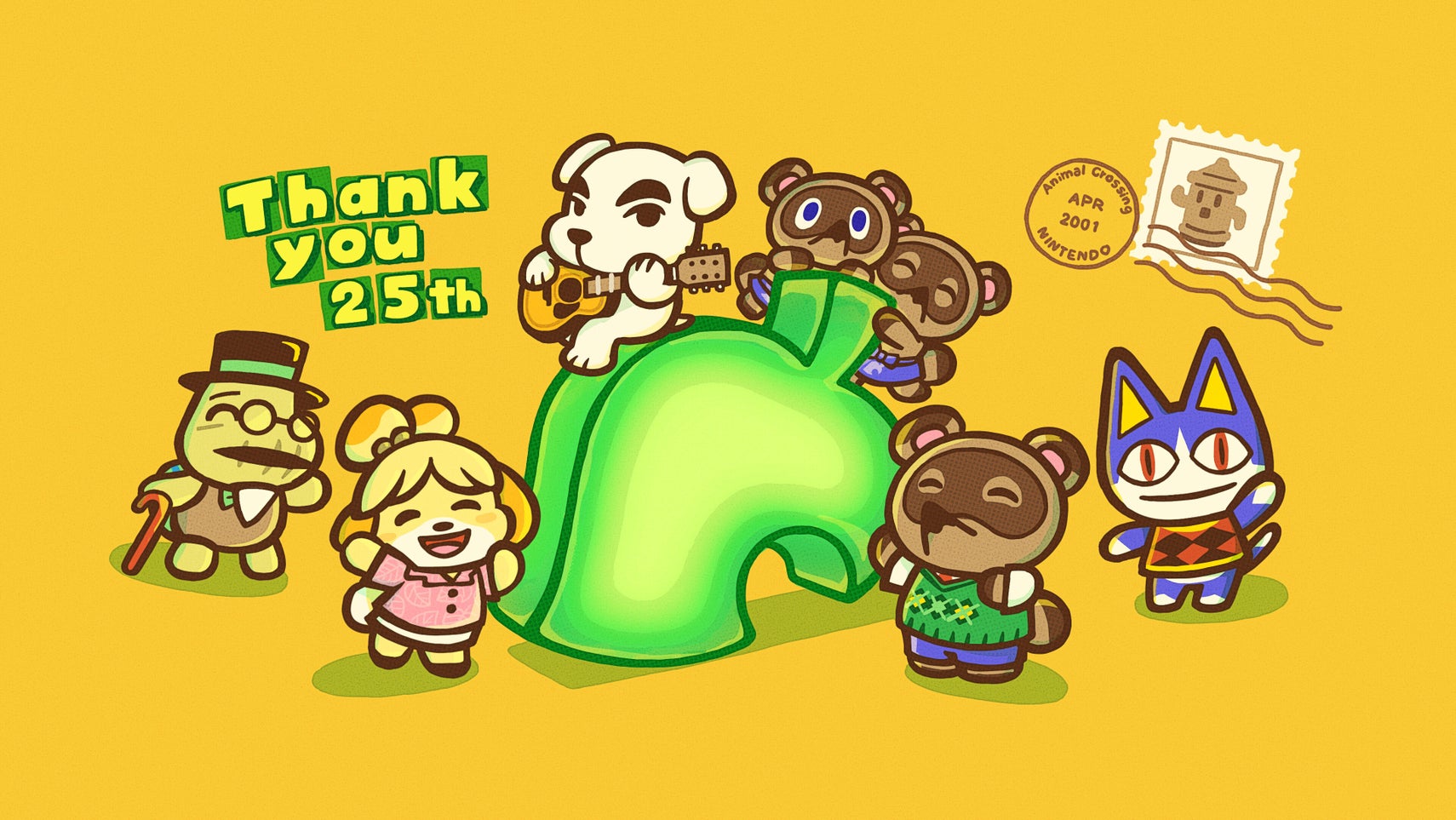
In a move that has delighted the global Animal Crossing community, Nintendo has released a surprise update for Animal Crossing: New Horizons. Version 3.0.2, which rolled out globally today, serves as a commemorative milestone for the 25th anniversary of the franchise. While the game had previously been considered "feature complete" following its final major content expansion years ago, this update proves that the developers still hold a soft spot for their most successful social simulation title.
The update introduces a singular, highly symbolic item: the "Leaf Statue." This new decor piece is not locked behind complex crafting requirements or seasonal events; instead, it is delivered directly to every player’s in-game mailbox upon downloading the patch. The item, which features a distinct, glowing aesthetic when placed, is accompanied by a heartfelt message from the development team, stamped with a commemorative Nintendo 64 insignia to honor the series’ humble beginnings.
Beyond the Leaf Statue, the update includes a decorative item modeled after the original Japanese packaging of the series’ debut title. While the patch notes are otherwise dominated by routine stability improvements and minor bug squashes, the emotional weight of this small addition has reignited discussion regarding the longevity and enduring legacy of the Animal Crossing franchise.
The Chronology: From the Nintendo 64 to the Modern Era
To understand the significance of this 25th-anniversary celebration, one must look back at the origins of the franchise. The journey began on April 14, 2001, when Dōbutsu no Mori (Animal Forest) was released exclusively in Japan for the Nintendo 64. At the time, it was an experimental title—a "communication game" that defied traditional genre conventions. It lacked the high-stakes objectives of its contemporaries, offering players instead a slow-paced life where time moved in sync with the real world.
The GameCube Expansion
The success of the N64 original was quickly followed by Dōbutsu no Mori+ for the Nintendo GameCube, released in December 2001. This version was the catalyst for the series’ international expansion. When it was localized for Western audiences as Animal Crossing in 2002, it introduced features that would become series staples: the museum, the expansion of the player’s home, and the iconic, quirky personality of Tom Nook.
The Evolution of the Franchise
Over the last two and a half decades, the series has evolved through several iterations:
- Wild World (2005): Introduced online multiplayer on the Nintendo DS.
- City Folk (2008): Brought the experience to the Wii, introducing the city hub.
- New Leaf (2012): Arguably the most beloved title prior to the Switch era, giving players the role of Mayor.
- New Horizons (2020): The cultural phenomenon that broke sales records and provided a vital social outlet during the global pandemic.
Today’s update serves as a bookend, bridging the gap between the low-polygon aesthetics of the N64 original and the high-definition, customizable paradise of New Horizons.
Supporting Data: The Impact of New Horizons
The decision to provide even a minor update to Animal Crossing: New Horizons years after its supposed conclusion is a testament to its massive commercial and cultural footprint. As of the most recent financial reports from Nintendo, New Horizons remains one of the best-selling titles on the Nintendo Switch, with lifetime sales exceeding 45 million units.
The game did more than just sell units; it changed the perception of "cozy gaming." By providing a digital space for social interaction during lockdowns, New Horizons became a cultural hub where virtual concerts, fashion shows, and political gatherings were held. The longevity of the game is supported by a remarkably active modding community and a social media presence that remains robust despite the lack of new content for extended periods. The introduction of the Leaf Statue, while small, acts as a "thank you" to this persistent player base, confirming that the title remains a pillar of Nintendo’s current business strategy.
Official Responses and Developer Intent
Nintendo’s approach to this anniversary update reflects their traditional stance on legacy content. In the accompanying letter included with the Leaf Statue, the developers expressed deep gratitude toward the fans who have "nurtured their islands" and "grown alongside the villagers" for the past 25 years.
"The 25th anniversary is a milestone that belongs to the players as much as it does to us," stated a spokesperson for the development team in a brief follow-up to the patch notes. "We wanted to provide a token of appreciation that honors the very first leaf that appeared on the N64 screen. It is a reminder of where we started and how far our community has traveled."
The decision to include the original Japanese package art as a displayable item is a nod to the franchise’s preservationist efforts. Nintendo has often been criticized for its approach to its own history, but this gesture suggests a concerted effort to acknowledge the roots of the series during major milestones.
Implications: Is This the Final Farewell?
The release of version 3.0.2 raises an interesting question: Is Animal Crossing: New Horizons truly finished, or does this patch suggest a new, albeit subtle, chapter of "legacy support"?
The "Feature Complete" Debate
For years, the industry and the player base have operated under the assumption that New Horizons would receive no further content. The 2.0 update and the Happy Home Paradise DLC were marketed as the definitive end to the game’s expansion cycle. This new patch, however, challenges that narrative. While it does not introduce new mechanics or major islands, it proves that the game’s infrastructure is still being monitored and maintained.

The Future of the Franchise
The timing of this update is also significant. With the Nintendo Switch nearing the end of its life cycle, players are eagerly speculating about the next installment in the Animal Crossing series. Industry analysts suggest that this 25th-anniversary celebration is a strategic move to keep the brand relevant in the public consciousness while Nintendo prepares for its next hardware generation.
By providing a small, nostalgic reward, Nintendo is reinforcing the emotional bond players have with their save files. For many, the prospect of "transferring" or "continuing" their island legacy in a future title is a major driver of engagement. This update serves as a gentle reminder that while the game may be static, the community is not.
Final Thoughts: A Legacy in Pixels
As players log in to their islands to claim their new Leaf Statue, they are doing more than simply decorating a room. They are participating in a quarter-century-old tradition of digital homesteading. The Animal Crossing series has always been about patience, observation, and the joy of the mundane.
In a gaming landscape increasingly dominated by live-service titles that demand daily grinds and competitive stress, the simple, quiet, and commemorative nature of this update is a refreshing change of pace. Whether or not Nintendo plans to introduce further updates is secondary to the fact that they have chosen to honor their past.
As we look toward the next 25 years of the series, the Leaf Statue stands as a glowing marker of a journey that began on a cartridge in 2001 and blossomed into a world-spanning virtual home. For now, the islanders are content—celebrating their history, one leaf at a time. The developers have proven that while a game might reach the end of its development roadmap, its spirit, and the dedication of its creators, continues to flourish in the hearts of the players.


 Muslim
 Raul Delapena Setiawan