Jia Lissa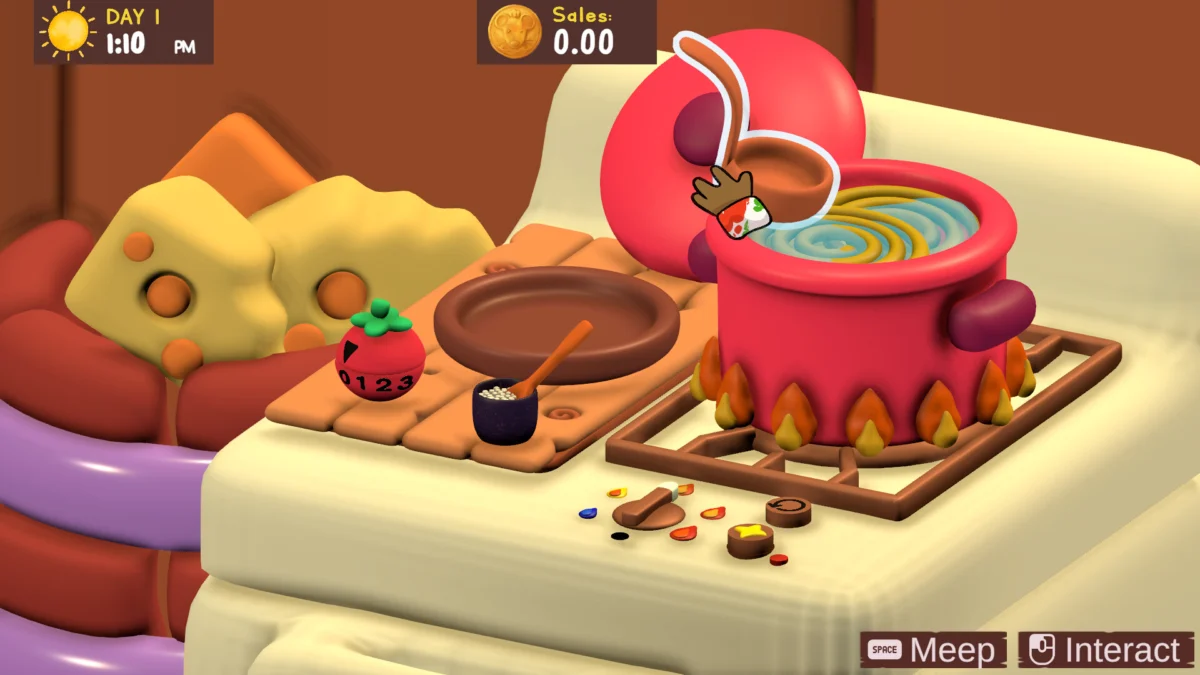
In the bustling landscape of independent gaming, where high-octane action and complex narrative RPGs often dominate the headlines, a quiet, tactile revolution is brewing. Enter Pawsta, an upcoming cooking simulator that trades photorealistic graphics for the warm, malleable charm of claymation. Developed by a passionate team and featuring a protagonist as endearing as his name, Pawsta invites players into a cozy, artisanal kitchen where the art of pasta-making is treated with the reverence of a fine craft. As the gaming industry continues to embrace "cozy" titles that prioritize relaxation over adrenaline, Pawsta stands out not just for its aesthetic, but for its commitment to the gentle, rhythmic joy of cooking.
The Core Concept: A Mouse with a Mission
At its heart, Pawsta is a game about heritage and heart. Players step into the tiny shoes—or rather, paws—of Rigatoni, a young mouse determined to assist his grandmother in running her beloved restaurant. The premise is simple, yet it resonates with the universal desire to nurture and create. Unlike the frenetic, high-pressure kitchen environments found in titles like Overcooked, where every second is a race against failure, Pawsta operates on the philosophy of "slow cooking."
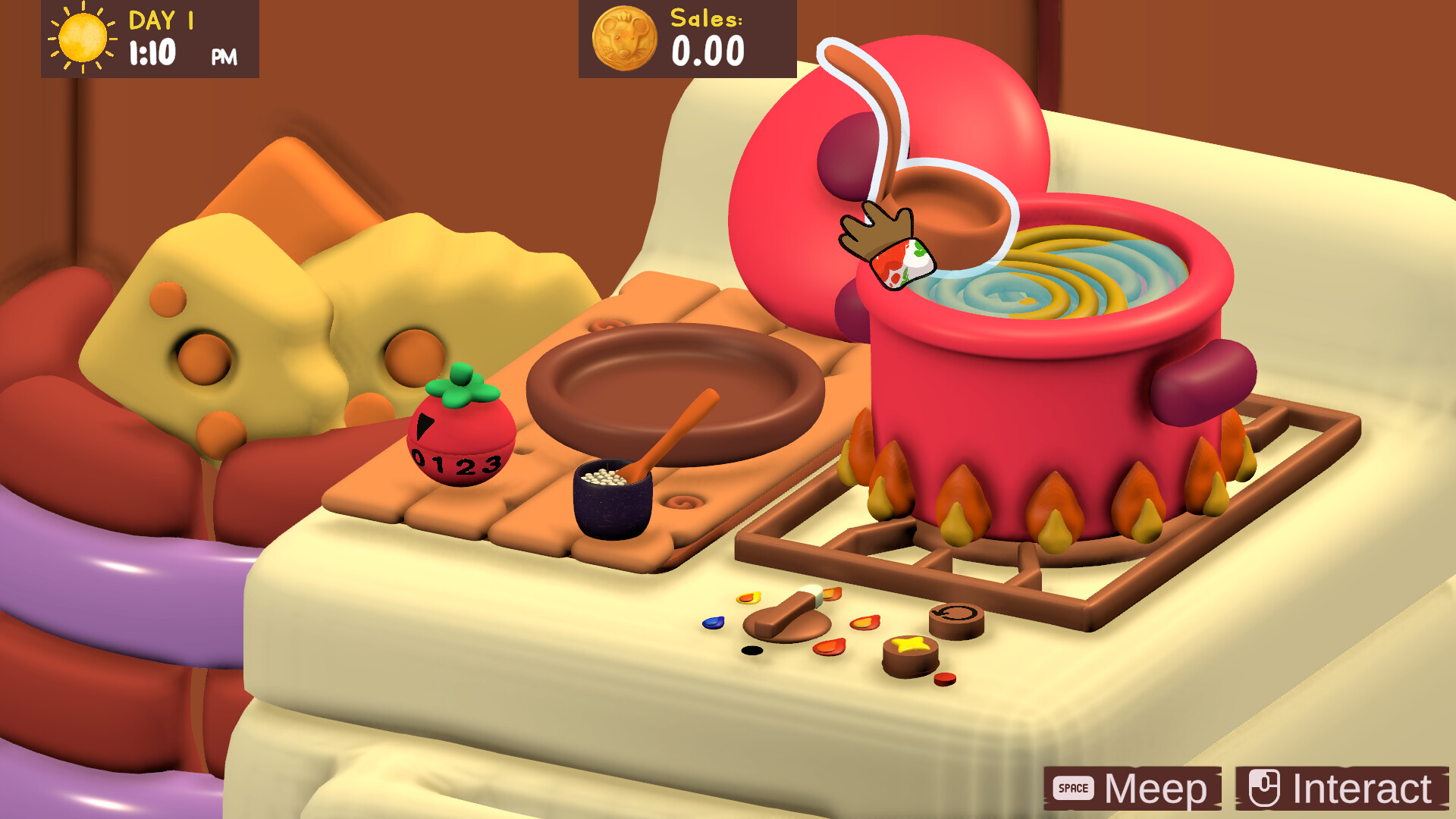
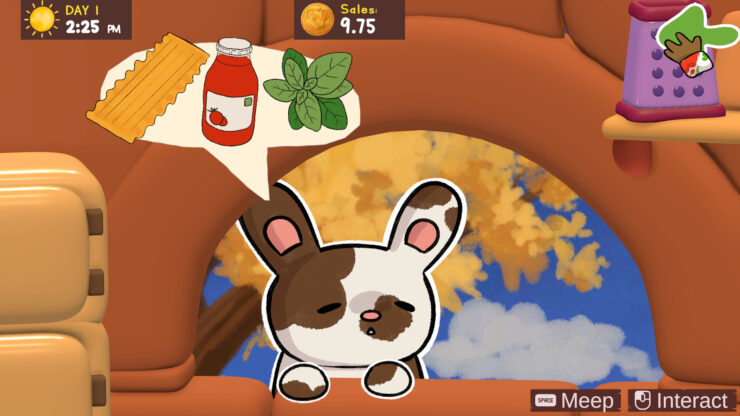
The gameplay loop is meditative. Players are tasked with interpreting customer orders, which appear as charming visual icons, and then executing the recipe through a series of tactile mini-games. From pulling fresh dough from the refrigerator to the rhythmic process of rolling, cutting, and boiling, every action feels intentional. Once the pasta is prepared, the player navigates through the sauce and topping stations, exercising creative freedom in portioning and presentation. It is a game that celebrates the process rather than the final score.
A Chronology of Craft: From Concept to Kitchen
The development of Pawsta has been marked by a clear dedication to its unique visual identity. The decision to utilize claymation—a stop-motion animation technique that is notoriously labor-intensive—signals a deliberate stylistic choice to make the world feel tangible.
In the early stages of development, the team focused on establishing the "feel" of the kitchen. They wanted the player to sense the weight of the rolling pin and the texture of the flour. As the project moved into its mid-development phase, the focus shifted toward the narrative architecture. Rigatoni’s story is not just a backdrop; it is the engine of the game’s progression. As the player masters the basics of traditional Italian pasta, they are introduced to the broader history of Rigatoni’s family.
Current updates from the development team indicate that the game is moving into a global expansion phase. While the initial demo focuses on the home kitchen, the full release promises to whisk players away on a culinary world tour. This evolution is designed to teach players about diverse culinary techniques and global flavor profiles, ensuring that the gameplay remains fresh even as the player progresses through the story.
The Tactile Experience: Why Mechanics Matter
The mechanics of Pawsta are designed to be intuitive, though they are not without their learning curves. During initial hands-on sessions, players have noted that while the interactions are short and satisfying, the game occasionally leaves the player to discover the nuances of the interface on their own.
The Art of the Perfect Plate
The "perfect dish" mechanic is a highlight for perfectionists. When a dish is prepared with precision—hitting the ideal sauce-to-topping ratio—the game rewards the player with a delightful, unique animation. However, the true genius of Pawsta lies in its lack of punishment. If a player fails to hit the mark, the customer does not leave in a huff; they simply enjoy the meal regardless. This removes the "anxiety-of-failure" that plagues the simulation genre, allowing players to focus on the creative aspect of their work.
Accessibility and Pacing
One of the most significant strengths of Pawsta is its accessibility. In an era where many games demand lightning-fast reflexes, Pawsta respects the player’s time. There are no timers, no health bars, and no disgruntled patrons. Whether you are scrubbing a dish or carefully plating a serving of tagliatelle, the game waits for you. This design choice elevates the experience from a "task-list simulator" to a genuine relaxation tool.
Supporting Data: The Rise of the "Cozy" Market
Pawsta enters the market at a pivotal time. According to recent industry analytics, the "cozy game" genre has seen a massive surge in popularity, particularly among players looking for "low-stakes" entertainment following the global pandemic. Titles that emphasize non-violent gameplay, repetitive but rewarding tasks, and aesthetic beauty are consistently performing well on storefronts like Steam.
The choice of claymation is a strategic differentiator. While 3D rendering and pixel art are staples of the indie scene, claymation provides a tactile, "handmade" quality that aligns perfectly with the game’s theme of cooking. This aesthetic choice is not merely decorative; it serves as a marketing hook that differentiates Pawsta in a saturated market of cooking games. By leveraging the nostalgia and warmth associated with stop-motion, the developers are tapping into a visual language that feels inherently comforting and high-quality.
Official Responses and Community Reception
The community response to the early trailers and the Wholesome Direct 25 sneak peek has been overwhelmingly positive. Fans of the genre have praised the game’s "squishy" physics and the charming design of the animal customers.
When asked about the challenges of developing a claymation-inspired game, the team noted that the primary hurdle was ensuring the animations remained fluid while retaining the "imperfect" charm of physical clay. They expressed a commitment to transparency, keeping the community involved through constant updates and social media interaction.
The developer’s decision to keep the game in active development, rather than rushing for a premature release, has been met with respect. By encouraging players to add the game to their Steam wishlists, the team is building a community of supporters who are invested in the final product’s quality rather than just its release date. This "community-first" approach is a hallmark of successful indie titles in the current landscape.
Implications: The Future of Simulation Gaming
Pawsta represents a larger shift in how we conceive of digital play. It suggests that the future of simulation gaming may lie in "niche-focused" experiences. Rather than trying to be a sprawling, all-encompassing restaurant management sim, Pawsta chooses to excel at one thing: the tactile joy of preparing food in a comforting, stylized world.
The implications for developers are clear: aesthetic identity is just as important as mechanical complexity. By choosing a unique visual style (claymation) and pairing it with a stress-free, loop-based gameplay model, Pawsta creates a "brand" that is instantly recognizable. As more developers look to enter the simulation market, they would do well to study Pawsta’s approach to player agency and the removal of artificial pressure.
Furthermore, the game’s planned expansion into global culinary styles suggests that the genre is capable of educational value. By teaching players the fundamentals of cooking—even if it is within a digital, mouse-sized world—the game bridges the gap between entertainment and the real-world joy of cooking.
Conclusion: A Must-Watch Title
While it is still currently in development, Pawsta has already proven itself to be a title to watch. It offers a rare blend of charm, tactile satisfaction, and stress-free gameplay that is hard to find in the modern market. Whether you are a fan of cooking simulators, a lover of stop-motion animation, or simply someone looking for a way to unwind after a long day, Pawsta promises to be a digital sanctuary.
For those eager to follow the progress of Rigatoni and his grandmother, the best course of action is to follow the development team’s official channels and add the game to your Steam wishlist. In a world that often demands we go faster, Pawsta invites us to slow down, pick up a rolling pin, and enjoy the simple, rhythmic beauty of a meal well-prepared. This is more than just a game; it is a testament to the power of small-scale, high-heart design in the indie gaming sphere.
As we look toward its eventual release, one thing is certain: the culinary world of Pawsta is one that players will be delighted to visit, cook in, and perhaps, even lose themselves in for hours on end.


 Basiran
 Nana
Nana