Azzam Bilal Chamdy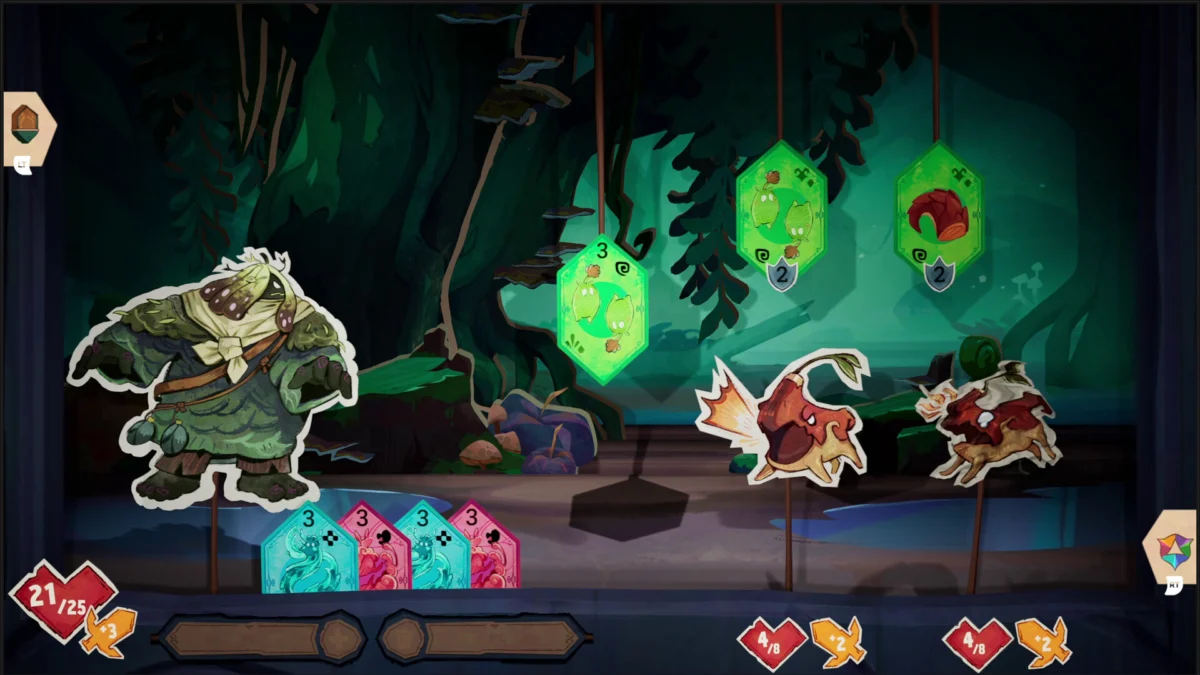
In the ever-evolving landscape of indie gaming, where the "cozy" genre has become a crowded marketplace of farming simulators and life-management titles, Timberline Studio’s latest offering, Beastro, attempts a daring fusion. It marries the slow-paced, atmospheric charm of a village-life sim with the high-stakes tension of a rogue-lite deck builder. You play as Panko, a fledgling sous chef suddenly thrust into the role of head chef following the mysterious disappearance of his mentor. With the aid of Flambe, a whimsical and magical fire spirit, Panko must navigate a world where culinary prowess translates directly into combat strength.
While Beastro succeeds as a visual and thematic triumph, it often struggles to balance its disparate mechanical identities, resulting in a game that feels like a five-star meal prepared by three different chefs who refused to communicate.
The Recipe for Discovery: Narrative and Aesthetic Foundations
At its core, Beastro is a game of discovery. The narrative, while deceptively simple, is a slow-burn mystery that anchors the player to the world. As Panko, your primary objective is to manage the restaurant, but the underlying drive is the lingering questions surrounding the former head chef’s disappearance and the sudden, ominous closing of the world’s portals.
A Visual Feast
The art direction is, without question, the game’s strongest ingredient. Timberline Studio has crafted a world that feels tactile and alive. The "caretakers"—the champions who protect this world and rely on Panko’s dishes to sustain their strength—are marvels of character design. Each caretaker possesses a flavor-based specialty, a motif that dictates not just their wardrobe, but their combat animations and personality traits.
The aesthetic reaches its zenith during the nighttime combat phases, where the game adopts a puppet-theater art style. Reminiscent of the stage-play aesthetic in Paper Mario: The Thousand-Year Door, characters are mounted on sticks, their movements stiff and deliberate, simulating a performance for an audience. This choice is inspired, turning standard combat into a theatrical spectacle. Small touches—such as Flambe resting inside the oven during prep hours—breathe life into the environment, making the restaurant feel like a character in its own right.
Chronology of the Kitchen: The Three Phases of Play
Beastro structures its gameplay into three distinct cycles, each intended to feed into the next. Understanding this rhythm is essential to grasping both the game’s allure and its structural frustrations.

Phase 1: The Morning Harvest (Ingredient Gathering)
The morning is the most "cozy" segment of the game. Here, players explore the village, engage in dialogue with local vendors, and gather the raw materials needed for the day’s menu. It is meant to be a period of zen, yet it is often hampered by technical design choices. The absence of a jump mechanic, combined with a fixed camera that cannot be adjusted, creates a sense of claustrophobia. Navigating the village, which should feel like a morning stroll, instead feels like an exercise in restrictive movement.
Phase 2: The Afternoon Service (Recipe Development)
The afternoon is where the game attempts to simulate the chaotic rhythm of a restaurant. Players engage in various mini-games to prep ingredients. While the core "recipe building" system—where players place ingredients on a grid to craft balanced flavor profiles—is deeply rewarding and intellectually stimulating, the surrounding mini-games often fall flat.
For instance, the boiling mini-game utilizes a free-throw-style mechanic that feels jarringly out of place. It lacks the charm of the rest of the game, appearing as a "filler" addition rather than a cohesive mechanic. By day ten, the repetition of these tasks becomes a chore, as they offer little tangible growth compared to the depth found in the later, more complex stages of the game.
Phase 3: The Nighttime Duel (The Rogue-Lite Deck Builder)
The night is the undisputed star of Beastro. It is here that the deck-building mechanics shine. The "flavor wheel" system, which functions as a culinary spin on traditional rock-paper-scissors advantage systems, is masterfully integrated into the theme. As the player’s deck grows more complex, the strategic possibilities expand. However, the rogue-lite nature of the combat is a double-edged sword.
Supporting Data: The Highs and Lows of Agency
The core conflict in Beastro arises from its lack of player agency. In most successful rogue-lites, the player feels in control of their destiny, even when the cards are stacked against them. In Beastro, the experience is dictated by the developer’s "intended" path.
The Cost of Unlucky Draws
In the nighttime phase, the game is unforgiving. If a player pulls a suboptimal hand, there is often no way to mitigate the damage. During my initial playthrough, facing the first major boss, I brought the enemy down to 2 HP, only to draw a hand that offered zero defensive or offensive options. I was forced to take a devastating hit, ending a run that had lasted 15 minutes. In a genre that thrives on "building a better run," Beastro often feels like it is punishing the player for the RNG (random number generation) rather than challenging them to overcome it.

The Illusion of Choice
Because the three phases are locked into a linear cycle, a failure in the afternoon can doom your nighttime performance. This creates a "risk-averse" playstyle that directly contradicts the spirit of experimentation. Players find themselves building "safe" dishes because they cannot afford the time or energy to experiment with risky, potentially powerful combinations. The game effectively forces the player into a specific, predetermined cadence, stripping away the joy of discovery that makes the genre so addictive.
Official Responses and Developer Intent
Timberline Studio has positioned Beastro as a "cozy" experience, a classification that has drawn significant scrutiny from critics and players alike. While the aesthetic is undeniably cozy, the gameplay loop is high-pressure and frequently frustrating.
When asked about the balance of the game, representatives from the studio have emphasized that Beastro is intended to be a narrative-driven experience first. The rigid structure and the artificial barriers—the "ceilings" that prevent players from progressing until they have finished a specific amount of "grind"—are design choices meant to ensure the player experiences the story in the order the developers intended. However, this prioritizing of narrative beats over mechanical freedom is precisely what leads to the abrupt ends of gameplay sessions, often leaving the player feeling unfulfilled.
Implications: A Michelin-Star Exterior with Kitchen Woes
The ultimate takeaway for the player is that Beastro is a game of immense potential that is currently being stifled by its own structure.
The Need for Quality of Life
The game is crying out for time-saving mechanics. If a player crafts a "perfect" recipe, there is no system to save it for future use. In games like Hades 2, the ability to customize loadouts is a core part of the experience. Beastro lacks this, forcing the player to manually re-gather and re-prep the same ingredients repeatedly. Similarly, the inability to "simulate" or "fast-forward" through the less engaging mini-games makes the gameplay loop feel bloated.
The "Be a Pro" Comparison
Modern sports games have mastered the art of letting players choose their level of involvement. In those titles, you can play every game, or you can simulate the practice segments to get to the action. Beastro demands full engagement with every phase, regardless of whether the player enjoys that specific gameplay loop. This lack of modularity will likely alienate players who are interested in the combat but find the village management tedious, or vice-versa.

Conclusion: Who is Beastro For?
Beastro is a beautiful, ambitious, and often charming title that suffers from a identity crisis. It tries to be a life-sim, a culinary management game, and a hardcore rogue-lite simultaneously. While the individual parts—especially the art and the core deck-building mechanics—are excellent, they do not coalesce into a seamless whole.
For a specific type of player—someone who enjoys strict narrative progression and is willing to engage with a grind to see the story unfold—Beastro will be a delightful, albeit sometimes frustrating, journey. However, for those looking for a truly "cozy" experience where they have agency over how they spend their time, Beastro may feel like a meal that looks incredible on the plate but leaves you wishing for a different menu.
Timberline Studio has built a stunning restaurant, but as it stands, the kitchen needs to streamline its service if it wants to keep its patrons coming back for more. With future updates, the addition of time-saving features and a loosening of the "artificial ceilings," Beastro could reach the heights its beautiful visuals promise. For now, it remains a culinary experiment that is as bitter as it is sweet.


 Sagoh
Sagoh
 Ammar Sabilarrohman