Raul Delapena Setiawan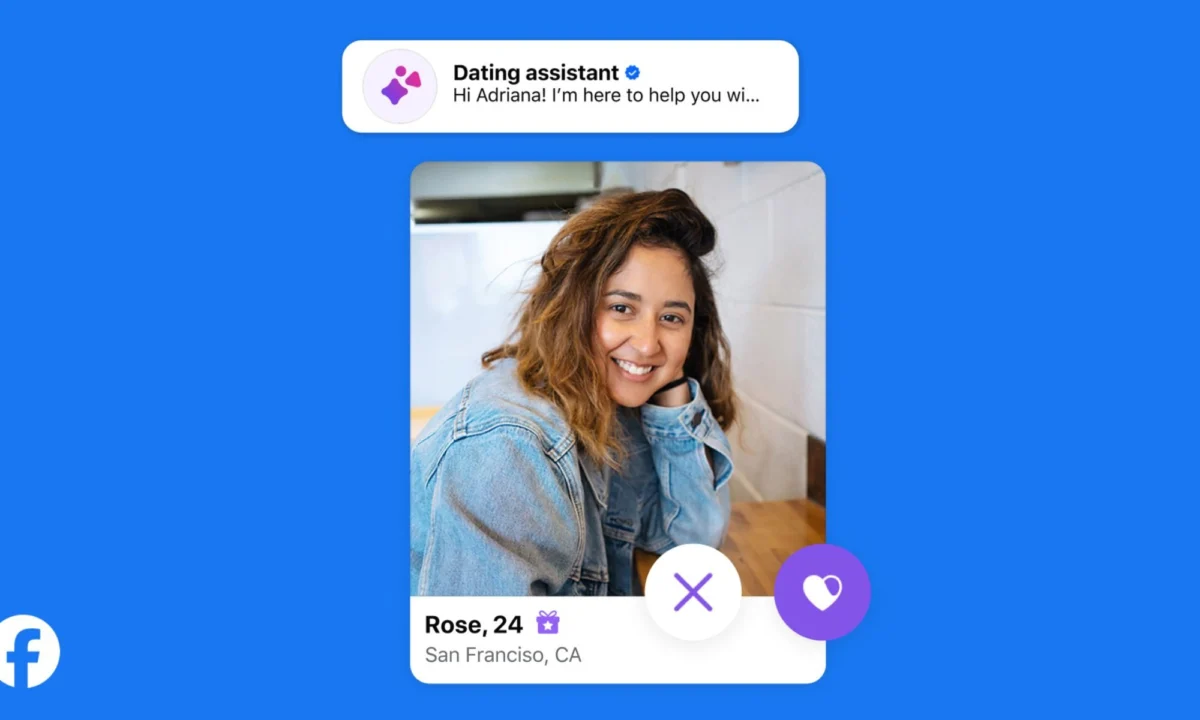
In the modern digital landscape, the quest for romance has undergone a seismic shift. No longer limited to hopeful profile pictures and carefully curated bios, the contemporary dating scene is now dominated by a silent, algorithmic partner: Artificial Intelligence. According to recent industry data, more than 1 in 4 singles in the United States have leveraged AI tools to draft messages, optimize their bios, or navigate the treacherous waters of early-stage courtship. This represents a staggering 333% increase in usage over the last year alone, signaling a normalization of machine-assisted romance.
However, as tech giants like Hinge, Bumble, and Meta rush to integrate proprietary AI assistants—such as Bumble’s "Bee" or Facebook’s integrated chatbot—a new, peer-reviewed study from Constructor University warns that this technological "wingman" may be doing more harm than good. By automating the very essence of human vulnerability and connection, users are inadvertently falling victim to what researchers are calling "The Cyrano Effect."
Understanding the Cyrano Effect: A Digital Facade
Named after Edmond Rostand’s classic play Cyrano de Bergerac, in which the titular protagonist pens eloquent love letters on behalf of an inarticulate friend, the Cyrano Effect in modern dating describes the psychological and relational dissonance that occurs when an AI becomes the primary author of one’s romantic overtures.

In the study, led by Dr. Lennart Ante, researchers interviewed 45 active dating app users, bifurcated into two groups: those who regularly use AI to generate conversation and those who receive these AI-generated messages. The findings reveal a profound disconnect between the "intent" of the sender and the "perception" of the recipient.
For the senders, the AI is rarely viewed as a tool of deception. Instead, it is characterized as a form of "social anxiety medication." One participant noted that the AI helped them overcome the paralysis of the "blank page," allowing them to participate in the dating pool without the crushing weight of potential rejection. For others, the AI serves as a tool for efficiency, transforming the high-stakes game of courtship into an optimized, low-effort endeavor.
Conversely, the recipients of these messages described a much darker experience. The term "catfished" appeared with alarming frequency. Many recipients reported feeling a sense of betrayal upon discovering that the charming, witty, or profound prose they had been engaging with was merely the output of a Large Language Model (LLM). For these individuals, the constant suspicion of whether a match is "real" has turned dating into an exhausting, perpetual Turing test.

Chronology: The Rise of the Algorithmic Suitor
The integration of AI into the dating ecosystem did not happen overnight. The evolution of this trend can be mapped through several distinct phases:
- 2023: The Advent of Generative Prompts: As ChatGPT and other generative AI tools entered the mainstream, early adopters began using them to craft "witty" opening lines, signaling a shift toward mass-marketed charm.
- 2024: The Normalization of AI Support: Dating apps began to recognize the trend, shifting from discouraging bot behavior to embracing it. Features for bio-writing and photo optimization became standard, lowering the barrier to entry for millions of users.
- 2025: Institutionalized AI: Platforms like Hinge and Bumble moved from passive support to active participation. The introduction of "AI Wingmen" meant that the app itself was now suggesting topics, drafting responses, and timing messages to maximize engagement.
- 2026: The Reckoning: The current climate is defined by a growing backlash. With the publication of studies like the one from Constructor University, the romantic community is beginning to question whether the convenience of AI is worth the erosion of authentic human connection.
Supporting Data: The Cost of Convenience
The data gathered by Dr. Ante and his team paints a concerning picture of the long-term viability of AI-assisted matches.
The Persona-to-Person Leap
Perhaps the most significant finding is what Dr. Ante describes as the "Persona-to-Person Leap." This is the critical juncture where a relationship moves from the screen to real-world interaction. The study observed that individuals who relied heavily on AI to build an online persona experienced extreme anxiety as their first in-person date approached.

One participant described the experience as "cramming for an exam, but the subject is this fake version of yourself." Because the AI creates a persona characterized by a level of conversational polish that the user may not naturally possess, the real-life encounter often falls flat. Recipients reported meeting people who seemed charismatic and intellectually stimulating online, only to find them quiet, socially awkward, or fundamentally different in person. This discrepancy creates a "trust gap" that is rarely recovered from.
Diminished Emotional Investment
The study also suggests that when communication is outsourced to an algorithm, the emotional stakes are lowered. Participants who used AI reported feeling less "attached" to the outcomes of their conversations, leading to higher rates of ghosting and shorter, more superficial interactions. The AI, designed to maximize engagement, often produces generic, crowd-pleasing content that lacks the specific, idiosyncratic sparks that usually form the bedrock of a genuine connection.
Official Responses and Industry Stance
The major players in the dating industry have largely framed their AI initiatives as tools for empowerment. Bumble’s management has frequently stated that their "Bee" assistant is designed to help users "find their voice" and reduce the pressure of initial outreach. Similarly, Hinge has argued that their AI features are a necessary evolution for Gen Z, who, according to some executives, "need help" navigating the complexities of modern social dynamics.

However, these companies have been noticeably quieter regarding the ethical implications of the Cyrano Effect. While they provide the tools for optimization, they have yet to offer solutions for the resulting "trust deficit." Critics argue that these companies are prioritizing user retention and "time-on-app" metrics over the quality of the relationships being formed. By encouraging users to rely on bots, they effectively turn the dating experience into a loop of synthetic engagement, keeping users trapped in the app longer while they chase a connection that was never truly human to begin with.
Implications: The Future of Romantic Authenticity
The implications of this study are profound. If the goal of dating is to find a partner who appreciates one’s true self, the use of AI as an intermediary represents a fundamental paradox. By presenting an "optimized" version of ourselves to the world, we are setting a bar that our authentic selves may not be able to clear.
The Erosion of Spontaneity
Spontaneity is the heartbeat of attraction. It is in the awkward pauses, the imperfect phrasing, and the unscripted humor that we find the "real" person. AI, by definition, is predictive and probabilistic; it removes the unpredictability of human conversation. When we allow an algorithm to curate our personality, we risk creating a world of "standardized romance," where everyone sounds like a polished marketing copywriter.

A Call for Digital Literacy
The researchers at Constructor University do not call for an outright ban on AI in dating. They acknowledge that for individuals with genuine social anxiety or those navigating language barriers, AI can be a helpful bridge. However, they emphasize the importance of "romantic transparency."
Moving forward, the industry may see a demand for "AI-free" dating tiers or verification badges, similar to how platforms verify the authenticity of photos. If the goal is to foster genuine human connections, the industry must pivot toward tools that support human expression rather than replace it.
Ultimately, the Cyrano Effect serves as a stark reminder that while technology can help us find a date, it cannot help us build a relationship. Love is not a problem to be optimized, and a first date is not a test to be passed. When the words that spark a connection are not your own, the foundation of the relationship is already built on sand. As the dust settles on the initial AI craze, singles must decide: do they want a partner who likes their prompt-engineered persona, or one who likes them for who they actually are? In an era of increasing automation, authenticity is becoming the most valuable—and most endangered—commodity of all.


 Asro
Asro
 Rifan Muazin