Azzam Bilal Chamdy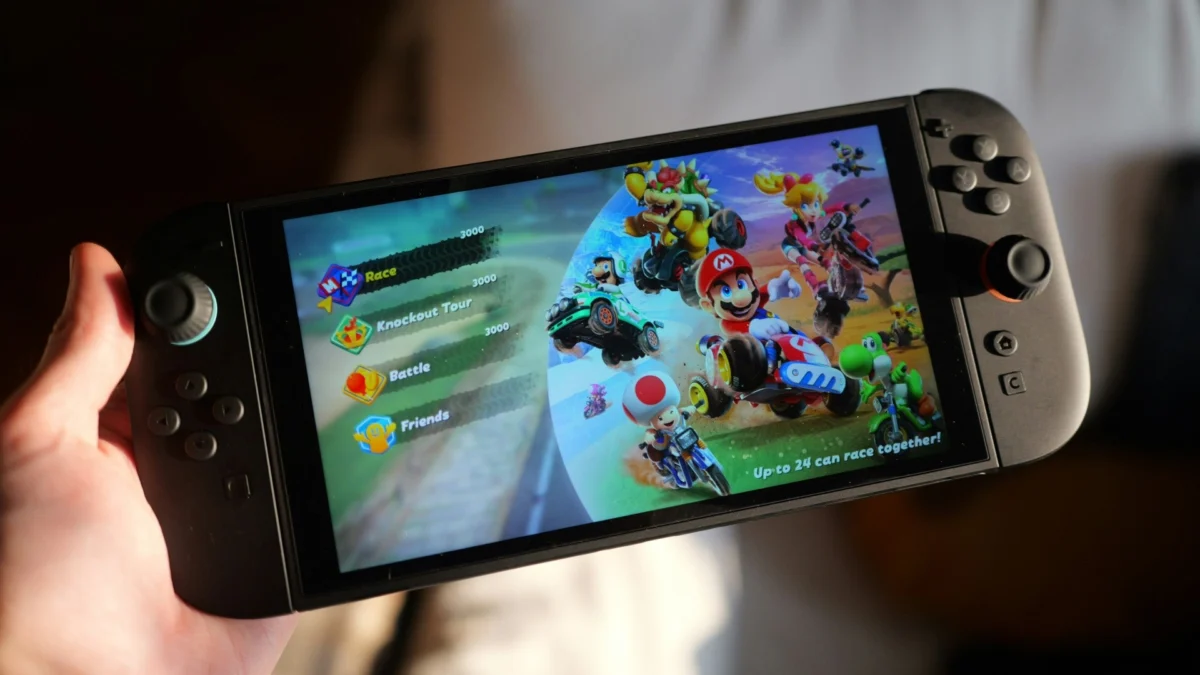
Tokyo, Japan – [Current Date] – Nintendo has announced and swiftly implemented rigorous purchase restrictions for the multi-language version of its highly anticipated Switch 2 console in Japan. This decisive move comes as the Japanese Yen continues its weakening trend against major global currencies, creating an attractive arbitrage opportunity for scalpers looking to exploit price disparities ahead of planned hardware price increases in Western markets. The new rules, limiting purchases to one console per account and requiring buyers to demonstrate at least 50 hours of playtime on a Nintendo Switch console by May 2026, underscore Nintendo’s commitment to prioritizing genuine consumers and combating market manipulation.
This strategy mirrors previous preemptive measures taken by the gaming giant during the console’s initial launch phase in other regions, signalling a consistent approach to safeguarding its distribution channels and ensuring its products reach dedicated players rather than opportunistic resellers. The restrictions highlight the ongoing challenges faced by console manufacturers in a globalized, digitally connected market prone to rapid price fluctuations and sophisticated scalping operations.
Main Facts: Nintendo Implements Strict Purchase Controls for Switch 2 in Japan Amid Scalping Concerns
A Proactive Stance Against Market Exploitation
Nintendo has officially confirmed the imposition of stringent new purchasing regulations for the multi-language version of the Nintendo Switch 2 console within Japan. These measures, effective immediately following a temporary pause in sales, are specifically designed to curb the rampant practice of scalping, which has been exacerbated by the significant depreciation of the Japanese Yen. The weakened Yen has inadvertently made Japanese-market consoles more affordable for international buyers, thus creating a lucrative incentive for resellers to purchase units in Japan for resale in other territories at inflated prices.
Under the new policy, prospective buyers in Japan will face two primary conditions. Firstly, purchases will be strictly limited to one console per registered Nintendo account. This direct limitation aims to prevent individuals or automated bots from acquiring multiple units for speculative resale. Secondly, and perhaps more notably, eligible buyers must have accumulated a minimum of 50 hours of playtime on an existing Nintendo Switch console by the end of May 2026. This playtime requirement serves as a robust filter, intended to identify and prioritize dedicated Nintendo enthusiasts who are genuinely invested in the company’s ecosystem, effectively disenfranchising opportunistic scalpers who typically create new accounts with no prior gaming history.
The introduction of these Japan-specific restrictions is not an isolated incident but rather a strategic continuation of Nintendo’s global efforts to combat market exploitation. As reported, these latest rules echo similar pre-order restrictions implemented during the Switch 2’s launch last June in regions such as the United States, Canada, and the United Kingdom. During that period, consumers were required to hold a two-year Nintendo Switch Online membership and also meet a 50-hour playtime threshold, explicitly stating Nintendo’s intent to "prioritise the most dedicated players." This consistent approach underscores a clear corporate policy aimed at ensuring fair access for its loyal customer base, particularly in times of high demand and volatile market conditions.
The term "multi-language version" in this context is significant. While most Nintendo hardware offers multi-language support as standard, specifying it in the context of these restrictions likely emphasizes that the measures are aimed at preventing the export of these units, which are typically the models sought after by international scalpers due to their broader usability outside Japan.
Chronology: A Pattern of Preemptive Measures and Market Adjustments
Genesis of the Scalping Challenge
The phenomenon of console scalping is far from new, but it reached unprecedented levels during the launch cycles of the PlayStation 5 and Xbox Series X/S, and even the original Nintendo Switch. High demand coupled with pandemic-induced supply chain disruptions created fertile ground for resellers who utilized automated bots and sophisticated purchasing strategies to acquire consoles en masse, subsequently listing them at exorbitant markups. For the Nintendo Switch 2, the challenge is compounded by its anticipated widespread appeal and the inherent difficulty of meeting initial global demand. The company is clearly learning from past industry-wide struggles and proactively implementing measures to mitigate similar issues.
June Launch Precedent: Prioritizing Dedicated Players
Nintendo’s strategic response to scalping began to solidify well before the latest Japanese announcement. In June of the previous year, ahead of the Switch 2’s initial rollout in Western markets, Nintendo introduced specific pre-order restrictions for consumers in the US, Canada, and the UK. These requirements mandated a two-year subscription to Nintendo Switch Online and a minimum of 50 hours of playtime on an existing Switch console. This was a clear signal that Nintendo was prioritizing its most engaged users, those who had already demonstrated a significant commitment to the brand through their playtime and subscription loyalty. The intent was to create a barrier to entry for opportunistic scalpers who would be unlikely to invest in a long-term subscription or accrue substantial playtime on a console purely for speculative purposes. This early intervention established a precedent for Nintendo’s proactive stance against market manipulation.
The Yen’s Influence and Regional Price Adjustments
The current situation in Japan is inextricably linked to broader global economic factors, particularly the persistent weakening of the Japanese Yen. Over recent months, the Yen has experienced significant depreciation against key international currencies like the US Dollar and Euro. This economic reality means that products priced in Yen become comparatively cheaper when converted to stronger currencies. For a high-demand item like the Switch 2, this creates a substantial arbitrage opportunity: scalpers can purchase consoles in Japan at a lower effective price and then resell them in other markets where they are priced higher due to stronger local currencies.
This economic pressure point was explicitly acknowledged by Nintendo last month when it announced planned hardware price increases for the Switch 2 in the US, Canada, and Europe. While the exact new pricing has not yet been detailed, the mere anticipation of these increases makes the Japanese market even more attractive for scalpers seeking to acquire inventory before prices rise elsewhere. The timing of these announcements—price hikes in the West followed by severe restrictions in Japan—demonstrates Nintendo’s reactive strategy to evolving market conditions and its attempt to preempt large-scale cross-border scalping operations.
The Latest Japanese Restrictions: A Targeted Response
The most recent announcement regarding Japan-specific restrictions represents a targeted response to the unique economic pressures currently affecting the region. The temporary pause in sales, followed by the immediate implementation of the "one console per account" and "50 hours playtime by May 2026" rules, is a direct countermeasure. The explicit mention of the "multi-language version" further underscores that these restrictions are aimed at preventing the flow of consoles out of Japan. By making it harder for non-dedicated, potentially international, buyers to acquire the console, Nintendo hopes to stabilize the domestic market, ensure fair distribution for its Japanese fanbase, and mitigate the impact of the weak Yen on its global pricing strategy. The deadline of May 2026 for playtime accumulation is particularly interesting, suggesting a long-term outlook on eligibility for future stock releases or perhaps a window for current, less active players to meet the criteria.
Supporting Data: The Broader Economic Landscape and Gaming Industry Trends
Global Component Shortages and Supply Chain Woes
The video game industry, particularly hardware manufacturing, has been grappling with persistent supply chain disruptions and component shortages for several years. The scarcity of essential components such as semiconductors, memory chips, and various other integrated circuits has plagued the production of consoles like the PlayStation 5, Xbox Series X/S, and even the original Nintendo Switch. These shortages limit the overall supply of new consoles, making them highly sought after and creating an environment ripe for scalping. Nintendo President Shuntaro Furukawa himself explicitly referenced "the recent surge in memory and other component prices" as a significant factor influencing the company’s financial health and pricing decisions. This ongoing challenge forces manufacturers to carefully manage their limited stock, making anti-scalping measures not just about fairness but also about strategic resource allocation.
The Impact of Foreign Exchange Rates
The current state of the Japanese Yen is a critical piece of the puzzle. The Yen has experienced a prolonged period of depreciation, particularly against the US Dollar and the Euro. Factors contributing to this include divergent monetary policies (the Bank of Japan maintaining ultra-loose policies while other central banks raise rates), Japan’s trade balance, and global risk sentiment. For example, the Yen has dropped significantly, often reaching multi-decade lows against the dollar. This makes imports into Japan more expensive but makes Japanese exports, including consumer electronics like the Switch 2, more attractive to foreign buyers. For a company like Nintendo, which operates globally and incurs costs in various currencies while selling products at different price points worldwide, a volatile Yen directly impacts its revenue and profit margins. It incentivizes the grey market, where goods are purchased in one country and resold in another to profit from exchange rate differences, precisely what Nintendo is trying to combat.
The Persistent Threat of Scalpers
Scalping has evolved from a niche annoyance to a sophisticated, organized enterprise. Modern scalpers leverage advanced bots that can monitor stock, bypass CAPTCHAs, and complete purchases faster than human users. They operate across multiple accounts and payment methods, often working in syndicates. The financial incentive is substantial; consoles bought at retail price can be sold for hundreds of dollars above MSRP on platforms like eBay or StockX. This practice not only frustrates genuine consumers who struggle to acquire products at fair prices but also creates a negative public perception around product launches. Nintendo’s 50-hour playtime requirement is a direct attempt to circumvent these automated systems and the quick-flip strategies employed by professional scalpers.
Nintendo’s User Engagement Metrics
The "50 hours of playtime" requirement is more than just a hurdle; it’s a data-driven filter. Nintendo, like other platform holders, tracks user engagement meticulously. This metric is a strong indicator of a player’s commitment to the Nintendo ecosystem. A user with 50 hours of playtime is not a casual, one-off buyer; they are someone who has invested significant time and likely money into Nintendo games and services. This criterion effectively separates the genuine fan base from speculative buyers. It’s a clever mechanism to reward loyalty and ensure that the limited supply of new consoles reaches those who are most likely to continue engaging with Nintendo’s software and services, thereby reinforcing the company’s long-term business model. The earlier requirement of a two-year Nintendo Switch Online membership further emphasized this dedication to the Nintendo ecosystem, demonstrating that different types of engagement metrics can be deployed depending on the market and specific objectives.
Official Responses: Nintendo’s Rationale and Future Outlook
President Furukawa’s Strategic Vision
Nintendo President Shuntaro Furukawa has been remarkably transparent about the economic pressures influencing the company’s decisions. His statements clarify that the recent hardware price increases, and by extension, these new purchase restrictions, are not arbitrary but are a direct consequence of a confluence of challenging global market conditions. Furukawa explicitly cited "The recent surge in memory and other component prices," alongside "trends in the foreign exchange market and the price of oil," as primary drivers. He projected that these factors would "continue over the medium to long term," indicating a sustained period of economic volatility.
Crucially, Furukawa articulated the core business imperative behind these actions: "We felt that the profitability of our hardware would suffer significantly if we maintained our existing pricing, potentially impacting our business operations over this time frame." This statement underscores the delicate balance Nintendo must strike between offering competitive pricing and maintaining financial viability. His foresight was further highlighted by his commitment to "make necessary preparations to ensure that [it] can respond to whatever situation arises." The current stringent purchase restrictions in Japan can be seen as a direct fulfillment of this promise – a necessary preparation to respond to the specific challenge of scalping fueled by the weak Yen and anticipated price changes.
Communication Strategy and Public Perception
Nintendo communicated these significant changes via its social media channels, specifically X (formerly Twitter), with the original announcement reportedly being disseminated through machine translation. While direct and immediate, this method of communication highlights the urgency of the situation. Transparent communication regarding restrictive policies is crucial to managing public perception. While some consumers might feel inconvenienced, dedicated players often appreciate efforts to combat scalpers. The challenge for Nintendo is to ensure that genuine buyers who meet the criteria are clearly informed and can navigate the new purchasing process without undue frustration. The company aims to cultivate an image of protecting its loyal fanbase, even if it means implementing unpopular measures for a subset of potential buyers.
Balancing Accessibility and Profitability
Nintendo’s actions illustrate the complex tightrope walk that modern hardware manufacturers must undertake. On one hand, there is a desire to make their innovative products accessible to as many consumers as possible, fostering a broad user base for their software ecosystem. On the other hand, they must operate as a profitable business, navigating rising manufacturing costs, volatile foreign exchange rates, and intense global competition. The Switch 2 restrictions in Japan are a prime example of prioritizing profitability and fair access for core customers in a specific, economically challenged market. It represents a strategic decision to temporarily limit broader accessibility in favor of stabilizing prices, curbing speculative buying, and safeguarding long-term business operations. This balancing act is likely to become a more frequent feature of the gaming industry landscape in the coming years.
Implications: What These Measures Mean for Consumers, Competitors, and the Market
For Japanese Consumers
For the majority of dedicated Nintendo fans in Japan, these restrictions are likely to be viewed positively. The "one console per account" rule, coupled with the playtime requirement, significantly increases the chances of genuine players acquiring a Switch 2 at the official retail price, rather than being forced to pay inflated secondary market prices. This is particularly true for the multi-language version, which is often targeted by international scalpers. However, there could be a segment of Japanese consumers who are new to the Switch ecosystem, or who simply haven’t accumulated 50 hours of playtime by the May 2026 deadline, who might find themselves locked out. This could lead to frustration for those who are genuinely interested but don’t meet the loyalty criteria. It also raises questions about whether a purely "Japan-only" SKU might emerge with fewer restrictions, though this is speculative.
For International Consumers and Scalpers
The most significant impact will be felt by international scalpers who have been eyeing the Japanese market as a source of cheaper Switch 2 units due to the weak Yen. These new, stringent rules effectively close off or severely limit this arbitrage opportunity. With purchases restricted to one per account and tied to significant playtime, the cost and effort involved in creating fake accounts or circumventing the system become much higher, making it less profitable. This could force scalpers to shift their focus to other regions where restrictions might be less severe, potentially exacerbating scalping issues in the US, Canada, or Europe if Nintendo doesn’t implement similar, equally robust measures there. For international consumers hoping to import a console from Japan, this path will become considerably more difficult, likely pushing them towards their local markets where the anticipated price increases will eventually take effect.
For Nintendo’s Brand Image and Future Strategy
These actions reinforce Nintendo’s image as a company that actively defends its core player base against exploitative practices. By taking such a firm stance, Nintendo signals its commitment to fairness and loyalty, which can resonate positively with its dedicated fans globally. This strategic move also sets a strong precedent for future hardware launches or highly anticipated product releases. Other console manufacturers, who have historically struggled with scalping, may observe Nintendo’s success (or challenges) with these measures and consider adopting similar strategies. It showcases Nintendo’s willingness to innovate not just in hardware and software, but also in market distribution and customer relationship management.
The Broader Console Market and Future Trends
The ongoing battle against scalping, coupled with global economic volatility, suggests a potential shift in how new console launches are managed across the industry. We may see more sophisticated anti-bot technologies, stricter account-based purchasing limits, and criteria based on user engagement become standard practice. The era of simply walking into a store or ordering online with a new account might be drawing to a close for highly sought-after hardware. Furthermore, the sensitivity of console pricing to foreign exchange rates will likely mean more frequent and region-specific price adjustments. Manufacturers will need to be increasingly agile in their pricing and distribution strategies to navigate an unpredictable global economy, balancing the need for profitability with the desire to maintain customer satisfaction and fair access. This could lead to more segmented global markets for consumer electronics, with differing rules and pricing structures based on local economic conditions.

 Lina Irawan
 Sagoh
Sagoh