Neng Nana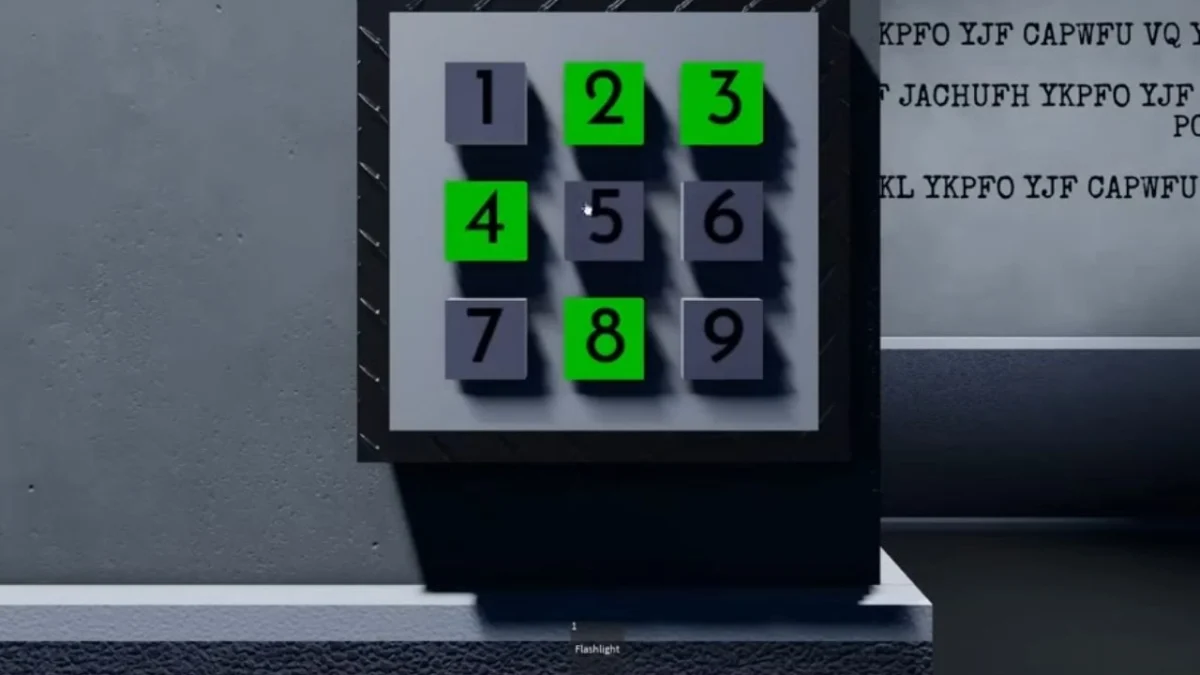
The digital landscape of the 2020s has seen a monumental shift in how interactive media is consumed, with Roblox emerging as a titan of user-generated content. Among the myriad of genres populating the platform, the "Escape Room" sub-genre has witnessed a significant surge in complexity and popularity. One of the most prominent entries in this category is Project Escape Room: Prison, a high-stakes, logic-driven simulation that challenges the cognitive faculties of its players.
As virtual environments become increasingly sophisticated, Project Escape Room stands as a testament to the evolving nature of digital puzzles. This article provides a comprehensive analysis of the game’s mechanics, a detailed walkthrough for the "Prison" map, and an exploration of the broader implications of Roblox’s dominance in the gaming industry.
Main Facts: The Rise of Virtual Logic Puzzles
Project Escape Room: Prison is more than a simple obstacle course; it is a meticulously designed environment that mirrors the psychological pressure of real-world escape rooms. Players are thrust into a high-security correctional facility, where the objective is to utilize environmental cues to bypass security systems and regain their freedom.
The game operates on a core loop of observation, deduction, and execution. Unlike many Roblox titles that rely on "Obbys" (obstacle courses) or "Simulators" (click-based progression), Project Escape Room utilizes scripted logic gates and environmental storytelling. Players must interact with seemingly mundane objects—dumbbells, shower tiles, and wall scratches—to unlock the path forward.
The popularity of this specific map is attributed to its balanced difficulty curve. It manages to remain accessible to younger audiences while providing enough intellectual friction to satisfy veteran puzzle solvers. As of 2024, the escape room genre remains one of the most resilient niches on the platform, frequently appearing in the "Recommended" sections of millions of users worldwide.
Chronology of an Escape: A Step-by-Step Strategic Walkthrough
To understand the mechanical depth of Project Escape Room: Prison, one must examine the specific hurdles players face. Below is the definitive strategic sequence for successfully navigating the facility.
Step 1: The Initial Breach – Escaping the Cell
The journey begins in a standard-issue isolation cell. The game immediately establishes its "look everywhere" philosophy. Players must inspect the bed area, specifically the pillow and the mattress seams, to find a makeshift tool or a hidden note. In most iterations of this map, the first step involves finding a loose brick or a hidden compartment behind the toilet or under the cot. This initial victory serves to teach the player that the environment is fully interactable.
Step 2: The Quantitative Puzzle – Counting Tally Marks
Once the player has gained access to the immediate perimeter of their cell, they encounter the "Tally Mark" puzzle. This is a classic test of observation. Scratched into the walls are various groupings of tally marks. These are not merely decorative; they represent a numeric code. Players must count the groups of five and the individual strokes to derive a four-digit or three-digit sequence for a nearby keypad. This step introduces the concept of "environmental data" where the solution is hidden in plain sight.
Step 3: Systems Override – Cutting the Wires
Progressing further into the maintenance corridors requires bypassing an electronic lock. This leads to the "Wire Cutting" mini-game. Players are presented with a junction box containing colored wires (red, blue, green, and yellow). The solution is rarely random; players must find a schematic or a color-coded clue nearby—often located on a clipboard in a guard’s station or a nearby storage room. Cutting the wires in the wrong order can trigger an alarm or reset the puzzle, emphasizing the need for precision.
Step 4: The Sensory Challenge – The Shower Pattern
The prison’s communal shower area serves as a significant roadblock. This puzzle is typically based on pattern recognition and memory. Tiles on the floor or the wall will flash in a specific sequence, or the player must interact with showerheads in a particular order. This transition from "math puzzles" to "spatial/memory puzzles" ensures that the game tests multiple facets of the player’s intelligence.
Step 5: Physical Logic – Examining the Dumbbells
The prison gym contains the next clue. Here, the "Dumbbell Puzzle" requires players to observe the weights listed on various pieces of equipment. This is often a weight-distribution puzzle: players must place specific weights on a pressure plate or use the numbers on the dumbbells as a code for a locker. It forces the player to interact with the physics engine of the game, moving objects around to achieve a specific outcome.
Step 6: The Final Hurdle – Finding the ‘Gate Padlock’ Key
The climax of the escape involves the "Gate Padlock." Unlike previous steps that relied on codes, this is a traditional "hidden object" quest. The key is usually hidden in the last place a player would look—taped under a desk, inside a ventilation shaft, or held by a non-player character (NPC) guard that must be distracted. Once the key is obtained, the player can unlock the final gate, leading to the exterior of the prison and the successful completion of the map.
Supporting Data: The Roblox Ecosystem and Player Engagement
The success of games like Project Escape Room is backed by staggering data regarding the Roblox platform. As of the latest quarterly reports, Roblox boasts over 70 million daily active users (DAUs). The platform is no longer just for children; a significant portion of its growth is coming from the 17-24 age demographic, which craves more complex, intellectually stimulating content.
According to developer metrics, escape room games have a higher "average session time" compared to many other genres. While a simple racing game might hold a player’s attention for 10 minutes, a well-constructed escape room can keep a player engaged for 45 to 60 minutes as they struggle with puzzles. This "stickiness" is highly valued by the Roblox algorithm, which promotes games that keep users on the platform longer.
Furthermore, the "Prison" theme is one of the most searched terms within the Roblox library. This is likely due to the cultural influence of "Prison Break" tropes in media and the inherent tension of the setting. Project Escape Room: Prison capitalizes on this trend by providing a high-fidelity experience within the constraints of the Roblox engine.
Official Responses: Developers and the Community
The developers of Project Escape Room have frequently engaged with their community via social media and Discord. Their design philosophy centers on "fair challenge." In various developer logs, they have stated that their goal is to eliminate "moon logic"—puzzles that make sense only to the creator—and replace them with logical, observable solutions.
The community response has been overwhelmingly positive, though not without its critiques. High-level players often request "Hardcore Modes" where the puzzles are randomized each time to prevent players from simply following walkthroughs. In response, many Roblox developers, including those behind the Project Escape Room series, have begun implementing procedural elements into their maps to ensure replayability.
Roblox Corporation itself has praised the creativity of its developer community. In their annual developer conference (RDC), executives have highlighted how logic-based games are being used as informal educational tools, teaching players basic coding logic, mathematics, and team collaboration.
Implications: The Future of Interactive Edutainment
The implications of Project Escape Room: Prison extend far beyond a simple afternoon of gaming. It represents a shift toward "active" digital consumption. In an era of short-form video and passive scrolling, these games require a level of focus and deductive reasoning that is increasingly rare in mainstream entertainment.
1. The Gamification of Education
The mechanics found in these escape rooms—counting, pattern recognition, and logical sequencing—are foundational skills in STEM (Science, Technology, Engineering, and Mathematics). As these games become more popular, we may see a closer integration between virtual platforms like Roblox and formal education.
2. The Evolution of the Metaverse
As Roblox continues to upgrade its engine (moving toward more realistic lighting, physics, and scripting capabilities), the line between a "user-made game" and a "professional title" is blurring. Project Escape Room is a precursor to a future where high-fidelity, complex puzzle games are built entirely within social metaverses, allowing for seamless multiplayer collaboration across the globe.
3. Psychological Benefits
Research into puzzle-solving suggests that games like Project Escape Room can improve cognitive flexibility and problem-solving skills. By placing players in a high-pressure (albeit virtual) environment, they are forced to manage frustration and think critically under time constraints.
Conclusion
Project Escape Room: Prison is a shining example of the creative potential inherent in the Roblox platform. By combining the thrill of a prison break with the intellectual satisfaction of a complex puzzle, it has carved out a unique space in the digital landscape. Whether you are a casual player looking to test your wits or a developer studying the mechanics of engagement, the "Prison" map offers a masterclass in interactive design. As the platform evolves, so too will the complexity of these escapes, ensuring that the "Great Digital Escape" remains a cornerstone of the Roblox experience for years to come.


 Laily UPN
 Lina Hope