Asep Darmawan
Dragon Ball Z is not merely an anime; it is a cultural cornerstone that redefined the global landscape of serialized storytelling. Emerging from the creative mind of Akira Toriyama, the series became a worldwide phenomenon in the 1990s, transcending its Japanese roots to captivate audiences in the West with a potency rarely seen in the animation medium. By blending high-stakes martial arts, a deeply resonant supporting cast, and a narrative structure that defied conventional tropes, Dragon Ball Z established a blueprint for the modern Shonen genre that continues to influence creators three decades later.
The Genesis of a Global Phenomenon
In the early 1990s, the international animation market was largely dominated by Western episodic cartoons. When Dragon Ball Z landed in the West, it introduced a new paradigm: a long-form, serialized narrative that demanded commitment from its viewers. Unlike the reset-button nature of contemporary Western shows, Dragon Ball Z featured permanent consequences, character growth, and a rising scale of power that felt both earned and inevitable.
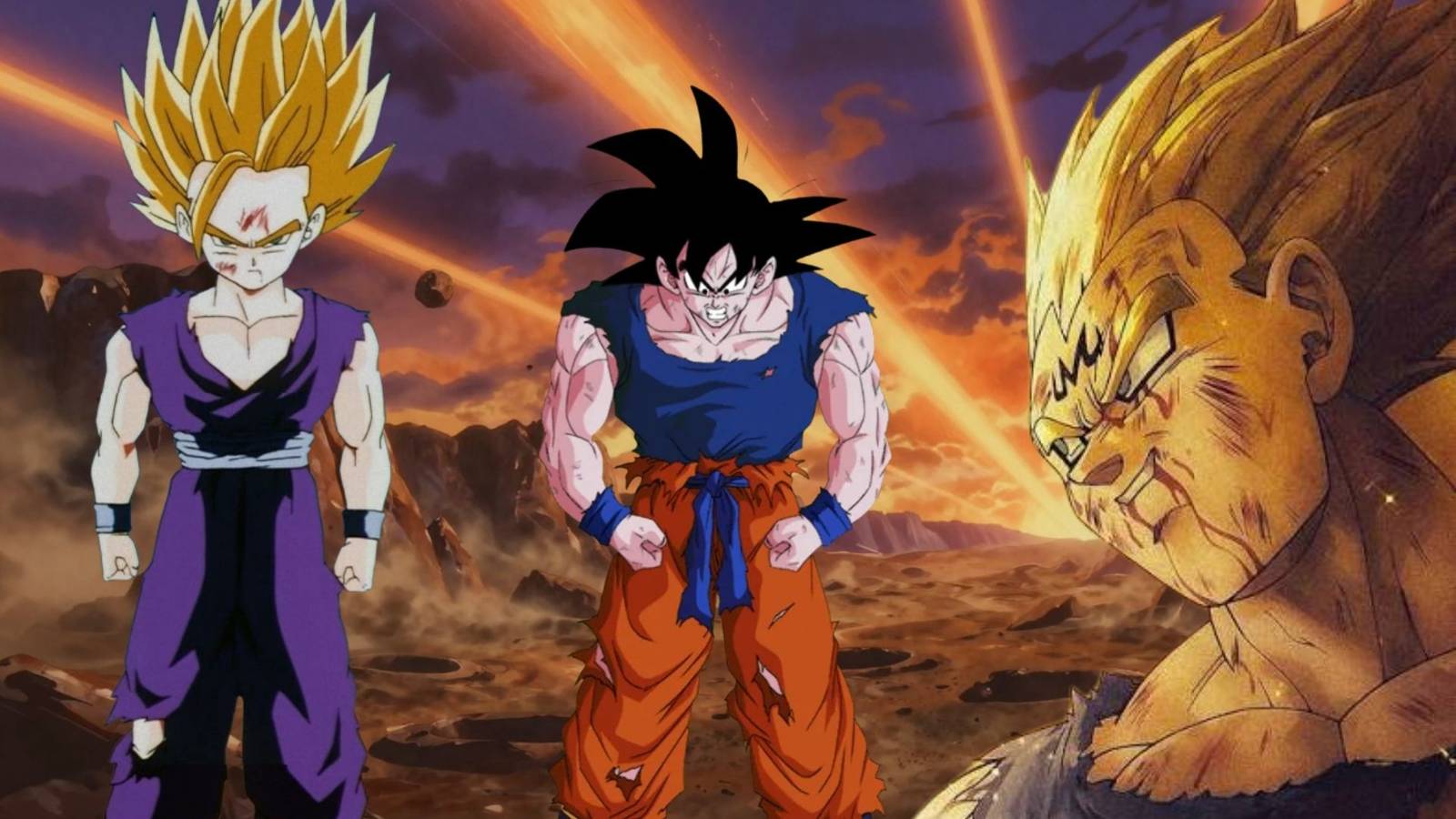
The show’s success can be attributed to its ability to balance internal character drama with external cosmic threats. It turned the concept of "heroism" on its head by presenting a protagonist, Goku, who was not necessarily motivated by justice, but by an insatiable desire to surpass his own limits. This shift resonated with a generation of viewers, turning Saturday morning television into a destination for serialized, high-octane action.
Chronology: The Evolution of the Z-Fighters
The narrative trajectory of Dragon Ball Z is divided into distinct, escalating sagas that pushed the boundaries of what fans expected from a battle-focused series.
The Saiyan Saga: The Sacrifice of the Hero
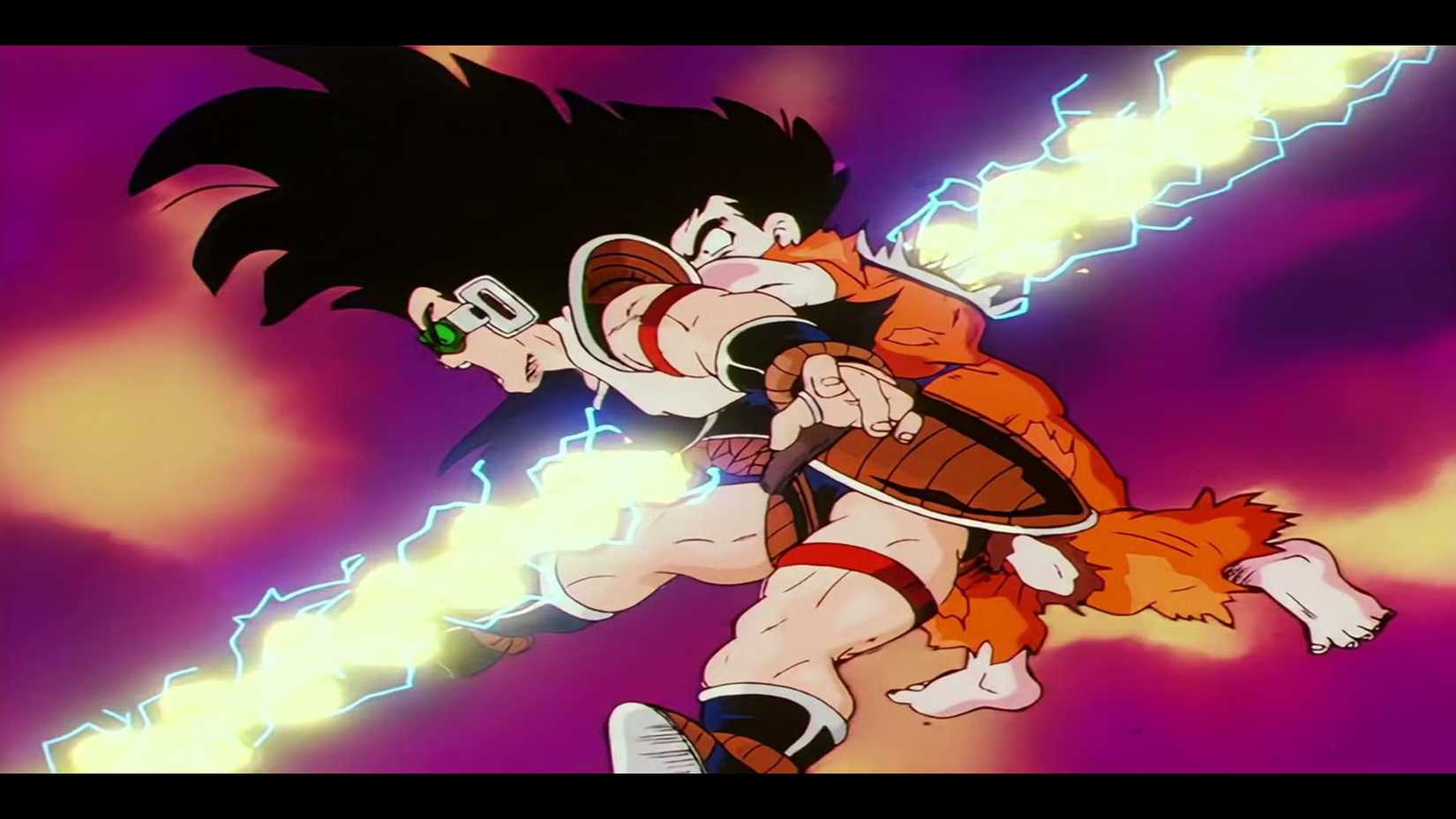
The series opened with a shocking subversion of expectations. The arrival of Raditz, Goku’s extraterrestrial brother, forced the protagonist to ally with his former nemesis, Piccolo. In a move that sent shockwaves through the audience, Goku sacrificed his life to secure victory. By removing the main character within the first few episodes, the series established that no one was safe, effectively raising the stakes for every subsequent arc.
The Frieza Saga: Galactic Scale and Tyranny
Following the Saiyan arrival, the narrative expanded into the depths of space. Frieza, the series’ quintessential space-tyrant, represented a level of malice and power that forced the cast to evolve. This saga served as the crucible for the series’ most defining trait: the transformation.
The Cell Saga: The Torch is Passed
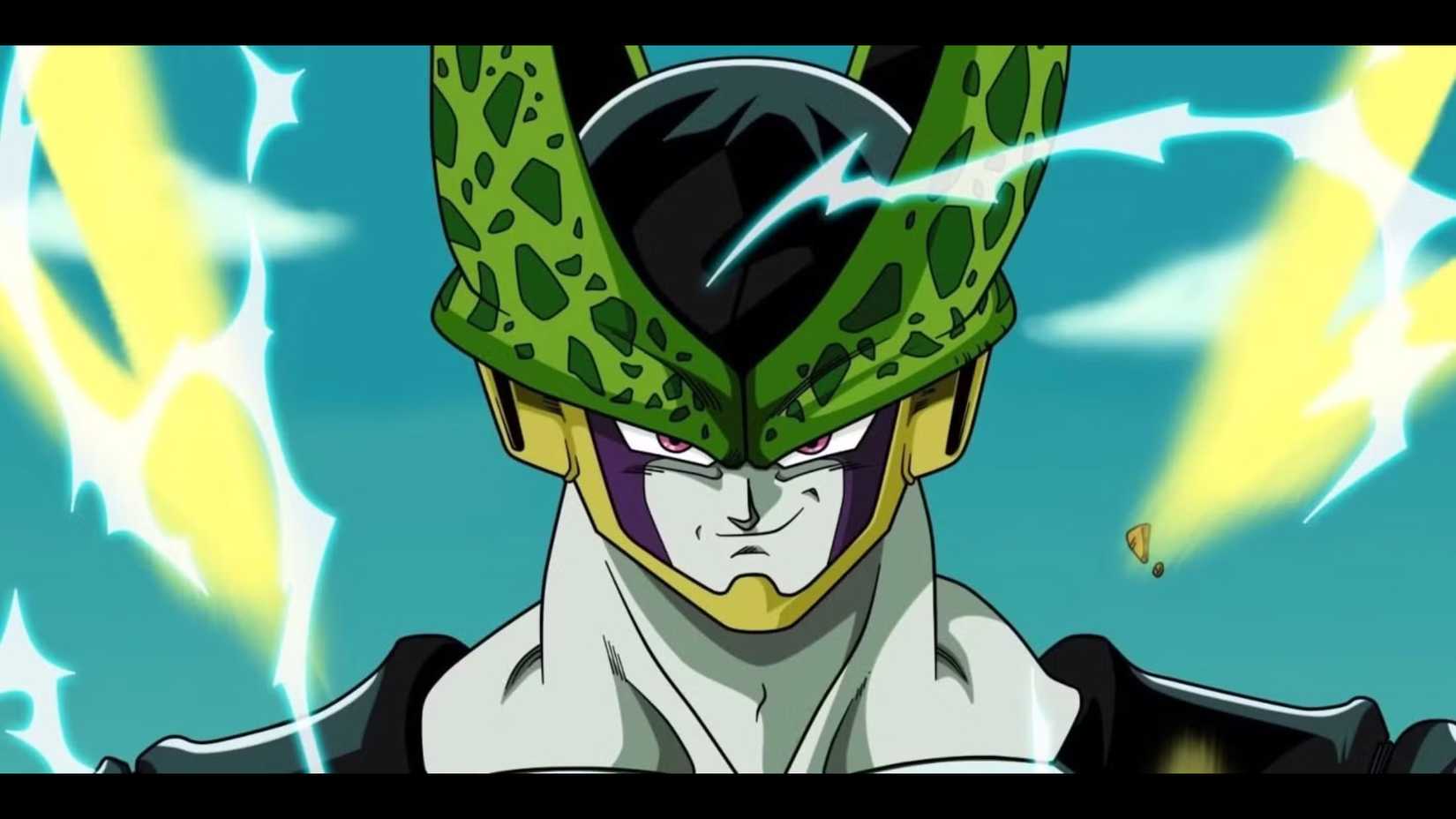
As the series progressed into the Cell Games, the focus shifted from Goku to his son, Gohan. The thematic weight of Gohan’s struggle to reconcile his pacifist nature with the necessity of combat provided a mature emotional anchor. When Gohan finally ascended to Super Saiyan 2, it signaled a generational shift that kept the narrative fresh.
The Buu Saga: The Final Threshold
The final arc introduced Majin Buu, a chaotic entity that challenged the Z-Fighters on both a physical and psychological level. It was here that the character arc of Vegeta—the former prince of all Saiyans—reached its emotional zenith through his ultimate sacrifice, cementing the show’s transition from a simple battle series to a complex character study.
Supporting Data: Why It Stood the Test of Time
The longevity of Dragon Ball Z is supported by its multifaceted appeal, which remains robust even as the industry shifts toward modern aesthetics.
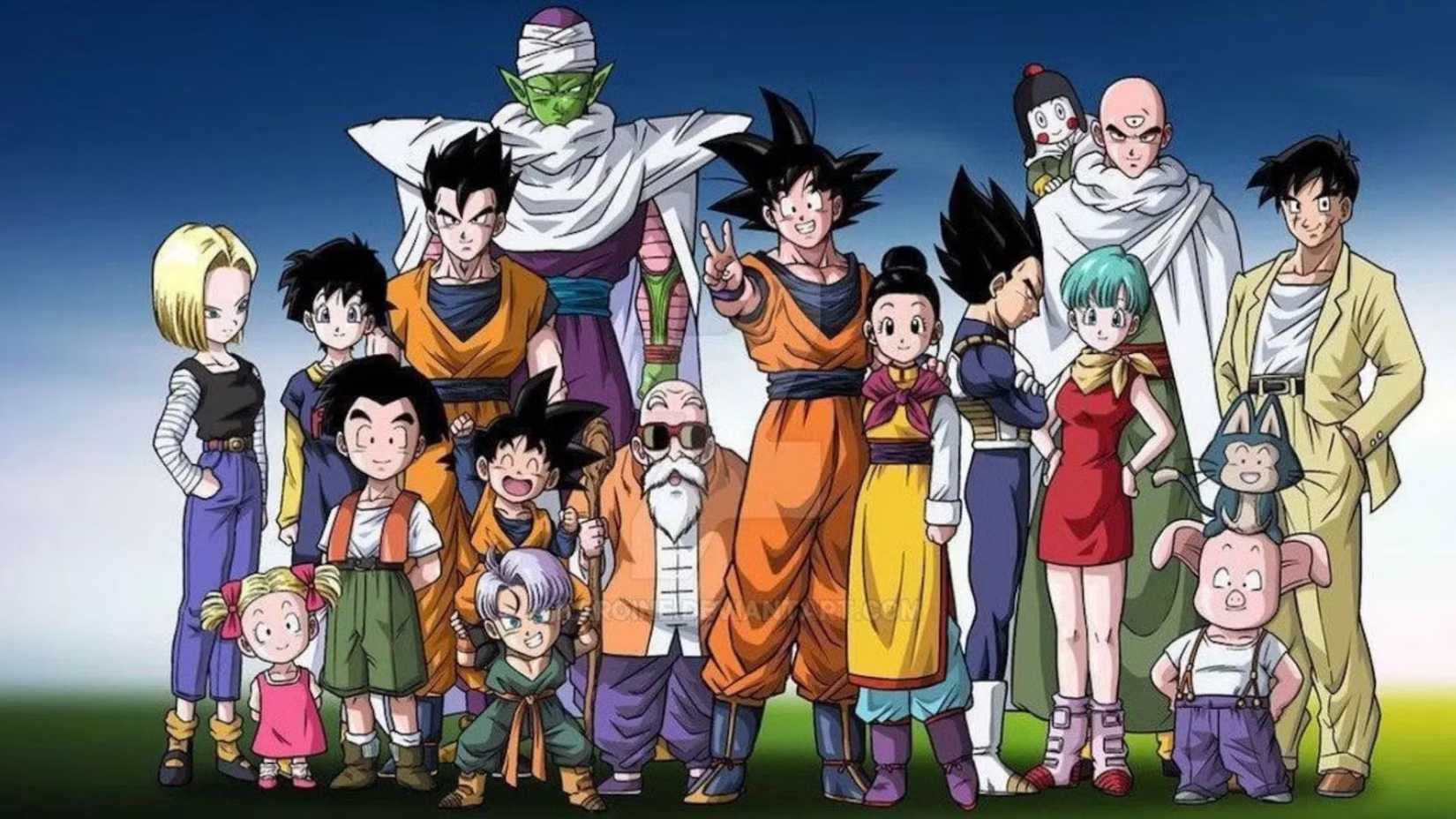
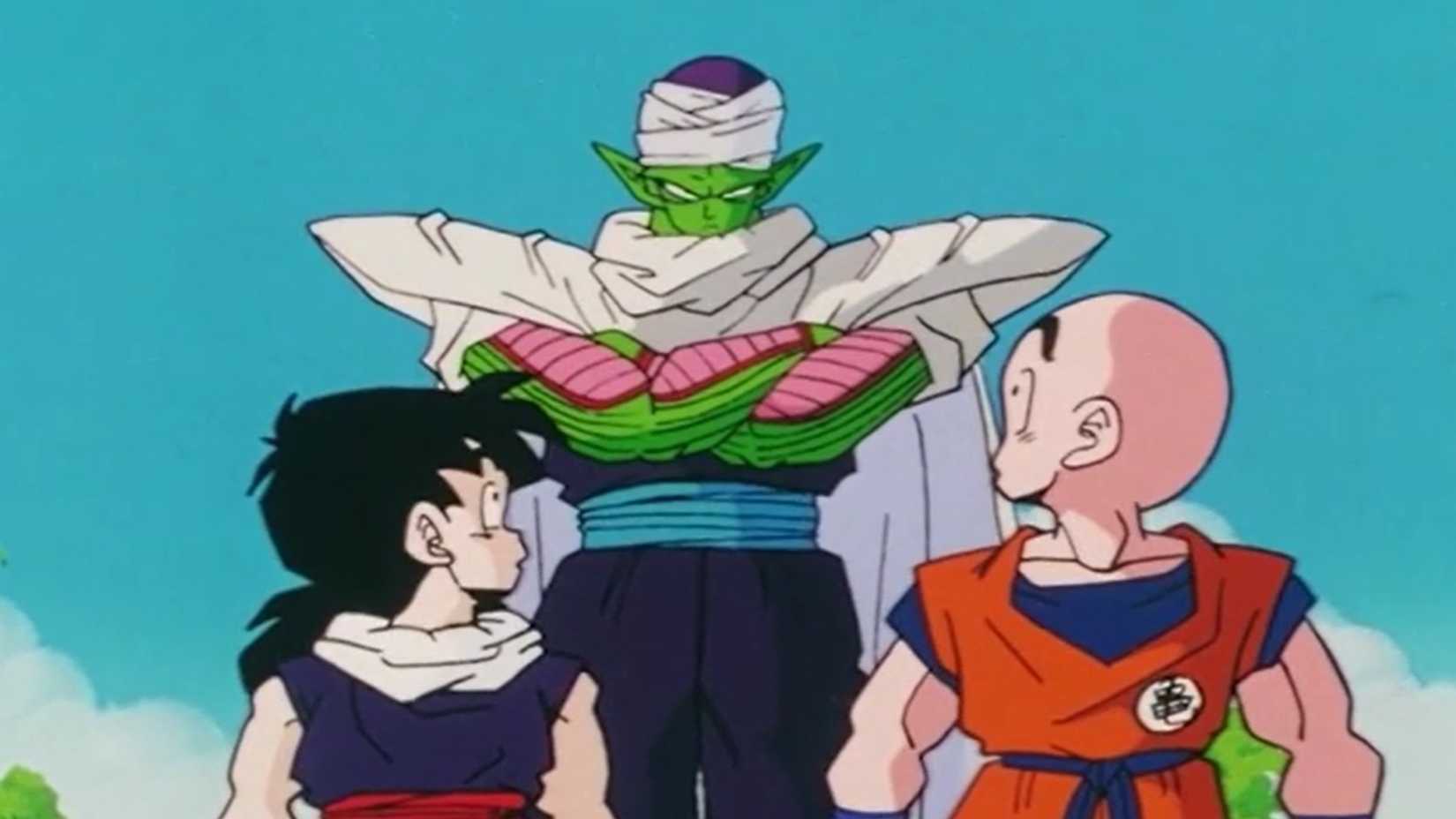
- The Character Ecosystem: The supporting cast—Krillin, Yamcha, Bulma, and Piccolo—provided an essential human element. These characters acted as the audience’s surrogate, reacting with fear and awe to the god-like battles unfolding above them.
- The Power Level Metric: While sometimes criticized for its reliance on "power levels," this mechanic allowed viewers to quantify the progress of their favorite characters, creating a sense of progression that was highly addictive.
- The Aesthetic of Violence: The choreography in Dragon Ball Z was revolutionary. The use of speed, impact, and "energy projection" changed how combat was depicted in animation, setting a high bar for shows like Naruto, One Piece, and Bleach.
Official Responses and Industry Impact
The success of Dragon Ball Z did not go unnoticed by the animation industry. Licensing companies, most notably Funimation in the United States, saw their fortunes change overnight due to the show’s popularity.
The introduction of the "Bruce Falconer" score in the Western broadcast remains a point of intense debate. While traditionalists prefer the original Japanese score, many Western fans argue that the Falconer music—with its synth-heavy, industrial sound—was the "fuel" that made the show feel more visceral and intense. This cultural divergence in presentation highlights how Dragon Ball Z was adapted to fit the sensibilities of global markets, effectively bridging the gap between Eastern and Western pop culture.
Furthermore, the voice acting cast—led by icons like Sean Schemmel and Christopher Sabat—elevated the material, treating the intense, Shakespearean-level speeches of characters like Vegeta with the gravitas they deserved. This commitment to the craft helped legitimize anime in the West, moving it from a niche hobby to a mainstream juggernaut.
The Implications of the Legacy
The legacy of Dragon Ball Z is visible in every corner of contemporary media.
- Gaming Dominance: Decades later, titles like Dragon Ball FighterZ and Sparking! ZERO continue to dominate sales charts. This proves that the characters are not just historical figures of animation, but active icons that modern audiences still want to inhabit.
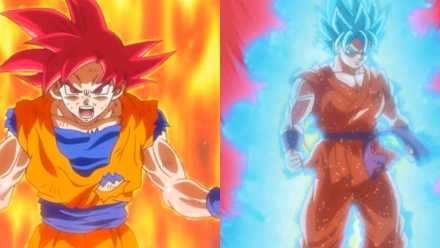
- The "Aura" Standard: The visual language of "aura" and "charging up" has become a universal shorthand in action media. Any hero in a modern film or show who glows with energy or screams to manifest power is standing on the shoulders of the Super Saiyan transformation.
- Cross-Generational Reach: Perhaps the most profound implication is the series’ ability to bridge generations. Parents who grew up watching the original run in the 90s are now introducing their children to the series, ensuring that the "legend" of the Saiyans is passed down.
Conclusion: The Timelessness of Rage and Redemption
What makes Dragon Ball Z truly immortal is its fundamental core: the belief that through effort, pain, and, occasionally, pure rage, anyone can transcend their current state. Whether it is the iconic "Kamehameha" or the tragic nobility of Vegeta’s final act, the show touches upon universal human desires—to protect those we love, to confront our past, and to break through the ceilings that hold us back.
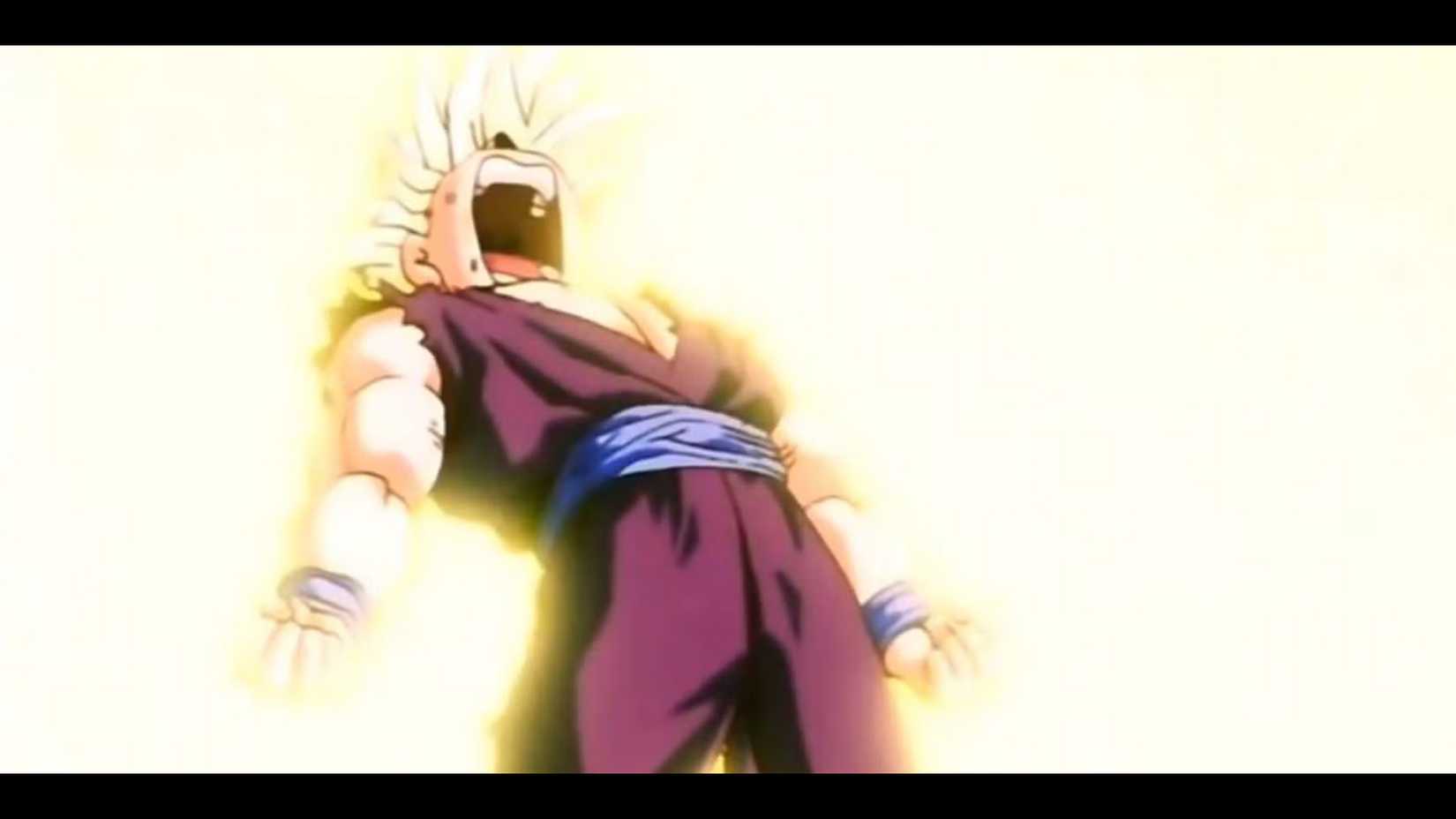
As we look back at the 1990s, we see an era that was defined by the golden hair and glowing eyes of a warrior race. Dragon Ball Z succeeded not because it was the first, but because it was the most effective at turning the medium of animation into a grand, operatic experience. It remains the gold standard of the genre, a testament to the fact that when you combine iconic character design, a willingness to take risks with your leads, and a soundtrack that shakes the very floorboards, you create something that never truly fades away.
Long after the dust of the Cell Games has settled, the legacy of the Z-Fighters remains clear: they changed the world of television, one power-up at a time.


 Asro
Asro
 Muslim