

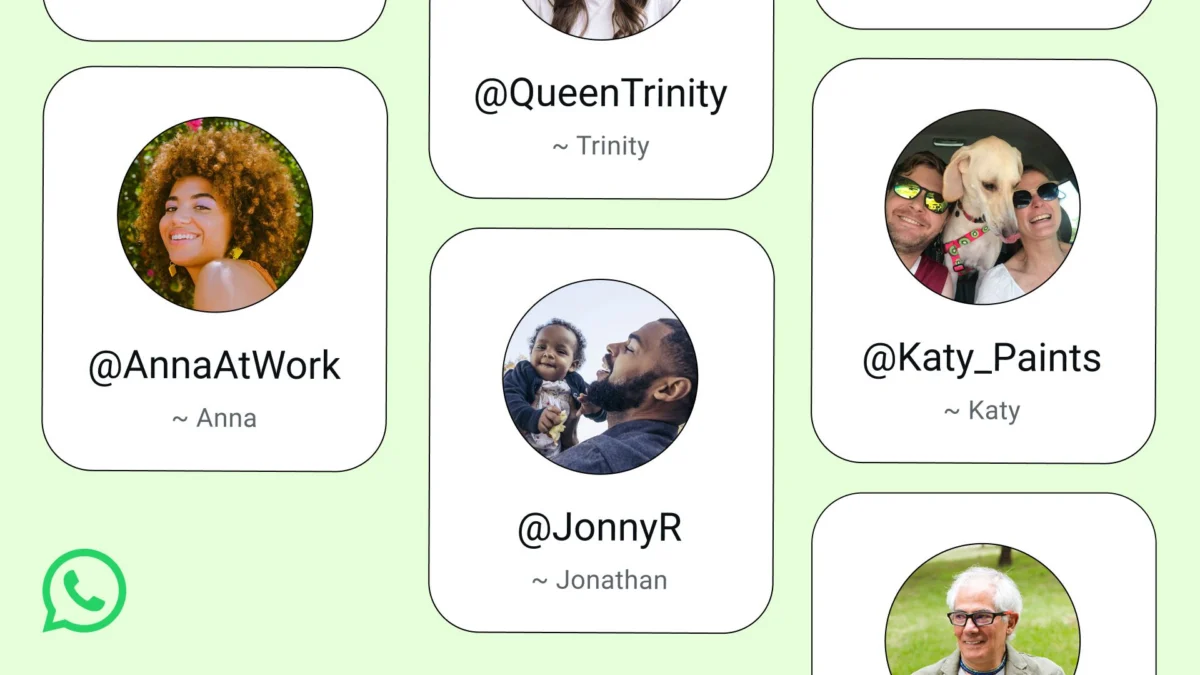
In a landmark move for digital communication, WhatsApp is finally retiring the era of the phone-number-only mandate. For over a decade, the Meta-owned messaging platform—boasting a staggering user base of over 3 billion people—has required users to share their personal phone numbers to initiate contact. That paradigm is shifting this year as WhatsApp officially transitions its highly anticipated username feature out of beta and into a global rollout.
This development marks a seismic shift in how the world’s most popular messaging service balances convenience with the growing demand for digital anonymity. By allowing users to connect via unique identifiers rather than digits linked to SIM cards and telecom providers, WhatsApp is aligning itself with a modern privacy-first standard that has become the gold-standard for encrypted communication.
The Mechanics of the Rollout: What You Need to Know
The race to secure a digital identity on the platform begins this week. WhatsApp has confirmed that the reservation window is opening in phases, and users should expect a push notification within the app as the feature becomes available in their region.
How to Secure Your Handle
For those eager to claim their spot, the process is designed to be seamless. Once the feature is enabled for your account, you can navigate to Settings > Account > Username. Within this menu, users will have three distinct paths:
- Manual Creation: Crafting a unique handle from scratch.
- Meta Synchronization: Porting over an existing handle from your linked Instagram or Facebook accounts.
- Automated Suggestion: Utilizing WhatsApp’s built-in username generator if you are struggling to find a name that is both memorable and available.
It is important to note that these usernames are entirely optional. Unlike other social platforms that mandate a handle for account creation, WhatsApp remains a service fundamentally anchored to a phone number for core authentication, while the username serves as a "privacy-layer" interface.
A Chronology of the Privacy Evolution
To understand why this change is so significant, one must look at the historical trajectory of mobile messaging.
- 2009–2015: The Phone Number Era: WhatsApp launched in a world where the phone number was the primary, immutable identifier for mobile users. During this period, privacy was defined by end-to-end encryption, but the "entry point" to one’s account remained tethered to the physical world—your SIM card.
- 2016–2022: The Demand for Anonymity: As global privacy concerns grew, users began to demand a layer of abstraction. Competitors like Telegram and Signal gained market share specifically because they allowed users to keep their phone numbers private from strangers, business contacts, or potential stalkers.
- 2023: The Beta Testing Phase: WhatsApp began experimenting with username functionality in select developer builds. These early tests focused on UI integration and the complex task of ensuring that handles did not conflict with the existing phone-number database.
- 2024–Present: Global Deployment: The transition from beta to stable release represents the culmination of a multi-year effort to modernize the WhatsApp infrastructure without compromising the platform’s core promise: security.
Protecting the Digital Commons: Official Stances and Guardrails
The introduction of usernames naturally raises concerns about "cybersquatting"—the practice of registering handles related to famous figures or brands to sell them or impersonate the owner. Alice Newton-Rex, Vice President of Product at WhatsApp, addressed these concerns directly, emphasizing that the company has implemented robust safeguards.
"The highest-profile names, like public figures, government entities, or celebrities, are held," Newton-Rex explained. "They can only ever be claimed by their legitimate owners. Look-alike derivatives of known names are also restricted to prevent phishing and impersonation."
This protective layer ensures that the "Wild West" nature of early social media handles—where users scrambled to snag celebrity names—is avoided. However, for the average user, the advice is clear: act quickly. During the initial reservation period, Meta is giving priority to users who wish to mirror their existing Instagram or Facebook identities, effectively allowing for a unified brand across the Meta ecosystem.

Implications for User Privacy and Security
The primary driver behind this shift is the "decoupling" of identity from contact. For years, activists, journalists, and high-profile individuals have been forced to use secondary "burner" phones to maintain their privacy on WhatsApp.
The Four-Digit Key
Perhaps the most innovative aspect of this rollout is the optional four-digit security key. This feature adds a second layer of verification. Even if a stranger discovers your username, they cannot initiate a conversation unless they also possess the unique four-digit code you have provided. This creates a "gated" communication model, effectively eliminating the potential for unsolicited spam or harassment from unknown parties who might otherwise guess a username.
"Usernames are designed to give you control over who gets to see your phone number in the first place," says Newton-Rex. "It’s an optional feature; you choose your own username, you can change it or remove it, and it doesn’t have to match your handle or account name on any other app."
Competitive Landscape: The "Signal" Standard
WhatsApp is candid about its inspiration for this feature. The messaging space has become increasingly competitive, with privacy-focused apps setting a high bar for user expectations. Signal, often cited as the gold standard for secure messaging, implemented a similar username system in 2024.
The move by WhatsApp is a strategic response to this trend. By adopting a "Signal-like" approach, WhatsApp is effectively neutralising the primary reason users might migrate to alternative platforms. Furthermore, smaller, specialized platforms like Germ DM have introduced "burner cards" and ephemeral identity features, signalling that the future of messaging is one where identity is fluid, temporary, and entirely controlled by the end user.
Supporting Data: Why Now?
The decision to roll out usernames is backed by massive shifts in user behavior. Recent telemetry suggests that:
- Spam Mitigation: WhatsApp has seen a 40% increase in user-reported spam over the last 24 months, much of which is facilitated by automated scripts that harvest phone numbers from public groups. Usernames act as a firewall against this trend.
- Enterprise Integration: As WhatsApp Business continues to grow, small businesses have struggled with the professional necessity of giving out their personal numbers. Usernames provide a professional "business card" handle that can be printed on signage or websites without exposing the owner’s private cellular line.
- Global Adoption: In markets where phone numbers are highly sensitive or linked to national identity databases, the ability to communicate via a handle is a major selling point for app retention.
Conclusion: A New Chapter for 3 Billion Users
The upcoming weeks will be a transitional period for the world’s most ubiquitous communication tool. As the global reservation rollout gains momentum, users should take the opportunity to audit their privacy settings. Whether you are a privacy advocate looking to obscure your personal data or a business owner seeking a cleaner way to engage with customers, the new WhatsApp username system is a welcome, long-overdue addition.
The "grab" for usernames is not just about vanity—it is about reclaiming the digital space. As Newton-Rex noted, while it is hard to predict the exact adoption rate, the company anticipates that this will become the default mode for connecting with new people.
"I do think that we’ll see a lot of adoption," Newton-Rex concluded, "but that’s going to be one of the things that we learn as we start rolling it out." For now, the message to the 3 billion users is simple: check your settings, choose your identity, and secure your corner of the WhatsApp network before the best names are taken.











