Evan Lee Salim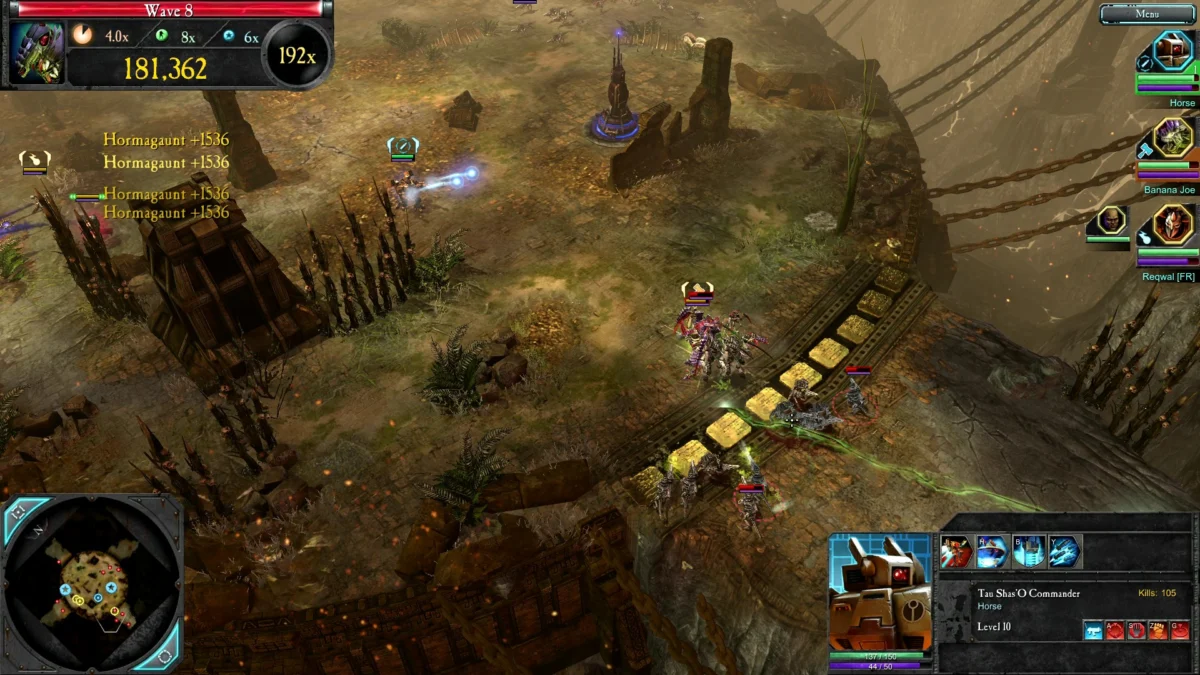
In the landscape of modern gaming, "comp stomp"—the act of teaming up with friends to dismantle AI opponents in a Real-Time Strategy (RTS) game—is often dismissed as a secondary experience. It is the video game equivalent of hitting a bucket of balls at a batting cage: reliable, low-stakes, and ultimately lacking the tension of a real match. For years, the RTS genre struggled to balance the demands of high-level competitive play with the desire for a cooperative social experience.
That changed in 2009 with the release of Warhammer 40,000: Dawn of War 2. Tucked away within its skirmish options was a mode that would defy genre conventions and arguably invent the "PvE MOBA" long before the term entered the common vernacular: The Last Stand.
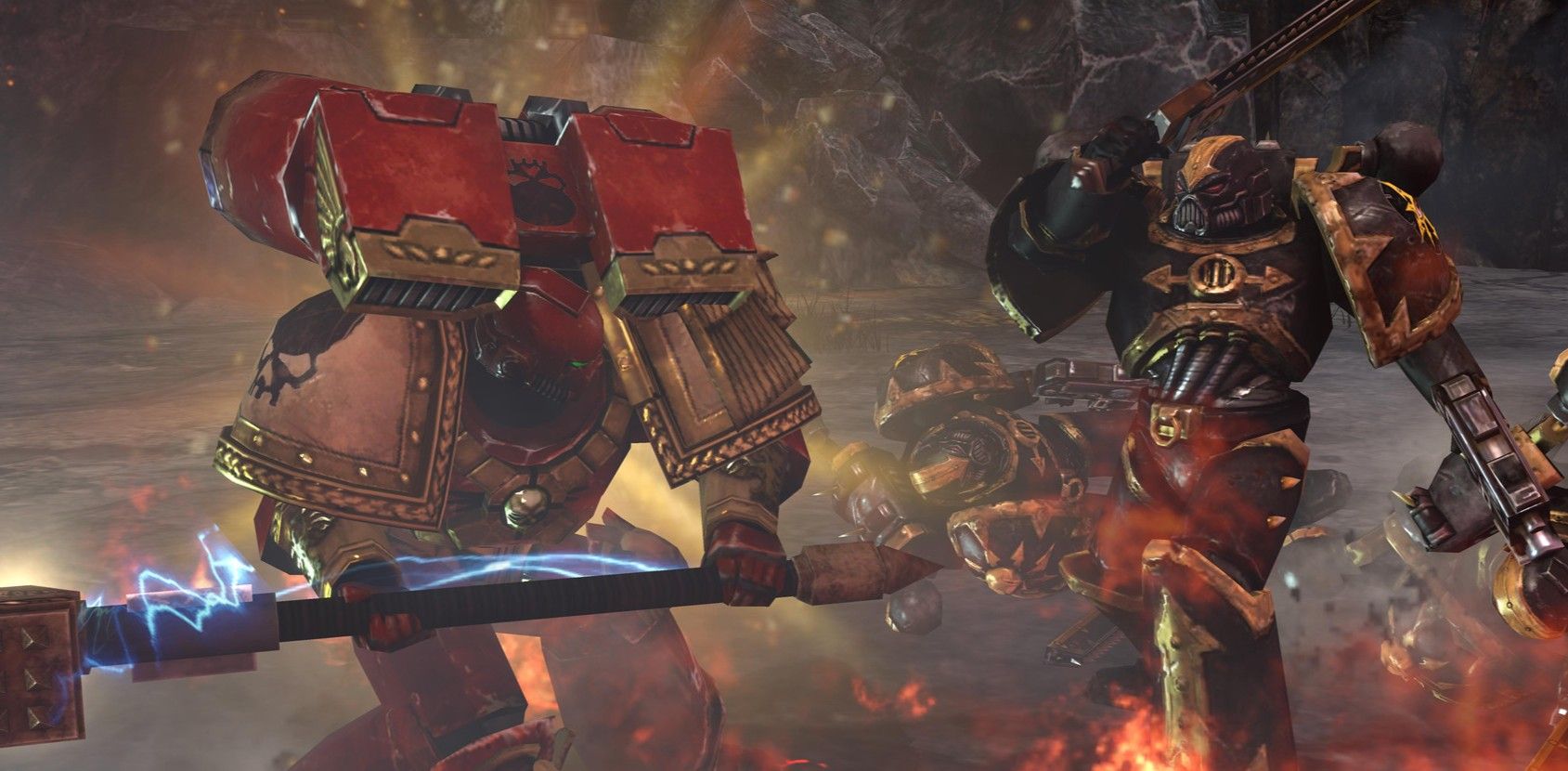
Fifteen years later, as the community looks toward the horizon with the anticipation of Dawn of War 4, it is time to re-examine why The Last Stand remains a masterclass in cooperative game design and why its brutal, unforgiving DNA still resonates with players today.
The Genesis of a Cult Classic
When Dawn of War 2 first arrived, it was met with a mix of excitement and confusion. Relic Entertainment had stripped away the traditional base-building and massive economy management that defined the original Dawn of War and the wider genre, opting instead for a lean, squad-based tactical experience. While purists mourned the loss of resource gathering, the resulting combat was tighter, more visceral, and intensely focused on cover-based positioning.
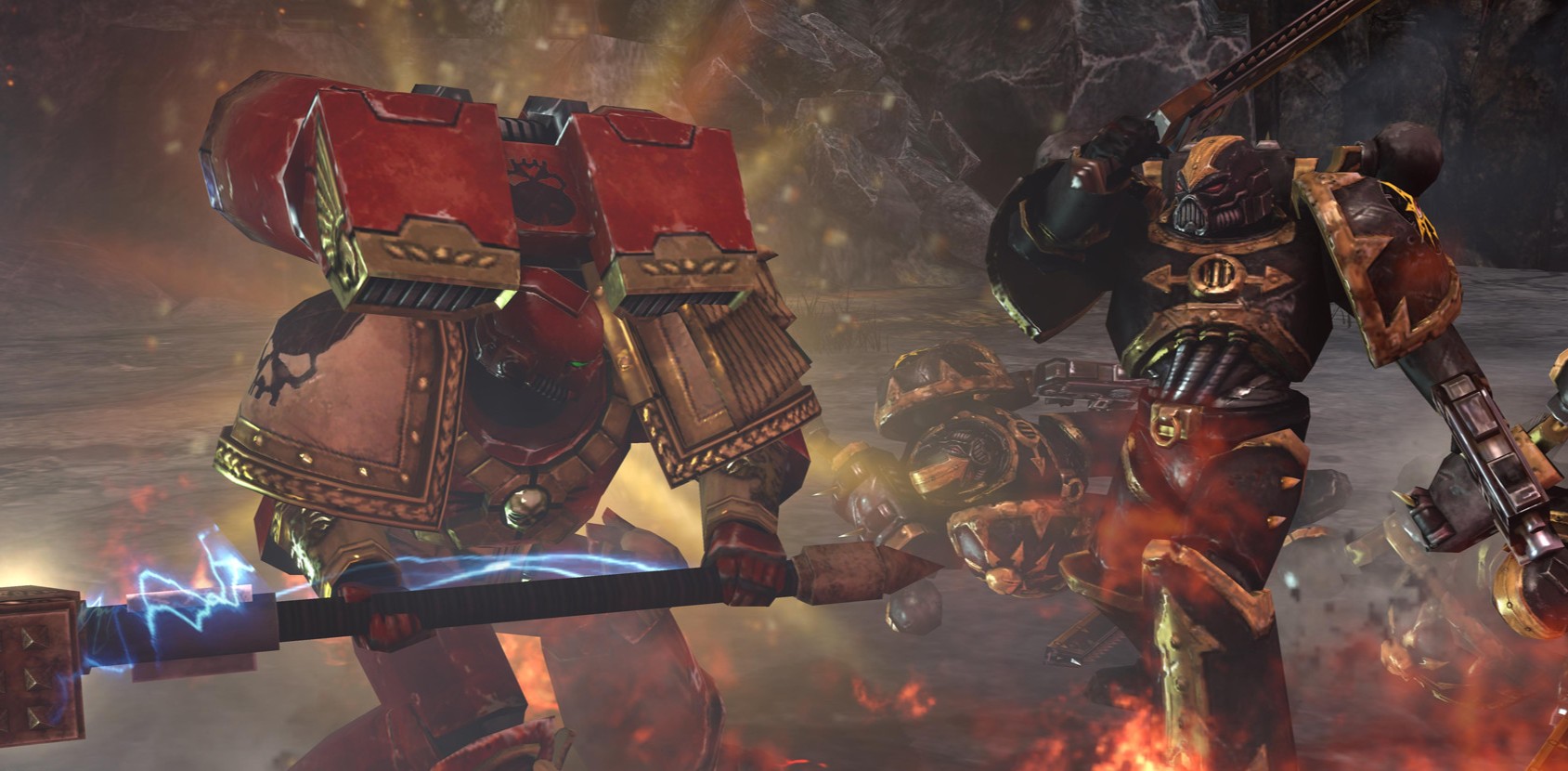
The Last Stand arrived as a distillation of this shift. It removed the RTS elements entirely, shrinking the scope to a single hero unit per player. The objective was simple: survive 20 waves of increasingly overwhelming xenos and chaotic horrors. It was Killing Floor by way of Warhammer 40,000. It wasn’t about building a base; it was about standing your ground in an apocalyptic hell-future, praying your allies had the cooldowns necessary to keep you alive.
Chronology of a Resilient Mode
The mode’s history is one of quiet, persistent longevity:
- October 2009: The Last Stand is introduced as a central component of Dawn of War 2, launching in the same month as the original League of Legends. This timing is significant, as it highlights that Relic was tapping into a emerging trend of hero-focused combat before the MOBA genre reached its saturation point.
- 2011: Recognizing the mode’s popularity, Relic released The Last Standalone on Steam, a standalone version of the mode that allowed players to jump into the action without purchasing the full RTS base game.
- 2024: Following the delisting of the standalone version, the mode saw a renaissance with the release of Dawn of War 2: Anniversary Edition, which bundled all expansions and ensured that the classic experience remained accessible to a new generation of players.
- Present Day: Despite being a decade and a half old, the mode maintains a dedicated, albeit small, community. It remains a frequent topic of discussion on forums and subreddits, with players still debating tier lists and optimal gear loadouts.
Supporting Data: Why It Works
The brilliance of The Last Stand lies in its subversion of traditional RTS failure states. In most strategy games, losing a skirmish against AI feels like a failure of management. In The Last Stand, losing feels like a heroic defeat in the face of insurmountable odds—a sentiment that fits perfectly within the grimdark aesthetic of the 41st millennium.
The Math of Survival
The mode utilizes a "wave-based" difficulty curve that forces players to abandon selfish playstyles.
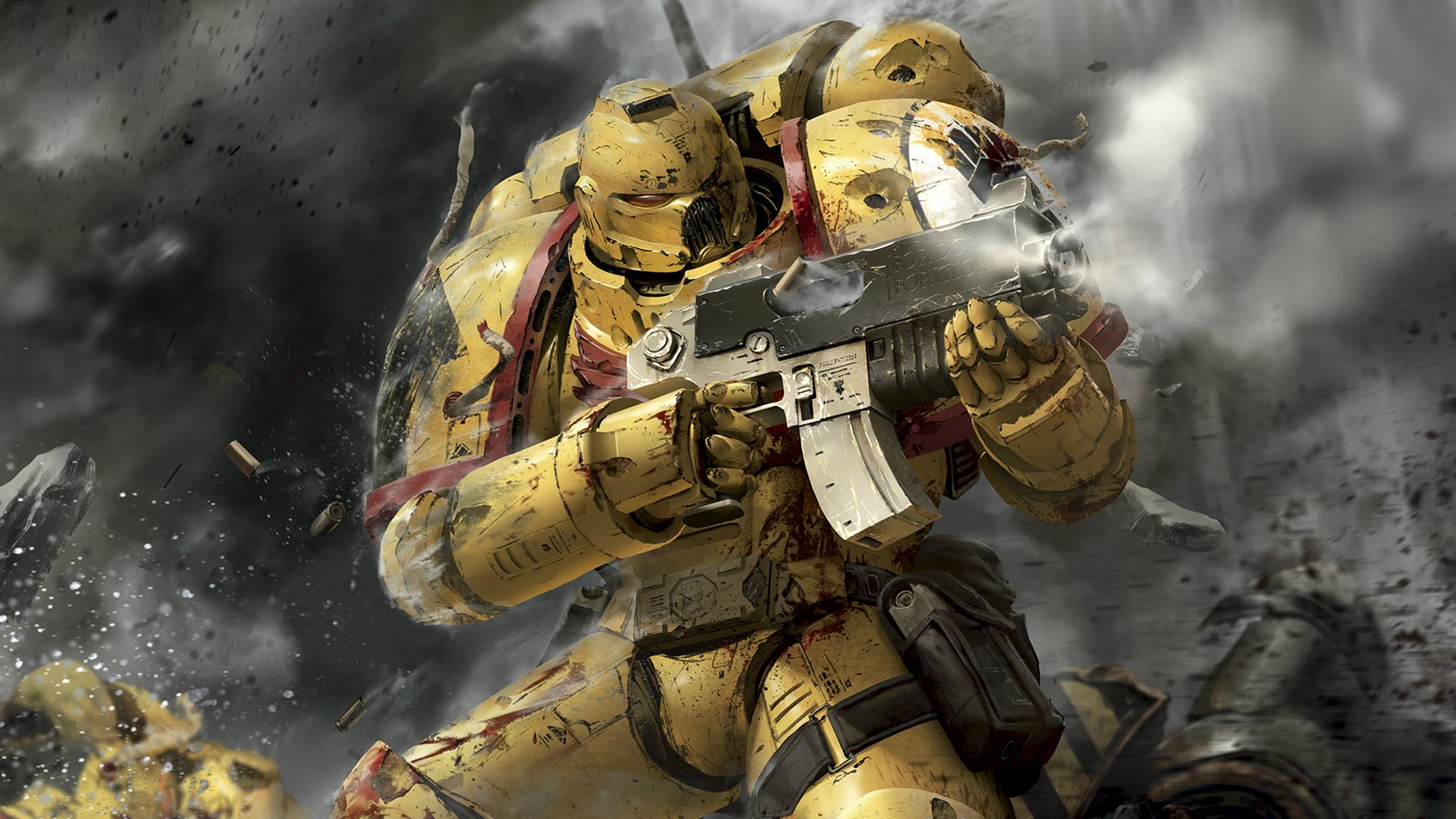
- Initial Waves: Serve as a tutorial, allowing players to test abilities and synergies.
- Mid-Game Escalation: Introduces specialized threats—artillery units, shielded heavy infantry, and bosses—that require coordinated focus-fire.
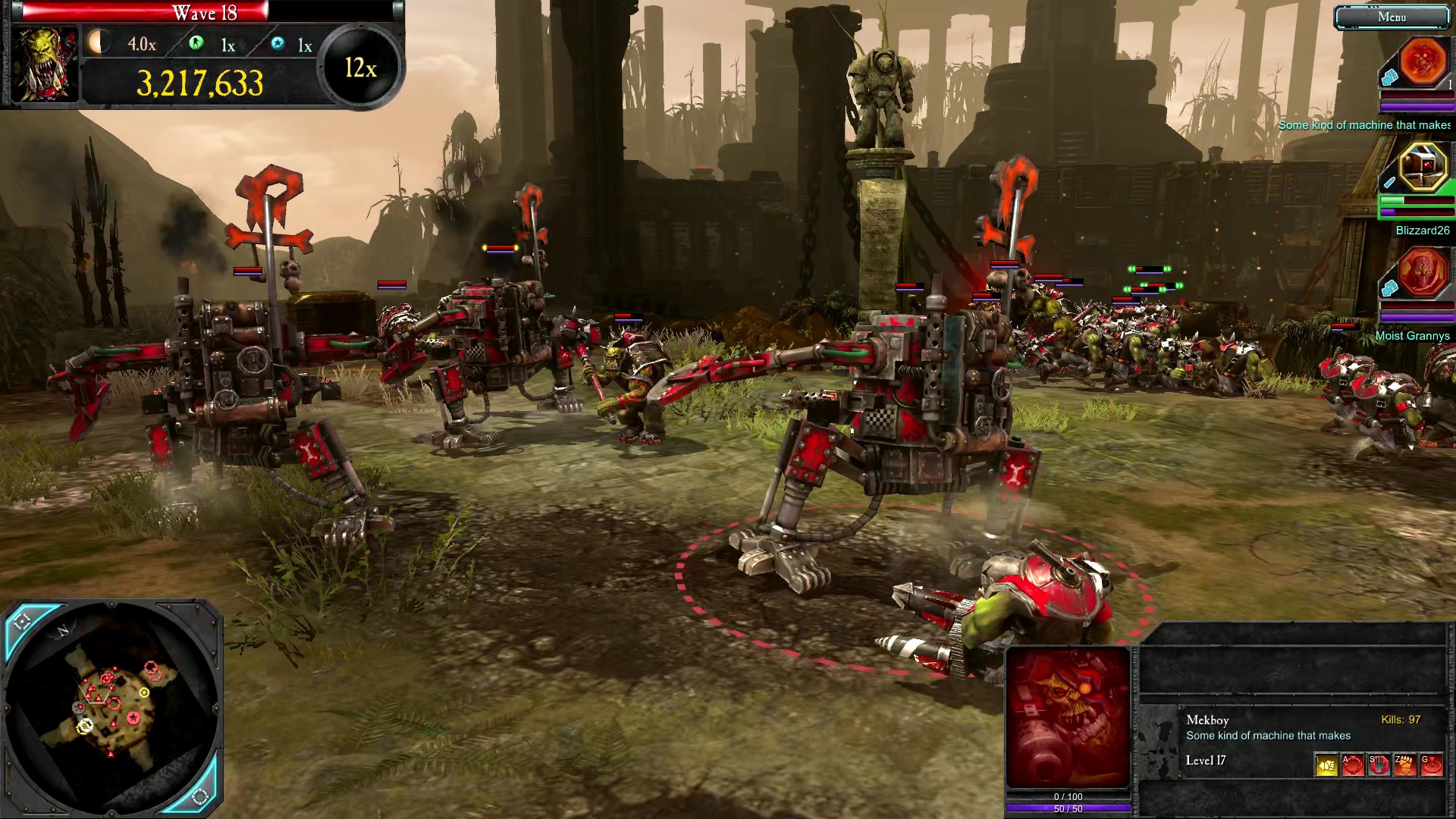
- The "Cloning" Wave: The infamous wave where players face off against mirror images of themselves. This forces teams to account for their own gear and abilities, turning their own strengths into the ultimate threat.
RPG Progression and Gear
Unlike traditional RTS matches that reset every 20 minutes, The Last Stand features persistent character progression. Players earn experience and unlock wargear—weapons, armor, and accessories—that fundamentally alter how a hero plays. A Space Marine Captain might transition from a supportive healer to a frontline brawler based entirely on his equipped wargear. This gives players a reason to return, turning a static mode into a deep, personalized grind.
Implications for the Industry
The success of The Last Stand raises an interesting question: why haven’t more developers successfully replicated this specific formula? It effectively solves the "skill gap" problem inherent in RTS games. In standard 1v1 ladder play, a gap in APM (Actions Per Minute) or build order efficiency is a death sentence. In The Last Stand, the collaborative nature of the PvE environment means that a less-skilled player can contribute meaningfully to the team’s survival through positioning and support, while the "hardcore" player finds challenge in the sheer difficulty of the later waves.
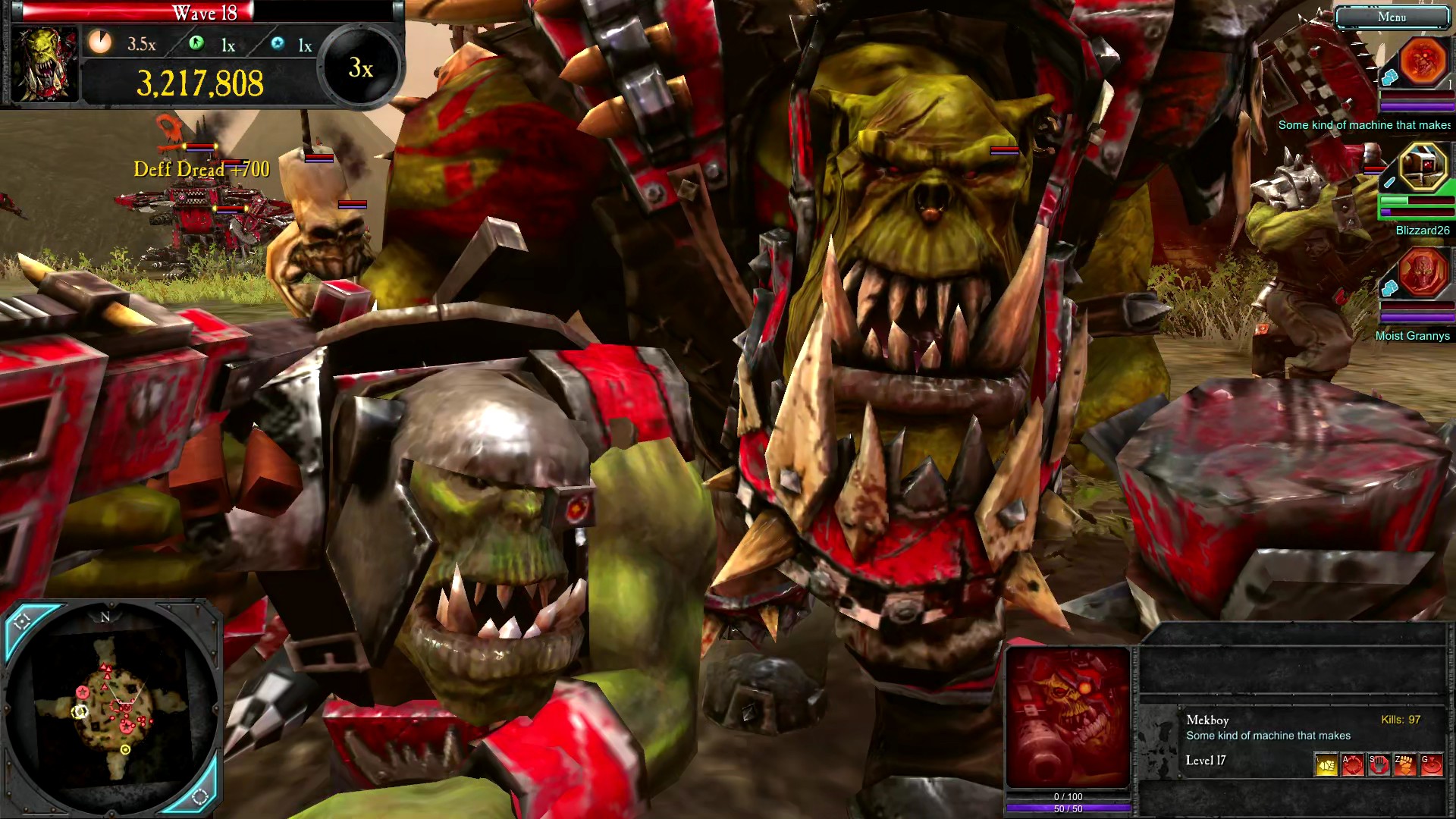
It is a "PvE MOBA" that lacks the toxic competitive environment often associated with the genre. Because everyone is aligned against the machine, the social dynamic is one of camaraderie rather than blame. Even as high-budget horde shooters like Darktide and Space Marine 2 occupy the market, The Last Stand retains a unique "bird’s-eye view" tactical charm that those first-person titles cannot emulate.
Looking Forward: The Legacy and Dawn of War 4
As we look toward the future, the anticipation for Dawn of War 4 is palpable among the community. However, for many, the hope is not for a return to the base-building of the early 2000s, but for an evolution of the "ding, gratz, lol" philosophy that The Last Stand perfected.
The Need for Evolution
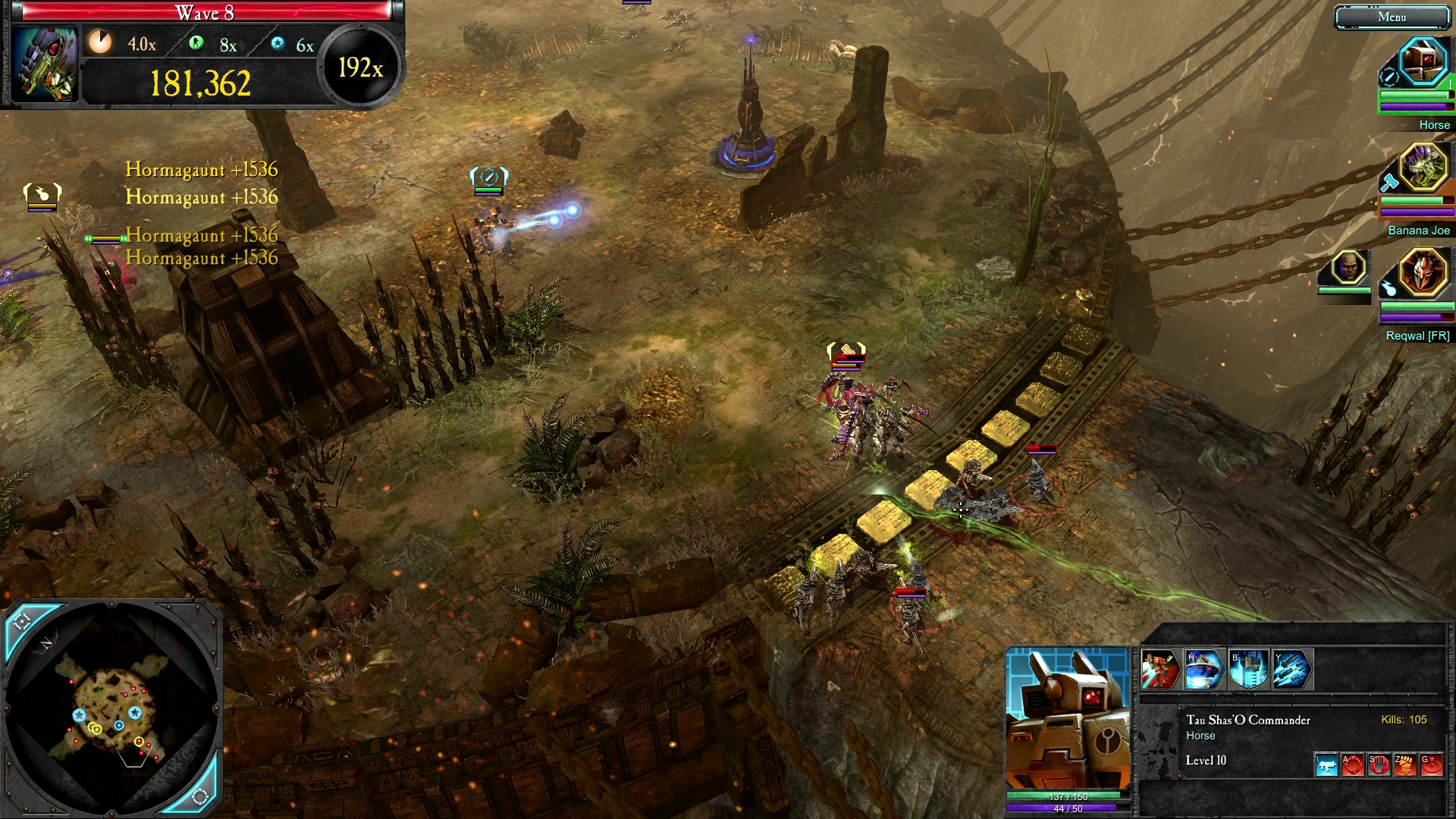
While the original mode was a masterpiece of constraint, it was limited by a lack of content—only two maps and a fixed set of waves. If Dawn of War 4 is to capture the same magic, it must provide:
- Increased Map Variety: The repetitive nature of the original maps eventually hit a ceiling; procedural elements or a wider map pool would be welcome.
- Expanded Faction Interaction: The inclusion of niche factions like the Tau or the Necrons in the original mode was a highlight for tabletop fans. A new iteration should lean even harder into the diversity of the 40k universe.
- Modernized Social Features: While the original was ahead of its time, modern co-op games require robust matchmaking, ping systems, and drop-in/drop-out capabilities to survive in today’s crowded market.
A Final Thought on Brutality
The enduring appeal of The Last Stand is that it doesn’t try to make you feel like a winner. It makes you feel like a cog in a machine that is perpetually breaking down. It captures the essence of Warhammer 40,000—the futility, the desperate defense, and the lonely rage of a soldier holding the line against a tide of monsters.

Whether you are a newcomer looking for an accessible entry point into the tactical depth of Relic’s design or a grizzled veteran of the 2009 original, The Last Stand remains a standard-bearer for how to make an RTS mode that feels both personal and epic. As we await the next chapter in the franchise, one thing is clear: the industry has spent fifteen years trying to catch up to a game mode that was, in many ways, an accidental revolution.
The question remains: will the next generation of Dawn of War have the courage to double down on this brutal, cooperative brilliance, or will it retreat into the comfort of tradition? For now, we wait, we watch the horizon, and we keep our bolters ready.


 Asro
Asro
 Muslim