Evan Lee Salim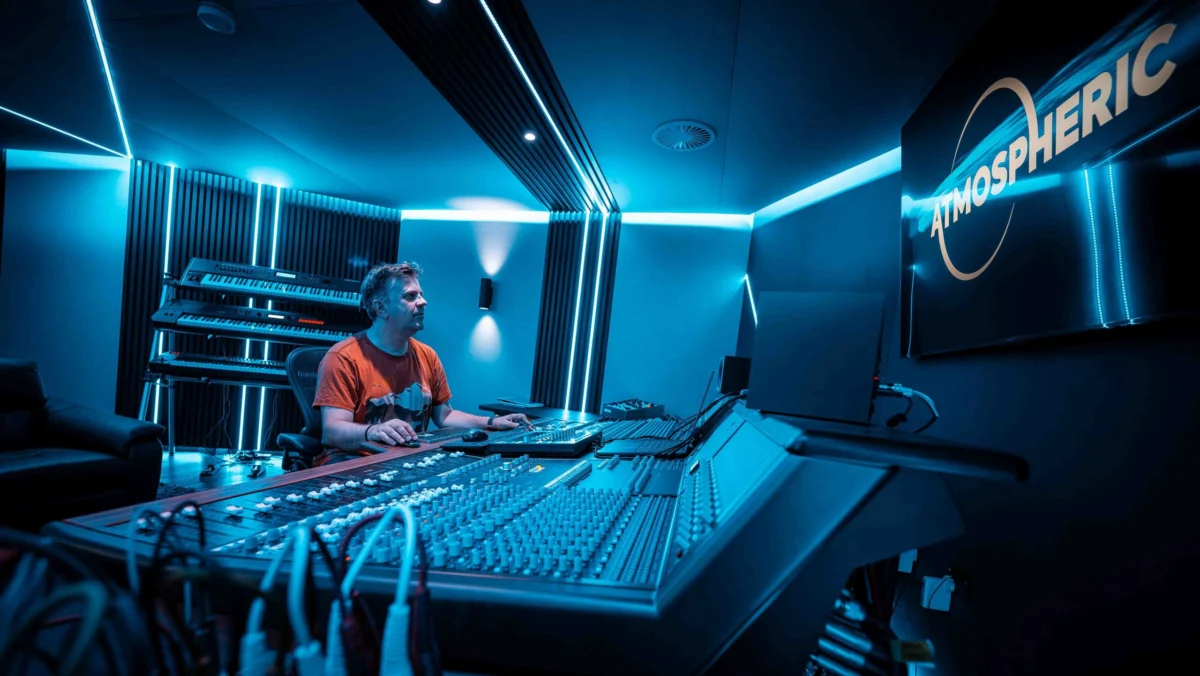
After nearly two decades at the helm of one of the virtual reality industry’s most prominent studios, Patrick O’Luanaigh is trading corporate scale for creative intimacy. The former CEO of nDreams, who steered the company through nineteen years of evolution and a high-profile acquisition by Aonic in 2023, has officially announced his next venture: an independent studio aptly named Atmospheric.
This move marks a significant pivot for the veteran developer. Rather than continuing to scale a large organization, O’Luanaigh is returning to his roots as a hands-on creator, aiming to bridge the gap between interactive gameplay and musical composition in ways that have rarely been explored in the medium.
The Genesis of Atmospheric: A New Creative Vision
Atmospheric is being positioned not just as a game development studio, but as an independent entertainment company that intends to weave original intellectual property across the dual pillars of gaming and music.
In a recent press statement, the studio outlined its mission: "developing immersive worlds in which narrative, interactivity, and audio are conceived as part of a single creative vision." This approach suggests a departure from traditional development cycles, where music is often treated as an atmospheric layer applied late in the production process. Instead, Atmospheric aims to build narratives where audio and interactivity exist in a symbiotic, foundational relationship.
Beyond the Rhythm Genre
Crucially, O’Luanaigh has been quick to manage expectations regarding the "musical" nature of his upcoming projects. In interviews, he has explicitly distanced his studio from the rhythm-action genre—classics like Guitar Hero, Beat Saber, or PaRappa the Rapper.
"I guess a movie like Baby Driver might be a closer analogy, actually," O’Luanaigh explained. "We’re exploring how music can affect gameplay and, in particular, the emotional response that players get when playing."
By citing Edgar Wright’s Baby Driver—a film defined by its precise, beat-driven editing and kinetic synergy between soundtrack and action—O’Luanaigh is signaling an interest in "diegetic" harmony. He envisions games where the player’s actions and the game’s score move in lockstep, creating a heightened sense of tension and immersion that feels less like a dance-along and more like a visceral, cinematic experience.
A Career Chronology: From Industry Veteran to Indie Soloist
To understand the weight of this move, one must look at the trajectory of O’Luanaigh’s career. His departure from nDreams in May 2025 was not merely the end of a job; it was the conclusion of an era for the UK gaming industry.
- The Early Years: Before the inception of nDreams, O’Luanaigh cut his teeth in the industry holding senior roles at foundational companies such as SCi, Eidos, and Codemasters. These roles provided him with a comprehensive understanding of the traditional console market, long before the VR boom.
- The nDreams Era (2006–2025): Founded in 2006, nDreams grew under O’Luanaigh’s leadership to become a powerhouse in the VR space. He oversaw its transition from a boutique studio to a 250-person organization.
- The Aonic Acquisition: In 2023, the studio was acquired by Aonic for $110 million, a deal that solidified nDreams’ status in the industry but fundamentally altered its internal structure.
- The Transition (2025): Eighteen months after the acquisition, O’Luanaigh stepped down. His public comments suggest a desire to escape the administrative burden of leading a massive studio in favor of returning to the "hands-on" work of coding and design.
Supporting Data: The Shift to "Lean" Development
O’Luanaigh’s current business model for Atmospheric is a study in calculated minimalism. Currently, the company is entirely self-funded, with no external venture capital or publisher investment at this stage.
The Solo Founder Model
O’Luanaigh is currently the sole full-time employee of the studio. His operational strategy involves:
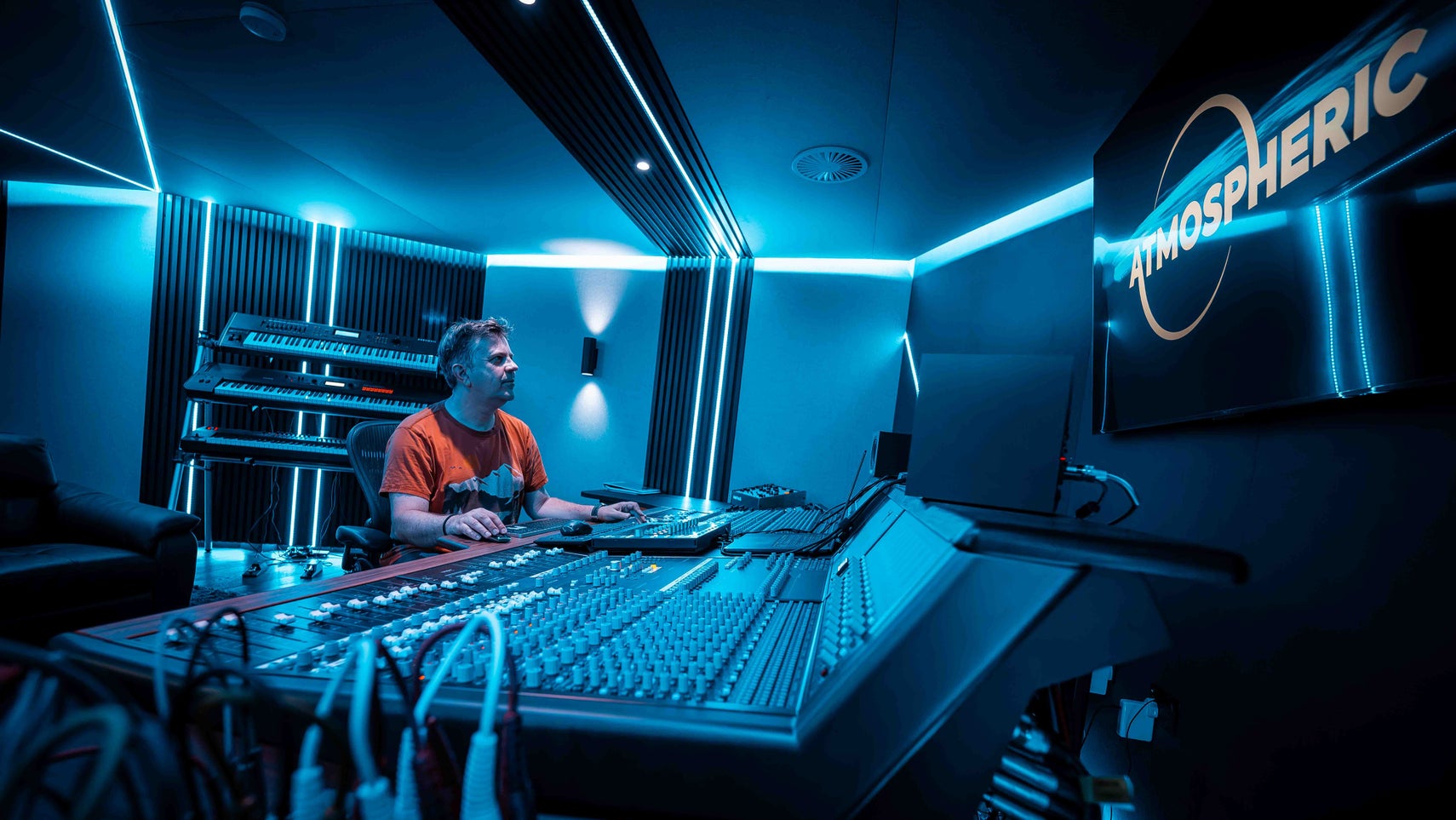
- Freelance Talent: Utilizing a network of contractors for specialized tasks such as high-end art assets, scriptwriting, and core coding.
- Targeted Scaling: O’Luanaigh has stated he does not intend to hire permanent staff until the studio’s debut title is officially signed with a publishing partner.
- The Funding Roadmap: The studio plans to finalize its prototype and seek a publishing partner by early 2026. This allows the team to maintain complete creative control during the critical conceptual phase of development.
This "lean" approach is increasingly common among veteran developers who find the management of large teams to be an obstacle to their primary creative interests. O’Luanaigh noted that his happiest times at nDreams were during the early years when the team was small and agile, working on "truly innovative and utterly exciting" projects.
Official Perspective: The "Why" Behind the Move
O’Luanaigh’s motivation is deeply personal. Having spent nearly a decade managing investors, stakeholders, and large HR departments, he expressed a profound desire to reconnect with the "creative spark" that first drew him to the industry.
"I started as a coder and creative director," he noted. "For my last eight years at nDreams, I had to step away and spend my time managing people and investors. I’m lucky enough to have the chance to get back to what I really love."
He cites a specific appreciation for narrative-driven indie experiences—specifically mentioning the emotional depth of Telltale Games’ episodic titles and the atmospheric tension of Campo Santo’s Firewatch. By combining his professional background in game design with his personal hobby as a composer and audio engineer, he believes he can create a niche experience that resonates with a specific type of player—one looking for "twisting narratives, flawed yet lovable characters," and a strong, emotive soundtrack.
Implications for the Future of Interactive Media
The founding of Atmospheric is more than just one developer changing scenery; it is a signal of a broader trend in the gaming industry.
1. The "Auteur" Renaissance
As the "Triple-A" space becomes increasingly defined by massive budgets, live-service requirements, and risk-averse corporate mandates, high-profile veterans are increasingly moving toward the "auteur" model. By working in small, focused teams, creators can pursue high-concept ideas that would be deemed "unmarketable" by larger publishers.
2. Audio as a Core Gameplay Mechanic
If Atmospheric succeeds, it could set a new standard for how sound is integrated into game design. We have seen rhythm-heavy games, and we have seen games with excellent scores, but the industry has yet to see a definitive "music-first" narrative game that treats the soundtrack as a primary driver of the player’s emotional state and mechanical feedback loop.
3. The Future of Independent Funding
The studio’s decision to remain self-funded until a prototype is ready is a cautionary tale for the industry. It highlights the importance of creative autonomy in the early stages of development. By waiting until the vision is fully realized to seek a publisher, O’Luanaigh is protecting his project from the "feature creep" and design dilution that often occurs when commercial pressures are introduced too early in the development cycle.
Conclusion
Patrick O’Luanaigh’s move to Atmospheric is a rare, refreshing instance of a high-level executive choosing to "downsize" in search of creative purity. Whether this new venture will yield a hit remains to be seen, but the intent—to marry the emotional potential of music with the interactivity of gaming—is a goal that could push the medium into exciting new territory. As he prepares to seek a publishing partner in 2026, the industry will be watching to see if his return to the "small team" ethos results in the kind of singular, innovative work that originally put him on the map.

 Suro Senen
 Basiran