The Land of Ooo has always been a place where the boundaries of reality, logic, and genre are fluid. When Adventure Time concluded its landmark ten-season run on Cartoon Network in 2018, it left behind a sprawling legacy that redefined modern animation. Yet, as with all great myths, the story was never truly over. Following successful expansions like Distant Lands and Fionna and Cake, the franchise has returned to its roots with the premiere of Adventure Time: Side Quests, now streaming on Disney+ and Hulu.
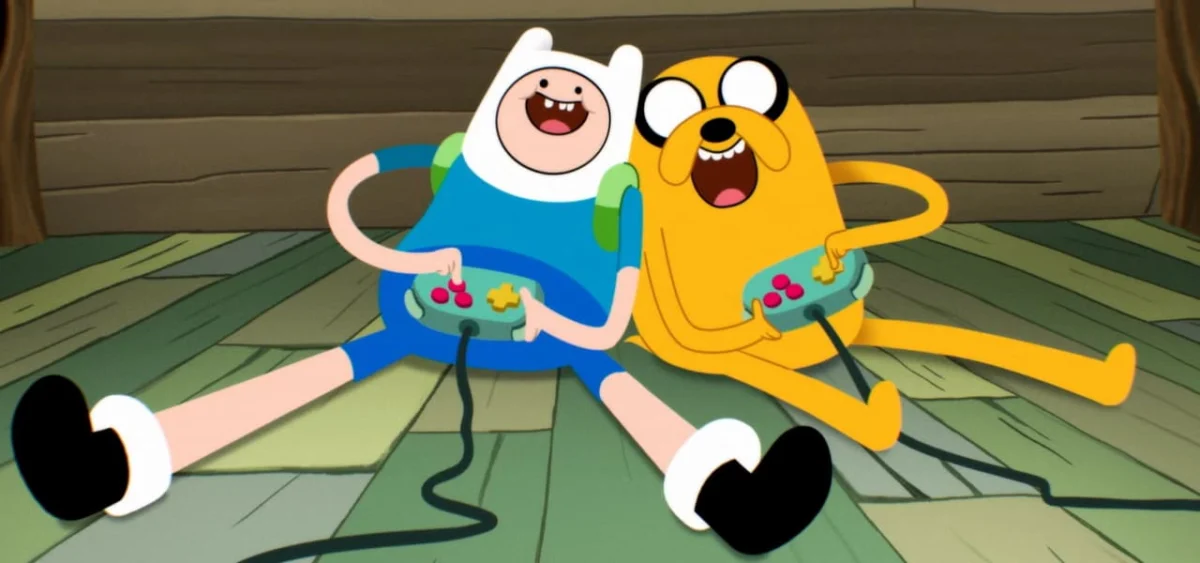
This new series takes a bold, nostalgic, yet experimental leap backward, re-centering the narrative on a younger, more reckless Finn the Human and his inseparable brother, Jake the Dog. By stripping away the heavy serialized lore of the later seasons, Side Quests attempts to recapture the chaotic, "anything goes" spirit of the show’s early days.
A Return to Origins: The Creative Vision
At the helm of this latest chapter is executive producer and showrunner Nate Cash, an industry veteran whose work as a storyboard artist on the original Adventure Time (and later as a director on Over the Garden Wall) provides him with the perfect pedigree to revisit Ooo. He is joined by art director Nick Cross and supervising director Victor Courtright, forming a creative triumvirate tasked with balancing the show’s legacy with a modern aesthetic.
"It was really exciting to come up with the idea of returning Finn to a kid voice, and everything snowballed from that," Cash explained in an interview with Cartoon Brew. "Finn when he was younger, brash and kind of dumb, that’s fun and ripe for comedy. And then the relationship he has with Jake is so fun. For me, it was really cool to return to the unexpectedness of the early episodes where everything felt like it was just for that moment."
The show’s premise is deceptively simple: episodic, standalone adventures that favor character chemistry and surreal humor over long-form narrative arcs. This return to basics is intended to mirror the show’s early discovery phase.
Chronology: From 2018 to the Present
To understand the significance of Side Quests, one must look at the timeline of the Adventure Time universe:
- September 3, 2018: The original series finale, "Come Along With Me," airs, marking the end of the 283-episode run.
- 2020–2021: Adventure Time: Distant Lands introduces four hour-long specials that expand the scope of the universe, focusing on BMO, Obsidian, Together Again, and Wizard City.
- 2023: Adventure Time: Fionna and Cake premieres, offering a more mature, multiverse-spanning take on the franchise.
- June 2026: Adventure Time: Side Quests debuts, acting as a prequel that functions as a tonal reset, focusing on the early, simpler days of Finn and Jake.
- Future Outlook: Development continues on Adventure Time: Bubblegum and Marceline, ensuring that the franchise remains a pillar of Warner Bros. Discovery’s animation strategy.
Crafting the "Painterly" Look: Technical Innovation
One of the most significant challenges in producing Side Quests was navigating the evolution of animation technology. While the show retains the iconic character designs that fans recognize, the production team sought to elevate the visual presentation.
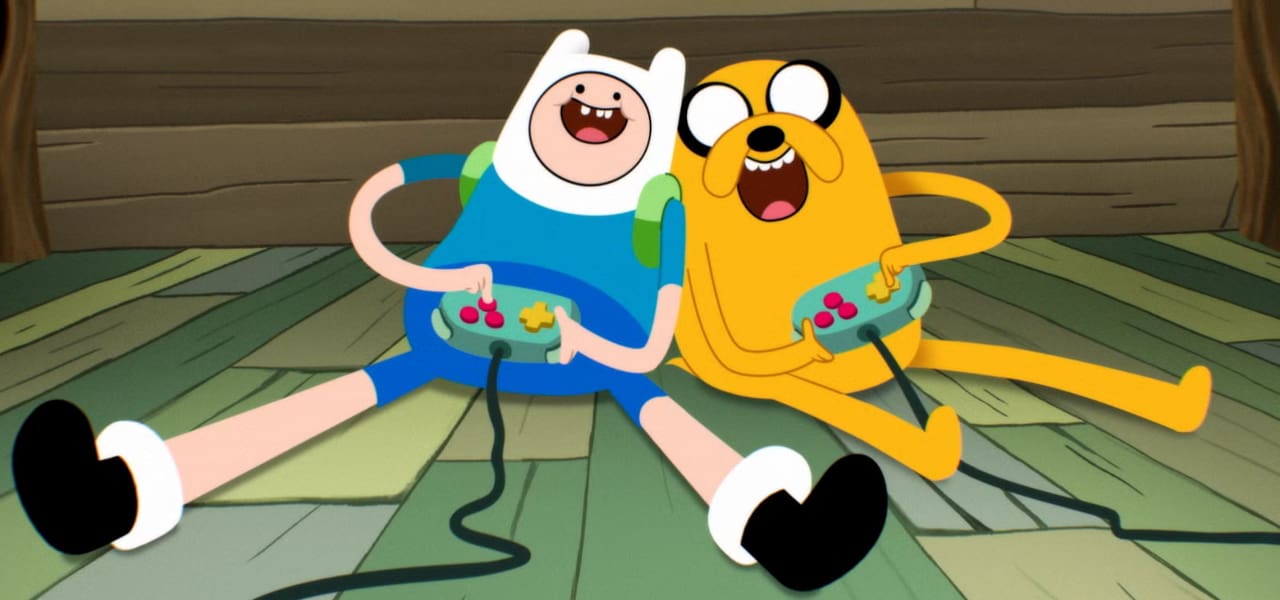
Art director Nick Cross notes that the team’s goal was to introduce a more "volumetric and painterly" quality to the background art. "We wanted it to be Adventure Time, the original look of the show, so we didn’t change the character designs or the background design," Cross said. "But how we rendered it was different. It’s a little bit like putting a different coat of paint on the original show."
This process was far from simple. Painterly aesthetics are notoriously difficult to maintain within the strict turnaround schedules of a television series. According to Cross, the production relied heavily on a team of veterans from the original series who understood the visual language of Ooo. By keeping the design team tight and experienced, the production was able to maintain a high level of quality while experimenting with depth and lighting that the original series never attempted.
The "Joey Waffles" Experiment: Artistic Autonomy
The series is defined by its experimental spirit, particularly in its willingness to let individual artists take control of entire episodes. Cash highlighted one particular episode, fully animated in-house by a two-person team, as a testament to the power of traditional, localized animation.
"It’s just showing that you can still do hand-drawn animation locally, which is something the industry forgets about," Cash noted. This autonomy is a hallmark of the Adventure Time brand—a willingness to deviate from standardized production pipelines to let the artist’s voice shine through.
This philosophy is best exemplified in the episode "Joey Waffles." When the creative team found themselves unable to fit a crucial song into the tight runtime, they opted to move it to the end credits. This "happy accident" allowed the team to create a unique sequence featuring crayon-drawn visuals and an original song sung by the Ice King (voiced by the legendary Tom Kenny).
Official Responses and Production Insights
Supervising director Victor Courtright provided deeper insight into the creation of the "Joey Waffles" credit sequence. The team wanted to capture the "childish brain space" of the character, leading them to reject digital art tools in favor of literal wax crayons on paper.
"The idea to do it with crayon is the obvious answer because the singer in question is in this very childish brain space and singing this very, very dumb song," Courtright explained. To give the drawings life, he utilized a unique, tactile technique: "I literally made little paper cutouts and puppeted them around in front of the camera and used that like motion capture to get that natural organic quality of the motion. Joey Waffles walking around looks like he’s on a popsicle stick because he literally was motion-captured from a popsicle stick."
.png)
This marriage of low-fi, physical techniques with high-end digital compositing represents the core mission of Side Quests: honoring the past while finding new ways to express the show’s inherent weirdness.
Implications for the Industry
The success of Adventure Time: Side Quests carries significant implications for the animation industry. Firstly, it proves that legacy franchises can be successfully "re-skinned" or revisited through a prequel lens without needing to reboot or erase established continuity. By focusing on standalone "side quests," the show provides a low barrier to entry for new viewers while rewarding long-time fans with deeper character moments.
Furthermore, the show’s emphasis on varied animation techniques—from hand-drawn local production to physical stop-motion puppetry—challenges the industry’s increasing reliance on homogenized, automated workflows. It asserts that "variety of interests" is not a bug, but a feature. As Courtright noted, the show draws from a pool of artists who are fans of the original work, leading to a natural diversity of tones and visual styles.
"There’s every kind of fan on this show," Courtright said. "All the amazing artists, writers, board artists, and animators bring something different, and you get that variety. It just naturally comes out."
Conclusion
Adventure Time: Side Quests is more than just a nostalgic victory lap; it is a creative experiment that honors the DNA of its predecessor while carving out its own identity. By returning to the early days of Finn and Jake, and by embracing the "dumb, brash" energy that defined the original series, Nate Cash and his team have reminded audiences why Ooo remains one of the most compelling worlds in animation. Whether through a crayon-drawn end credit sequence or an episode animated by a pair of dedicated artists, the show continues to push the boundaries of what a television series can be, proving that even after a decade, the adventures in the Land of Ooo are far from over.