Reynand Wu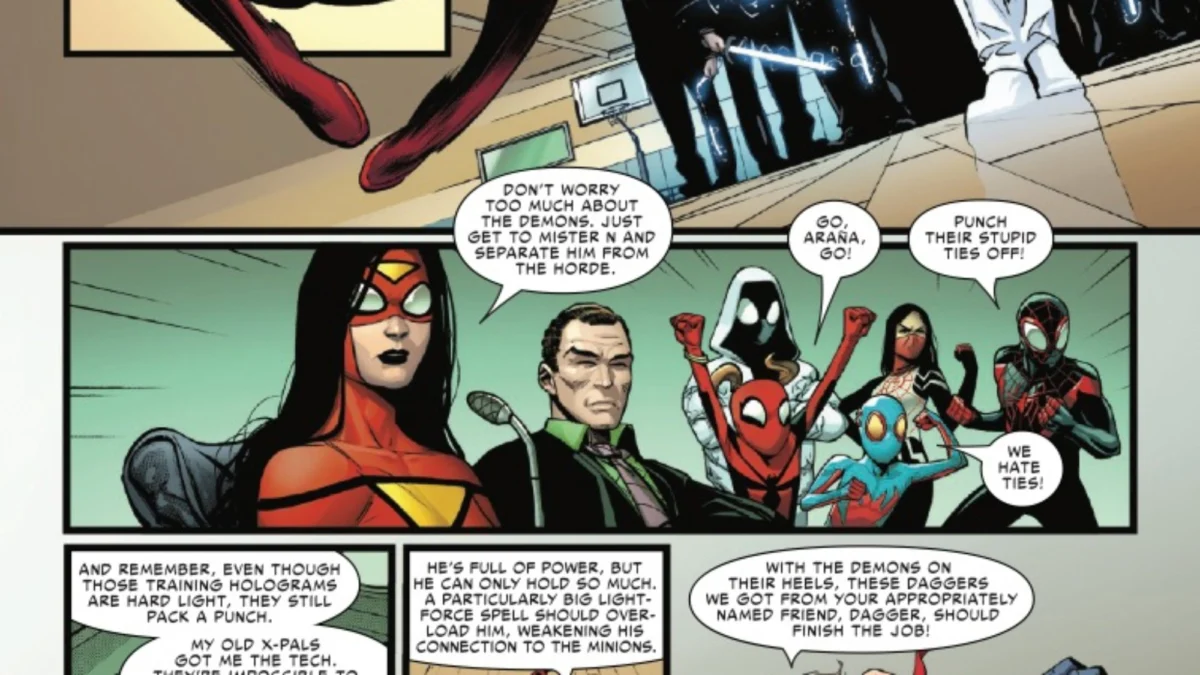
The landscape of superhero mentorship is undergoing a volatile transformation as Amazing Spider-Man: Spider-Versity #3 hits comic book shelves this Wednesday, June 24, 2026. This latest installment of the series, helmed by the creative team of Jordan Morris, Joe Kelly, and artist Pere Perez, marks a critical turning point in a narrative arc that has been testing the boundaries of both student safety and ethical leadership. With the introduction of one of the Marvel Universe’s most unstable antagonists, Carnage, the educational experiment spearheaded by Norman Osborn and Jessica Drew is facing its most lethal threat to date.
The Core Conflict: A Lesson in Survival
At its heart, Spider-Versity has been a study in the uneasy alliance between former villain Norman Osborn—currently navigating a complex path of redemption—and the seasoned Spider-Woman, Jessica Drew. Their mission: to train the next generation of web-slinging heroes. However, the curriculum has consistently blurred the lines between rigorous training and outright danger.
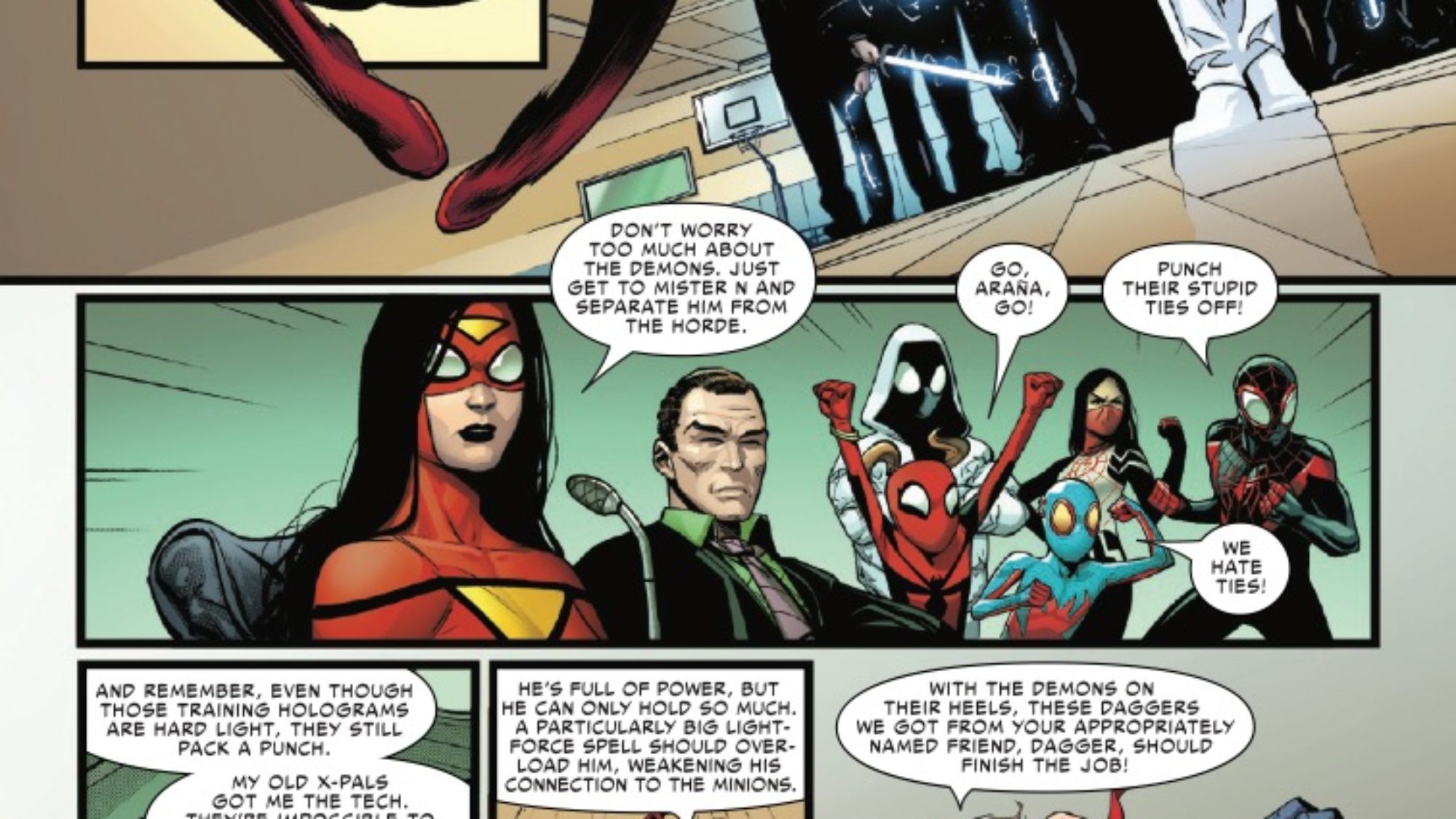
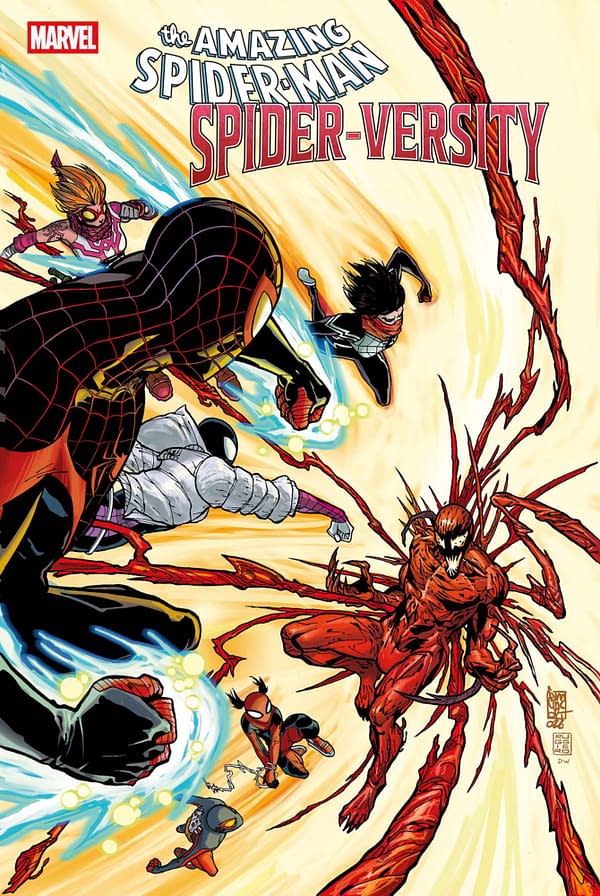
In the upcoming third issue, the narrative shifts from the high-stakes, magical skirmishes seen in previous weeks to a more visceral, existential threat. The synopsis provided by Marvel confirms that Carnage, fresh off the conclusion of the "Death Spiral" event, has targeted the students of the Spider-School. This is not merely a cameo appearance; the arrival of the symbiote-bonded serial killer represents a fundamental breach in the school’s security and a failure of the protective measures Osborn and Drew had ostensibly put in place.
Chronology of the Spider-Versity Crisis
The development of this crisis can be traced through the preceding issues, where the foundations of the school were tested by both external magical entities and internal philosophical friction.
- Phase One: Establishing the Curriculum: In the series premiere, readers were introduced to the unconventional partnership between Osborn and Drew. The school was positioned as a response to the growing number of young individuals across the multiverse manifesting spider-powers, necessitating a centralized hub for guidance and control.
- Phase Two: The Baptism by Fire: As seen in issue #2, the "real-world" training approach—which involved active combat against supernatural mafia elements—began to take its toll. Observations of the students, including Ana Corazon, suggested that while their physical capabilities were increasing, the psychological toll of fighting demons under the watch of a former archenemy was mounting.
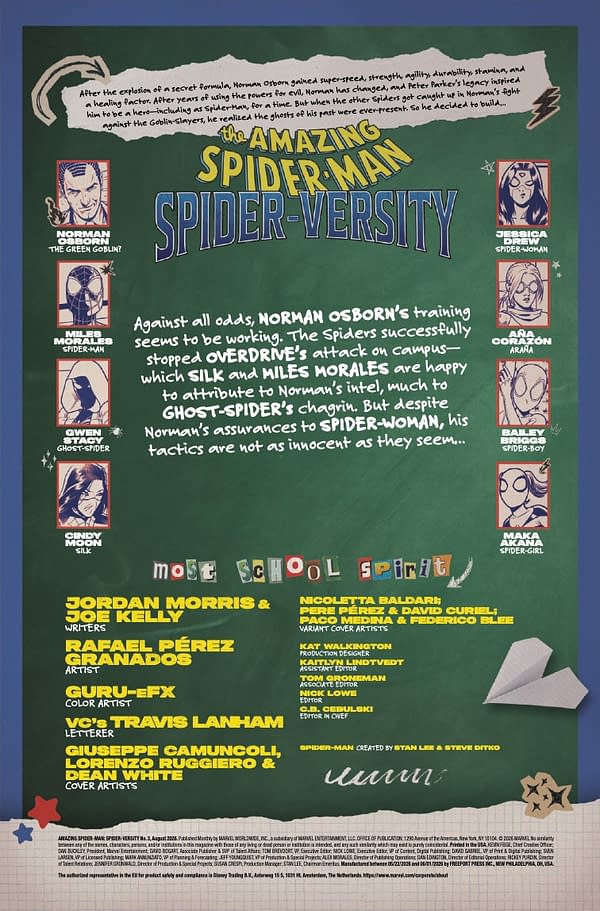
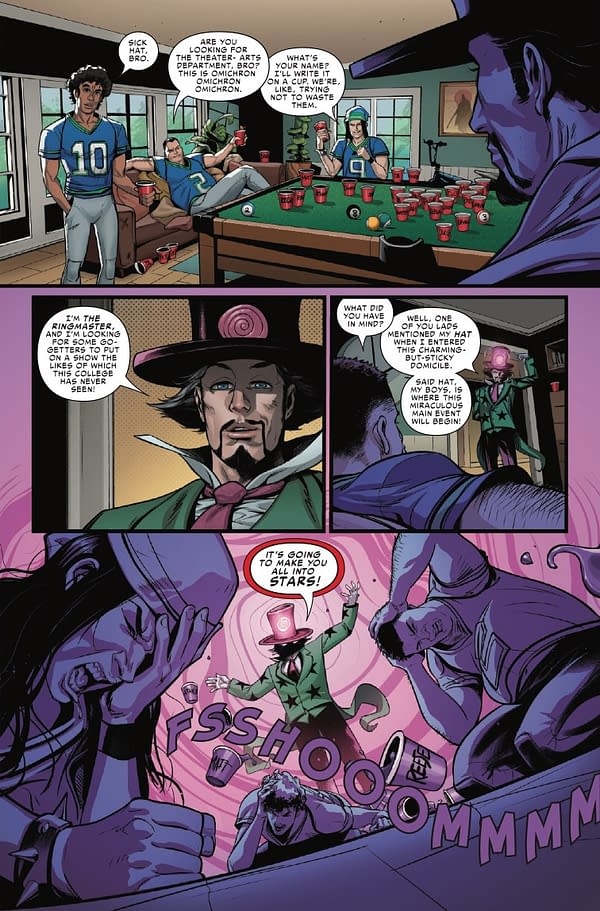
- Phase Three: The Ringmaster’s Influence: The preview pages for issue #3 highlight a secondary, perhaps more subtle, threat: the Ringmaster. His presence, combined with the impending arrival of Carnage, suggests a multi-front assault that threatens to dismantle the school entirely.
- Phase Four: The Carnage Incursion: The current issue represents the climax of this escalation. The arrival of Carnage serves as the "final exam" that neither mentor prepared for, forcing the students to transition from training to total war.
Supporting Data and Creative Context
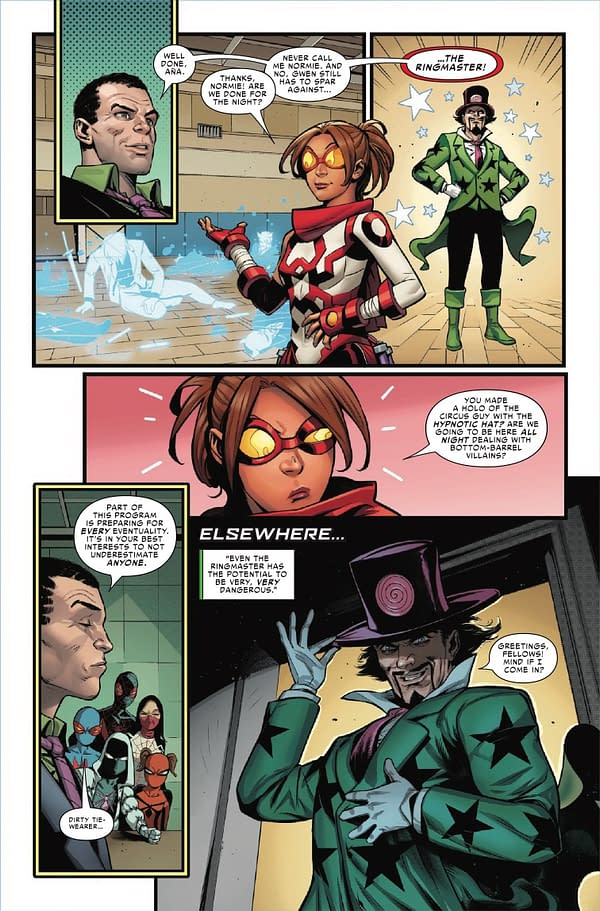
The technical specifications for Amazing Spider-Man: Spider-Versity #3 reveal a book that is leaning heavily into its high-action, high-stakes identity. Published by Marvel, the standard issue spans 32 pages, suggesting a dense narrative packed with the transition from the "Death Spiral" fallout to the immediate threat of the symbiote.
The artistic direction, led by Pere Perez, appears to focus on the stark contrast between the sterile, academic setting of the Spider-School and the chaotic, visceral nature of Carnage’s arrival. Giuseppe Camuncoli’s cover art underscores this tension, capturing the foreboding atmosphere that readers should expect throughout the issue.
Variant Cover Breakdown
Collector interest is likely to be high, given the multiple variant covers available for this issue, reflecting the significance of this arc within the broader Spider-Man publishing history:
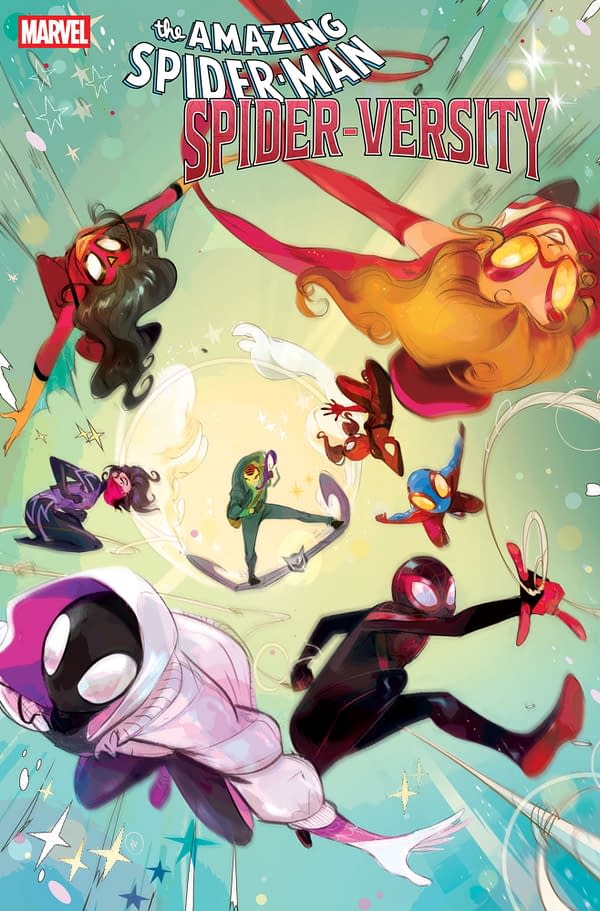
- Nicoletta Baldari Variant: Offers a stylistic contrast to the main cover, likely focusing on the youthful exuberance of the students before the carnage ensues.
- Pere Perez Variant: Provides an internal look at the artist’s vision for the characters, emphasizing the action-oriented nature of the issue.
- Paco Medina Variant: A staple for collectors, highlighting the high-energy aesthetic consistent with modern Marvel house style.
The Mentor Dilemma: Osborn and Drew
The central tension of the book remains the reliability of Norman Osborn. For decades, Osborn has been defined by his role as the Green Goblin—a master manipulator who viewed power through the lens of control. His transition into a mentor figure is, by definition, suspect to both the reader and the characters within the Marvel Universe.
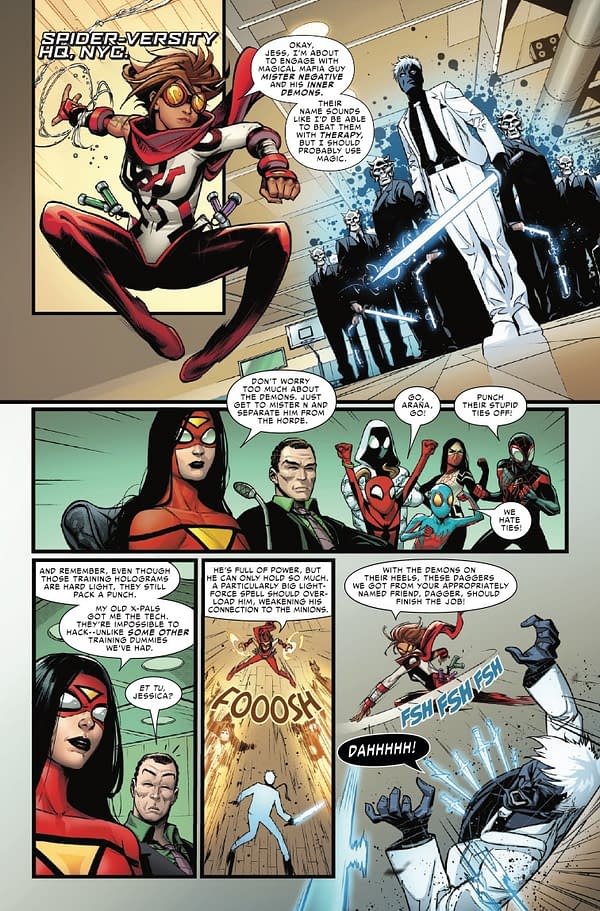
Jessica Drew’s presence acts as a check and balance, yet even she seems to be struggling with the methodology being employed. The decision to pit students against high-level threats like mafia-backed demons has been a point of contention. Critics within the story have argued that this is not education, but the creation of "child soldiers." With Carnage entering the fray, the argument for keeping the school open becomes increasingly difficult to defend. If the mentors cannot guarantee the safety of their students against the very threats they are training them to face, the entire mission of the Spider-Versity is effectively void.
Societal and Narrative Implications
The arrival of a character as destructive as Carnage in an educational setting forces a reflection on the nature of heroism in the modern Marvel landscape. We are seeing a move away from the "mentor-mentee" dynamic of the past—where the teacher protects the student at all costs—toward a more Darwinian model of superheroism.
The Trauma of Training
The probability of long-term psychological scarring for these characters is statistically high. By forcing children to engage with the horrors of the "Death Spiral" and the chaos of the Ringmaster’s hypnosis, the creative team is highlighting the darker side of the "hero factory" trope. This is not just a comic about superpowers; it is a critique of the environments we build to foster them.
Future Outlook
The "deadliest book in Spider-History" tagline is a bold claim, but one that is supported by the trajectory of the plot. If the students survive this encounter, it will likely be at the cost of their innocence. If they do not, it signals a massive shift in the status quo of the Spider-family, potentially leading to the permanent closure of the school and a reckoning for Osborn.
Conclusion: A Turning Point for the Spider-Verse
Amazing Spider-Man: Spider-Versity #3 stands as a definitive moment for the series. It combines the legacy of Marvel’s most iconic villains with the vulnerability of a new generation, creating a pressure cooker of narrative potential. Whether this leads to a total collapse of the school or a forced maturation of the students, the fallout from this Wednesday’s release will be felt for months to come.
For readers, this issue represents a "must-read" event. The intersection of the "Death Spiral" aftermath and the introduction of Carnage into a controlled environment provides a level of stakes rarely seen in secondary titles. As the students prepare for what might be their final exam, the readers are reminded that in the Marvel Universe, even the best-laid educational plans are susceptible to the chaotic, violent nature of the world outside the classroom.
The school is in session, the lesson is survival, and the teacher is the most dangerous man in the city. Attendance is mandatory, but survival is far from guaranteed. Ensure your local comic shop has your copy reserved, as the events unfolding on June 24th are poised to redefine what it means to be a hero in training.

 Sagoh
Sagoh
 Ammar Sabilarrohman