Asep Darmawan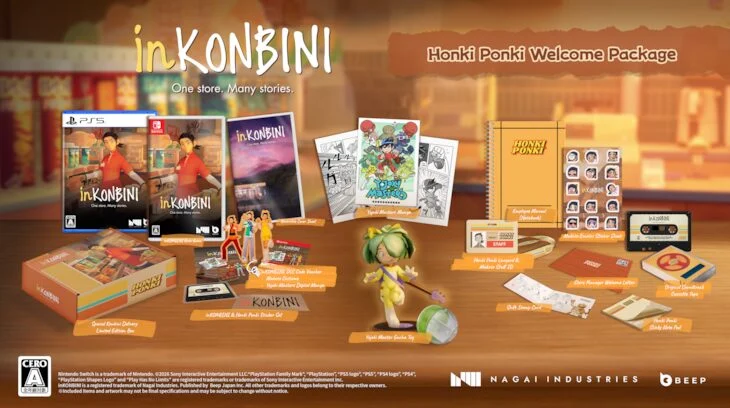
For those who find tranquility in the mundane, inKONBINI: One Store. Many Stories. has emerged as a standout title in the indie landscape. By distilling the essence of the Japanese corner store—the "konbini"—into a meditative interactive experience, the game captures the intersection of consumerism, community, and quiet human connection. Today, fans of the title have reason to celebrate, as the game makes the leap from digital storefronts to physical media, offering a collection of tangible goods that mirror the cozy, tactile nature of the game itself.
Main Facts: A Physical Milestone for a Digital Gem
inKONBINI is, at its core, a simulator of life behind the counter. Players assume the role of a store clerk in a small Japanese town, balancing the meticulous tasks of inventory management, shelf stocking, and point-of-sale transactions with the more nuanced work of engaging with the local community. It is a game defined by its deliberate pace; there are no ticking clocks or high-stakes action sequences here. Instead, players are invited to observe the ebb and flow of neighborhood life, solving minor problems through post-it note side quests and navigating branching dialogue trees that reveal the personal histories of the town’s inhabitants.
The announcement of the physical edition marks a significant milestone for the developer. Available now for Nintendo Switch and PlayStation 5 (the latter notably listed for the next-generation console generation), the physical release is currently shipping in Japan and Asia. Western markets in the United States and Europe can anticipate their retail arrival this coming September.
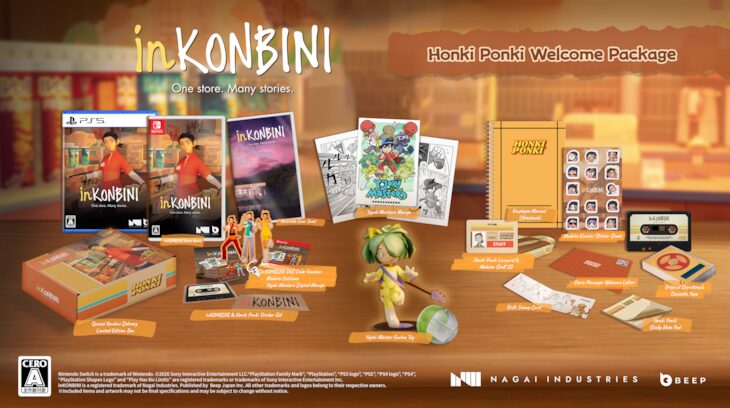
Beyond the game disc or cartridge, the release is heavily focused on the collector’s market. Through the Beep Store, early adopters within the first week of the launch window are eligible to receive an exclusive Yojoki Masters Trading Card Set. The physical release comes in two distinct tiers: a Standard Edition and a comprehensive Limited Edition, each designed to ground the digital experience in physical nostalgia.
Chronology: From Concept to Shelf
The journey of inKONBINI began with a vision of "slow gaming." In an industry saturated with titles demanding constant player reflex and high-octane excitement, inKONBINI opted for the rhythm of a retail shift.
Following its initial digital rollout, the game received critical praise for its atmospheric storytelling. Critics often noted the "deliberate" nature of the gameplay, echoing the sentiment: "Nothing feels rushed in inKONBINI: One Store. Many Stories. Instead, it feels deliberate and like taking on the role of working in a small town in a known shop." This reception provided the foundation for the developer to partner with publishers for a physical launch.
The development timeline moved from digital proof-of-concept to global distribution, navigating the complex logistics of international manufacturing. The decision to include physical soundtracks—specifically in cassette format—and intricate paper goods suggests a long-term strategy of appealing to the "cozy game" demographic, which often places a high premium on physical media and collectible ephemera. The staggered release schedule, starting with Asia and moving to the West in September, reflects the logistical realities of modern game distribution.
Supporting Data: Dissecting the Editions
The physical release of inKONBINI is an exercise in fan service, particularly for those who appreciate the Japanese aesthetic of "kawaii" stationary and curated kits. The contents of these editions highlight the attention to detail that the developers have poured into the brand.
The Standard Edition
The Standard Edition serves as the entry point, yet it is far from bare-bones. It includes:
- The base game for the selected platform (Switch or PS5).
- A "Honki Ponki" sticker set, capturing the playful aesthetic of the game’s branding.
- Two essential DLC codes: one for an exclusive Makoto costume and another for the Yojoki Master Digital Manga.
The Limited Edition
The Limited Edition is a massive expansion, transforming the product into a "Store Manager’s Kit." This edition includes everything from the standard version, plus:
- Stationary & Office Supplies: A "Welcome Letter" for the Store Manager, a "Honki Ponki" ID Lanyard, and a replica of Makoto’s Employee ID.
- Documentation: A dedicated notebook and a memo pad specifically styled after the in-game post-it notes, allowing players to replicate the side-quest system in real life.
- Logistics: A shift-schedule stamp card, adding to the immersion of the "work-life" roleplay.
- Media & Keepsakes: A physical soundtrack on a vintage cassette tape, the full Yojoki Masters Manga, a Gacha toy, and an additional, unique sticker sheet.
- Packaging: All of these components are housed within a premium collector’s box.
Official Responses and Developer Philosophy
While the development team has remained focused on the post-launch support and physical logistics, the reception of the game has consistently centered on its emotional resonance. In discussions surrounding the game’s design, the developers have emphasized that inKONBINI was never intended to be a traditional "management sim." Instead, it is a narrative vehicle.
By allowing the player to engage with the "little stories" of the neighborhood, the developer has successfully carved out a niche where the act of stocking a shelf becomes a moment of meditation rather than a chore. The decision to include a cassette tape—a medium that requires the user to pause, rewind, and interact with the physical device—is a thematic extension of the game’s core philosophy: that we should slow down and appreciate the tangible details of our environment.
Industry analysts observe that this physical release serves as a "thank you" to the community. By offering high-quality physical goods, the team is validating the player’s time spent in the game. It transforms the digital play session into a permanent fixture on a collector’s shelf, signaling that the stories told within the konbini are worth preserving.
Implications: The Future of "Cozy" Physical Media
The release of inKONBINI’s physical edition has broader implications for the indie game market. As digital-only releases become the industry standard to cut costs, the return to physical media—specifically "collector-first" physical media—is becoming a vital revenue stream and marketing tool for independent studios.
The "Cozy" Aesthetic as a Commodity
inKONBINI is part of a growing movement of "cozy" games that emphasize low-stress, high-immersion environments. The physical goods associated with this game—the lanyards, the stamps, the cassette tapes—are not merely clutter; they are props that allow the player to extend the game’s world into their own living space. This trend suggests that players are increasingly looking for games that offer a tangible, tactile connection to the virtual worlds they inhabit.
Preservation and Longevity
By printing physical editions, the developers are also engaging in a form of cultural preservation. Digital storefronts are subject to licensing agreements and eventual server shutdowns. A physical copy, accompanied by a physical soundtrack and manga, ensures that the world of inKONBINI remains accessible regardless of the status of the digital ecosystem.
Market Strategy
The strategy of using the Beep Store to offer exclusive trading cards creates a sense of urgency, driving initial sales and rewarding the most dedicated fans. This model of "limited-run" physical releases is a proven way for indie developers to gauge community interest and build a loyal, long-term fanbase.
Conclusion: A Shop Worth Visiting
inKONBINI is more than just a store simulator; it is a testament to the power of small-scale, character-driven storytelling. Its transition to physical media is a thoughtful evolution, providing players with the physical artifacts of a virtual experience that many have found deeply comforting. Whether you are a fan of Japanese culture, a collector of unique game editions, or simply someone looking for a slower, more deliberate way to play, the physical release of inKONBINI offers a rare opportunity to own a piece of a truly special neighborhood. As the North American and European editions approach in September, it is clear that the shop doors are open, and there is a stool waiting for anyone who wants to take a moment to breathe and listen to the stories that inhabit the aisles.

 Sagoh
Sagoh