Reynand Wu
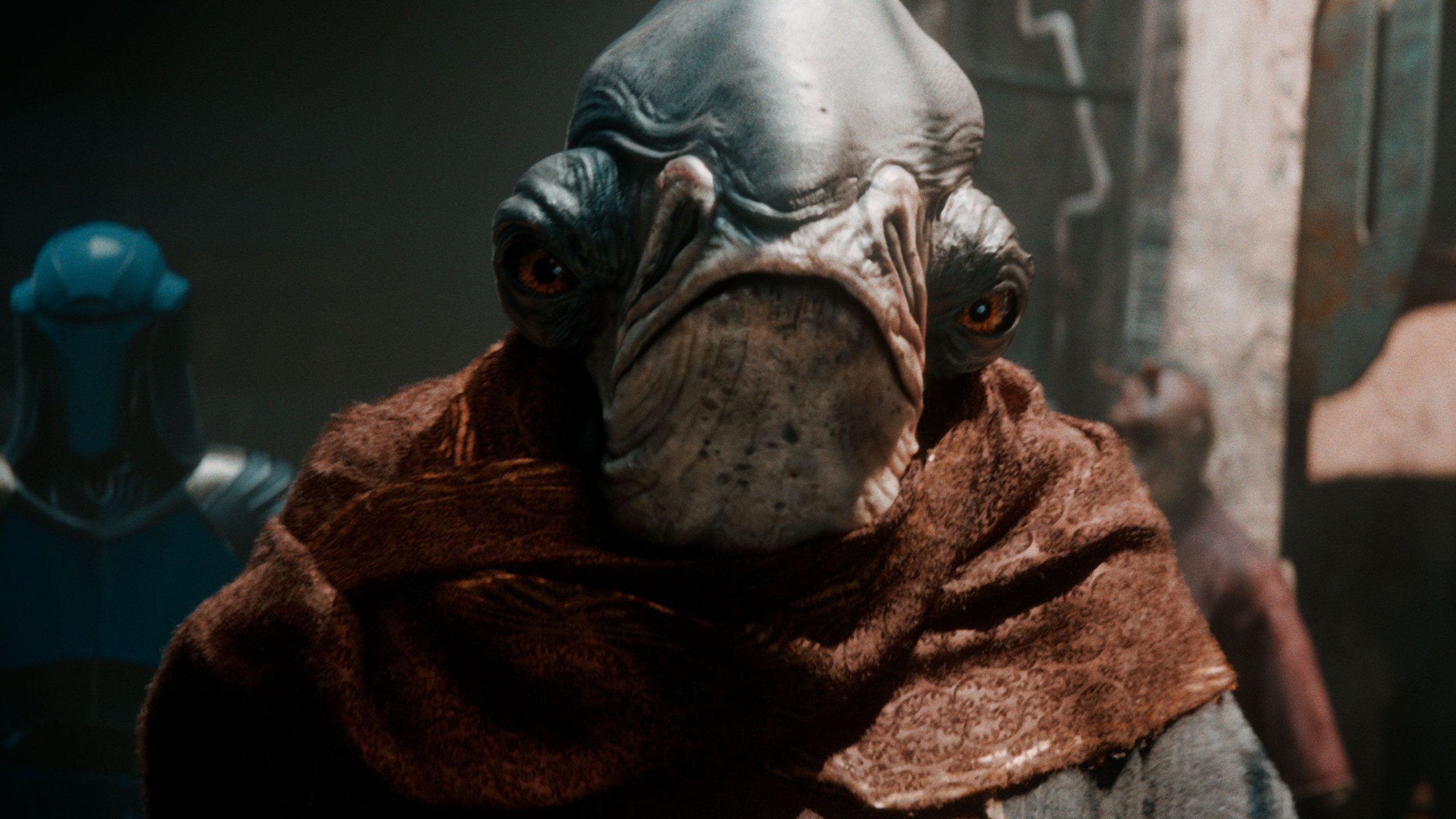
For many fans of the Star Wars franchise, the 2021 reveal of Star Wars: Eclipse felt like a dream come true. A high-fidelity cinematic trailer, helmed by the narrative-driven experts at Quantic Dream, promised a bold, ambitious entry into the High Republic era. Yet, three years later, the project has largely vanished into the ether, punctuated only by brief, vague reassurances from leadership.
Behind the scenes, however, the silence is far from peaceful. A brewing labor dispute at Quantic Dream has shed light on a troubled development cycle, internal management friction, and the looming influence of the studio’s parent company, NetEase. As employees launch a series of protests dubbed the "Summer Strike Fest," the future of one of the most anticipated Star Wars games in history hangs in the balance.
The Chronology of a Stalled Epic
The journey of Star Wars: Eclipse has been marked by more questions than answers since its inception.
- December 2021: Quantic Dream debuts the Star Wars: Eclipse trailer at The Game Awards. The reaction is rapturous, though industry analysts quickly note the studio’s lack of experience with action-heavy, open-world gameplay compared to their usual interactive drama titles.
- 2022: NetEase, the Chinese technology giant, officially acquires Quantic Dream. This marks a significant shift in the studio’s corporate structure, placing them under the umbrella of a massive conglomerate known for its aggressive pursuit of live-service titles.
- 2023–2024: Information on Eclipse dries up. The studio shifts focus toward Spellcaster Chronicles, a MOBA-style live-service project that many staff members viewed as a distraction from the core development needs of Eclipse.
- May 2024: Quantic Dream pulls the plug on Spellcaster Chronicles. Shortly after the cancellation, 115 staff members associated with the project are laid off, despite pleas from the broader development team to retain the talent to bolster the struggling Eclipse project.
- Summer 2024: Employees, feeling ignored by management, begin a series of strikes—the "Summer Strike Fest"—to demand better staffing levels and a seat at the table with ownership.
The "Summer Strike Fest": A Cry for Sustainability
The current labor unrest at Quantic Dream is not merely about job security; it is a fundamental challenge to the "crunch" culture that has long defined the video game industry.
When Quantic Dream terminated the Spellcaster Chronicles project, employees were quick to sound the alarm. According to reports from the French outlet Gamekult, staff members argued that the 115 employees earmarked for termination were not redundant, but essential. By reallocating these developers to the Star Wars: Eclipse team, the studio could have addressed critical production bottlenecks.
"It’s far from being an act of sabotage," a developer identified as Jules told Gamekult. "On the contrary, we’re trying to save Star Wars: Eclipse. We could manage to release it with 115 additional people, and that wouldn’t be ‘overstaffed’: it’s what’s needed. We’re understaffed, like in many other companies in the sector, because bosses know very well that passion will lead people to crunch time and that games will eventually be released. But it’s impossible to run a sustainable industry like that."
The protesters are aiming their efforts at a specific target: the management’s perceived lack of transparency. The staff are currently demanding direct negotiations with NetEase, claiming that Quantic Dream’s internal leadership is using the parent company as a scapegoat for difficult decisions.
The NetEase Factor: Corporate Governance in Question
The acquisition of Quantic Dream by NetEase in 2022 was heralded as a way to provide the studio with the resources of a global gaming titan. However, the reality on the ground appears to be a fragmented hierarchy where accountability is difficult to pin down.
Employees have expressed deep frustration with the "passing the buck" culture that has emerged between Paris and NetEase’s headquarters. When staff members raise concerns about budget, staffing, or project direction, they are frequently told that the decision rests with NetEase. Yet, when they request to speak with NetEase representatives to clarify these directives, they are reportedly blocked by Quantic Dream’s management.
This creates an environment where, according to staff, NetEase acts as the "organ grinder" while the local management acts as the "monkey." The irony is not lost on the developers: while leadership continues to sell the narrative that Star Wars: Eclipse is an "ambitious" project that requires immense care, they simultaneously gut the teams required to realize that ambition.
"We’ve explicitly asked for them [NetEase] to be at the negotiating table," said an employee named Théo. "Since we’re often told: ‘Oh no, that decision depends on NetEase, that’s NetEase’s budget…’ Fine, then bring NetEase in!"
Implications for Star Wars: Eclipse
What does this mean for the future of the game? At this stage, the risks are manifold.
1. Development Velocity and Quality
If the studio is indeed as understaffed as the developers claim, the timeline for Star Wars: Eclipse is likely in jeopardy. Developing a massive Star Wars title requires a massive, coordinated team. If the studio continues to shed talent—either through layoffs or voluntary attrition due to low morale—the game risks being caught in "development hell," leading to further delays or a final product that lacks the polish and scope promised in the 2021 trailer.
2. Reputation and Recruitment
Quantic Dream has historically been a high-profile studio, but the combination of public labor disputes and a history of internal toxicity allegations makes it an increasingly difficult place to recruit top-tier talent. As the "Summer Strike Fest" gains traction, the industry is watching closely. If the studio cannot resolve these issues, it may find itself unable to attract the senior engineers and designers necessary to complete a project of this magnitude.
3. The Lucasfilm Stance
Lucasfilm Games, the entity that grants the Star Wars license, is notoriously protective of its intellectual property. When a licensee is embroiled in labor strikes and internal chaos, the relationship between the developer and the IP holder inevitably becomes strained. If these protests continue to escalate, or if the development of Eclipse fails to show meaningful progress, Disney may eventually be forced to intervene—or, in a worst-case scenario, pull the license entirely.
The Road Ahead: A Call to Action
The employees of Quantic Dream are, at their core, passionate about the product they are building. They believe in the vision of Star Wars: Eclipse, but they refuse to sacrifice their professional sustainability to achieve it.
The "Summer Strike Fest" is more than a protest; it is a test of corporate responsibility. As the industry shifts away from the unsustainable "live-service-at-all-costs" model, Quantic Dream finds itself at a crossroads. They can either continue to shield themselves behind corporate obfuscation and ignore the expertise of their own workforce, or they can listen to the developers on the ground and provide the resources required to turn a cinematic promise into a reality.
As Théo put it: "David Cage keeps saying that Star Wars: Eclipse is a particularly ambitious project. So let him give us the means to achieve his ambitions."
For now, the galaxy remains quiet. But for the developers at Quantic Dream, the pressure to deliver while fighting for their own professional future is reaching a boiling point. The fate of Star Wars: Eclipse is no longer just a matter of game design—it is a matter of corporate ethics, labor rights, and the question of whether a studio can survive when its own foundation is in open revolt.


 Asro
Asro
 Muslim