Nila Kartika Wati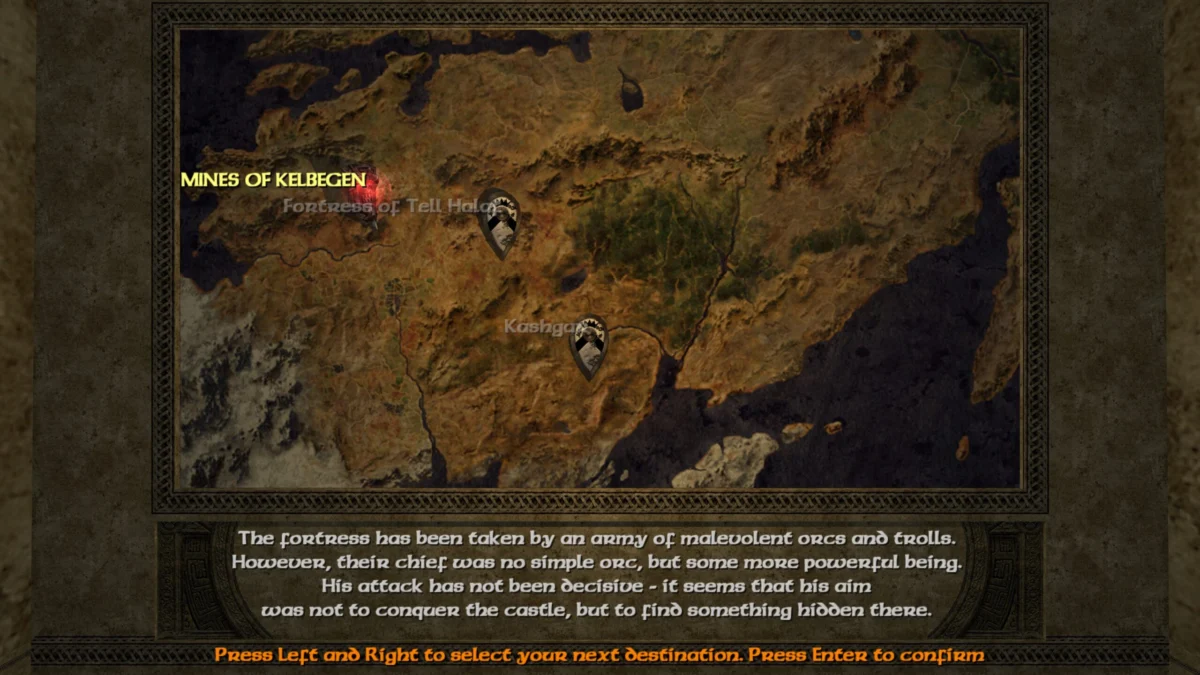
Main Facts: The Return of a Cult Classic
For nearly two decades, Severance: Blade of Darkness—the 2001 hack ‘n’ slash RPG developed by Rebel Act Studios—existed primarily as a ghost story among PC enthusiasts. Renowned for its cutting-edge dynamic lighting and uncompromising, brutal combat, the game was a commercial casualty of its own ambition. After languishing in the legal limbo of abandonware sites, the title has been resurrected.
Publisher SNEG has acquired the rights to this cult classic, re-releasing it on Steam under the simplified title Blade of Darkness. Priced at a modest £7.49, the re-release brings the title to modern PC hardware with essential quality-of-life improvements, including widescreen support and HD resolution scaling. This is not merely a port; it is a long-overdue restoration of a seminal title that effectively laid the groundwork for the "Souls-like" genre years before the term existed.
Chronology: From 2001 to the Modern Era
The history of Blade of Darkness is one of high ambition meeting unfortunate timing. When it first launched in 2001, the gaming industry was in a period of rapid transition. While the game was praised for its visual fidelity—specifically its revolutionary dynamic shadow mapping and lighting engine—it struggled to find a foothold in a market then dominated by faster-paced shooters and more traditional CRPGs.
The Wilderness Years
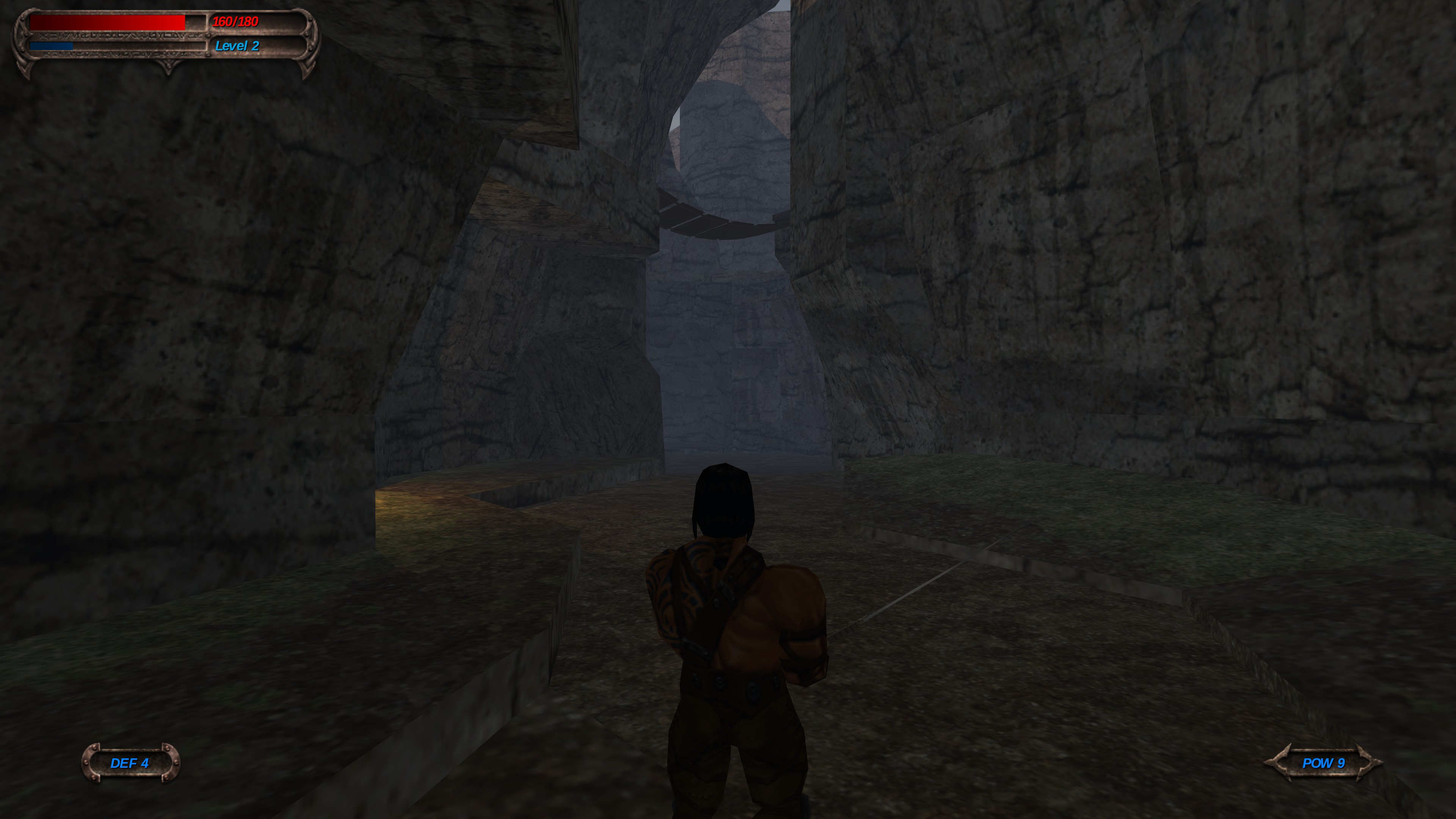
Following its initial lukewarm commercial reception, Rebel Act Studios eventually dissolved. The game’s source code and publishing rights entered a period of fragmentation. For almost twenty years, Blade of Darkness lived on through community-maintained patches and "abandonware" websites, where enthusiasts kept the game playable on increasingly modern Windows environments. These dedicated fan groups preserved the game’s legacy, but it remained inaccessible to the general public.
The SNEG Acquisition
The turning point came when SNEG, a publisher specializing in the restoration of classic PC titles, secured the rights to the IP. Recognizing the enduring cult following and the growing appetite for challenging, melee-focused combat, SNEG began the process of cleaning up the code. By optimizing the game for modern operating systems and ironing out the technical wrinkles that prevented it from running on modern high-resolution monitors, they have successfully reintroduced the title to a new generation of players.
Supporting Data: The Anatomy of the Game
Blade of Darkness is defined by its four distinct protagonists, each representing a different playstyle and narrative entry point.
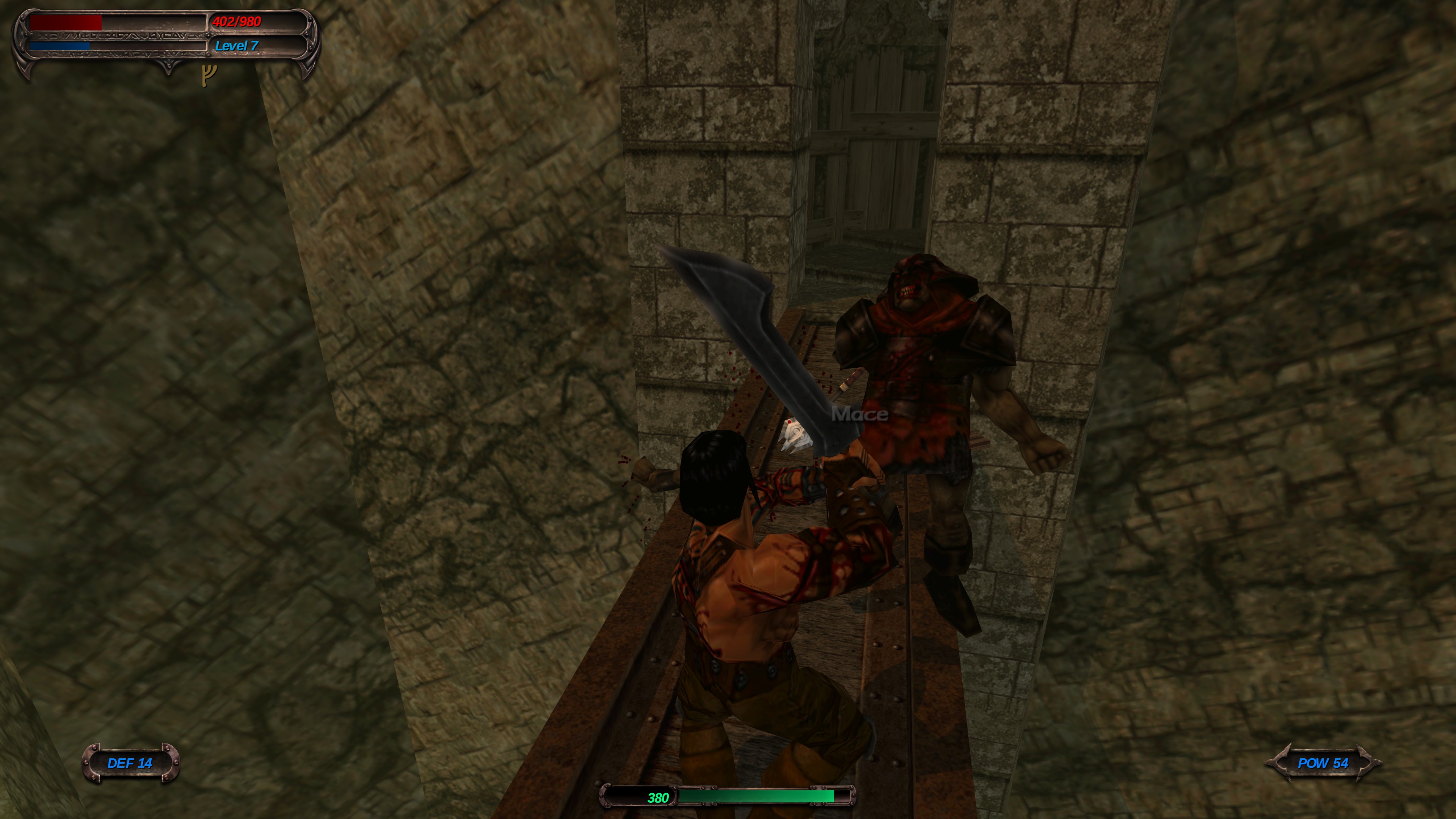
- Sargon the Knight: The balanced choice, specializing in sword-and-shield combat. His journey begins with a desperate escape from a besieged castle.
- Naglfar the Dwarf: Often considered the most challenging, his move-set requires specific tactical approaches.
- Zoe the Amazon: Defined by agility and speed, she excels with polearms and spears, favoring evasion over brute force.
- Turkaram the Barbarian: The spiritual centerpiece of the game, clearly inspired by the works of Robert E. Howard. His story of navigating cursed burial grounds captures the "Conan-esque" high-fantasy aesthetic that defines the game’s atmosphere.
Combat Mechanics and Level Design
The game’s combat system is its most enduring legacy. Players must manage weapon durability—shields and swords break under pressure—and engage in a rhythmic dance of blocking, dodging, and heavy counter-strikes. Unlike many action games of the era that emphasized button-mashing, Blade of Darkness requires deliberate, tactical engagement.
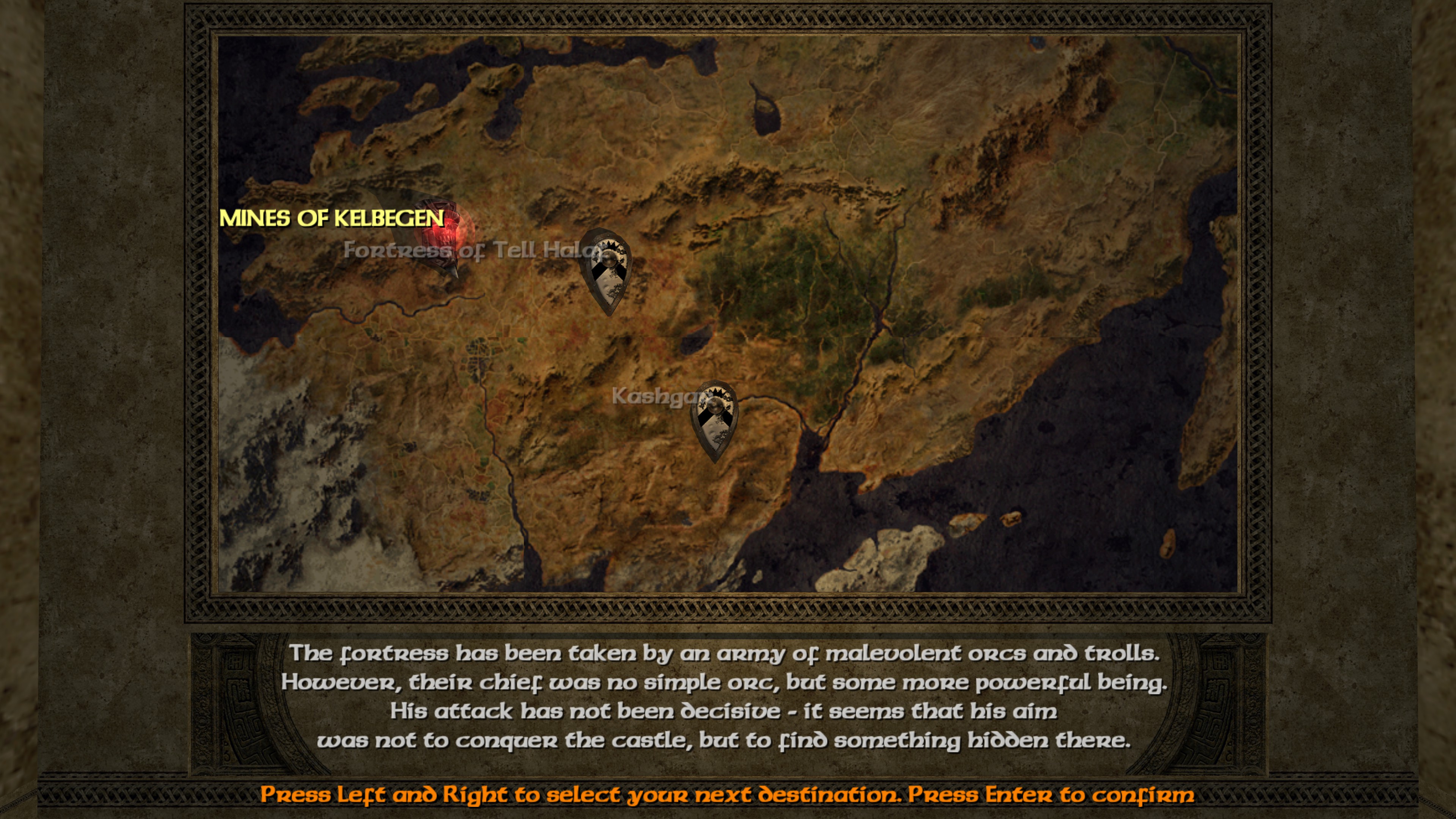
The level design consists of 14 core levels, excluding the introductory stages. These environments are characterized by "minimalist storytelling." The game does not drown the player in exposition; instead, it uses environmental cues, decaying architecture, and sparse dialogue to suggest a world slipping into oblivion. The result is an eerie, oppressive atmosphere where every shadow could hide a lethal threat.
Official Responses and Industry Context
The re-release has been met with a wave of critical appreciation from those who missed the game the first time around. While the platforming elements—specifically jumping puzzles—have been criticized as clunky and dated by modern standards, the core gameplay loop remains remarkably "fresh and propulsive."
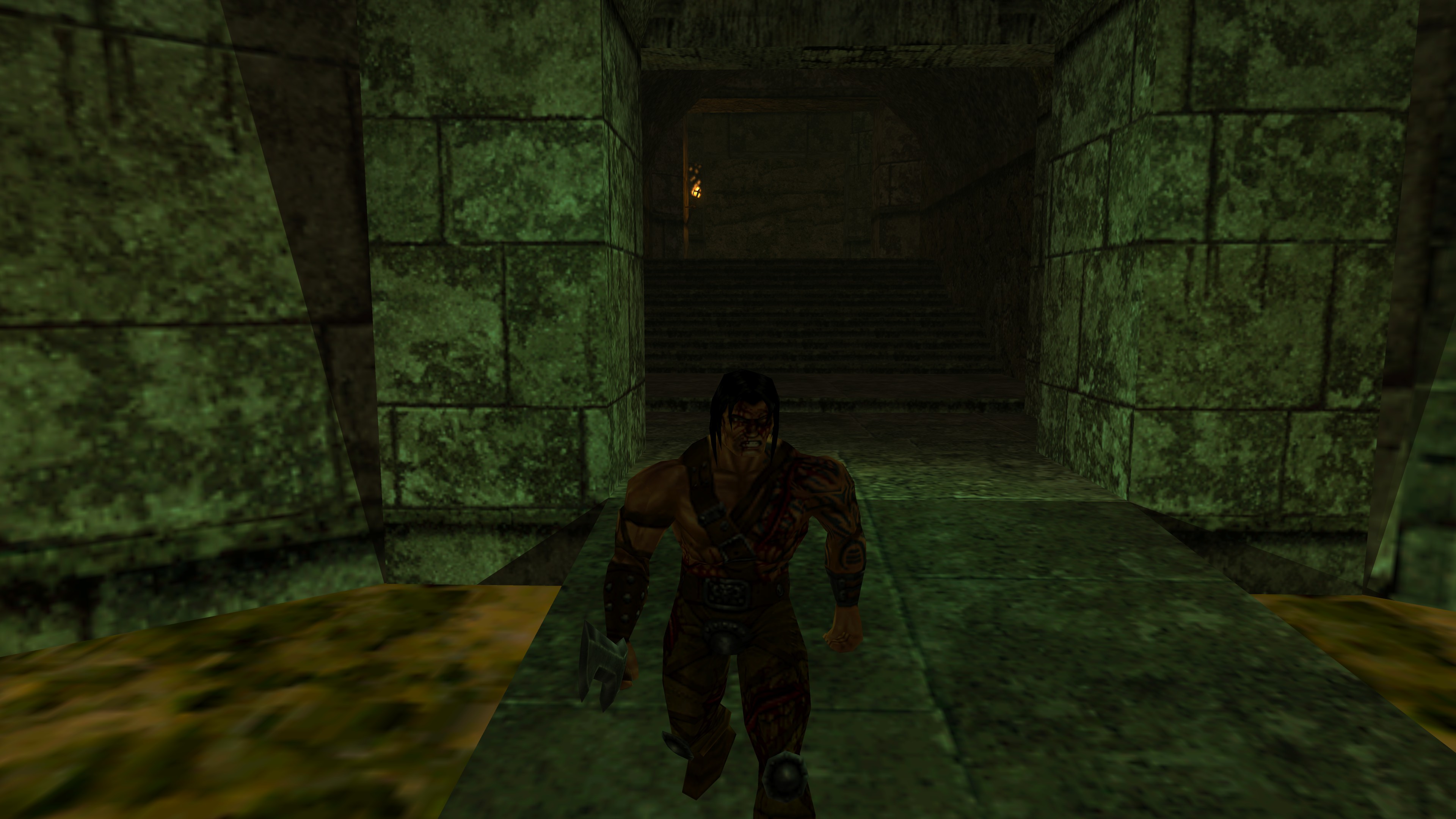
In interviews and press statements surrounding the launch, SNEG highlighted that their primary goal was to preserve the integrity of the original experience. They avoided "remaking" the game in a modern engine, opting instead for a "restoration" approach. This decision has been praised by purists, as it ensures that the original artistic intent—specifically the moody lighting effects that still hold up remarkably well—remains intact.
Implications: The Legacy of a "Souls-like" Precursor
The most significant implication of the Blade of Darkness re-release is the inevitable comparison to the Souls series. While the developers of the Souls games (From Software) have no direct causal link to the design of Blade of Darkness, the parallels are impossible to ignore.
Why It Matters Today
- The "Hardcore" Revival: The gaming landscape has shifted toward a greater appreciation for difficulty. The modern success of Dark Souls, Bloodborne, and Elden Ring has created a massive audience that specifically seeks out the kind of high-stakes, stamina-managed, and punishing combat that Blade of Darkness pioneered.
- Minimalist Narrative: The industry has seen a move away from heavy, cinematic exposition toward "environmental storytelling." Blade of Darkness was doing this two decades ago, proving that players are often more engaged when they are forced to piece together the history of a world through its ruins and artifacts.
- Preservation of Artistry: The re-release serves as a case study for digital preservation. It demonstrates that with the right technical support, games from the early 2000s—an era often considered a "technical awkward age"—can still provide a meaningful experience to modern audiences.
Final Verdict: A Worthy Investment
If you are a fan of challenging action RPGs, Blade of Darkness is essential. It is not a perfect game; its platforming is frustrating, and some of its move-sets are clearly more viable than others. However, the satisfaction derived from successfully parrying an orc’s strike and lopping off its head in a shower of viscous blood is just as visceral today as it was in 2001.
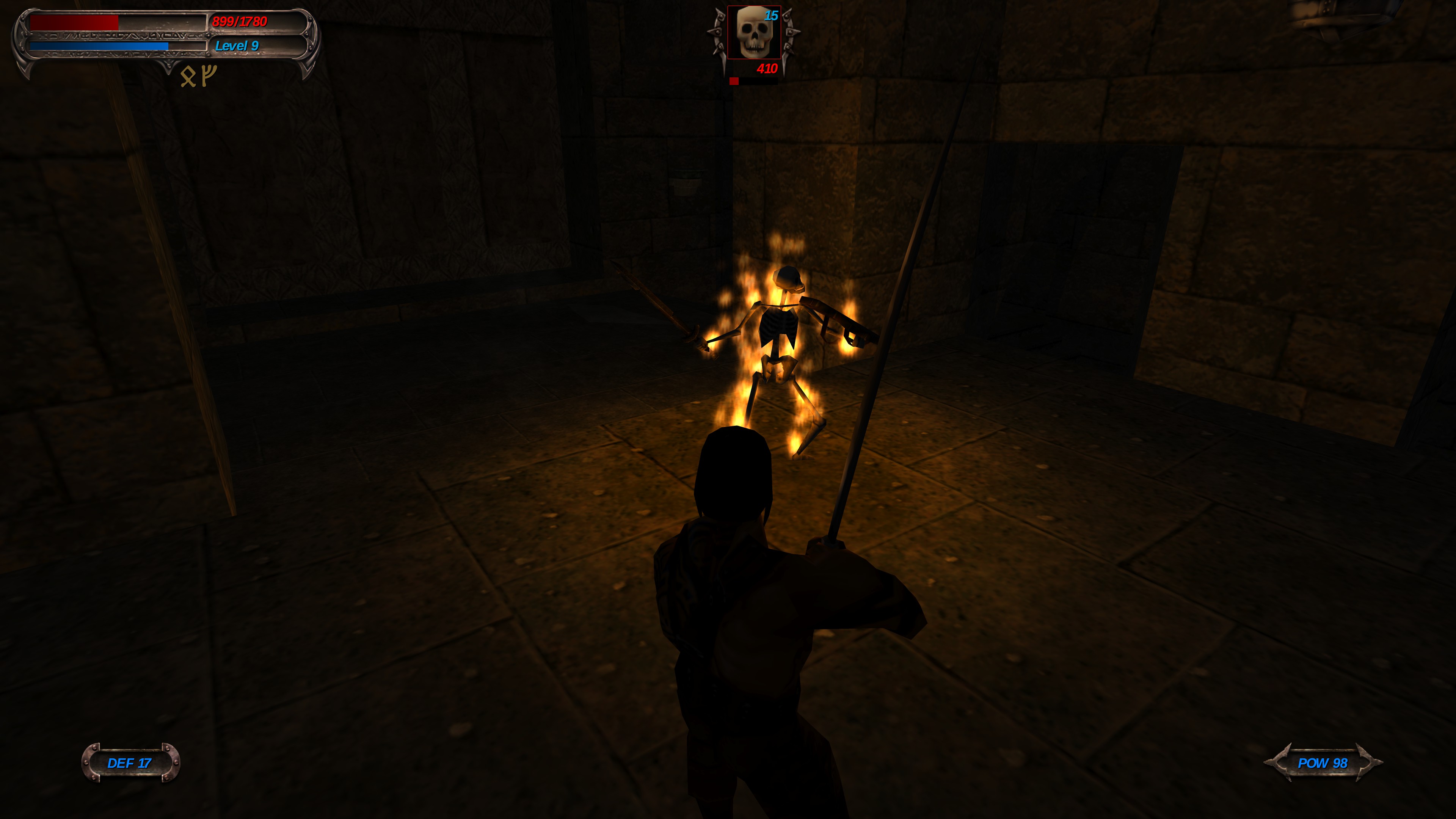
For the price of a sandwich, you are not just buying a piece of software; you are buying a piece of gaming history that feels surprisingly modern. Whether you are curious about the origins of the "Souls-like" feel or you simply want to experience one of the most atmospheric fantasy games ever crafted, Blade of Darkness is a mandatory addition to your library. It serves as a stark reminder that while technology advances, great design—the weight of a blade, the terror of a dark room, and the thrill of a hard-won victory—remains timeless.
Do not let this opportunity pass again. As the game itself suggests, there is a world of darkness waiting to be explored, and you are the only one left to carve a path through it.

 Asep Darmawan
 Iffa Jayyana