Siti Muinah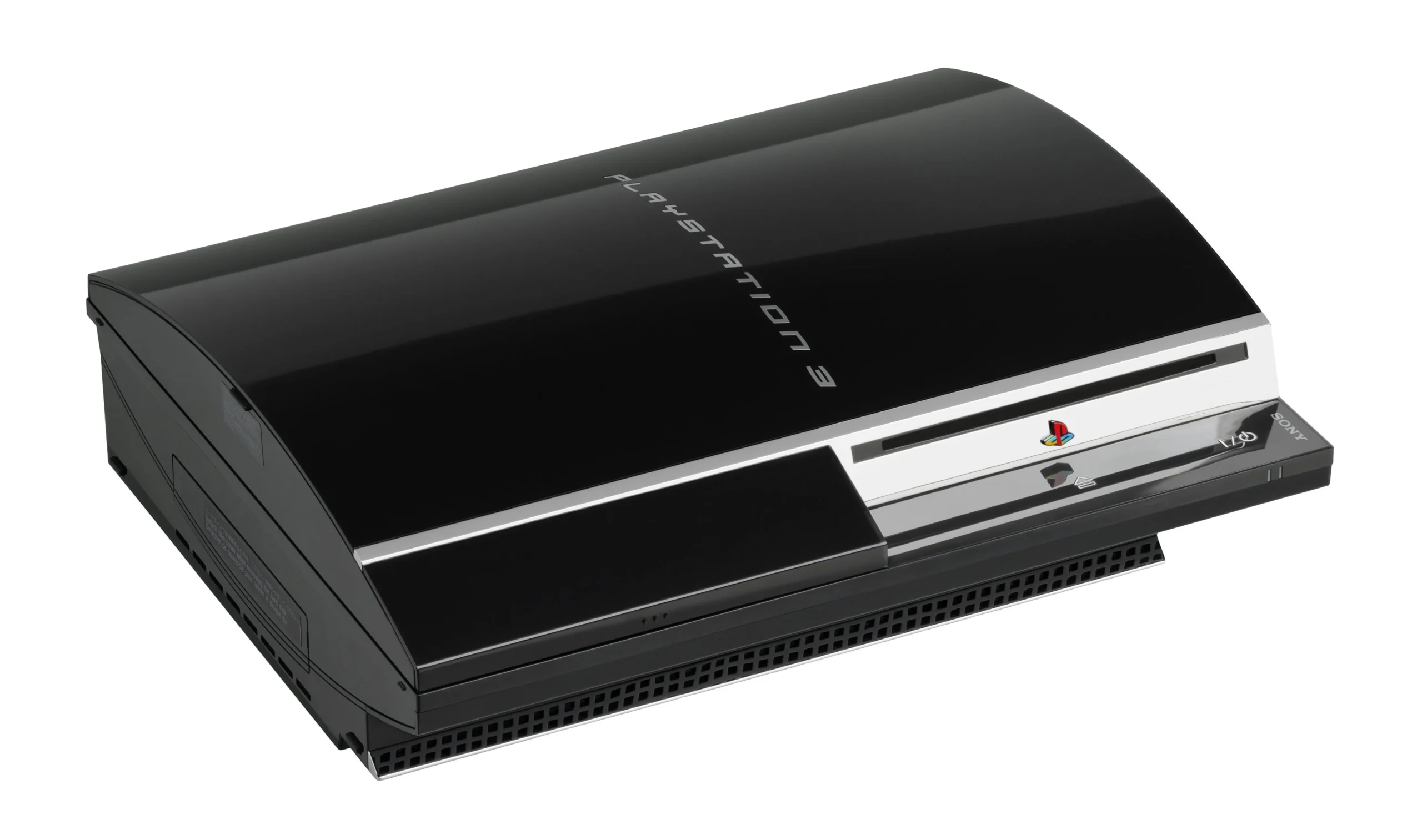
Main Facts: The End of an Era for PlayStation 3 and PS Vita Digital Stores
Sony Interactive Entertainment (SIE) has announced the imminent closure of the PlayStation Store for its venerable PlayStation 3 and PlayStation Vita consoles, marking a significant step in the company’s accelerating pivot towards a fully digital ecosystem. The decision, described by Sony as "not an easy one," will render new digital content purchases impossible on these platforms, drawing a definitive line under an important chapter of PlayStation’s history.
The phased shutdown will begin later this year, impacting select markets including Mexico, Honduras, Nicaragua, as well as various other Latin American and Middle Eastern countries. A global cessation of services for both the PS3 and PS Vita digital storefronts is slated for July 2027. This move means that from these respective dates, players will no longer be able to purchase new games, DLC, or other digital media directly through their consoles. While Sony’s official statement primarily focuses on the inability to make new purchases, the long-term implications for re-downloading previously acquired content, especially as infrastructure further degrades, remain a significant concern for many in the gaming community.
The rationale provided by Sony centers on the technical obsolescence of the older platforms. "As the PlayStation Store continues to evolve to support modern commerce systems, including updated payment processing standards, PS3 and PS Vita are no longer able to support these updates at the level required," Sony explained in its announcement. This technical incompatibility, combined with the declining user base for these legacy consoles, has evidently tipped the scales towards discontinuing support.
This announcement arrives amidst a broader industry trend towards digital-only distribution. Just hours prior, Sony had confirmed plans to discontinue physical disc production for new PlayStation games starting January 2028, a move widely interpreted as a precursor to future PlayStation consoles potentially shipping without a disc drive. Adding to this narrative, reports have also emerged suggesting that competitor Microsoft’s Xbox division is exploring similar strategies, including dropping disc drives and testing features that would allow players to digitize their physical game collections. Together, these developments paint a clear picture of a gaming future increasingly unmoored from physical media.
Chronology: A Timeline of PlayStation’s Digital Transition and Console Lifespans
The decision to close the PS3 and PS Vita digital storefronts is not an isolated event but rather the culmination of years of technological evolution, market shifts, and strategic decisions by Sony. Understanding the lifespan and context of these consoles is crucial to grasping the full weight of this announcement.
The Genesis of the PlayStation 3 and PS Vita
The PlayStation 3 launched with considerable fanfare, first in North America and Japan in November 2006, and subsequently in Europe and Australia in March 2007. Heralded as a technological marvel, it featured the powerful Cell Broadband Engine processor and integrated a Blu-ray disc drive, positioning it as a high-definition entertainment hub. Its digital storefront, the PlayStation Store, was an integral part of its ecosystem from the outset, offering a growing library of downloadable games, classic PlayStation titles, demos, and multimedia content. Despite a challenging launch marked by a high price point and initial development hurdles, the PS3 eventually found its stride, selling over 87 million units worldwide before its discontinuation.
The PlayStation Vita, launched in December 2011 in Japan and February 2012 in Western markets, represented Sony’s ambitious successor to the highly successful PlayStation Portable. Designed as a premium handheld console, it boasted a vibrant OLED screen, dual analog sticks, front and rear touchpads, and a robust digital storefront. While technologically advanced and home to a cult following and a respectable library of games, the Vita struggled to compete against the burgeoning mobile gaming market and Nintendo’s dominant 3DS. It was officially discontinued globally in 2019, having sold an estimated 10-15 million units. Both consoles, through their respective PlayStation Stores, played a pivotal role in normalizing digital game distribution and consumption long before it became the industry standard.
The Gradual Sunset: Discontinuation and Digital Changes
The path to the current announcement has been paved with earlier signals and gradual withdrawals of support. The PlayStation 3 ceased production in 2016, marking the end of its hardware lifecycle after a decade on the market. The PlayStation Vita followed suit in 2019. While hardware production ceased, digital storefronts typically continue to operate for some time, allowing users to access their purchased libraries and acquire new digital titles.
This isn’t the first time Sony has made changes to its legacy digital services. In March 2021, Sony initially announced plans to close the PS3, PS Vita, and PSP stores, only to reverse the decision for PS3 and PS Vita following significant backlash from players and developers. At that time, Hermen Hulst, Head of PlayStation Studios, acknowledged the "passion" of players and the "deep nostalgia" associated with these platforms. The PSP store, however, did proceed with its closure. This earlier episode demonstrated the strong emotional connection many players have to their digital libraries and the platforms they cherish. The current announcement, however, appears more definitive and rooted in fundamental technical incompatibilities rather than purely economic considerations, making a reversal highly unlikely this time. The decision to phase out physical disc support for new games from 2028 also foreshadows a future where maintaining older digital storefronts becomes increasingly difficult to justify for Sony.
The Current Announcement and Future Milestones
The current announcement specifies a multi-stage shutdown. Users in Mexico, Honduras, Nicaragua, and other select Latin American and Middle Eastern countries will see their PS3 and PS Vita PlayStation Stores close later in 2026. The global shutdown for both platforms is then scheduled for July 2027. This staggered approach may allow Sony to manage the technical transition and user support more effectively.
This closure directly precedes the company’s broader strategic shift away from physical media, as indicated by the confirmed discontinuation of physical discs for new PlayStation games launching from January 2028. This comprehensive timeline suggests a meticulously planned transition towards a fully digital future for PlayStation, with legacy systems being systematically retired to streamline operations and focus resources on current and future platforms.
Supporting Data: The Digital Landscape and Market Realities
The move to close the PS3 and PS Vita stores, while nostalgic for many, is grounded in compelling technological, economic, and market realities that have reshaped the video game industry over the last two decades.
Technological Obsolescence and System Requirements
Sony’s primary stated reason for the closure — the inability of PS3 and PS Vita to "support modern commerce systems, including updated payment processing standards" — highlights a critical challenge for maintaining legacy digital infrastructure. Payment processing, in particular, is an area of constant evolution, driven by security concerns (e.g., PCI DSS compliance), new payment methods, and regulatory requirements. Older systems often rely on outdated protocols and architectures that are costly and complex to update, making them vulnerable to security breaches and incompatible with modern financial gateways.
Maintaining these older storefronts involves significant operational overhead. This includes dedicated server infrastructure, software development and maintenance teams for patching security vulnerabilities, ensuring compatibility with evolving web standards, and customer support for issues specific to these platforms. As the active user base for PS3 and PS Vita dwindles—especially compared to current-generation consoles—the cost-benefit analysis of maintaining these systems increasingly favors discontinuation. Resources can then be reallocated to support current and future platforms, enhancing their digital services and security.
Digital vs. Physical: A Shifting Industry Paradigm
The gaming industry has undergone a profound transformation, moving from a predominantly physical media market to one dominated by digital distribution. Data from various industry reports consistently shows that digital game sales have surpassed physical sales globally, often accounting for 70-90% of total game revenue for major publishers. The convenience of instant downloads, the rise of subscription services like PlayStation Plus and Xbox Game Pass, and the proliferation of digital-only titles have all contributed to this shift.
From a business perspective, digital distribution offers numerous advantages for platform holders and publishers. It eliminates manufacturing, packaging, and shipping costs associated with physical discs. It allows for direct sales, cutting out retail middlemen and increasing profit margins. Furthermore, digital platforms enable direct engagement with consumers, facilitating live service games, post-launch content, and data analytics on player behavior. The environmental impact is also a growing consideration, with digital distribution reducing the carbon footprint associated with physical production and logistics. This overarching trend makes the sunsetting of physical media support, as announced by Sony for 2028, a logical, albeit bittersweet, next step.
The Long Tail of Legacy Content and Preservation Concerns
While the economic and technical arguments for closing legacy stores are strong, the impact on game preservation is a significant concern. The PS3 and PS Vita libraries contain hundreds of games, many of which were digital-only releases or had unique digital features. For these titles, the closure of the PlayStation Store effectively means their disappearance from official channels. Without an official means to purchase or download them, these games risk becoming inaccessible to future generations of players, or only available through unofficial and often legally dubious means like emulation or piracy.
Game preservation societies, academics, and dedicated fans have long campaigned for platform holders to implement robust digital archiving strategies. The issue highlights a fundamental tension between commercial viability and cultural heritage. Digital "ownership" on these platforms is typically a license to play, not true ownership of the software, meaning access can be revoked by the platform holder. This raises questions about consumer rights and the long-term viability of digital-only libraries. While Sony typically allows previously purchased content to be re-downloaded for a period, the eventual removal of servers for these older consoles remains a looming threat to ongoing access. For smaller developers who released digital-only titles on PS3 and Vita, this closure could mean their creations effectively vanish from public access, impacting their legacy and potential for future revenue.
Official Responses: Sony’s Stance and Industry Reactions
The official communication from Sony has been carefully worded, acknowledging the emotional impact of the decision while reiterating the technical and commercial imperatives driving it. The broader gaming community, including players, developers, and preservationists, has responded with a mixture of nostalgia, concern, and resignation.
Sony’s Official Statement and Rationale
In its official blog post, Sony Interactive Entertainment conveyed a message that sought to balance corporate necessity with an appreciation for its legacy. "We know this news may be disappointing to PS3 and PS Vita players who hold a special place in their hearts for this generation of gaming," the company stated. "PS3 and PS Vita represent an important era in our PlayStation history, so this was not an easy decision for us to make." This acknowledgment underscores Sony’s awareness of the strong emotional attachment many players have to these consoles, which collectively sold over 100 million units and hosted thousands of unique titles.
However, the core of their explanation remained firmly rooted in practicality: the inability of PS3 and PS Vita to "support modern commerce systems, including updated payment processing standards." This technical justification is crucial for Sony, as it frames the decision as an unavoidable consequence of technological progress and security requirements, rather than a punitive measure against its older user base. The focus on "new content purchases" being impossible after the closure suggests that players will likely retain the ability to download and play games they have already purchased for a considerable period, a common practice in such transitions. This distinction is vital for mitigating immediate outrage, though the long-term guarantee of access remains an open question for many. Sony’s messaging aims to soften the blow by positioning the move as a necessary step for the evolution of the PlayStation ecosystem.
Player and Developer Reactions
The initial reactions from the gaming community have been predictable: a wave of nostalgia mixed with significant disappointment and concern. Many players took to social media and forums to share memories of their favorite PS3 and PS Vita games, lamenting the impending loss of access to titles that may never be ported or remastered. The closure particularly affects those who primarily purchased digital-only titles on these platforms, as well as players who might have been waiting for future sales to acquire older games. The sentiment often revolves around a feeling of "digital impermanence" – the stark reality that digitally purchased content is essentially licensed, and access can be revoked by the platform holder.
For game developers, especially smaller studios or independent creators who released digital-only titles on PS3 and PS Vita, the news brings a sense of finality. While many have long since moved on to newer platforms, the closure means that their older works will become significantly harder to access, potentially limiting their long-term visibility and any residual revenue. This situation reignites the broader industry discussion about the responsibility of platform holders in preserving the digital libraries they host. Some developers have expressed understanding, acknowledging the technical challenges, while others have voiced frustration over the lack of robust archival solutions for their creations. The announcement serves as a stark reminder for developers to consider the long-term accessibility of their games, particularly in an increasingly digital-first landscape.
Implications: The Future of Gaming and Digital Ownership
The closure of the PS3 and PS Vita PlayStation Stores, coupled with Sony’s broader announcements, heralds a profound shift in the landscape of video gaming, with far-reaching implications for consumers, developers, and the very concept of game ownership.
The Accelerating Shift Towards Digital-Only Ecosystems
Sony’s actions are part of a clear, industry-wide acceleration towards fully digital-only ecosystems. The PS3/Vita store closures serve as a precedent, demonstrating that even widely popular and historically significant consoles will eventually shed their digital storefronts when technical and economic viability wanes. The subsequent confirmation that Sony will discontinue physical discs for new PlayStation games from January 2028 further solidifies this trajectory. This suggests that the "next PlayStation console" is highly likely to launch without a disc drive, or at least with a disc-less variant as the primary offering, mirroring the current PlayStation 5 Digital Edition.
This trend is not exclusive to PlayStation. Reports indicating that Xbox is also considering dropping disc drives and exploring features to digitize physical games illustrate a convergent industry strategy. Both major console manufacturers appear to be moving towards a future where digital downloads are the exclusive, or at least dominant, method of game acquisition. This shift offers benefits to platform holders, including reduced manufacturing and distribution costs, greater control over pricing and sales, and enhanced data collection on player behavior. It also facilitates the growth of subscription services, which represent a stable, recurring revenue stream.
Challenges and Opportunities for Game Preservation
The most significant long-term implication of these closures is the exacerbation of the game preservation crisis. When a digital storefront closes, especially for platforms with a substantial library of digital-only titles, those games risk being lost forever. Unlike physical media, which can be played as long as compatible hardware exists, digital titles are reliant on active servers and licensing agreements. The closure removes the official means of purchase and often, eventually, re-download, creating "digital dark ages" for specific eras of gaming.
This situation presents both challenges and opportunities. The challenge lies in the sheer volume of content and the lack of a standardized, industry-wide approach to digital archiving. Many games could simply vanish. The opportunity, however, lies in forcing a more serious conversation about the cultural importance of video games as an art form. It may compel platform holders to collaborate more actively with institutions like the Video Game History Foundation, the Library of Congress, and other archival bodies to ensure that historically significant titles are preserved and made accessible, perhaps through official emulation initiatives or curated digital libraries. Without such efforts, entire swathes of gaming history could become inaccessible to future generations.
Consumer Rights and the Evolving Definition of "Ownership"
The PS3 and PS Vita store closures starkly highlight the distinction between owning a physical product and merely licensing access to digital content. When a player buys a physical game disc, they own that physical object and can typically play it, lend it, or resell it indefinitely (assuming the console works). With digital purchases, consumers are essentially paying for a license to access the software, which can be revoked or rendered inaccessible by the platform holder, as demonstrated by these store closures. This evolving definition of "ownership" in the digital age raises significant questions about consumer rights, particularly the right to access content for which they have paid.
This paradigm shift impacts the secondary market for games, as digital titles cannot be resold. It also influences consumer choices, potentially pushing some back towards physical media if available, or towards platforms with stronger preservation guarantees. As the industry moves fully digital, the demand for clear, long-term guarantees of access to purchased content, even for legacy titles, will likely grow. The dominance of subscription models, where access is inherently temporary and tied to an ongoing payment, further complicates this landscape, potentially leading to a future where true ownership of games becomes a rarity.
The Future of PlayStation: A Fully Digital Horizon
Looking ahead, the closure of the PS3 and PS Vita stores is a foundational step in Sony’s vision for a fully digital PlayStation future. The discontinuation of physical disc support from 2028 strongly suggests that future PlayStation consoles will either be exclusively disc-less or offer digital-only versions as their primary models. This strategic direction allows Sony to streamline its business, reduce costs, and potentially offer new business models built around digital subscriptions, cloud gaming, and direct-to-consumer content.
While this digital horizon promises efficiency and new opportunities for Sony, it also presents potential downsides for consumers. The loss of a physical media option removes consumer choice, eliminates the resale market, and places greater reliance on stable internet connections and the continued existence of platform servers. For gamers, the future will increasingly be defined by the terms and conditions of digital licenses, underscoring the importance of platform holders’ commitment to game preservation and consumer access in this new, all-digital era. The PS3 and PS Vita, though fading from the digital storefronts, leave behind a legacy that continues to shape the future of how we play and own games.


 Lina Irawan
 Sagoh
Sagoh