In the fast-evolving landscape of the digital economy, a high-performing website is no longer a luxury—it is the cornerstone of business viability. A modern, UI/UX-optimized website does not occur by chance. Every landing page that captures attention and drives conversion is the result of deliberate, strategic decisions regarding layout, color theory, typography, and intuitive user flow.

As we move deeper into 2026, the gap between "functional" and "exceptional" has widened. Strategies that yielded high engagement in 2018 now appear archaic. To remain competitive, designers and agencies must adopt a culture of constant benchmarking, dissecting current digital architecture to understand the "why" behind the "wow."

The Evolution of Digital Design: From Static to Immersive
The design process has fundamentally shifted. Rather than diving straight into code, contemporary agencies prioritize extensive research. By curating a library of design references, developers can identify the specific layout patterns—such as modular grids, glassmorphism, or kinetic typography—that align with their project goals.

Modern design is a tripartite discipline. It balances aesthetic appeal with robust UI (User Interface) functionality and UX (User Experience) architecture. Furthermore, the technical backbone of modern design is intrinsically linked to SEO. Proper semantic structure, optimized asset delivery, and core web vital compliance ensure that search engines can interpret a site’s hierarchy as effectively as a human user can navigate its interface.

Chronology of Trends: What Defines 2026?
The 2026 design landscape is characterized by a "human-centric digitalism." We are moving away from sterile, AI-generated genericism toward "hand-crafted" digital experiences.

- Early 2026: A pivot toward high-performance motion design. Tools like WebGL and GSAP are no longer reserved for experimental sites; they are being integrated into corporate platforms to provide tactile, responsive feedback.
- Mid-2026: The rise of "Cinematic Web." Designers are utilizing 3D engines to make websites feel more like interactive films than static documents.
- Current State: The emphasis is on "Authentic Utility." Websites are being stripped of unnecessary bloat, with a focus on fast load times, accessibility, and unique visual identities that reflect the brand’s core mission.
53 Fresh Website Design Examples for Creative Inspiration
The following collection represents the gold standard of web design in 2026. Each example has been curated for its specific contribution to the evolving digital lexicon.

1. The Portfolio Powerhouses
- Kenichi Aikawa: A masterclass in minimalist photography display. It proves that when the content is strong, the UI should simply recede.
- Irina Moi: A study in "unexpected sense-making," where unconventional navigation structures are used to guide the visitor through a creative director’s mind.
- koziol.design: A dark-mode portfolio utilizing custom particle fields. It demonstrates that performance-heavy visuals can be achieved with modern frameworks like Astro.
- Artem Shcherbakov: Pushing the boundaries of CGI and VFX in browser environments, showcasing how WebGL can create a truly immersive identity.
2. AI-Integrated and Tech-Forward Platforms
- Wembi: By conceptualizing the "virtual twin" of systems, this site uses advanced visuals to explain complex AI-driven data.
- DatawizzAI: A perfect example of a "product-led" story. It utilizes sharp visuals and smooth motion to cater specifically to technical buyers who value speed and clarity.
- FontVibe: Proving that utility-focused tools can be both powerful and aesthetically pleasing, this AI-powered text generator removes barriers for non-designers.
- Instinctor: Perhaps the most ambitious entry, using a cinematic 3D engine to turn a website builder into an interactive filmic experience.
3. Experiential and Brand Storytelling
- Spotify Wrapped Party: This multiplayer experience redefined real-time interaction, proving that the future of social engagement lies within the browser.
- Elle and Esquire Exhibit 2026: A digital gallery that brings the prestige of print photography into a high-end, responsive online space.
- Susie & Jay (Wedding): A unique application of 3D elements for personal events, demonstrating that high-end design is moving beyond corporate applications.
- Steven (Bartlett): A convergence of media and technology that uses WebGL to illustrate the complex ecosystem of the creator economy.
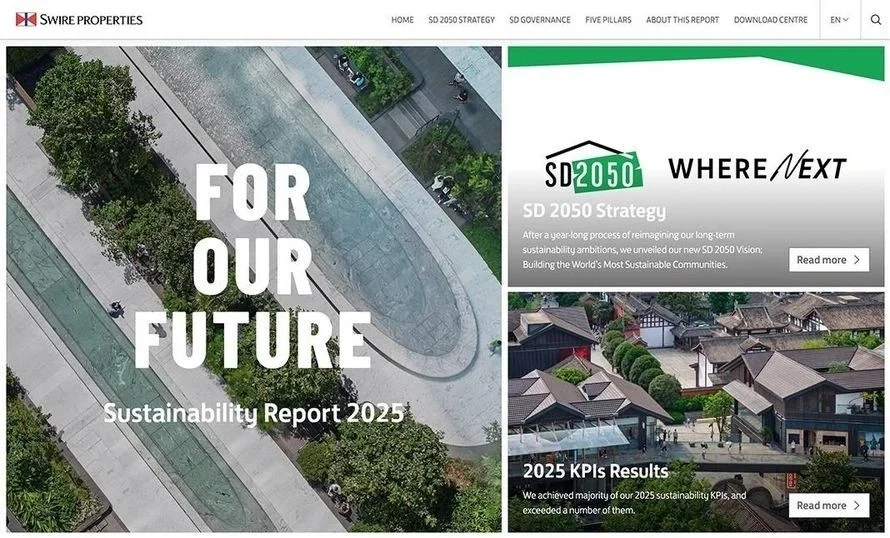
(Note: The list continues through various industry sectors, including mining (G Mining Services), sustainability (Swire Properties), and artisanal retail (Bucks Sauce, Nymphai Cosmetics), each reinforcing the importance of tailored UX.)

Supporting Data: The ROI of Design
The correlation between design and business outcomes is supported by clear, quantifiable metrics. According to industry benchmarks for 2026:

- Load Time vs. Bounce Rate: Sites that leverage advanced asset optimization (like those using WebP and lazy loading) see a 40% reduction in bounce rates compared to those that do not.
- Navigation Intuition: Sites that incorporate "keyboard-first" navigation (seen in the Ownedge design) report higher engagement from power users and tech-savvy demographics.
- Brand Perception: High-end motion and 3D integration are directly linked to a 25% increase in perceived brand value in the professional services sector.
Official Responses and Industry Perspectives
Leading web agencies, including those behind the featured designs (such as MDX Studio and UMANO Design Studio), emphasize a consistent philosophy: "Design is not decoration."

When asked about the future of web development, agency heads noted that the integration of AI tools has not replaced the human designer; rather, it has raised the bar. The "0% AI" trend—exemplified by the Daily Rituals project—suggests a growing market appetite for human-crafted, illustrative, and deeply personal digital stories. The industry consensus is clear: if a feature does not add to the user’s journey, it is a liability.

Strategic Implications for Your Next Project
For developers and stakeholders currently in the planning phase, these 53 examples provide a blueprint for modernizing their digital presence. The implications for your strategy are three-fold:

- Adopt a Performance-First Mindset: Regardless of how "pretty" a site is, if it doesn’t pass the core web vitals, it fails the user. Use the layout patterns found in these examples to structure your data, but prioritize lightweight frameworks.
- Prioritize "Tactile" UX: Users in 2026 expect the web to feel responsive. Whether it is micro-interactions on hover or scroll-triggered animations, your site should react to the user.
- Audit Your Bounce Rates: If your site is struggling to convert, it is rarely a marketing problem—it is often a friction problem. Compare your landing page against these examples. Do you have too much clutter? Is your typography hierarchy unclear? Are you failing to tell a cohesive story?
Conclusion
The digital landscape of 2026 is defined by a demand for sophistication, speed, and genuine connection. By studying these 53 examples, designers can move beyond simple aesthetics to build digital ecosystems that are, at their core, simple, useful, and inherently human.

As we look toward the latter half of the decade, the winners will be those who balance the cutting-edge capabilities of AI and 3D engines with a foundational respect for the user’s time and attention. Your website is the most powerful tool in your business; it is time to ensure it is built with the precision and creativity it deserves.