Evan Lee Salim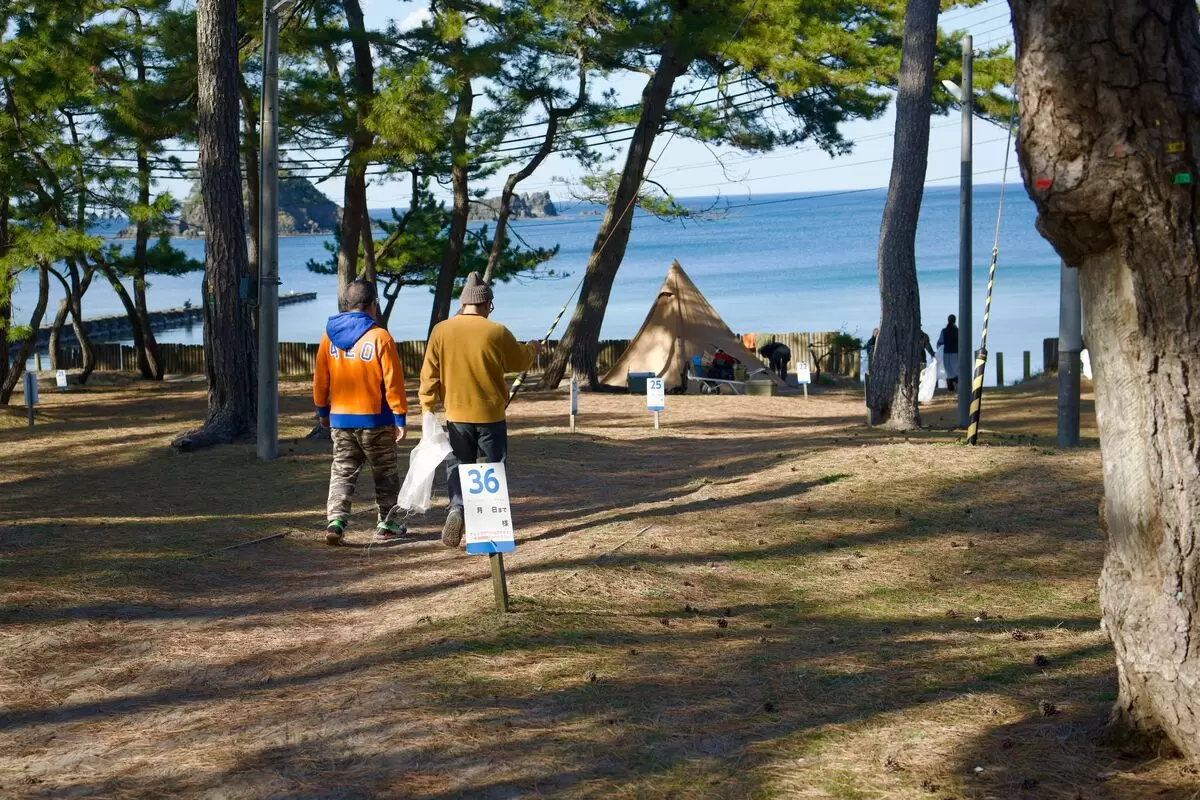
July 3, 2026
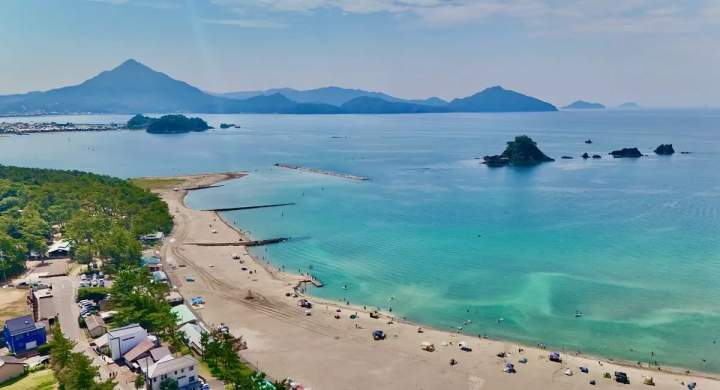
The rhythm of life in Takahama Town, Fukui Prefecture, is dictated by the pulse of the Sea of Japan. At the heart of this coastal identity lies Wakasa Wada Beach, a stretch of coastline that has become a global beacon for sustainable tourism. As the first beach in Asia to be awarded the prestigious international "Blue Flag" certification, Wakasa Wada represents more than just a summer destination; it is a living laboratory for environmental conservation, community resilience, and the power of collective local action.
The Gold Standard of Coastal Conservation: Understanding the Blue Flag
The Blue Flag is not merely a title; it is one of the world’s most recognized voluntary eco-labels awarded to beaches, marinas, and sustainable boating tourism operators. To earn this designation, a beach must adhere to stringent criteria spanning four main categories: water quality, environmental management, environmental education, and safety.
Wakasa Wada’s achievement in obtaining this status highlights its exceptional water quality—a result of rigorous year-round monitoring—and its commitment to maintaining an accessible, safe, and clean environment. However, the certification is not a static award. It requires constant maintenance, public engagement, and a perpetual cycle of care that ensures the beach remains a sanctuary for both human visitors and marine life.
A Chronology of Stewardship: The Fourth Sunday Tradition
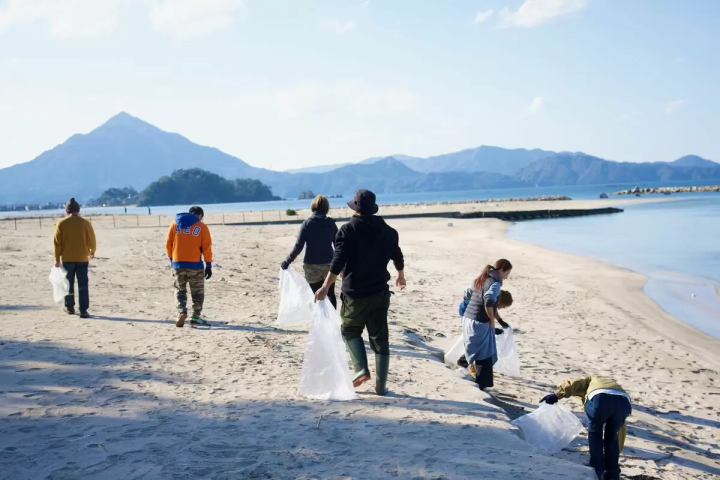
The preservation of Wakasa Wada is not left to chance or professional maintenance crews alone. It is anchored by a grassroots tradition: the monthly beach cleanup event. Held on the fourth Sunday of every month, this initiative has transformed from a local necessity into a community-building experience that invites travelers to step into the role of stewards.
The Cleanup Lifecycle
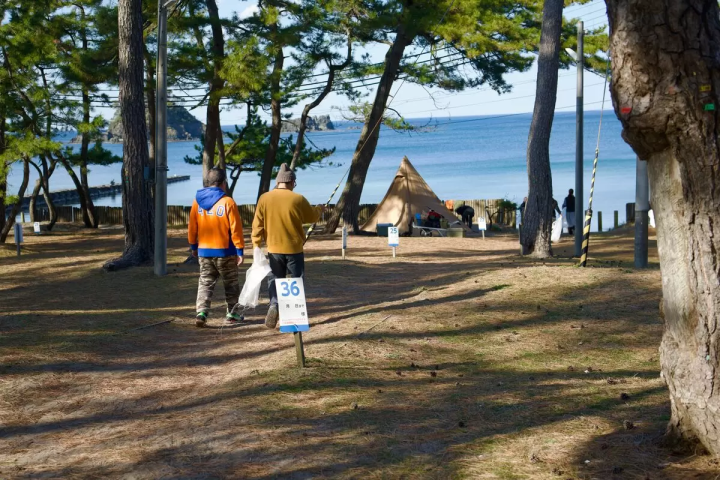
- Preparation: On the fourth Sunday, volunteers and locals gather at the Wakasa Wada Campsite reception area by 3:00 PM.
- The Briefing: Participants receive a briefing on the current state of the shoreline. This segment of the activity serves an educational purpose, as organizers explain the source and composition of the debris found that month—ranging from seasonal driftwood to persistent microplastics.
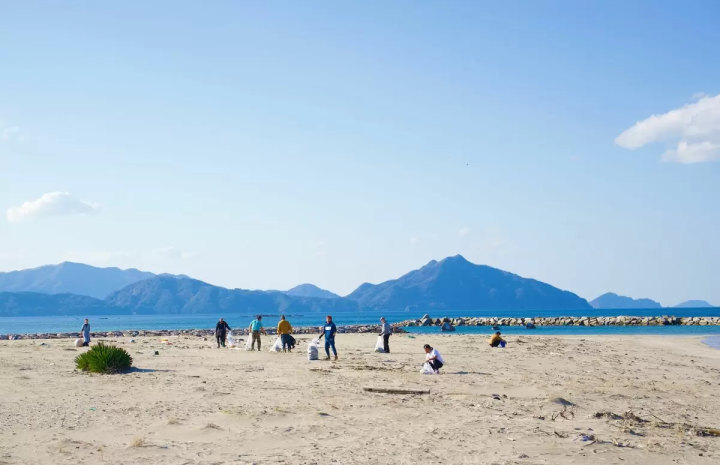
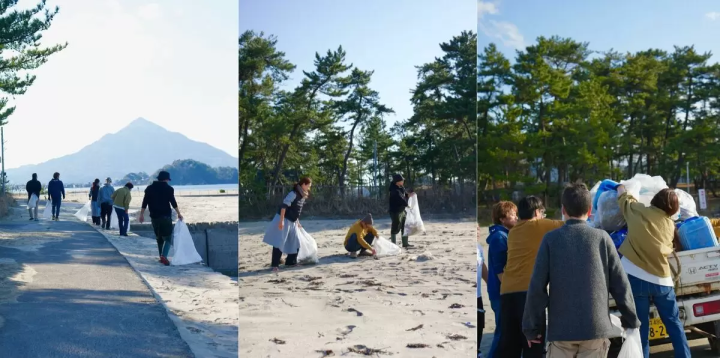
- The Action: Armed with gloves and trash bags provided by the organizers, the group fans out across the beach. The pace is intentionally slow, encouraging interaction between residents and visitors.
- Reflection: The event concludes with a collective sense of accomplishment, reinforcing the bond between those who live in the town and those who are just passing through.
This monthly cycle creates a consistent baseline of cleanliness, ensuring that the beach remains pristine regardless of the season. It serves as a reminder that the environment is not a static backdrop, but a living system that requires constant, gentle intervention.
Supporting Data: The Global Problem on a Local Shore
A common misconception among tourists is that the debris found on beaches is primarily the result of local littering. However, data collected during the Takahama cleanup events reveals a more complex, international reality.
Marine Debris Analysis
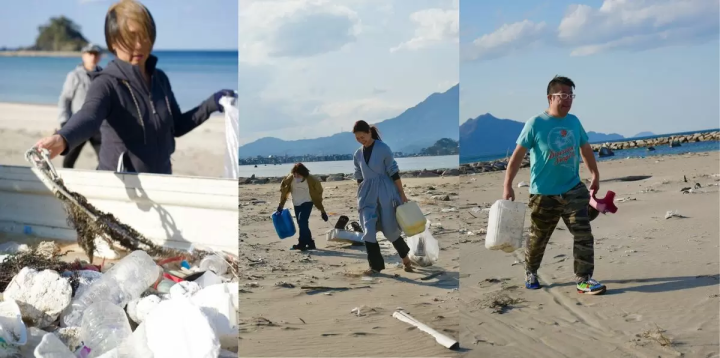
Observations from the shoreline often reveal packaging, plastic bottles, and industrial materials with labels in various languages. This provides a sobering, tangible lesson on the interconnectedness of our oceans. Currents in the Sea of Japan act as a conveyor belt, carrying waste from across the region—and sometimes across continents—to the shores of Takahama.
This realization shifts the perspective of the cleanup from a local chore to a global responsibility. When a volunteer picks up a bottle that may have traveled hundreds of miles through international waters, the act becomes a symbolic stand against the broader crisis of marine pollution. It underscores that environmental protection is a borderless mandate, requiring cooperation that transcends national identities.
Official Perspectives: The Synergy of Tourism and Ecology
The management of Wakasa Wada is a collaborative effort involving the Wakasa Takahama Tourism Association and local residents. Their approach acknowledges that the town’s primary asset—its natural beauty—is also its most fragile one.
"Protecting the sea is not just about keeping the sand clean," says a representative from the local tourism board. "It is about protecting the culture of the town. The sea is where our history, our industry, and our future growth lie."
This philosophy has filtered into the cultural zeitgeist of the region. The 2025 film Lifesaver!, which utilized Wakasa Wada as its primary backdrop, served as a catalyst for this narrative. By depicting the lives of young lifeguards who safeguard the beach, the film articulated the deeper message of the community: that the beach is a place where responsibility, friendship, and nature converge. The success of the film has drawn renewed interest to the beach, not only as a place for leisure but as a site of profound human connection and environmental dedication.
Implications: The Future of Sustainable Coastal Tourism
The model employed by Wakasa Wada Beach offers a blueprint for other coastal communities in Asia and beyond. By inviting tourists to participate in the "maintenance" of their destination, the town creates a deeper, more emotional connection between the visitor and the landscape.
A Deeper Cultural Experience
Travelers who participate in these cleanups often report a profound shift in how they view their journey. Instead of being passive consumers of scenery, they become active participants in a tradition. This "participatory tourism" fosters a sense of pride and ownership that traditional sightseeing cannot provide.
Long-term Environmental Resilience
The cumulative effect of these monthly efforts is a healthier ecosystem. Regular removal of plastic debris prevents it from breaking down into microplastics, which would otherwise enter the local food chain. By maintaining a clean beach, the community also protects the habitat of various marine organisms, ensuring that the biodiversity of the coast remains robust.
Visitor Information: Contributing to the Legacy
For those wishing to contribute to the preservation of Wakasa Wada, the process is simple and accessible.
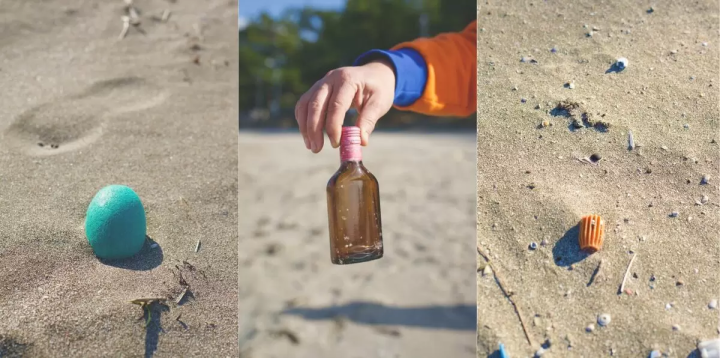
- Participation: No prior registration is required for the monthly cleanup. Simply show up at the Wakasa Wada Campsite by 3:00 PM on the fourth Sunday of any month.
- The Swimming Season: While the beach is open for stewardship year-round, the official swimming season typically runs from mid-July to late August. During this window, professional lifeguards and expanded facility services are available.
- Planning Your Visit: Because the beach environment is subject to weather conditions, it is highly recommended to check the official website of the Wakasa Takahama Tourism Association for updates on events, seasonal changes, or emergency closures.
Essential Contacts
- Wakasa Wada Campsite: 104 Wada, Takahama-cho, Fukui Prefecture, 919-2201. Tel: 0770-621-777.
- Wakasa Takahama Tourism Association: Located inside JR Wakasa Takahama Station. Tel: 0770-72-0338.
As we look toward the future, the example of Wakasa Wada Beach stands as a testament to what is possible when a community prioritizes the health of the earth over the convenience of the moment. By turning the simple act of picking up trash into a shared ritual, the people of Takahama are ensuring that their beach remains a source of beauty and life for generations to come. Whether you are a local resident or a traveler from across the globe, the shores of Wakasa Wada are waiting—not just to be admired, but to be protected.


 Neng Nana
 Asro
Asro