Nana
Nana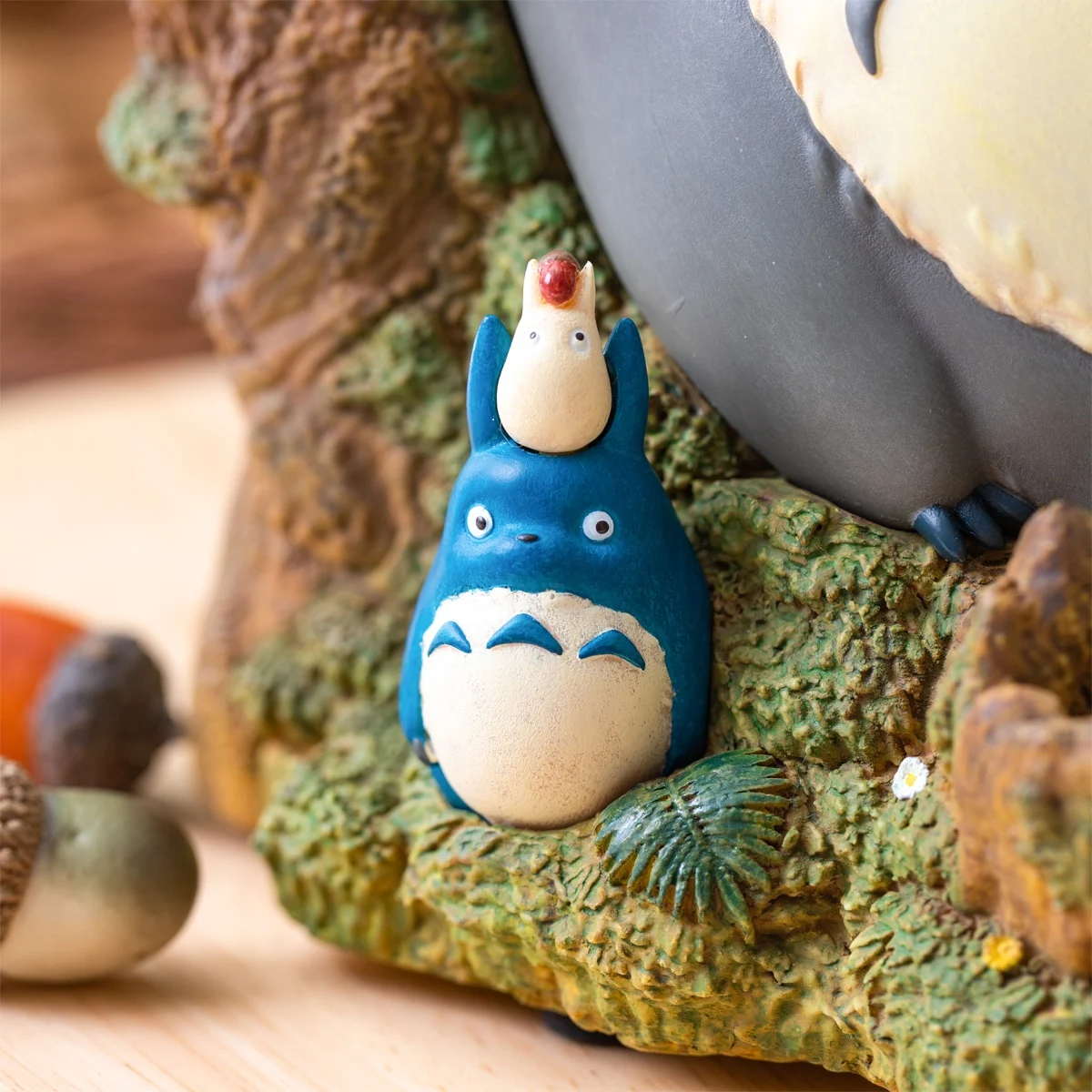
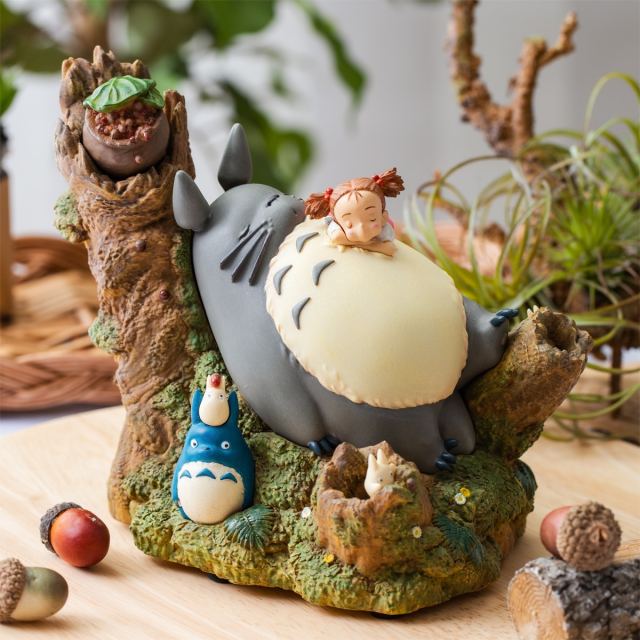
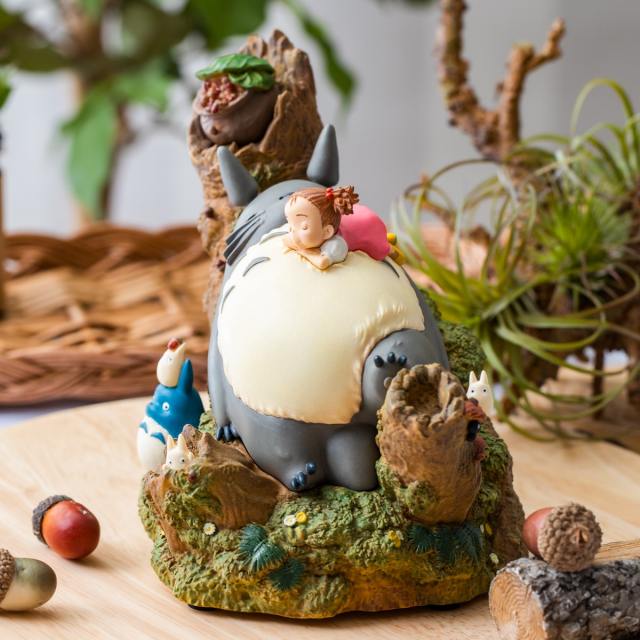
For nearly four decades, Studio Ghibli has been the gold standard for emotional storytelling in animation. Hayao Miyazaki’s 1988 masterpiece, My Neighbor Totoro, remains perhaps the most iconic entry in the studio’s vast library, celebrated for its ability to capture the fleeting, ephemeral innocence of childhood. Now, the dedicated artisans at Donguri Kyowakoku—the official purveyor of Ghibli merchandise—have sought to freeze one of the film’s most poignant sequences in time. The newly restocked "Totoro and Mei" music box is more than a mere trinket; it is a meticulously crafted musical diorama designed to bring the tranquility of the forest directly into the homes of collectors.
The Essence of the Scene: A Meeting in the Shadows of the Forest
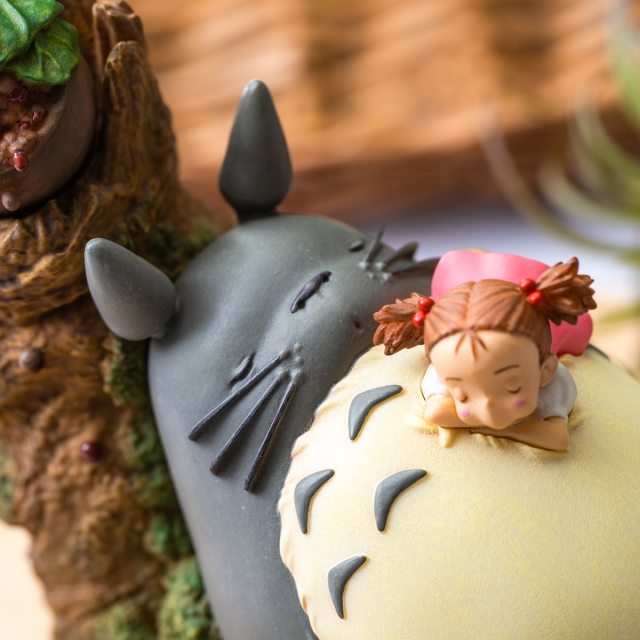
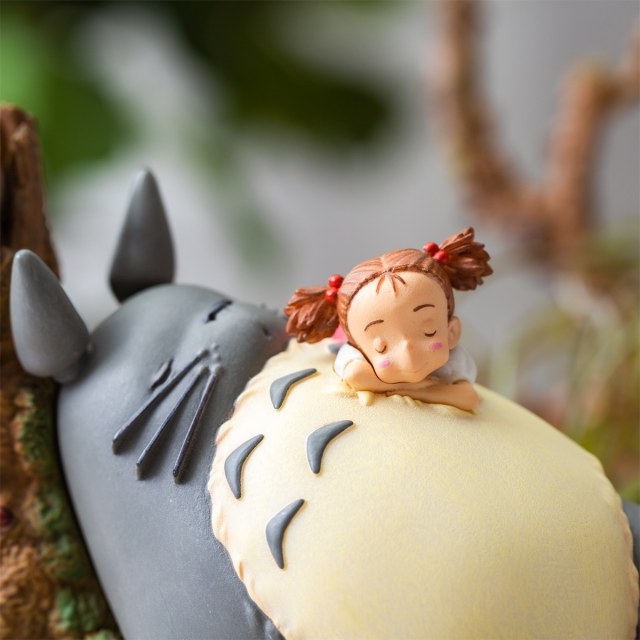
The diorama centers on the pivotal moment when young Mei, wandering deep into the woods, slips through a gap in a camphor tree’s roots. There, amidst the shadows and the moss, she discovers the gargantuan, sleeping forest spirit known as Totoro.
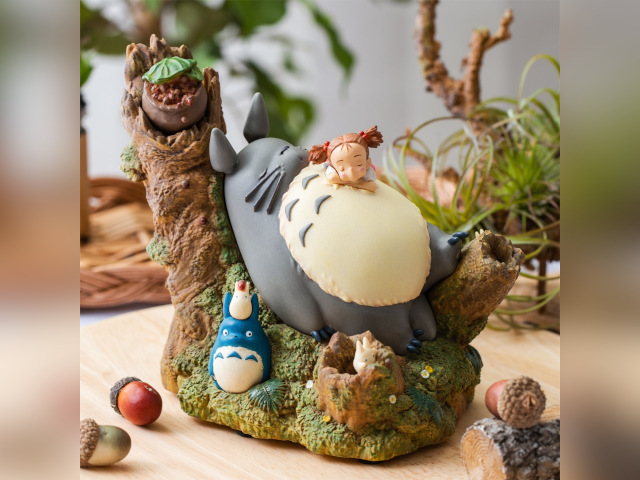
In the film, this sequence is defined by its silence and the profound sense of discovery. Mei’s curiosity leads her to climb onto the massive, soft belly of the creature. As she rubs her face against his snout, the initial fear of the unknown melts into a quiet, profound companionship. It is a scene that encapsulates the Ghibli philosophy: the belief that the world is filled with hidden, magical entities if one only possesses the wonder to find them. By transforming this encounter into a three-dimensional, rotating music box, Donguri Kyowakoku offers fans a tangible tether to this cinematic memory.
Chronology of a Masterpiece: From 1988 to 2026
To understand the significance of this collectible, one must look at the trajectory of My Neighbor Totoro as a cultural phenomenon.
- 1988: My Neighbor Totoro premieres in Japan. It is not an immediate box-office juggernaut, but it quickly gains a cult following that blossoms into global adoration over the following decade.
- The 1990s and 2000s: Totoro cements his place as the official mascot of Studio Ghibli. The character becomes a symbol of Japanese animation’s capacity for gentle, non-violent, and environmentally conscious storytelling.
- 2010s: The rise of "Ghibli-core" and the aesthetic appreciation of the studio’s films lead to a massive surge in demand for high-end, artisanal merchandise.
- 2026: Donguri Kyowakoku, responding to consistent market demand, announces a major restock of the "Mei and Totoro" musical diorama. This release coincides with a broader effort by the studio to emphasize "calmness" and "mindfulness" in its consumer products, targeting a demographic that grew up watching the films and now seeks to bring that sense of peace into their personal workspaces.
Supporting Data: The Craftsmanship Behind the Calm
What separates this particular piece from mass-produced anime merchandise is the technical attention to detail. The diorama is not merely a statue; it is an engineering feat that balances aesthetic beauty with auditory fidelity.
Architectural Precision
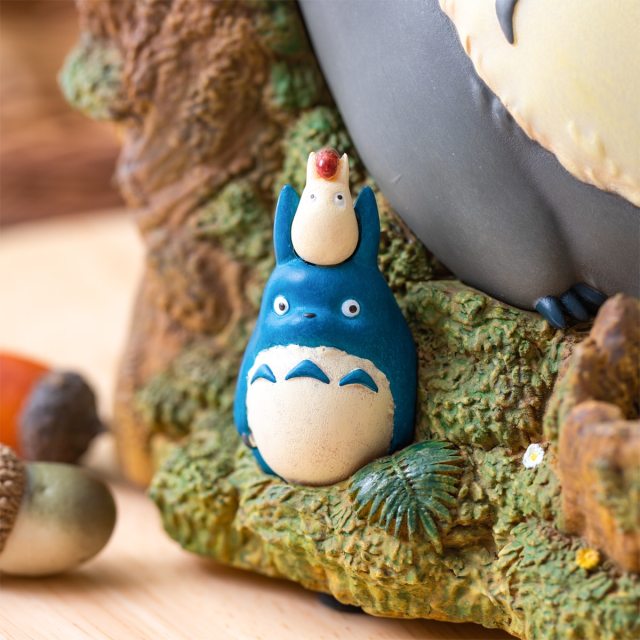
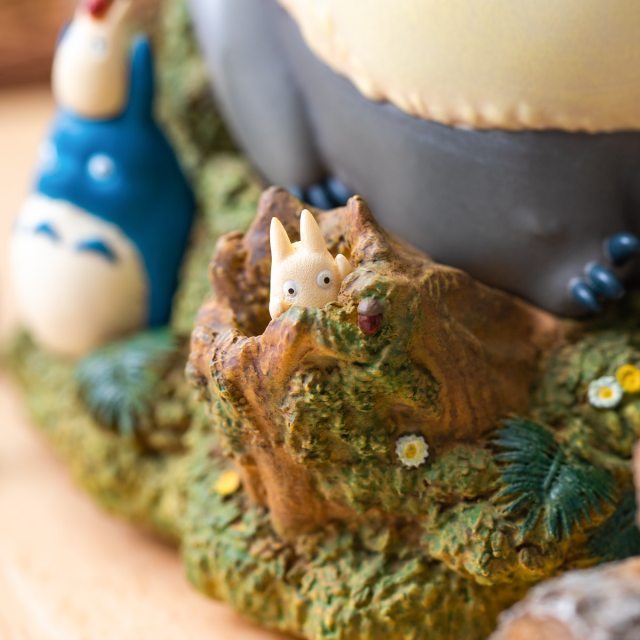
The design of the diorama allows for 360-degree viewing, a rarity in mid-range collectibles. Every element—from the texture of the tree trunk to the individual tufts of fur on Totoro—has been sculpted to mirror the hand-drawn nuances of the original animation. The inclusion of the smaller Totoros and the iconic "Soot Sprites" (Susuwatari) provides a layer of depth that rewards the viewer for looking closer.
The Auditory Experience: Joe Hisaishi’s Legacy
The heart of the music box is its mechanical movement, which plays "Kaze no Torimichi" ("The Path of the Wind"). Composed by the legendary Joe Hisaishi, the piece is synonymous with the Ghibli brand. Hisaishi’s score for My Neighbor Totoro is often cited by musicologists for its minimalist structure and emotional resonance. The music box mechanism is tuned to recreate this melody with a soft, bell-like timbre that mimics the acoustic quality of a forest clearing.
Official Perspectives: The Philosophy of Ghibli Merchandising
While Studio Ghibli is famously protective of its intellectual property, it has always maintained a symbiotic relationship with its merchandise arm, Donguri Kyowakoku. According to retail representatives, the selection of this specific scene for a premium music box was intentional.
"In an increasingly fast-paced digital world, our goal is to offer items that demand a slower pace of life," a spokesperson for the retailer noted. "The ‘Path of the Wind’ music box is not intended to be a flashy centerpiece. It is designed to be a companion—a small, quiet object that reminds the owner to breathe and appreciate the silence."
This sentiment reflects a broader shift in the luxury anime merchandise market. Fans are no longer just looking for plastic figurines; they are looking for "heirloom-quality" items that reflect their personal history with the films. The price point of 14,300 yen (approximately $87.91 USD) positions the item as an investment piece, catering to an adult audience with the disposable income to curate a "Ghibli-inspired" living space.
The Implications: Merchandise as a Bridge to Mindfulness
The continued success of products like the Totoro music box carries significant implications for the future of licensed collectibles.
1. The "Adult Collector" Market
The primary consumer for this product is not a child, but an adult who first encountered Totoro as a child. This reflects a transition in the animation industry where products are being designed with the nostalgia of the original generation in mind. The focus on high-quality materials and "calming" aesthetics suggests that the Ghibli brand is successfully pivoting toward the home decor market, moving beyond the toy aisle.
2. The Impact of Scarcity and Restocking
Donguri Kyowakoku’s decision to restock rather than produce a limited, one-time run indicates a strategy of long-term brand building. By ensuring that iconic items remain accessible to new waves of fans, the studio maintains the relevance of the film even as it approaches its 40th anniversary.
3. The Sensory Experience of Animation
The rise of products like musical dioramas underscores a desire for "multi-sensory" media consumption. Fans are seeking to replicate the experience of watching the movie by engaging more than just their sight. The combination of visual art and the auditory trigger of Hisaishi’s music creates a "closed-loop" experience of the film, providing a micro-dose of the cinematic experience that can be activated on command.
Conclusion: A Timeless Addition to the Home
As we look toward the future of Studio Ghibli’s legacy, it is clear that the studio’s strength lies in its ability to remain tethered to the quiet, intimate moments that define its films. The "Totoro and Mei" music box is a testament to this, serving as a physical reminder of the magic that exists in the "in-between" moments of life.
Whether it serves as a desk companion to reduce stress during a workday or as a display piece in a collection of classic animation memorabilia, the diorama successfully captures the gentle soul of the 1988 film. For those looking to bring a slice of the forest home, the piece is currently available through the official Donguri Kyowakoku website and their brick-and-mortar stores across Japan. As summer approaches, the addition of this piece—alongside other seasonal releases—solidifies the enduring, year-round appeal of Ghibli’s most beloved forest spirit.


 Neng Nana
 Asro
Asro