After two decades of fluctuating fortunes and identity crises, the Prince of Persia franchise has finally reclaimed its crown. Following a long, often difficult period of experimentation, the series has found its true North Star by returning to its 2D roots. With the release of The Rogue Prince of Persia, Ubisoft and developer Evil Empire have crafted a masterclass in modernizing a classic, blending the high-stakes tension of the roguelite genre with the kinetic, acrobatic fluidity that defined the brand in the 1980s.
It is a rare feat for a long-standing franchise to pivot so sharply without alienating its core fanbase, yet The Rogue Prince of Persia manages to feel both nostalgic and revolutionary.
The Evolution of a Legend: A Chronological Retrospective
To understand the magnitude of this success, one must look at the trajectory of the Prince of Persia brand. Created by Jordan Mechner in 1989, the series was the gold standard for platforming innovation, utilizing rotoscoping animation to bring the Prince to life with human-like grace.
The Golden Era and the Long Silence
The franchise saw its peak in the early 2000s with the Sands of Time trilogy, which successfully translated the series’ trademark platforming into a 3D environment. However, as the 2010s arrived, the series entered a period of relative dormancy. While other Ubisoft properties like Assassin’s Creed flourished, the Prince fell into the shadows, with only sporadic re-releases or mobile spin-offs to keep the name alive.
The 2D Pivot
The tide began to turn with a renewed focus on 2D perspective games. By stripping away the bloat of open-world mechanics and refocusing on tight, level-based platforming, the developers have managed to distill the franchise into its most potent form. The Rogue Prince of Persia is the latest—and perhaps most daring—iteration of this new direction. By integrating roguelite progression systems, the developers have bridged the gap between the punishing, high-skill requirements of modern indie hits and the narrative-driven adventure that legacy fans crave.
Mechanics as Narrative: The Roguelite Loop
One of the most common criticisms of the roguelite genre is that repeated failures can feel repetitive or hollow. The Rogue Prince of Persia circumvents this by weaving its narrative directly into the mechanics of the game.
Time as a Tool
The Prince possesses the ability to rewind time upon death. This is not merely a gameplay "retry" button; it is a canonical explanation for the character’s growth. Each death serves as a learning opportunity, allowing players to uncover the mystery behind the Hun invasion that threatens their kingdom. As players progress, they unlock new story paths, hidden locations, and objectives. Consequently, a "failed" run is never a total loss; it is a data-gathering mission that deepens the player’s understanding of the world and moves the narrative needle forward.

The Flow of Movement
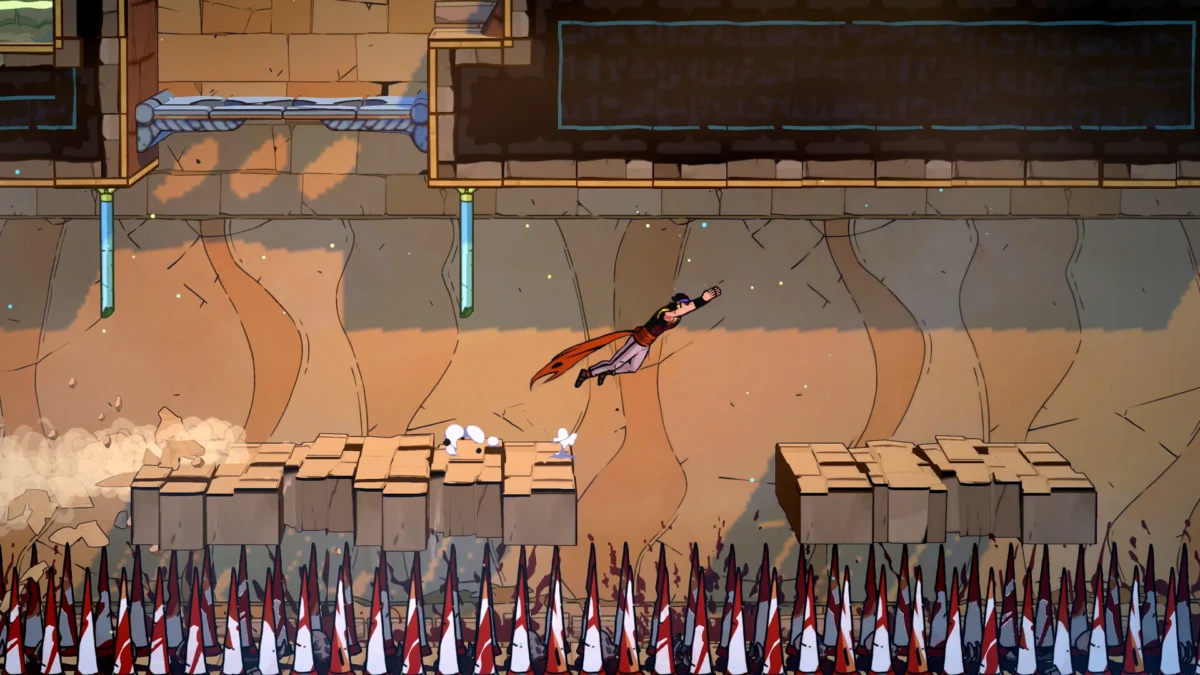
The hallmark of any great Prince of Persia title is the movement system, and here, the game excels. Wall running, air dashing, and environmental traversal are handled with a precision that feels almost musical. Once a player masters the momentum, they can navigate complex traps and enemy fortifications with an effortless grace. The game rewards speed and verticality, encouraging players to think of the environment not as an obstacle, but as a highway.
Combat Dynamics: Speed Over Bulk
While many metroidvanias focus on heavy, gear-dependent combat, The Rogue Prince of Persia leans into a more agile philosophy.
Arsenal and Strategy
The Prince’s combat effectiveness is determined by his gear, which includes a diverse array of weapons ranging from twin blades to heavy axes. Each weapon carries distinct attack patterns and critical hit conditions. However, the true depth lies in the integration of movement into the fight. Combat encounters are designed to reward players who utilize the environment—kicking enemies into traps or using wall runs to gain a tactical advantage—rather than those who simply stand their ground and trade blows.
Accessibility vs. Depth
The progression system is intentionally designed to be accessible. Through a robust skill tree, players can unlock permanent upgrades and new tools that cater to their specific playstyle. While this system is rewarding for newcomers, it does invite a critique from the "hardcore" roguelite community. Some veteran players may find the game’s difficulty curve to be more forgiving than titans of the genre like Hades or Dead Cells. While this ensures a wider audience can enjoy the story, it may leave those seeking "punishing" experiences looking for a bit more friction.
Presentation: A Sensory Masterpiece
The aesthetic presentation of The Rogue Prince of Persia is perhaps its most striking departure from tradition. Eschewing the gritty realism of previous 3D entries, the game opts for a bold, vibrant, and highly stylized art direction.
Visual Identity
The colors are saturated and the character models are sharp, creating a visual language that feels distinctly "Persian" yet modern. This stylistic choice ensures that the game remains legible even during the most frantic moments of high-speed traversal.
The Sound of the Sands
Complementing the visuals is an energetic, genre-bending soundtrack. By fusing traditional Persian instrumentation with modern, bass-heavy electronic beats, the audio design creates a world that feels both ancient and futuristic. It is a bold sonic signature that anchors the player in the atmosphere, driving the pace of the gameplay through rhythm and tempo.

The Verdict: Implications for the Genre
So, where does The Rogue Prince of Persia sit in the current gaming landscape?
A New Standard for Legacy Revivals
The implications for Ubisoft are clear: the future of the Prince of Persia franchise lies in its agility, not its ambition for scale. By prioritizing tight, responsive gameplay over massive, empty open worlds, the studio has found a sustainable and highly effective way to keep a legendary IP relevant.
Replayability and the "Short" Experience
For the average player, the game provides a satisfying, high-octane experience that respects their time. While it may lack the thousands of hours of procedural variance found in the most hardcore roguelites, it replaces that with a curated, high-quality experience. It is a "leaner" game, but in an industry often plagued by bloat, this conciseness is a breath of fresh air.
Final Thoughts
The Rogue Prince of Persia is a triumphant return to form. It manages to balance the high-difficulty, high-reward nature of the roguelite genre with the platforming excellence that made the series a household name in the first place. Whether you are a long-time fan who has been waiting two decades for a win or a newcomer looking for a fast-paced, stylish action game, this title hits the sweet spot.
It is, without a doubt, a great time to be a Prince of Persia fan. The kingdom is safe, the Prince is agile, and the future of the series looks brighter than it has in twenty years.
Article written by a guest contributor.