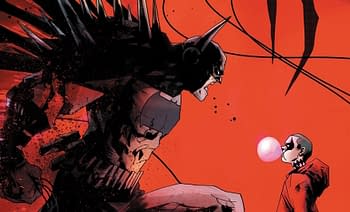
The comic book industry is currently grappling with a seismic shift in how exclusive variant covers are produced, marketed, and sold. At the center of this controversy—dubbed "CoverGate" by industry observers—is the massive commercial success of DC Comics’ Absolute Batman, written by Scott Snyder and illustrated by Nick Dragotta. While the series has achieved rare financial heights, with new issues routinely topping half a million copies, it has simultaneously triggered an intense debate regarding the ethics of artist-led retail, the exploitation of creators, and the sustainability of the "variant economy."

The Genesis of an Economic Phenomenon
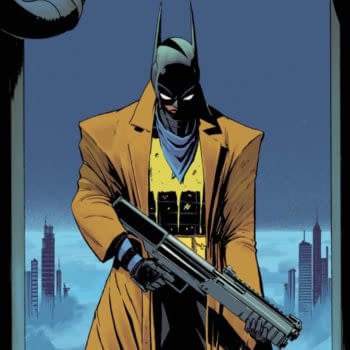
To understand the current tension, one must look at the unprecedented demand for Absolute Batman. Since its launch, the series has become a gold mine for the secondary market. Back issues that have been in circulation for less than two years are fetching four- and five-figure prices, a rarity for modern comics. This fervor has driven retailers to commission a deluge of exclusive variant covers, so many that DC Comics—a publisher typically eager to capitalize on such interest—had to place a hard cap on the number of retailer-exclusive variants to preserve the integrity of the market.
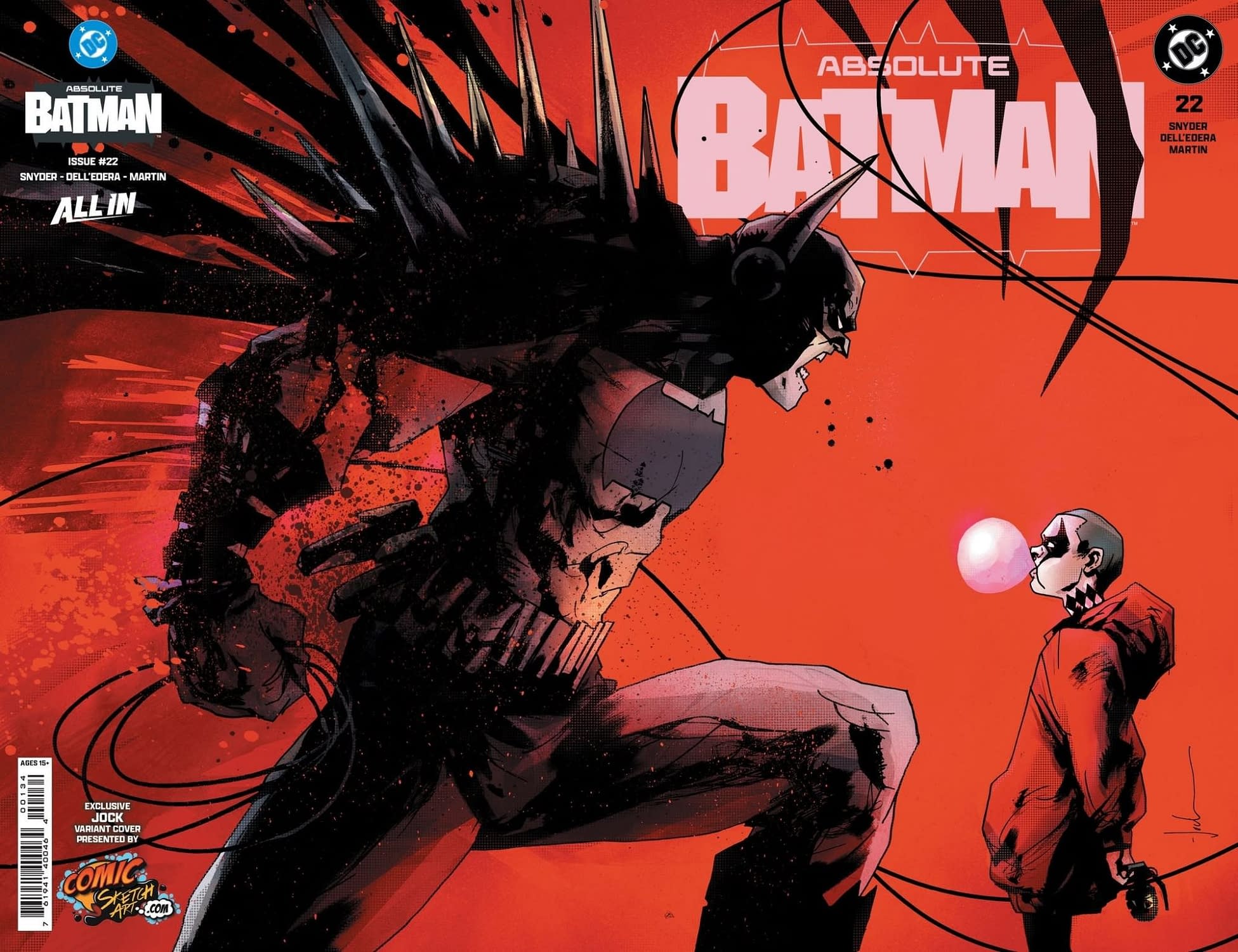
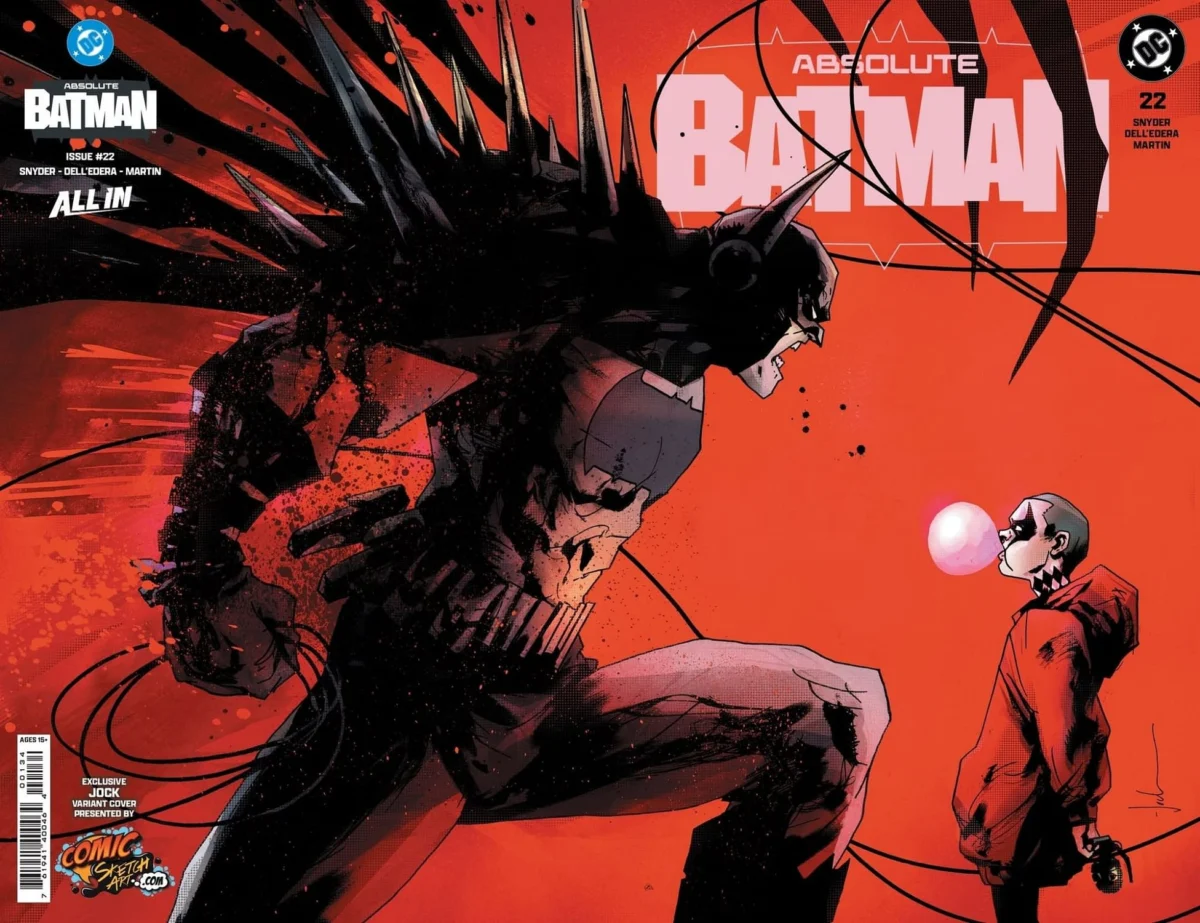
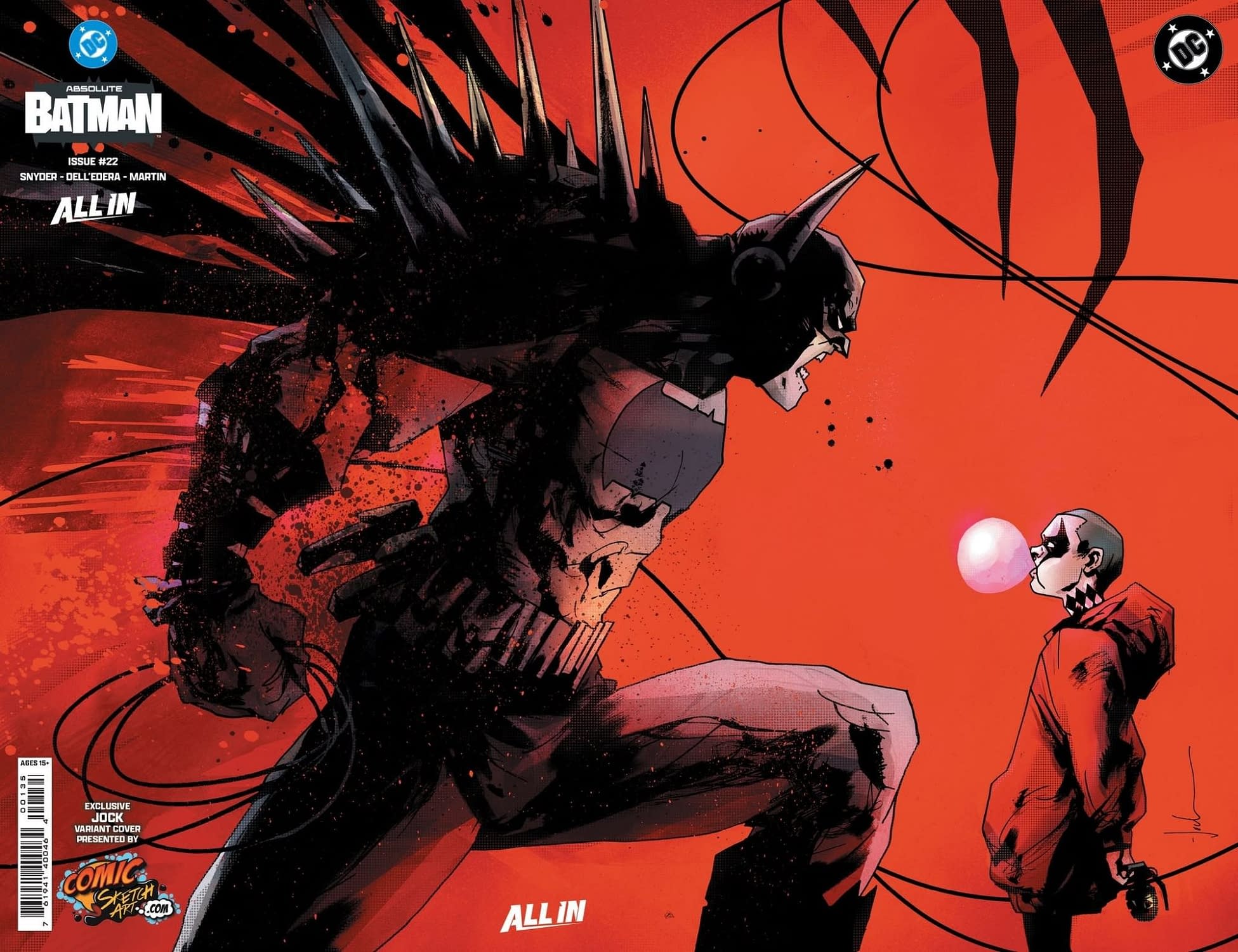
It is within this high-pressure environment that artist Mark Brooks, a prominent figure in the cover art scene, decided to pivot his business model. Brooks, who operates his own webstore, "Mark Brooks Art," announced that an exclusive Absolute Batman #22 cover by artist Jock, which was previously slated to be released through the established retailer ComicSketchArt, would instead be sold directly through his own platform. This move served as the spark that ignited a much larger, ongoing conflict regarding who should profit from the "Absolute" boom.
Chronology of the Conflict
The friction began when Mark Brooks utilized his social media platform to promote the Jock cover, framing the direct-to-consumer model as a way to "give back" to fans. Brooks stated, "My good friend, and one of my absolute favorite artists, Jock and I have decided to do his upcoming Absolute Batman #22 release through my website! Jock and I have decided to partner for this release because he wants to cater directly to his fans rather than going through a store or dealer."
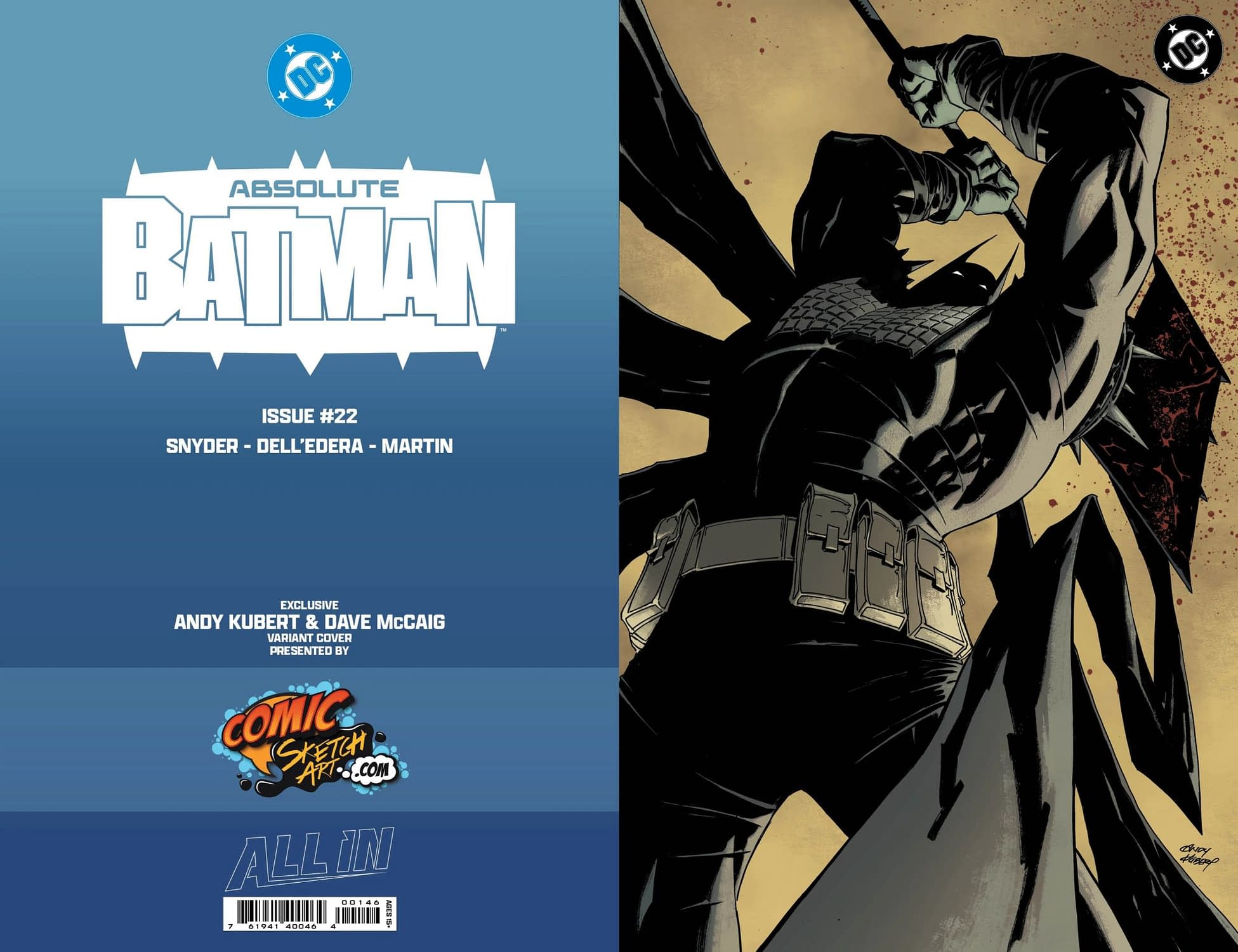
The backlash was immediate and multifaceted. Retailers, many of whom navigate thin margins and the significant financial risk associated with ordering thousands of copies of a single title, viewed Brooks’ entry into the space as a disruption. The criticism focused on the optics of a well-established artist/dealer acting as a middleman who bypasses traditional brick-and-mortar comic shops, effectively pulling market share away from those who have traditionally carried the industry’s overhead.
As the discourse intensified, other industry voices weighed in. Retailers began sharing private frustrations regarding the disparity between their own operating costs—which include staff, insurance, and the risk of unsold stock—and the margins enjoyed by artists who sell high-priced, limited-run variants directly.
The Financial Argument: Transparency vs. Entitlement
Mark Brooks, feeling the weight of the criticism, responded with a robust defense of his methods. He argued that the current industry standard for variant covers often exploits the artists themselves. "In many cases, the retailer is making mid-to-high five figures (sometimes even six figures) while only giving the artist 100 issues or so… plus a little money (often around $1,000)," Brooks noted. He challenged retailers to adopt a "partnership model," where profits are split 50/50 after costs are recouped, suggesting that this would incentivize artists to use their social media reach to drive massive sales.

However, industry veterans were quick to push back. Adam Phillips, a former DC Comics marketing executive with over two decades of experience, argued that the financial reality is rarely as simple as Brooks suggests. Phillips highlighted the "opportunity cost" and the reality of the gamble: "The difference is that if you are not making money, and the store is LOSING money, as they are out of pocket thousands of dollars… The scenario where sales are middling or dismal is far more common than ones that make $100,000."
The debate reached a fever pitch when Ian Jones of Gnostic Comics publicly challenged Brooks’ claims of "transparency." Jones provided a detailed breakdown of costs, estimating that printing, shipping, and board costs for a standard exclusive run were significantly lower than the prices being charged to consumers. Jones argued that the inclusion of "membership fees" to access these drops—effectively a subscription tax for the privilege of buying a comic—was exploitative. He questioned the necessity of the high markups, particularly in a struggling economy where disposable income is tightening.
Official Perspectives and Industry Standard-Bearers
The conversation has drawn in legendary creators as well. Rob Liefeld, who has managed his own retail variants for over a decade, offered a "Keep It Simple, Stupid" (K.I.S.S.) approach to the controversy. Liefeld noted that he has consistently bankrolled his own print runs, accepted the risks, and reaped the rewards. His stance suggests that the most effective way for creators to maximize their income is to move away from being a "hired gun" and toward becoming the publisher themselves. "The best remedy for receiving all the benefits is by bankrolling the license from the publisher or creating the product and owning the publishing aspects," Liefeld argued.
Meanwhile, retired retailer Cliff Biggers offered a more somber perspective, noting that the "sell-through" rate for many variants can be as low as 25%. This reality necessitates that stores must amortize the losses from unsold inventory across the copies that do sell, a financial burden that direct-to-consumer artists like Brooks, who often sell out their limited, high-demand runs, do not face.

Implications for the Future of Comic Retail
The "CoverGate" saga serves as a microcosm for the larger changes facing the direct market. As Absolute Batman continues to dominate, the pressure on retailers to compete with artists who possess massive personal followings will only increase.
- The Erosion of the Middleman: The success of direct-to-consumer sales, while lucrative for the artists involved, threatens the traditional comic shop ecosystem. If artists continue to bypass retailers, shops may find it increasingly difficult to survive on the razor-thin margins of standard monthly issues.
- The "Absolute" Ceiling: Many industry analysts, including Adam Phillips, warn that the Absolute Batman craze is a bubble. When the current hype cycle inevitably cools, the high-priced, high-quantity model may become unsustainable for everyone involved—artists and retailers alike.
- The Demand for New Models: The debate has effectively pushed the industry to demand more transparency regarding how these deals are structured. Whether through a percentage-based split or a shift toward creator-owned publishing, the status quo is clearly under fire.
- The Impact on the Consumer: Ultimately, the consumer is left navigating a landscape where the "rarity" of a comic is often artificially manufactured by limited print runs and high secondary-market price points. For the average collector, this has made participating in the hobby an increasingly expensive endeavor.
Conclusion
The controversy surrounding Mark Brooks, Jock, and the Absolute Batman variants is not merely about one specific cover or one specific artist’s store. It is a fundamental struggle over the value of labor and the mechanics of retail in the modern digital age. As the industry continues to ride the wave of Absolute Batman‘s success, the lessons learned from this clash will likely dictate how comic books are sold for years to come. Whether the industry moves toward a more equitable "partnership model" or continues to fragment into exclusive, high-cost ecosystems remains to be seen. What is clear, however, is that the era of "business as usual" for comic book variants has come to a definitive end.