

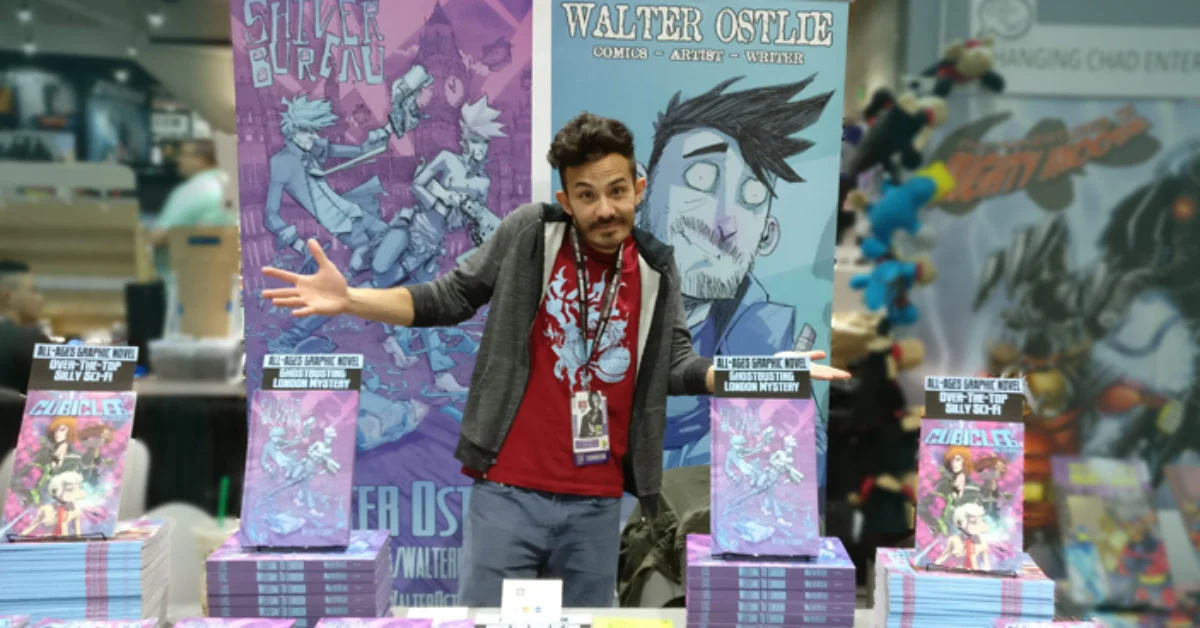
In the rapidly evolving landscape of independent comics, few creators have navigated the transition from traditional print to digital-first platforms as successfully as Walter Ostlie. A versatile writer and illustrator, Ostlie has spent the last twelve years refining a distinctively kinetic, stylized aesthetic while building a career that bridges the gap between niche graphic novels and global web-based platforms.
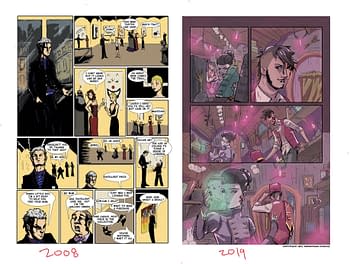
From his early days teaching himself the craft in 2008 to his current status as a featured creator on Webtoon, Ostlie’s journey serves as a blueprint for the modern, multi-hyphenate comic creator. In an exclusive interview with fellow creator Greg Anderson Elysee—the mind behind Is’nana the Were-Spider—Ostlie breaks down the realities of full-time self-employment, the impact of digital platforms on the industry, and the unrelenting grind of creative output.
The Chronology of a Creative Career
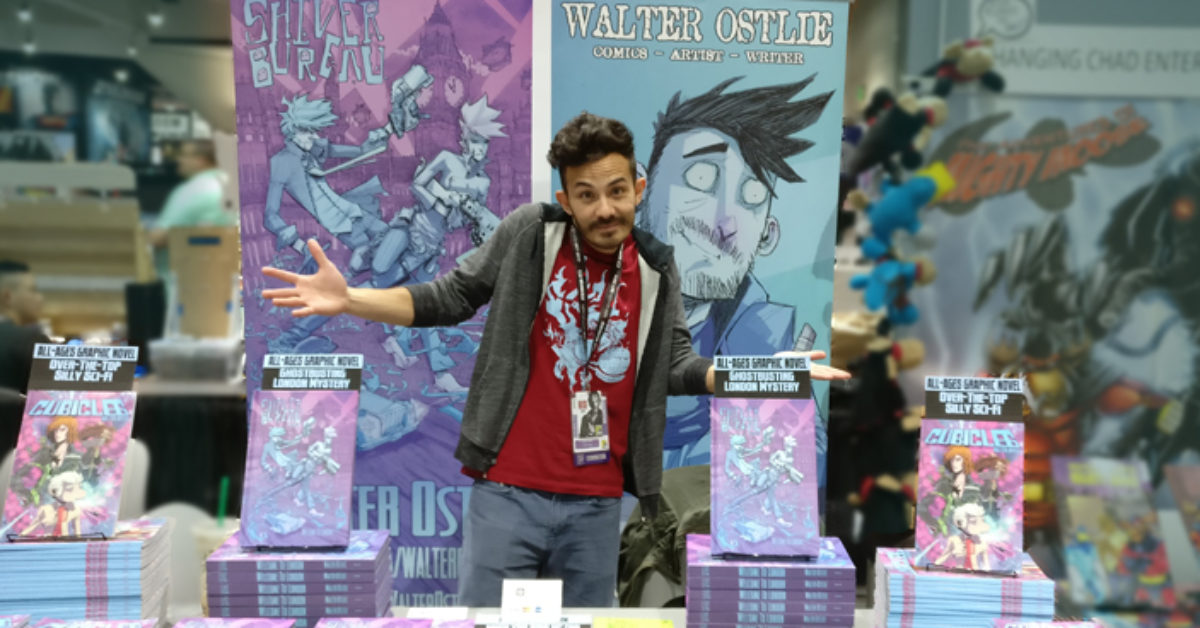
Walter Ostlie’s trajectory is marked by a series of calculated risks and professional milestones. His formal entry into the industry occurred in 2011 with the publication of Cubicles by Red5 Comics. This initial success provided the foundation for his sophomore project, Shiver Bureau, a supernatural Victorian-era mystery that saw significant support through a $13,000 Kickstarter campaign.
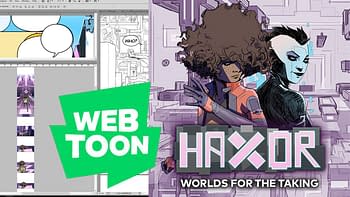
While Shiver Bureau was originally self-published, its success caught the attention of Scout Comics, leading to a broader distribution deal. This momentum ultimately propelled Ostlie into the digital sphere. Impressed by the quality and consistency of his work, the editorial staff at Webtoon invited him to create Haxor, a sci-fi series that would solidify his presence on the world’s largest webcomic platform.
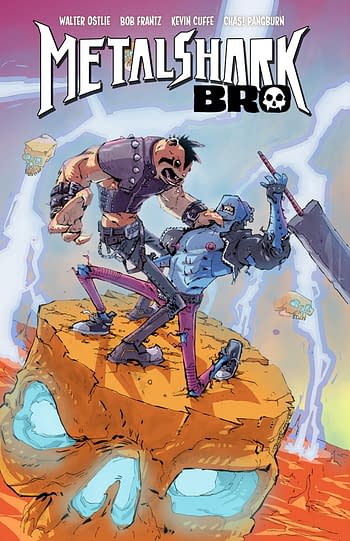
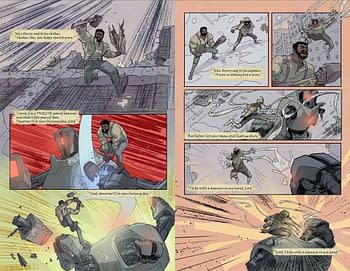
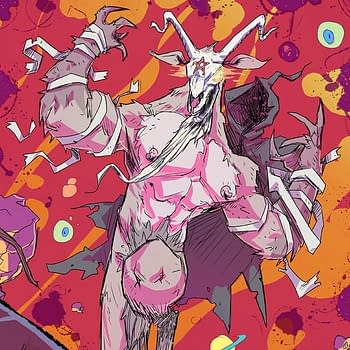
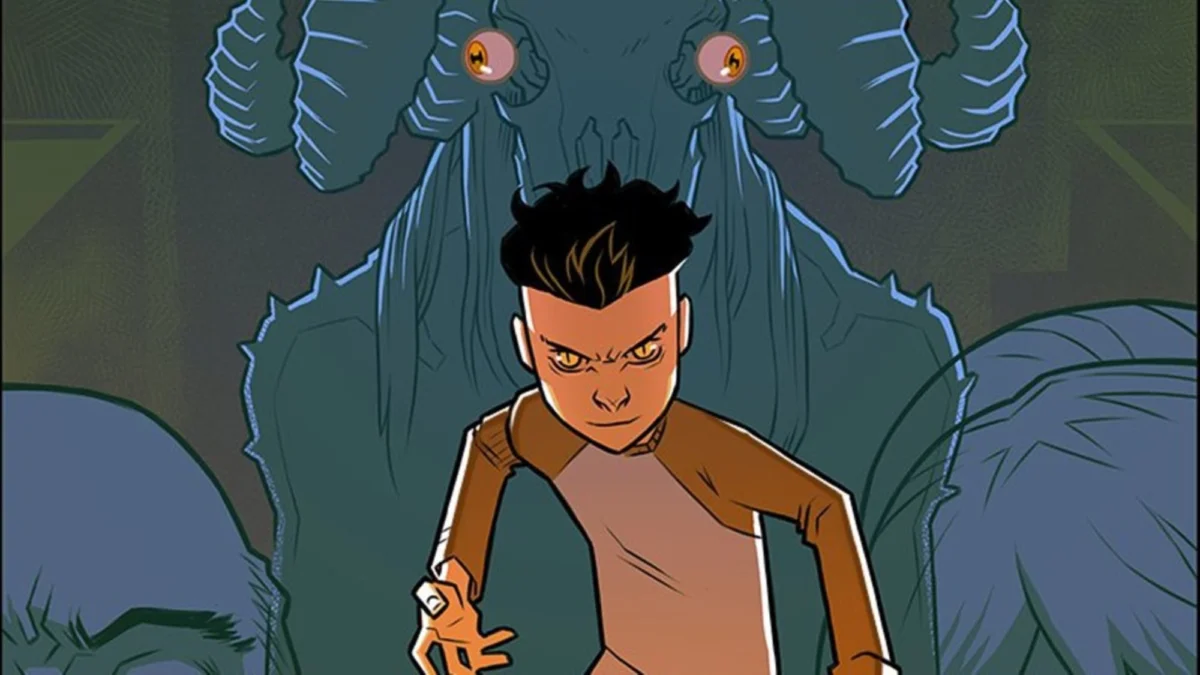
His recent work, Metalshark Bro—a tongue-in-cheek tale of a shark-man battling demons—not only demonstrated his ability to pivot between genres but also proved his drawing power, raising over $50,000 on Kickstarter. Beyond his solo projects, Ostlie has served as a key artistic collaborator for Is’nana the Were-Spider, further cementing his reputation as a reliable and visionary artist.
The Digital Shift: Redefining the "Webtoon" Model
A central theme in Ostlie’s professional life is the "plunge" he took into full-time freelancing. The catalyst was the demanding production schedule required by Webtoon. As Ostlie explains, the platform operates on a weekly release cycle, with each episode requiring the output of six to eight traditional American comic pages.
"That’s writing, drawing, coloring, and lettering," Ostlie notes. "I had to decide: do I pass on Webtoon and keep my 9-to-5, or do I take the plunge?"
The decision to transition to full-time self-employment three years ago has proven fruitful. By leveraging the Webtoon model—where creators receive a publishing fee while retaining their intellectual property—Ostlie has been able to sustain a career that balances creative ownership with financial stability. He describes the platform not just as a host for webcomics, but as a "Netflix-style" incubator that has fundamentally altered the economics of independent comic production in the United States.
Technical Evolution and the "Obstacle Course" of Art
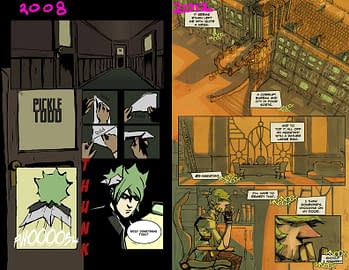
For Ostlie, artistic growth is not measured by the accumulation of awards, but by the efficiency and versatility developed through constant production. He admits that after twelve years, he has moved past the "exponential growth" phase of his early career and into a period of refinement.
"Stuff that would have taken me a few hours to draw, I can now draw in 30 minutes," Ostlie says. "Which isn’t something you can see on the surface, but making art for a living, it makes a huge difference."
He views the process of creating a comic as a grueling "obstacle course." Rather than isolating specific skills—like drawing hands or buildings—he forces himself to tackle them simultaneously within the scope of a 100-page project. This "baptism by fire" has necessitated a shift toward a more stylized aesthetic. Heavily influenced by artists like Skottie Young, Ben Templesmith, and Bryan Lee O’Malley, Ostlie has moved away from the hyper-realistic styles of his youth toward a visual language that is uniquely his own—one that balances the familiar with the "uniquely alien."
Behind the Scenes: The Daily Grind
For those who view professional comics as a glamorous pursuit, Ostlie’s daily regimen serves as a reality check. He adheres to a disciplined six-day work week, beginning at 7:00 AM and often working until 8:00 PM.
"It’s an old person schedule," he jokes, emphasizing that sleep is a non-negotiable factor in his productivity. "I’ve learned that not getting sleep puts my productivity in the crapper."
This discipline extends to his YouTube channel, where he demystifies the technical side of comic creation. With over 4,500 subscribers, the channel serves as a repository for his insights on writing, lettering, and the logistics of the industry. For Ostlie, this was a practical solution to a common problem: "People are overwhelmed by the technical stuff. I wanted to simplify that so they could focus on their stories."
The Implications for Future Creators
The current state of the comic book industry is in flux, and Ostlie’s success highlights several critical implications for aspiring creators:
- Platform Agnosticism: Success today is no longer tethered to traditional print distribution. Platforms like Webtoon provide a viable alternative for creators to reach a global audience while maintaining IP rights.
- The Importance of Collaboration: Ostlie’s advice for writer-artist dynamics is centered on radical transparency. He emphasizes that both parties must be prepared to provide—and receive—tough feedback regarding the narrative and visual flow of a project. "A writer needs to be okay with telling an artist that something isn’t right," he notes.
- Sustainability is Key: By embracing a stylized approach and optimizing his workflow, Ostlie has created a sustainable career model. He warns that trying to replicate the high-detail work of industry giants like Jim Lee is often a trap for independent creators who lack the time and resources of a massive studio.
Looking Ahead
While Ostlie is currently under contract for a secret project that will keep him occupied well into 2021, the community remains eager for more of his work, particularly in the Shiver Bureau and Is’nana universes. Whether or not he reunites with Anderson Elysee for a follow-up to their acclaimed John Henry crossover remains to be seen, as Ostlie has made a firm promise to himself to avoid new freelance commitments for the immediate future.
Ultimately, Walter Ostlie represents a new breed of comic professional—one who is as comfortable with the creative act of storytelling as he is with the business of self-promotion and the technical demands of digital publishing. As the industry continues to move toward more creator-centric models, artists like Ostlie are not just adapting; they are setting the pace.









No comments yet. Be the first to join the conversation!