Layla Zulfa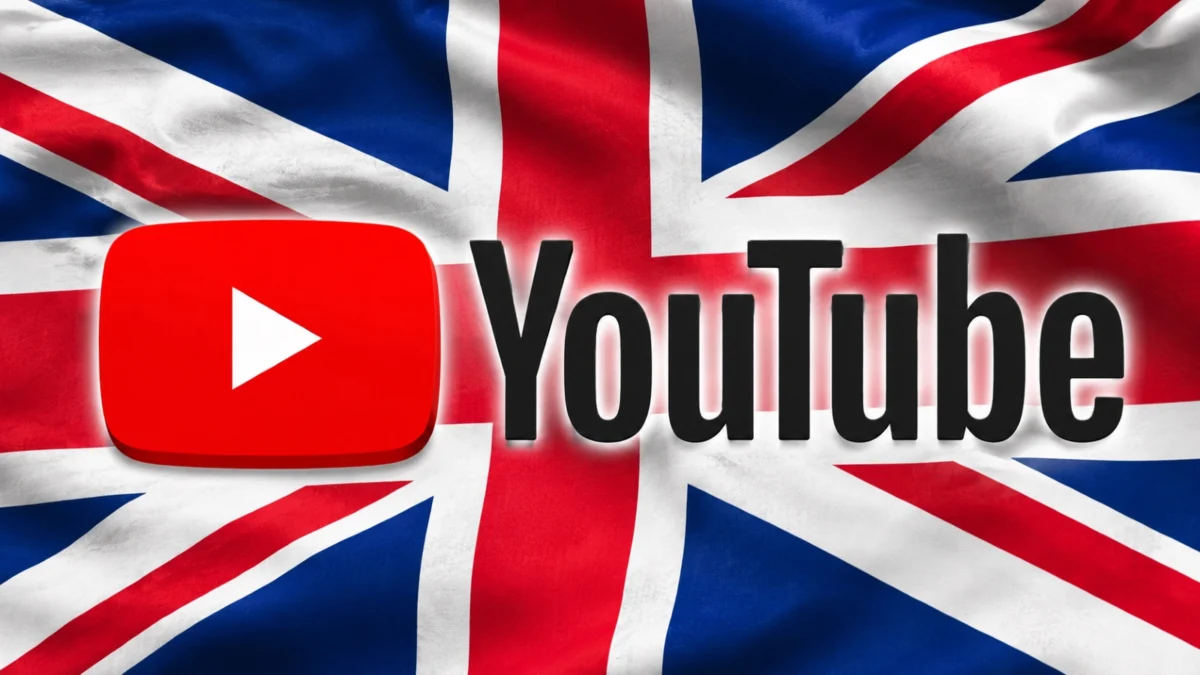
A quiet revolution is brewing in the corridors of Westminster—one that threatens to fundamentally alter the digital landscape for millions of UK creators. The British government has launched a public consultation titled “Watch this space: a new strategic direction for UK media,” a policy initiative that could mandate how platforms like YouTube and TikTok curate their discovery algorithms.
At the heart of the debate is a proposed “prominence regime.” If enacted, this policy would force major video-sharing platforms to prioritize content from traditional Public Service Broadcasters (PSBs)—such as the BBC, ITV, Channel 4, and Channel 5—above the independent creator content that currently defines the platform’s ecosystem. YouTube, in an unprecedented move, has begun mobilizing its creator base, warning that these regulations could “severely limit” the growth of independent channels and fundamentally break the bond between creators and their audiences.
The Genesis of the Conflict: Why Now?
The push for this legislation stems from a growing anxiety among legacy media institutions. For decades, the BBC and other PSBs have operated as the bedrock of British culture, providing “trusted journalism” and high-quality entertainment. However, the rise of the digital creator economy has shifted the tectonic plates of viewership.
In recent years, PSBs have argued that their content is being unfairly marginalized by algorithmic systems designed to maximize engagement, entertainment, or, in many cases, promote content from international publishers. As audiences migrate from linear television to platforms like YouTube and TikTok, these broadcasters feel their role in society—and their ability to reach the public during moments of national importance—is under threat.
The government’s consultation document frames this as a matter of “strategic direction.” The objective is to ensure that when a British user opens a video app, they are not just met with viral trends or entertainment, but with content deemed to be in the public interest. The government is now weighing options to force platforms to grant greater visibility to PSB content, particularly during times of crisis or major national news events.
Chronology of the Regulatory Push
- Pre-2026: Traditional broadcasters experience a steady decline in linear viewership, leading to internal lobbying for government support to maintain their market relevance in a digital-first world.
- Early 2026: The UK Department for Culture, Media and Sport (DCMS) begins drafting a green paper aimed at modernizing media regulation to account for the dominance of social media and video-sharing platforms.
- July 2026: The government officially publishes the “Watch this space: a new strategic direction for UK media” consultation paper, inviting stakeholders to weigh in on how to enforce “prominence” for public service media.
- July 4, 2026: YouTube issues an urgent alert to its UK creator community, framing the proposal as a threat to the “fair shot” principle that has allowed the platform to thrive.
- August 31, 2026: The deadline for public submissions to the consultation, marking the final window for creators and tech companies to influence the draft legislation.
The Mechanics of the “Prominence Regime”
The term “prominence regime” refers to a regulatory framework where the government dictates that specific entities must be given preferential treatment in software interfaces. In the context of television, this is already standard; broadcasters have historically been guaranteed high-priority slots on electronic program guides (EPGs). The government is now proposing to extend this concept into the digital realm.
If implemented, YouTube’s recommendation engine—the proprietary algorithm that decides what appears on a user’s homepage, in search results, and in the “Up Next” sidebar—would be subjected to government-mandated overrides. The platform would essentially be forced to “downrank” high-performing creator content to make space for PSB content, regardless of whether that content aligns with a user’s individual viewing history or expressed interests.
YouTube’s Stance: “Keep YouTube Yours”
YouTube’s response has been swift and combative. By launching the campaign #KeepYouTubeYours, the platform is effectively pivoting from its usual neutral stance to acting as an advocate for its creator ecosystem.
In messages sent to UK-based creators, YouTube’s tone is one of alarm. “YouTube has always operated on the principle that every creator gets a fair shot,” the platform stated. “But new UK proposals could change that—requiring us to put some channels above others.”
YouTube argues that its current algorithm is highly successful because it is meritocratic; it relies on signals like watch time, click-through rates, and audience retention to decide what content is “good.” By inserting a political layer into this process, YouTube warns that the platform risks becoming a top-down broadcast medium rather than a bottom-up community. The platform fears that forcing content onto viewers that they did not explicitly seek out will lead to a decline in engagement and, ultimately, a migration of viewers to less regulated platforms.

Implications for the Creator Economy
The stakes for the UK creator economy are immense. For many, YouTube is not just a hobby but a primary source of income. If the algorithm is forced to prioritize PSB content, the “reach” of independent creators could be severely curtailed.
1. Fragmentation of Audience Reach
Creators thrive on the “discovery” aspect of YouTube. If a significant percentage of available screen real estate is reserved for legacy broadcasters, independent creators—who often produce niche, educational, or highly specific entertainment content—will see their impressions drop. This could lead to a decrease in revenue, which is directly tied to views and ad impressions.
2. The End of the Audience-Creator Bond
YouTube’s success is built on the direct, parasocial, and authentic connection between creator and viewer. This is the antithesis of the one-to-many model of traditional television. If users feel that the platform is being manipulated by government mandates, it could erode the trust they have in the recommendation system, leading to a perception that the platform is “politicized.”
3. Impact on Innovation
The current system rewards experimentation. Creators are constantly iterating, trying new formats and topics to see what resonates with their audience. A “prominence” system that prioritizes specific institutions discourages this type of innovation, as the playing field is no longer level.
The Broader Regulatory Landscape: Misinformation and Viewing Habits
Beyond the issue of prominence, the consultation is also addressing the rise of misinformation and the changing nature of online viewing habits. The government is concerned that as traditional media loses its grip on the national conversation, social media algorithms may be inadvertently fueling polarization or the spread of false information.
While few would argue against the need for high-quality, verified journalism, the question remains whether forcing that content onto users is the most effective solution. Critics of the proposal suggest that it addresses the symptoms of the legacy media’s decline rather than the cause. Instead of compelling YouTube to act as a broadcaster, they argue, the government should look at how PSBs can improve their own digital strategies to compete in the creator economy on their own merits.
Looking Ahead: The August 31 Deadline
As the August 31 deadline approaches, the pressure is mounting for all sides. The government is clearly signaling that it views the dominance of Big Tech as a policy area that is no longer “hands-off.” Meanwhile, the creator community is beginning to realize that their livelihoods could be altered by a single piece of legislation.
For the UK’s vibrant creator sector—which includes global stars like MrBeast, who have significant audiences in the UK, and thousands of smaller, locally-focused educational and entertainment channels—this is a watershed moment. Whether this leads to a new era of “public-interest-first” discovery or a chilling effect on the creator economy remains to be seen.
As the consultation period closes, the government will be tasked with balancing the need for public service broadcasting with the reality of a global, creator-led digital market. For now, the message from the platforms and their creators is clear: they believe the algorithm should be governed by the audience, not the state. The coming months will determine if that argument holds sway in the corridors of power.


 Azzam Bilal Chamdy
 Reynand Wu