The world of culinary content creation, often characterized by aesthetically pleasing montages of ganache drips and perfectly tempered chocolate, has been rocked by a high-stakes legal and ethical drama. In June, a fierce dispute between two prominent TikTok baking creators, SweetTreatsByAshley and Cake by Kaity, spiraled from a private accusation into a multi-million-view cultural phenomenon. The fallout resulted in lost brand partnerships, widespread debates over intellectual property law, and a stark reminder of the volatile nature of "cancel culture" within the creator economy.
The conflict centered on a seemingly innocuous item: a Fruity Pebbles cake pop. While the subject matter may appear trivial, the implications regarding copyright, online professional conduct, and the power of mass digital mobilization have left the baking community—and the legal experts observing it—re-evaluating how recipes and creative labor are protected in the digital age.
The Chronology of a Digital Feud
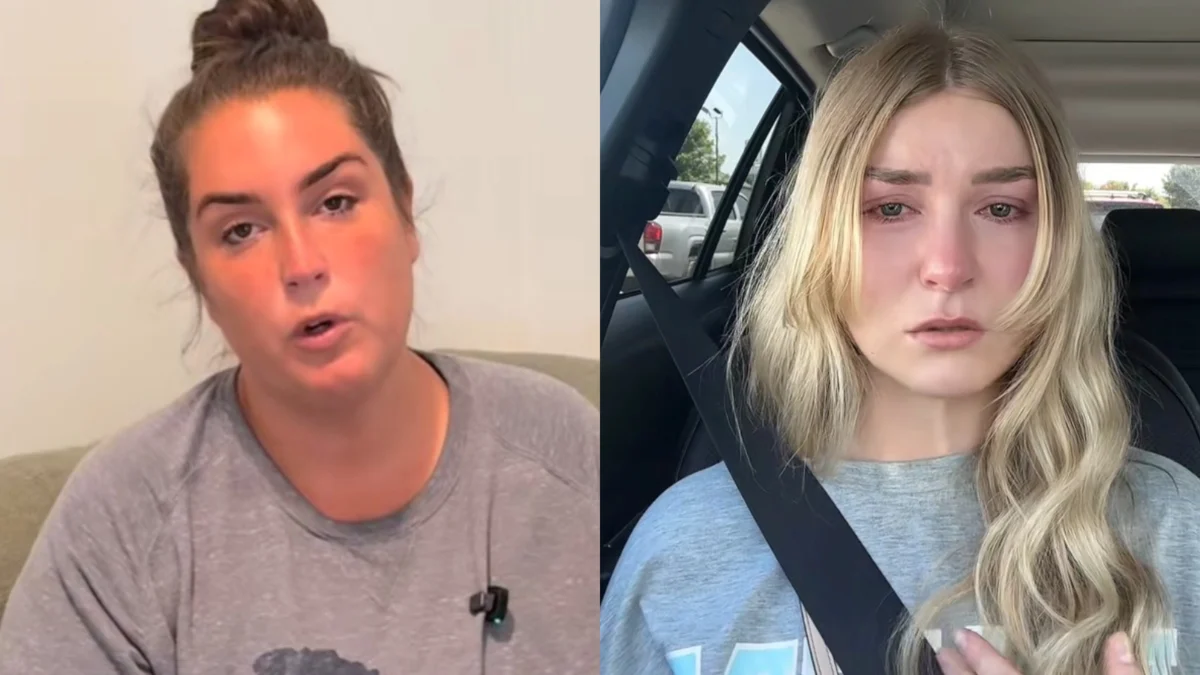
The saga began in mid-June when Cake by Kaity, a creator with a substantial following, posted a now-deleted video directed at SweetTreatsByAshley. In the video, Kaity alleged that Ashley had misappropriated a specific recipe for Fruity Pebbles cake pops, which Kaity claimed was exclusive to her paid virtual cookbook.
The Accusation
Kaity’s initial video was framed as a stern warning. She asserted that her proprietary recipes were protected by copyright law and that Ashley’s unauthorized sharing of the recipe constituted a violation of her intellectual property. "When someone has a copyright, you cannot take and distribute the work within that book," Kaity stated, adding that such infringements were a frequent occurrence in her professional life. She issued an ultimatum, demanding that Ashley remove the content within 24 hours.
The Viral Response
The situation took an abrupt turn when Ashley responded with an emotional video that quickly transcended the baking niche. Filmed in a Walmart parking lot, the video captured Ashley in tears, expressing her shock at being publicly called out. The clip garnered over 19 million views, catapulting the dispute into the mainstream consciousness.
In her rebuttal, Ashley vehemently denied purchasing or accessing Kaity’s cookbook. She explained that her recipe was an independent creation, developed using common techniques and standard ratios that Kaity had previously shared in public forums. "She’s made a whole video about me, threatening to sue me, because I stole her copyrighted recipe," Ashley stated. "Girl, I don’t have your recipe. I never bought your cookbook."
The Legal Reality: Can You Copyright a Recipe?
The core of the dispute relied on a common misconception regarding intellectual property law in the United States. While the legal community has long dealt with the nuances of culinary creation, the general public remains largely unaware of the distinction between a creative work and a functional list of ingredients.
Copyright vs. Culinary Formulation
Under U.S. Copyright Office guidelines, recipes are generally not eligible for copyright protection. While the expression of a recipe—such as the specific prose, photography, or creative arrangement in a cookbook—is protected, the underlying list of ingredients and the functional steps required to combine them are considered "facts" or "processes."
Consequently, a baker cannot legally prevent others from making, sharing, or even selling a cake pop made with Fruity Pebbles, provided they are not copying the literary expression of the cookbook itself. This legal reality provided the foundation for the overwhelming public support Ashley received; viewers and legal commentators alike pointed out that the threat of a lawsuit was, in the eyes of many, legally unfounded and professionally aggressive.
The Collateral Damage: Brand Partnerships and Professional Fallout
The backlash against Cake by Kaity was swift and severe. As the video circulated, the court of public opinion turned sharply against her. Influencers and celebrities, including reality TV star Snooki, publicly threw their support behind Ashley, amplifying the scrutiny on Kaity’s conduct.
Economic Consequences
The professional repercussions for Kaity were immediate. Her corporate partners, sensing the shift in public sentiment, took decisive action to distance themselves from the controversy.
- DaisyMakes: The company announced the indefinite suspension of its collaboration with Kaity, the "Cakesicle Popper."
- B&B Sweets: The brand stated they would no longer actively promote Kaity’s products, explicitly noting that "kindness, respect, and professionalism will always matter."
These actions underscore the fragility of the creator-brand relationship. In the modern influencer economy, creators are essentially their own brands, and a loss of public trust—whether through legitimate grievances or PR blunders—can result in immediate and tangible financial losses.
Official Responses and the Path to Reconciliation
Following the massive wave of criticism, Cake by Kaity issued an apology. The video, which aimed to address the fallout, acknowledged the "f***-up" and her failure to handle the situation with grace. "Yesterday I really messed up, and I’m not proud of how I handled the situation," she said, admitting that she had fundamentally misunderstood the boundaries of copyright law.
The Dark Side of Internet Justice
However, the aftermath was not limited to professional setbacks. Kaity reported receiving a deluge of vitriol, including death threats and racist slurs directed at her family. This shift—from a debate about cake pops to the targeted harassment of an individual—prompted Ashley to intervene.
In a display of maturity, Ashley urged her followers to cease the harassment. "I’m sure she got the point and will do better in the future," Ashley wrote. "I don’t want anyone to ever feel the way I felt when this all started." Her plea for de-escalation served as a powerful reminder that while accountability is necessary, the mob-mentality inherent in viral TikTok drama often overshoots the mark, leading to real-world trauma.
Implications for the Creator Economy
The SweetTreatsByAshley vs. Cake by Kaity controversy is far from an isolated incident. It serves as a case study for the growing pains of a creator-driven digital landscape.
1. The Weaponization of Copyright
This dispute highlights the "weaponization" of legal threats by creators who may not fully understand the scope of their protections. As influencers transition from hobbyists to professional business owners, the need for legal literacy—and a better understanding of how intellectual property functions—has become paramount.
2. The Spillover Effect
This incident is part of a larger trend where digital conflicts result in real-world consequences. Whether it is a dispute over recipes or public confrontations in restrooms, the internet has become a place where private disagreements are adjudicated by millions of strangers. The "Oklahoma restroom" incident, which saw a man lose his job after a viral confrontation, mirrors the current situation in its severity and the speed at which the internet can destroy a person’s livelihood.
3. The Need for Professionalism
The reactions of brands like B&B Sweets indicate that companies are becoming increasingly sensitive to the behavior of their partners. Being a successful influencer is no longer just about content quality; it is about maintaining a brand image that aligns with consumer values. When a creator engages in public hostility, they risk being seen as a liability, not an asset.
Conclusion: A Lesson in Digital Etiquette
As the dust settles, the baking community is left with a cautionary tale. While the initial dispute was about the ownership of a recipe, the lasting impact is a lesson in the power of public perception and the importance of professional restraint.
The incident has highlighted a vital shift in the digital landscape: as creators gain more power, they are increasingly expected to adhere to the standards of professional organizations. The ease with which an individual can be "canceled" or lose their brand partnerships should serve as a stark reminder that in the hyper-connected world of TikTok, every action, every accusation, and every response is under a microscope.
Moving forward, the hope remains that creators will prioritize collaboration over litigation, and that the audience will recognize the difference between holding someone accountable and participating in a campaign of harassment. For Ashley and Kaity, the chapter may be closing, but for the rest of the creator community, the lessons learned here will likely echo for some time.