

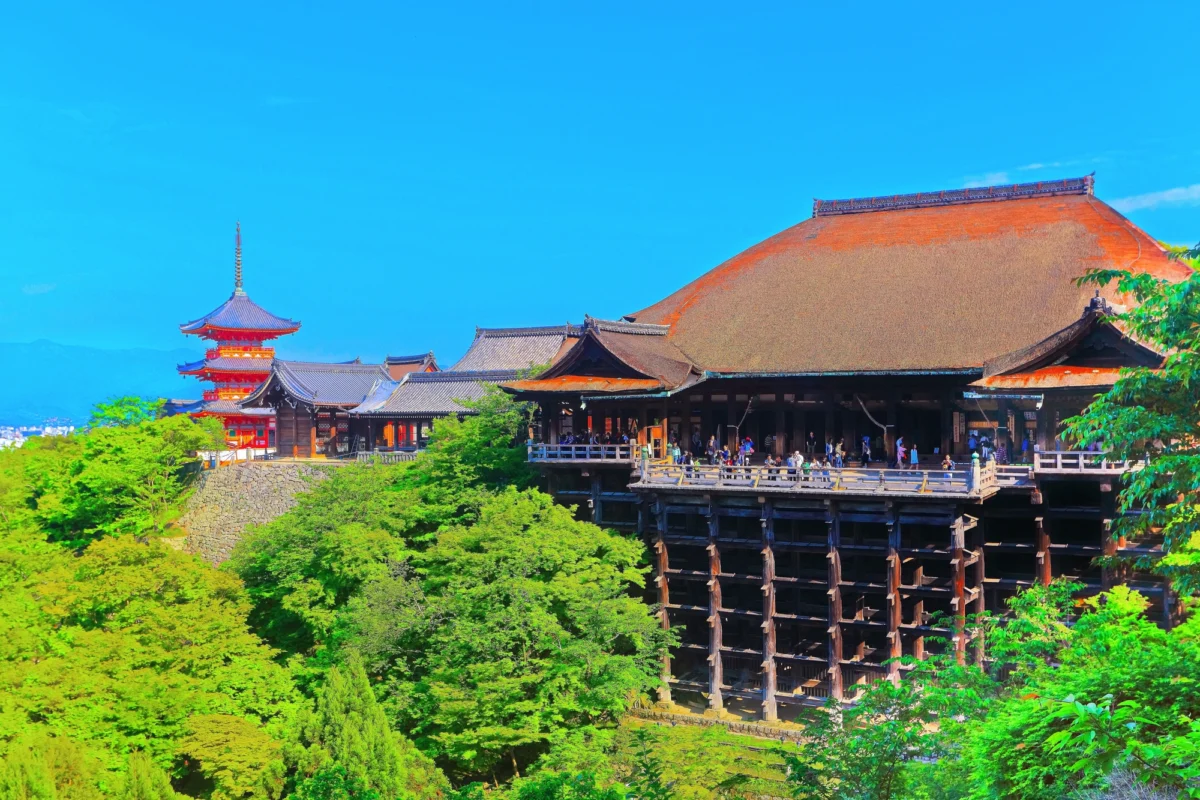
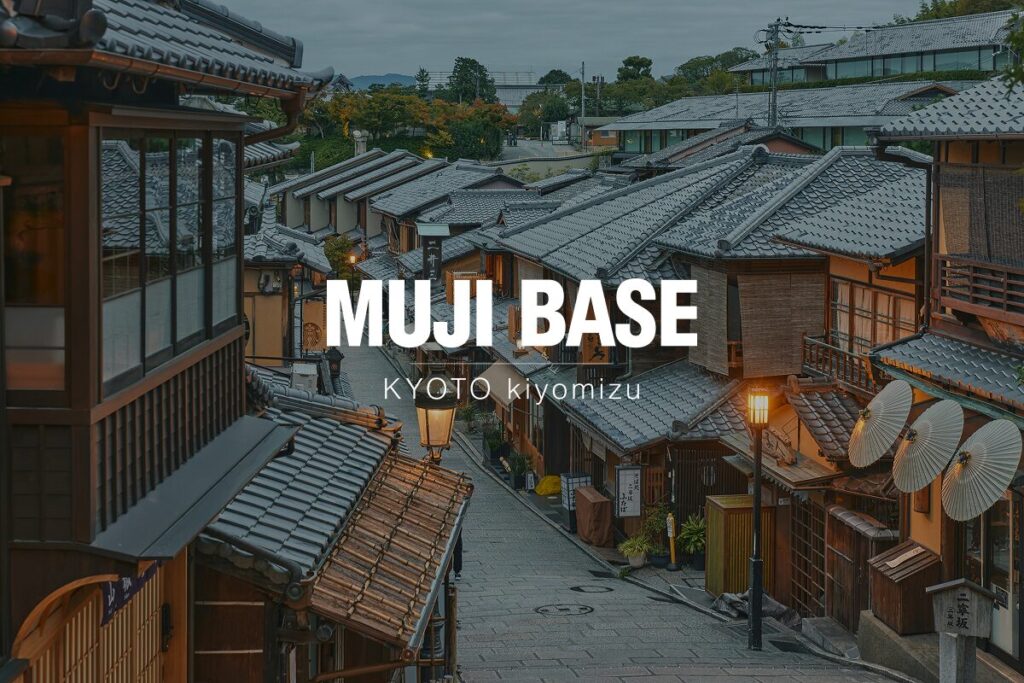
In the heart of Kyoto’s Higashiyama district, where the scent of incense drifts from centuries-old shrines and the streets are perpetually thronged with visitors, a new hospitality concept has emerged. MUJI BASE Kiyomizu, the latest venture from Ryohin Keikaku—the parent company of the ubiquitous Japanese retail giant MUJI—promises a stay that is supposedly “anti-tourism.” However, the arrival of this boutique property in the epicenter of Japan’s most acute overtourism crisis has ignited a firestorm of criticism, forcing a conversation about the role of corporate brands in managing the delicate balance between local culture and global demand.
Main Facts: A New Model of Hospitality
MUJI’s entry into the hotel industry has always been defined by its minimalist, “no-brand” aesthetic. The company currently manages two distinct hospitality lines: the urban-centric MUJI HOTEL and the regional-immersion MUJI BASE.
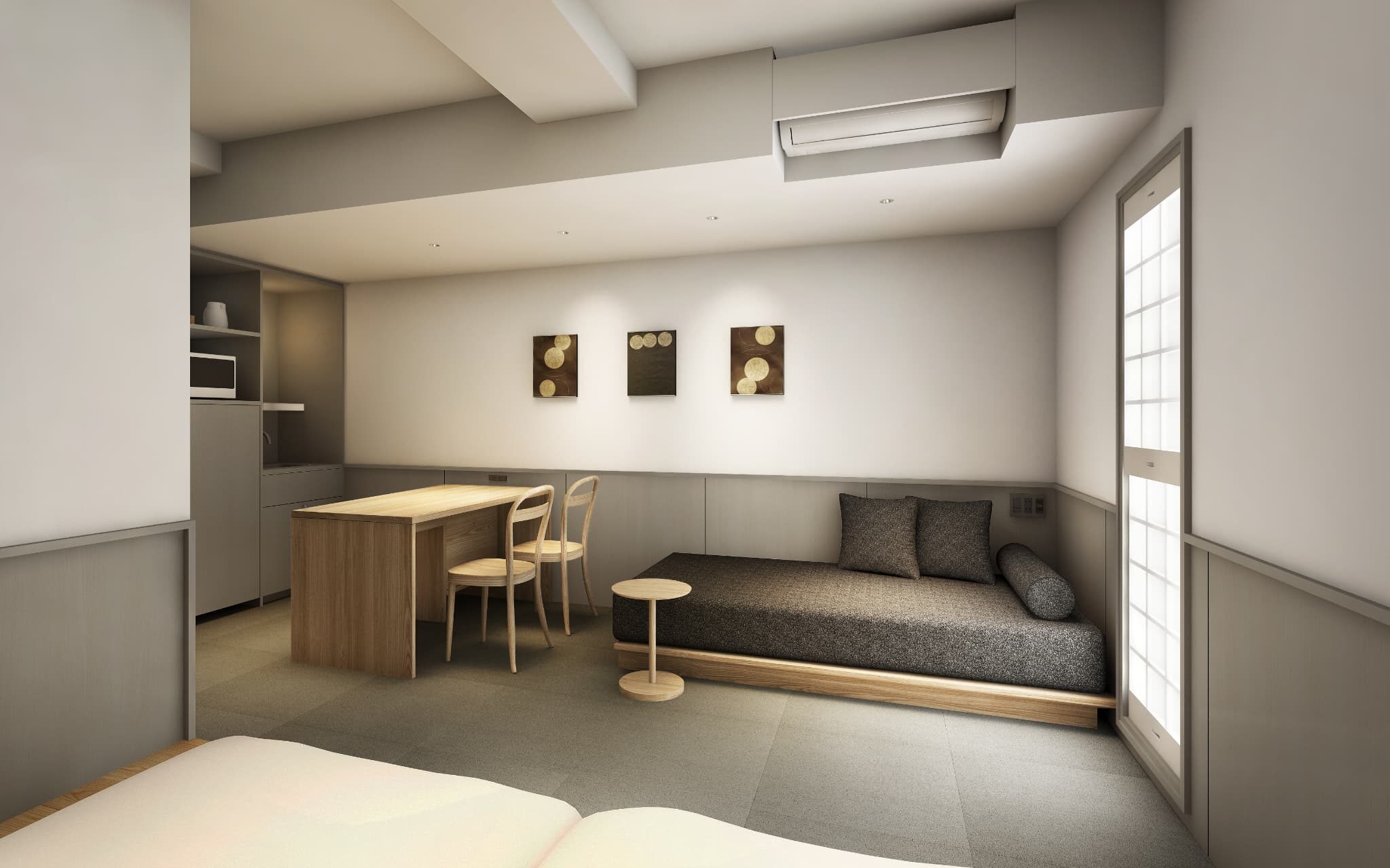
The MUJI HOTEL line, which operates in Tokyo’s Ginza district as well as Shenzhen and Beijing, follows a philosophy of "anti-gorgeous, anti-cheap." It offers optimized, functional stays for the modern city traveler, typically starting at approximately ¥14,900 ($93) per night. These properties prioritize utility and design, stripping away unnecessary luxury to focus on the essential comforts of a well-traveled life.
MUJI BASE, by contrast, was designed as a vehicle for regional revitalization. Previous iterations of the concept, such as MUJI BASE KAMOGAWA and MUJI BASE OIKAWA in Chiba Prefecture, focused on the adaptive reuse of neglected infrastructure—transforming abandoned 100-year-old farmhouses and shuttered schools into hubs for rural tourism.
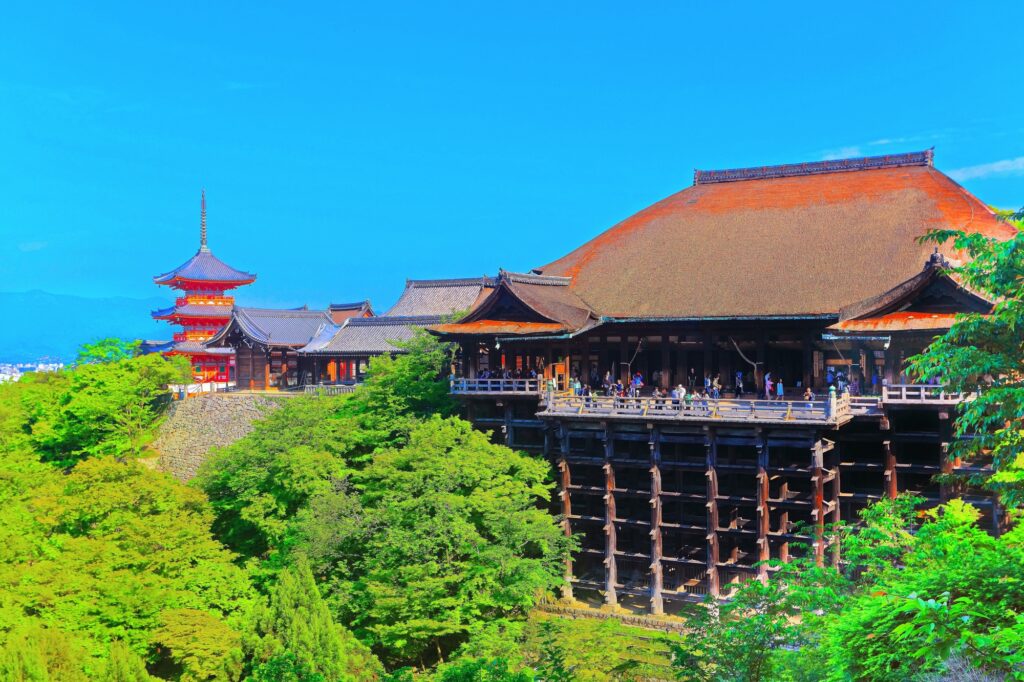
MUJI BASE Kiyomizu, which opened its doors in May, departs from this rural-revitalization mission. Situated a stone’s throw from the iconic Kiyomizu-dera Temple, the property occupies a renovated former hotel. It is a calculated departure from the brand’s previous rural endeavors, positioning itself as an "anti-tourism" accommodation in a city where tourism has become synonymous with congestion.
Chronology: From Retail Giant to Hotelier
The trajectory of Ryohin Keikaku’s expansion into hospitality reflects a broader trend in Japanese retail, where lifestyle brands seek to monetize the "experience" of their products.
- 2019: The first MUJI HOTEL debuts in Ginza, Tokyo, cementing the brand’s move into high-end, minimalist hospitality.
- 2023-2024: The company pivots toward the MUJI BASE concept, focusing on regional Japan. The goal is to breathe new life into depopulated areas, using MUJI’s design language to attract travelers to neglected locales.
- May 2026: MUJI BASE Kiyomizu opens. Unlike the rural "Base" projects, this property is located in the most densely visited part of Japan, signaling a shift in strategy toward premium, location-based experiences.
- Present Day: The hotel faces intense public scrutiny following media coverage that labels it an "anti-tourism" concept, triggering a heated debate on social media platforms regarding the ethics of tourism in saturated urban environments.
Supporting Data: The Overtourism Crisis
The skepticism surrounding MUJI BASE Kiyomizu is not born of a vacuum; it is a response to the overwhelming statistics of Japanese tourism. In 2025 alone, Japan welcomed over 40 million international visitors. While this influx is a boon for the national economy, it has created a "dispersion problem."
Data consistently shows that tourist traffic is heavily concentrated in a handful of regions. Of Japan’s 47 prefectures, only seven capture the lion’s share of inbound travel. More than half of the country’s prefectures are virtually absent from the top 100 tourist destination lists. Kyoto, specifically, has become the poster child for the negative externalities of this growth.
The city has been forced to implement radical policy changes to cope with the surge. These include:
- Two-tier transit pricing: Increasing bus fares for non-residents to discourage the use of local public transport by tourists.
- Tourist-only buses: Attempting to separate local commuters from the masses of sightseers.
- Entry restrictions: Implementing bans on photography or access to certain private alleyways in historic districts like Gion to prevent the harassment of local residents.
The decision to place a MUJI BASE—a concept that previously championed rural preservation—in the middle of this fray appears, to many critics, as a tone-deaf exercise in brand marketing.
The "Anti-Tourism" Philosophy: What is it?
The marketing materials for MUJI BASE Kiyomizu are designed to appeal to the "slow traveler." The hotel offers an "outing kit" featuring a MUJI water bottle, a tote bag, and a curated map of nine local experiences. These include kintsugi pottery repair workshops, visits to traditional tofu shops, and pre-dawn walks to Kiyomizu-dera to experience the temple before the general public arrives. The first floor hosts a branch of the long-established Kyoto roaster, Ogawa Coffee, which serves obanzai (traditional Kyoto home-style) breakfast.
The brand argues that by providing these tools, they are enabling guests to bypass the "tourist traps" and interact with the local economy. They frame the experience as "living like a local." However, the irony is not lost on the public: by attracting more visitors to an area already struggling with capacity, the brand risks accelerating the very phenomenon it claims to avoid.
Public and Official Responses
The backlash has been swift and vocal, particularly on platforms like Yahoo! News Japan. A common theme in the discourse is the frustration with the "everyday experience" branding.
"You can’t get the real experience of living somewhere without staying multiple nights," one prominent commenter remarked, suggesting that a true "anti-tourism" initiative should enforce minimum three-night stays to reduce the high turnover of short-term visitors. Others were more blunt, calling the branding "insincere." One user noted: "This isn’t anti-tourism. It’s full-on sightseeing. Why here of all places?"
Ryohin Keikaku has remained largely on the defensive, emphasizing their commitment to architectural preservation and local engagement. However, critics point out that MUJI BASE Kiyomizu does nothing to alleviate the strain on infrastructure; instead, it invites more guests into an area that is already screaming for relief.
Implications for the Future of Japanese Travel
The controversy surrounding MUJI BASE Kiyomizu serves as a case study for the friction between corporate growth and community sustainability. As Japan continues to push for higher inbound numbers, the tension between major hospitality chains and the residents of historic cities will only intensify.
The Dispersion Mandate
If the goal is to address overtourism, experts argue that the focus must shift away from Kyoto, Tokyo, and Osaka. For travelers, the implication is clear: if you wish to support a sustainable model of tourism, you must look beyond the "Golden Route." Rural mountain towns, the northern prefectures of Tohoku, and the rugged coastlines of Shikoku offer authentic experiences without the burden of over-commercialization.
The Corporate Responsibility Dilemma
Can a major retailer simultaneously be a steward of the environment and a growth-oriented business? The MUJI BASE concept succeeds when it brings resources to neglected areas, but it falters when it attempts to "gentrify" the experience of an already saturated tourist hub.
For future hotel projects, the lesson is clear: true "anti-tourism" is not about the aesthetic of the room or the inclusion of a curated map—it is about location. By placing their newest "Base" in the middle of Kyoto’s most crowded district, MUJI has inadvertently highlighted the limits of their own philosophy.
As the debate continues, the onus is now on the hospitality industry to move past buzzwords. To be truly "anti-tourism," a hotel must be willing to go where the tourists are not, to invest in the communities that need the support, and to stop competing for space in the cities that are already bursting at the seams. Whether Ryohin Keikaku will adjust its strategy for future MUJI BASE locations remains to be seen, but the public, for one, is no longer buying the "anti-tourism" label in the face of blatant over-saturation.











