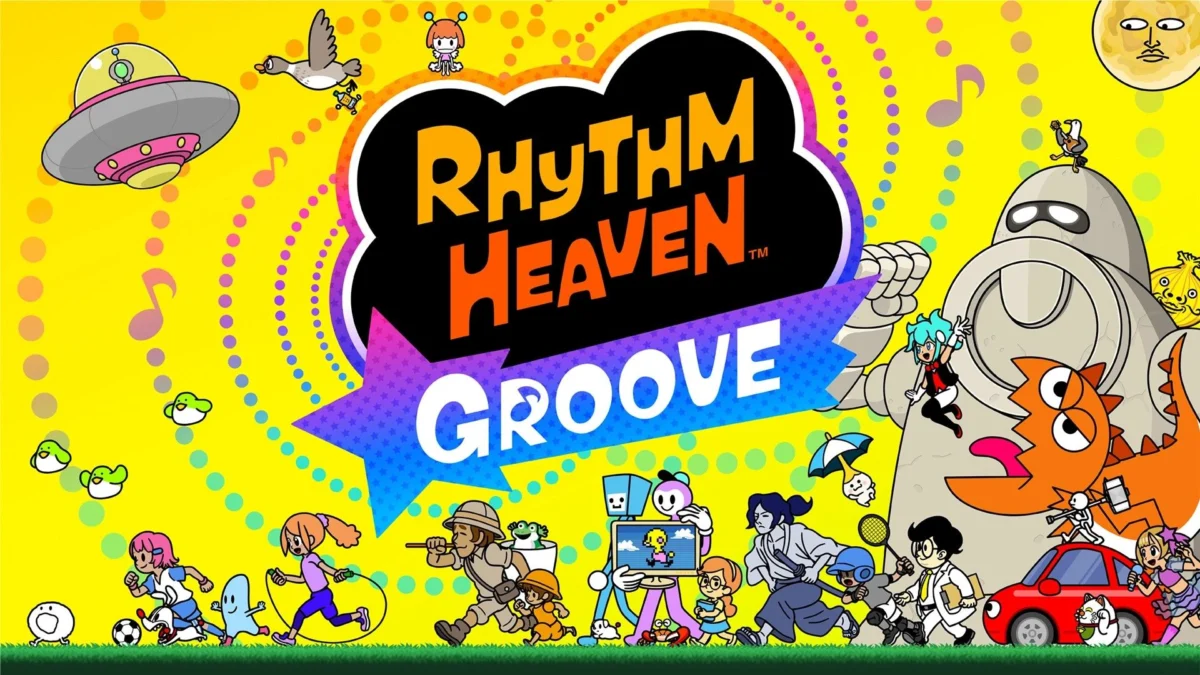
The rhythm game genre has long occupied a unique space in the interactive entertainment landscape, often balancing the fine line between accessible fun and punishing precision. Since the inception of the Rhythm Heaven series—known in Japan as Rhythm Tengoku—Nintendo has masterfully utilized the medium to explore the human capacity for musical timing through absurd, charming, and deceptively complex minigames. Now, with the release of Rhythm Heaven Groove for the Nintendo Switch, the franchise returns to the spotlight, promising a fresh, high-definition evolution of its iconic "simple yet deep" philosophy.
Main Facts: A Symphony of Simple Inputs
Rhythm Heaven Groove, developed through a continued collaboration between Nintendo SPD and the visionary Japanese producer Tsunku♂, represents the latest evolution in a lineage of titles that prioritize "feel" over complex mechanics. Released on July 2, 2026, the game retains the core design ethos that has defined the series since its Game Boy Advance debut: the player must synchronize their inputs to the rhythm, often using little more than a single button or a directional input.
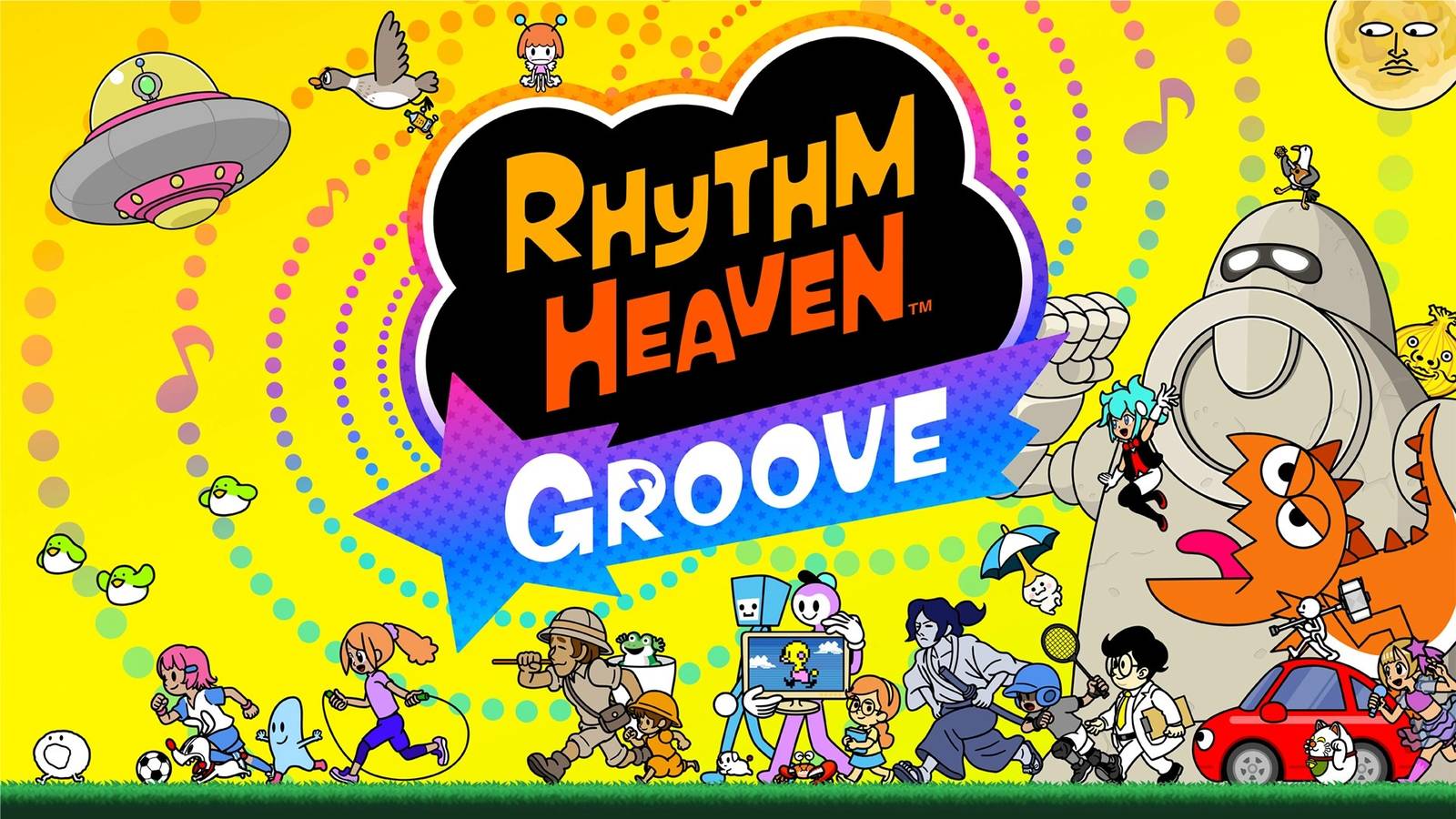
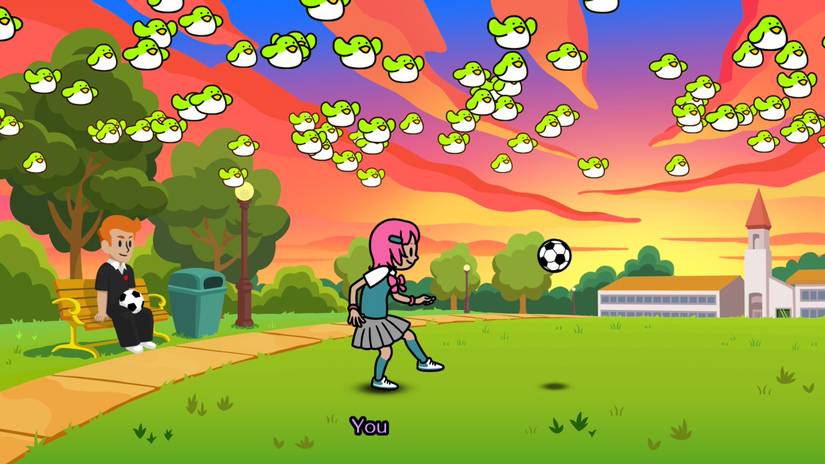
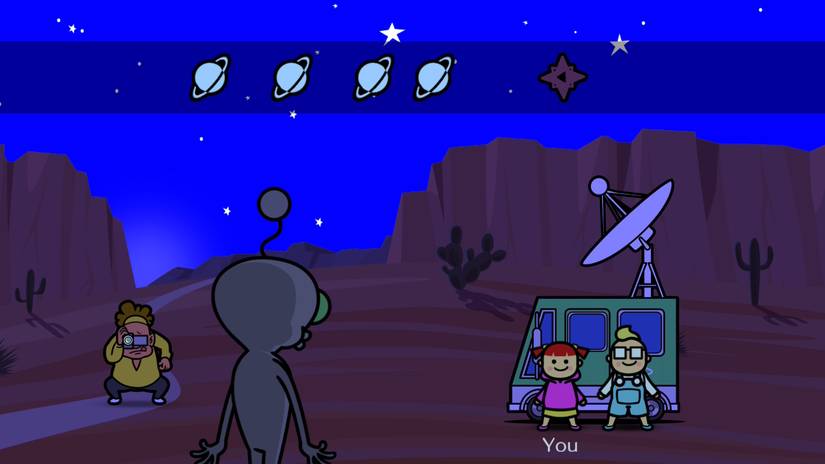
The game is a kaleidoscope of rhythmic challenges. From jumping rope as a small bottle to engaging in high-stakes conversations with extraterrestrial entities, the gameplay relies on auditory and visual cues that force the player to internalize the beat. While the controls are minimalist, the design is anything but. The game frequently plays with the player’s perception, intentionally obscuring visual cues or shifting audio patterns to test whether the user has truly mastered the rhythm or is simply relying on rote memorization.
Chronology: The Evolution of a Cult Classic
The Rhythm Heaven series has maintained a consistent trajectory of growth and refinement over the decades. Following the original 2006 release, the series expanded globally with Rhythm Heaven (DS) and Rhythm Heaven Fever (Wii), before culminating in the massive compilation that was Rhythm Heaven Megamix (3DS).

Rhythm Heaven Groove arrives as the first dedicated entry for the Nintendo Switch, bridging the gap between the portable nature of the DS/3DS titles and the big-screen spectacle of the Wii iteration. Its development cycle was marked by a commitment to maintaining the "wacky" atmosphere that fans have come to expect, while simultaneously updating the visual fidelity to modern standards. By integrating the unique hardware capabilities of the Switch, including its dual-use nature as a handheld and a home console, the development team has ensured that the "groove" is accessible in any environment.
Supporting Data: Mechanical Depth and Progression
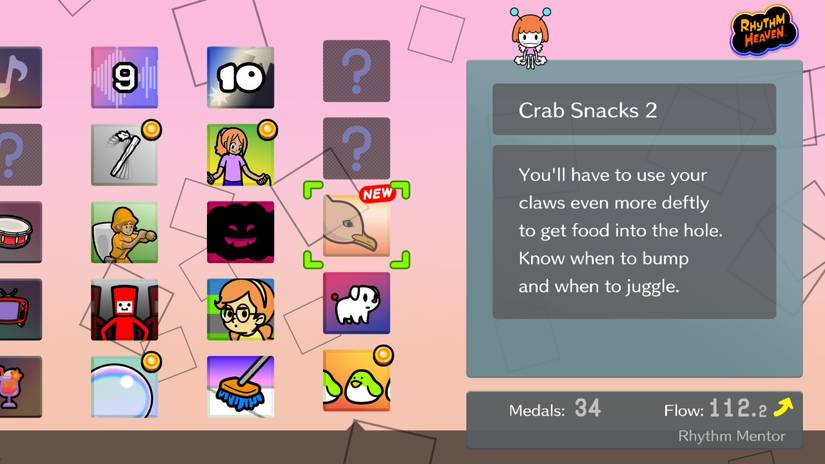
The structure of Rhythm Heaven Groove is built on a foundation of tiered progression. Players must achieve at least a "Good" or "Ok" rating on a stage to unlock the next, creating a steady climb in difficulty. Every four stages, the game presents a "Remix"—a high-octane challenge that synthesizes the mechanics of the previous four games into a single, cohesive track.
The Flipside and High-Level Play
Once a player clears the initial forty challenges, the game unlocks the "Flipside" area. This mode introduces significantly more difficult variations of the base games, often pushing the limits of human reaction time and rhythmic intuition. For those seeking mastery, the game includes a medal system for achieving "Amazing" or "Superb" ratings. These medals are not merely cosmetic; they serve as currency to unlock the "Rhythm Toy Box," a collection of virtually unlimited, playful experiences, as well as the competitive "Score Attack" challenges.
Specialized Modes: Beatspell and Drum Lessons
Beyond the traditional minigames, Rhythm Heaven Groove introduces two distinct modes that add significant depth to the package:
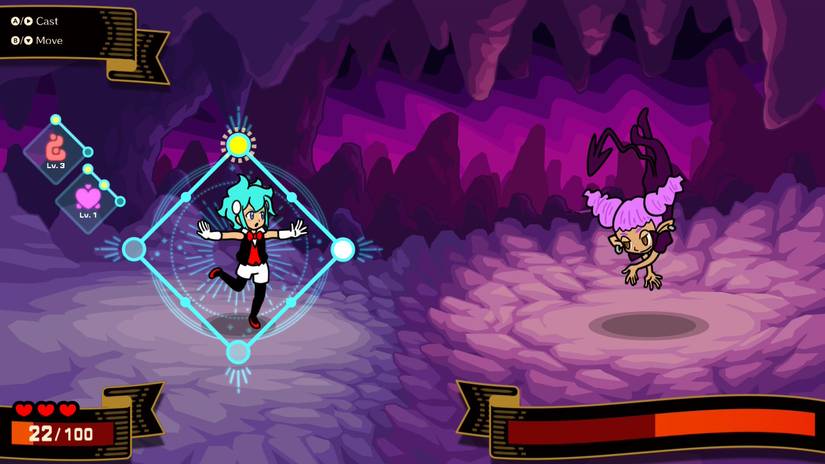
- Beatspell: An RPG-inspired rhythm battle mode where the player assumes the role of a magician. Spells are cast through rhythmic inputs, with precise timing leading to critical hits against various monsters. The mode evolves as players progress, requiring increasingly complex button sequences.
- Drum Lessons: A more technical inclusion, this mode evaluates the player’s ability to mirror the rhythm of an in-game teacher. It is an unforgiving but rewarding mode that demands absolute precision—a single error forces a restart, emphasizing the game’s commitment to discipline.
The Perfectionist’s Burden
One of the more polarizing aspects of the game is the "Perfect Campaign." Occasionally, the game will task the player with completing a specific stage perfectly within three attempts. If the player succeeds, they earn a special emblem. However, the game strictly mandates that this must be done within the context of the campaign prompt; attempting a perfect run outside of these notifications—even if the performance is flawless—is ignored by the system. While this design choice preserves the exclusivity of the emblem, it has drawn some criticism for its perceived rigidity.
Official Responses and Accessibility Initiatives
A significant achievement for Rhythm Heaven Groove is its dedication to accessibility, a focus that has become increasingly central to Nintendo’s modern development strategy. The inclusion of a comprehensive text-to-speech system allows players with visual impairments to navigate the menus and understand the game’s interface descriptions.
Additionally, the developers addressed the inherent latency issues associated with television play. While handheld mode remains the most responsive way to experience the title, the game includes a specific calibration setting designed to minimize input lag on larger displays. This level of technical consideration ensures that the "symphony of weirdness" is accessible to a wider audience than ever before.
Implications: The Future of Rhythm Gaming
The release of Rhythm Heaven Groove reinforces a crucial truth about the gaming industry: complex, AAA-budgeted mechanics are not a prerequisite for a deep, emotional, or engaging experience. Through the artistic direction of Ko Takeuchi—whose work on the WarioWare series is clearly visible in the vibrant, cartoonish aesthetic—the game carves out a distinct identity that feels both nostalgic and refreshingly new.
The implications for the genre are clear. Rhythm Heaven Groove demonstrates that by focusing on a "peculiar microcosm" of gameplay—where the absurd is treated with total sincerity—developers can create experiences that resonate more deeply than many modern, high-fidelity titles. The game is not just a collection of minigames; it is a testament to the power of musical synergy.
As the industry continues to push for higher resolutions and more complex simulations, the success of Rhythm Heaven Groove serves as a reminder that the most compelling games are often those that ask the player to simply listen, react, and find their own rhythm in the chaos.
Technical Specifications
- Platform: Nintendo Switch
- Developer: Nintendo SPD / TNX
- Publisher: Nintendo
- Release Date: July 2, 2026
- ESRB Rating: Everyone (Mild Fantasy Violence)
Conclusion
Rhythm Heaven Groove is a triumph of design and personality. It successfully captures the whimsical, often bizarre spirit of its predecessors while expanding the scope of its content through innovative side modes like Beatspell and Drum Lessons. Whether you are a long-time fan of the franchise or a newcomer looking for a vibrant, challenging, and endlessly replayable experience, Rhythm Heaven Groove is a mandatory addition to your library. It is, quite simply, the standard-bearer for the rhythm genre on the Nintendo Switch, proving that even after twenty years, the beat is far from over.