
 Evan Lee Salim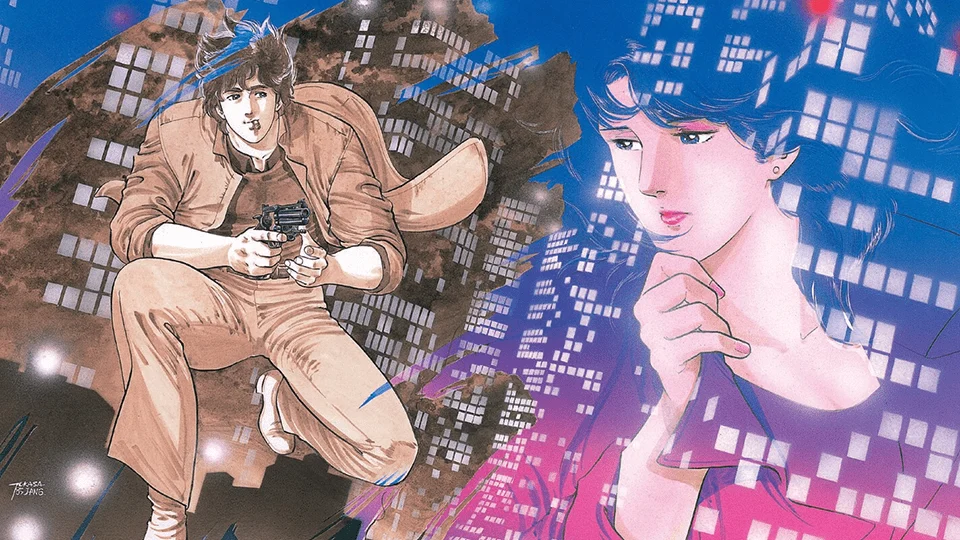
The landscape of the North American manga market is currently witnessing a significant "retro-renaissance." As modern audiences gravitate toward the sleek aesthetics of the 1980s and early 90s—a movement fueled by the global popularity of City Pop and "vaporwave" subcultures—publishers are looking backward to find the next big hits. Leading this charge is Abrams Books, through its prestigious Kana imprint, with the highly anticipated release of the City Hunter and Cat’s Eye Omnibus Editions.
Set for a wide release on September 23, 2025, these collections represent more than just a reprint; they are a high-end archival effort to preserve the work of Tsukasa Hojo, one of the most influential mangaka of the Shonen Jump golden era. As fans prepare for a new wave of multimedia adaptations, including a high-profile Netflix live-action film and a Disney+ anime reboot, these omnibus volumes arrive at a critical juncture for the franchise.
Main Facts: The Physicality of the Kana Imprint Editions
Abrams Books has positioned these releases as "collector-tier" paperbacks. Unlike the standard tankōbon volumes that often feature thin paper and minimal extras, the City Hunter and Cat’s Eye Omnibus Volume 1 editions are designed for durability and visual fidelity.
Technical Specifications
Each omnibus collects the first three volumes of the original Japanese runs. For Cat’s Eye, this encompasses 23 chapters, while City Hunter delivers 25 chapters. The physical production is notably premium:
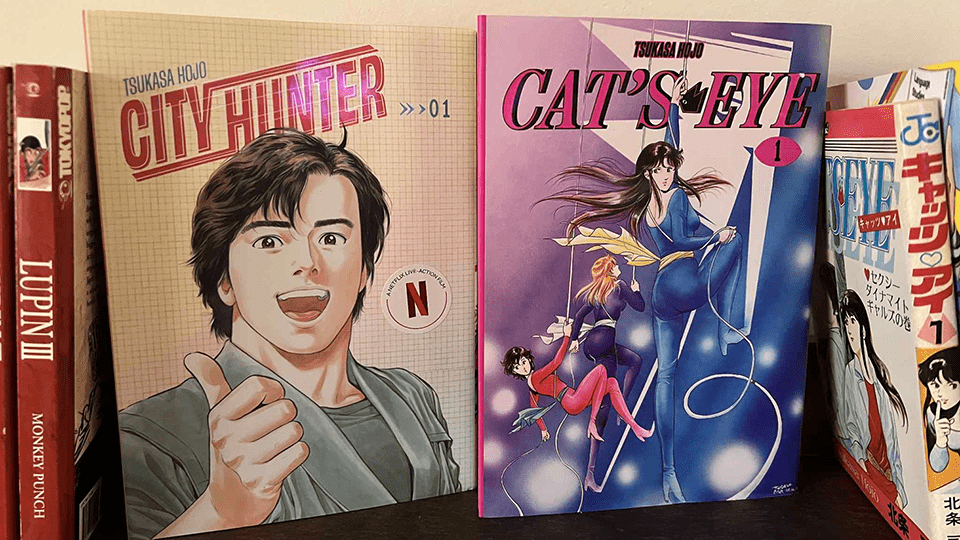
- Dust Jackets: Both volumes come with high-gloss, full-color dust jackets featuring Hojo’s iconic, realistic-yet-stylized character designs.
- Color Preservation: A rarity in Western manga publishing, these editions include full-color pages rendered on glossy paper and dozens of pages of two-color (red and black) inserts, replicating the original magazine serialization experience.
- Translation and Localization: The translations have been modernized for a 2025 audience while maintaining the specific cultural nuances of 1980s Shinjuku. Notably, the City Hunter volume includes detailed translation notes explaining specific Japanese slang, such as the infamous "mokkori" term associated with the protagonist.
Chronology: From Shinjuku’s Streets to Global Screens
To understand the significance of these releases, one must look at the timeline of Tsukasa Hojo’s career and the interconnected world he built.
1981–1985: The Rise of Cat’s Eye
Hojo first gained prominence with Cat’s Eye, which ran in Weekly Shonen Jump from 1981 to 1985. It told the story of the Kisugi sisters—Hitomi, Rui, and Ai—who operate a café by day and act as sophisticated art thieves by night. Their goal: to recover their missing father’s art collection. The series was a massive hit, blending romance, heist-action, and a "cat-and-mouse" dynamic between Hitomi and her detective boyfriend, Toshio.
1985–1991: The Era of City Hunter
As Cat’s Eye concluded, Hojo immediately transitioned into City Hunter. Set in the same gritty, neon-lit version of Tokyo, the series introduced Ryo Saeba, a "sweeper" or private eye/hitman for hire. While Cat’s Eye was a romantic heist thriller, City Hunter leaned harder into hardboiled action and slapstick comedy. It ran until 1991, cementing Ryo Saeba as a cultural icon in Japan and Europe (where he became known as "Nicky Larson").
2024–2025: The Modern Resurgence
The announcement of the Abrams/Kana omnibus editions coincides with a massive push in the entertainment industry:

- Netflix’s City Hunter (2024): A live-action Japanese adaptation starring Ryohei Suzuki received critical acclaim for its faithful recreation of Ryo’s origin story.
- Disney+ Cat’s Eye (2025): An upcoming anime adaptation that promises to follow the manga’s original storyline more closely than the 1983 anime, including the reintroduction of "The Rat," a key character often omitted from previous versions.
Supporting Data: Content Analysis and Artistic Evolution
The first three volumes of each series contained within these omnibuses offer a fascinating look at Hojo’s evolution as an artist and storyteller.
Cat’s Eye Omnibus Vol. 1
The first 23 chapters focus on the establishment of the central conflict. Hojo’s art in the early chapters of Cat’s Eye is softer, more aligned with the shoujo-influenced shonen styles of the late 70s. However, by the end of the third volume, his signature realism begins to take hold. The sisters’ dynamic is the core strength here; Hojo masterfully balances the tension of their secret identities with the comedic frustrations of Toshio, the police officer who is perpetually one step behind the women he loves.
City Hunter Omnibus Vol. 1
The City Hunter collection provides a more dramatic tonal shift. The early chapters are surprisingly dark, featuring Ryo Saeba in a much more cold-blooded light than the lecherous goofball he would eventually become. The first volume documents the tragic death of Ryo’s partner, Hideyuki Makimura, and the subsequent introduction of Hideyuki’s sister, Kaori. This partnership—defined by Ryo’s "mokkori" antics and Kaori’s "100-ton hammer" discipline—becomes the foundation for the next six years of the manga.
Scholarly Extras
One of the most significant data points for collectors is the inclusion of "behind-the-scenes" material. The City Hunter omnibus features an exclusive interview with Hojo, where he discusses the pressures of following up a hit like Cat’s Eye and how he developed the "sweeper" archetype. These extras provide academic value, offering a window into the editorial process at Shonen Jump during its peak circulation years.

Official Context: Author Insights and Publisher Strategy
Tsukasa Hojo has often commented on the "shared universe" of his works. In the commentary included in the City Hunter omnibus, Hojo notes that while the two series are distinct, they share a "vibe"—a specific Tokyo atmosphere that he felt was changing rapidly during the bubble economy.
Abrams Books’ decision to release these as omnibuses reflects a broader industry shift. In a statement regarding the Kana imprint, the publisher emphasized their commitment to "bringing legendary titles to a new generation in formats that respect the original art." By grouping three volumes at a time, they are targeting the "binge-reading" habits of modern consumers who are used to consuming entire seasons of television at once.
The translation notes in these editions also represent an "official response" to decades of fan-translations and previous, often incomplete, Western releases. By providing context for the cultural references of the 80s, Abrams is ensuring that the historical significance of Hojo’s work isn’t lost on younger readers who might not understand the Shinjuku Station message board culture or the specific social hierarchies of the time.
Implications: The Future of Retro Manga in the West
The release of these two omnibus volumes carries significant implications for the North American manga market and the broader anime industry.

1. The Validation of the "Seinen-Lite" Aesthetic
Hojo’s work occupies a unique space: it was published in a shonen (boys’) magazine, but its art style and themes often leaned toward seinen (young men’s) sensibilities. The success of these omnibuses will likely signal to other publishers that there is a hungry market for "adult-leaning" retro titles like Fist of the North Star, Crying Freeman, or City Hunter’s spin-off, Angel Heart.
2. Physical vs. Digital
In an era where digital piracy and legal streaming apps (like Shonen Jump+) dominate, the success of a "weighty," high-quality physical book proves that manga fans are still willing to pay a premium for tangible media. The inclusion of glossy color pages is a direct challenge to the digital format, which often compresses images and loses the vibrance of Hojo’s hand-painted covers.
3. Synergistic Marketing
The timing of these releases—landing just as the Disney+ Cat’s Eye anime and the Netflix City Hunter film are trending—shows a newfound level of coordination between Japanese rights holders and Western publishers. This "all-media" approach ensures that when a viewer finishes a movie on their laptop, a high-quality version of the source material is readily available at their local bookstore.
Conclusion
The City Hunter and Cat’s Eye Omnibus Vol. 1 editions are more than just nostalgia trips. They are meticulously crafted tributes to an era of manga that prioritized cinematic layouts, high-stakes urban drama, and complex character relationships. For longtime fans, these volumes are the definitive versions they have waited decades for. For newcomers, they are a gateway into the neon-soaked, high-octane world of Tsukasa Hojo—a world that, despite being decades old, feels more relevant and stylish than ever in 2025.


 Reynand Wu
 Asep Darmawan





