Iffa Jayyana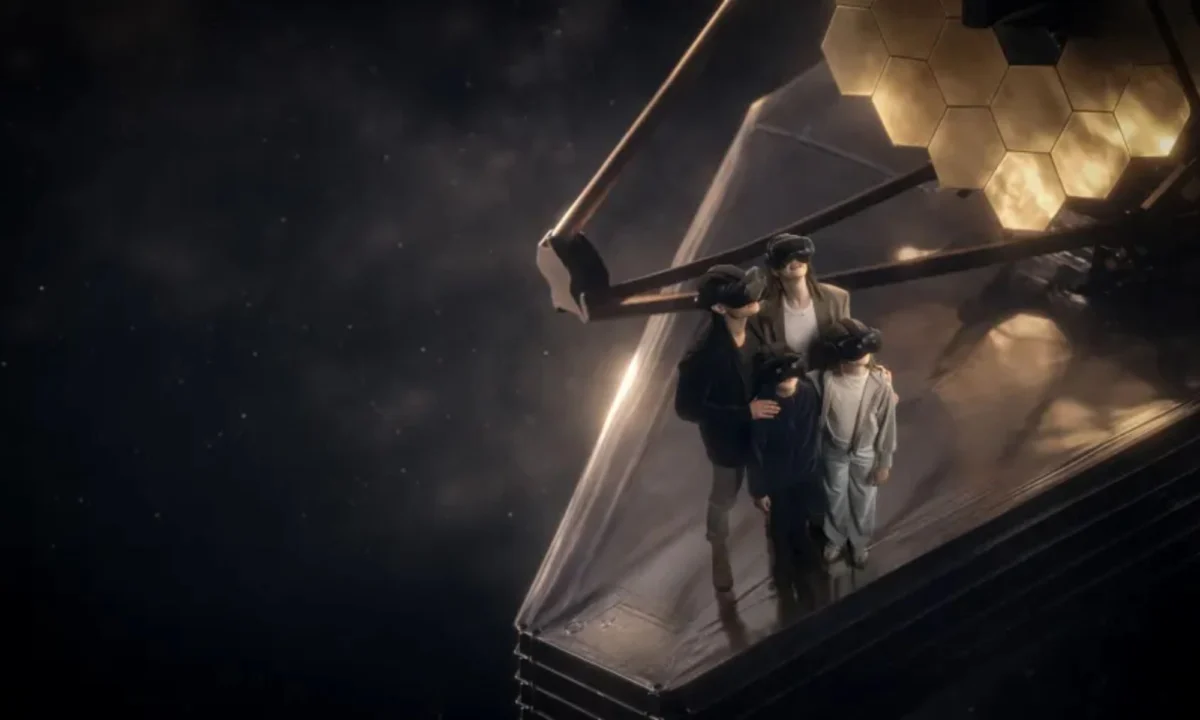
For decades, the standard for astronomical education was the planetarium—a place of quiet contemplation where visitors would sit back in reclined chairs, staring upward at a projection of the night sky. While effective for learning the constellations, it was inherently passive. The Smithsonian Institution is now shattering that mold with Smithsonian Starstruck: An Immersive Experience, a groundbreaking virtual reality exhibit that swaps static observation for active exploration. By donning a headset, visitors are no longer mere spectators of the cosmos; they are celestial travelers drifting through the debris of dying stars and witnessing the violent beauty of a black hole at the center of the Milky Way.
The Core Concept: Redefining Cosmic Scale
Smithsonian Starstruck is a 40-minute, high-fidelity journey designed to bridge the gap between abstract scientific data and human intuition. By leveraging room-scale virtual reality, the exhibit allows participants to walk through simulated environments that would otherwise be impossible to experience.
The experience is anchored by a narrative guide, James Seawood, who leads visitors through a curated tour of the universe. The itinerary is as ambitious as it is educational. The simulation begins with a deep-space trek, moving past planets and nebulae, before placing the visitor in the direct path of the Sun, accompanied by a model of NASA’s Parker Solar Probe.
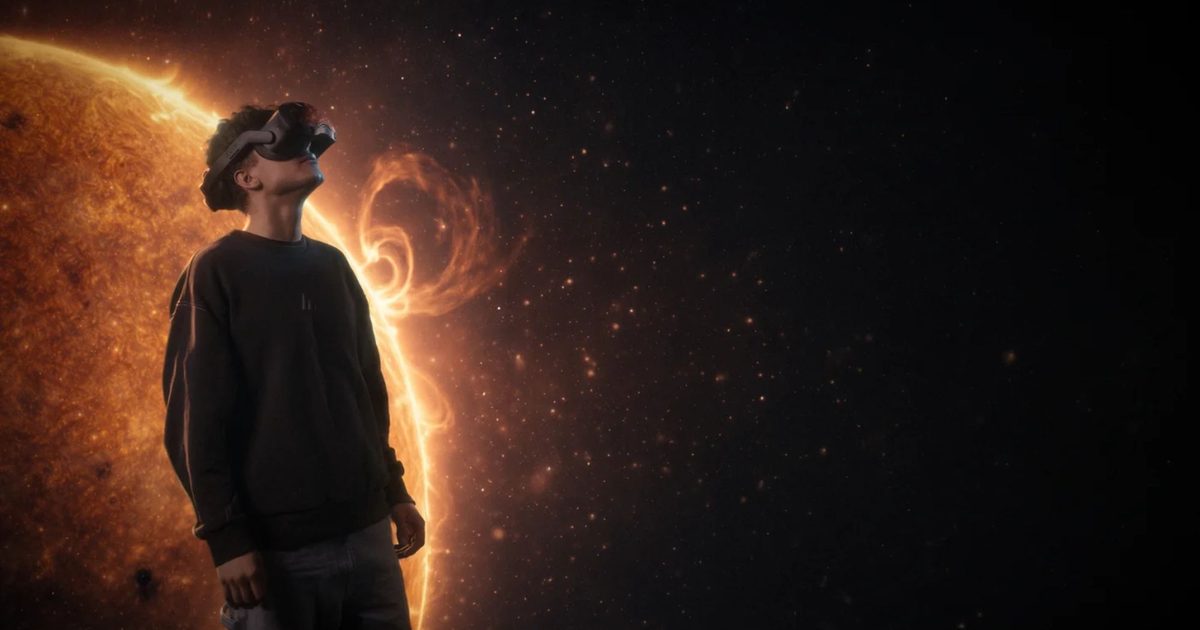
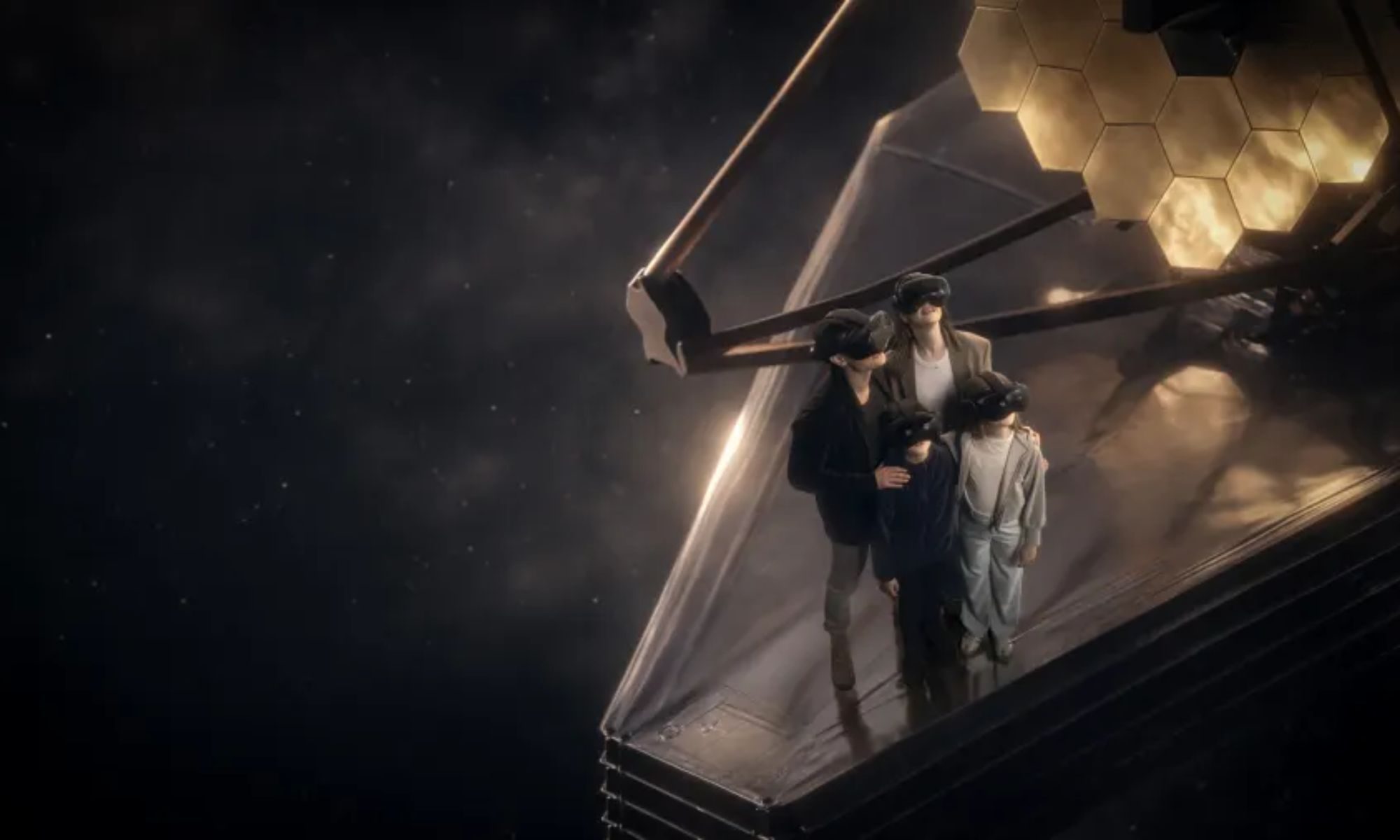
The highlight, however, is the exhibit’s ability to visualize the invisible. Visitors are treated to a scientifically grounded simulation of the supermassive black hole Sagittarius A* at the center of our galaxy, complete with a demonstration of how light bends in its gravitational wake. The tour then shifts to the explosive death of the red supergiant Betelgeuse, rendering the supernova in a visceral, 360-degree display, before whisking the viewer to the exoplanet 55 Cancri Ae. The journey concludes at the future site of the Giant Magellan Telescope in Chile, rendered with such architectural detail that it feels as though the massive observatory is already operational and waiting for the next discovery.
A Chronology of the Exhibit’s Rollout
The project, which represents a significant investment in digital education for the Smithsonian, officially launched in Washington, D.C., in May 2026.
- May 2026: Smithsonian Starstruck opens its doors to the public in the nation’s capital, marking the start of a pilot phase designed to test user engagement and technical stability.
- July 2026: Following a successful debut, reports confirm that the exhibit will undergo a geographical expansion. The Smithsonian announced that the experience is slated to travel to Denver, Orlando, and San Antonio later this year.
- Future Roadmap: While the D.C. location currently utilizes the HTC Vive Focus 3, the Smithsonian has signaled a commitment to iterative hardware upgrades. As the exhibit expands, newer iterations—likely powered by the more advanced HTC Vive Focus Vision—are expected to debut in the new regional locations.
Supporting Data: Accessibility and Technical Infrastructure
One of the most critical challenges for high-end VR exhibits is balancing cost with reach. The Smithsonian has implemented a tiered pricing strategy to ensure that the exhibit remains accessible to a broad demographic.
- Standard Pricing: Tickets for solo visitors are currently priced between $29 and $35.
- Group Incentives: To encourage school trips and family outings, group rates have been slashed, bringing the price down to as little as $18 per person.
- Promotional Period: As of mid-2026, the Smithsonian is offering a 15% discount across all ticket categories to incentivize early attendance during the pilot phase.
Technically, the exhibit is currently powered by the HTC Vive Focus 3, a hardware platform that, while robust, was originally released in 2021. Industry analysts and early visitors have noted that while the simulation’s perspective is revolutionary, the hardware occasionally struggles with visual clarity during rapid head movements. These "screen-door" effects or latency issues are common in mid-cycle VR, but the upcoming migration to the Vive Focus Vision is expected to resolve many of these concerns, offering higher resolution and better ergonomics for longer sessions.
The Philosophical Implications: Perspective Over Resolution
The true success of Starstruck lies not in its pixel count, but in its ability to humble the viewer. There is a profound psychological difference between watching a video of a star collapsing on a flat screen and "standing" in the path of that collapse within a simulated 3D space.
By forcing visitors to physically navigate the environment, the exhibit provides a visceral sense of scale. The universe is vast, and its phenomena are violent and incomprehensible at a human level. By placing the visitor in the middle of these events, the Smithsonian is effectively conducting a social experiment: Can we make people care about deep-space astronomy by making them feel small?

Early feedback suggests the answer is a resounding yes. When you are no longer watching a dome overhead, but are instead "drifting" through the debris of a supernova, the intellectual understanding of cosmic distance transforms into an emotional reaction. It is a calculated move to shift science communication from the "lecture" format to the "experience" format.
Official Responses and Industry Context
The move into VR comes at a time when the Smithsonian is under pressure to modernize its exhibits to compete with the sheer volume of digital information available to younger generations. By partnering with developers to create Starstruck, the institution is signaling that the physical museum space must evolve to include virtual digital assets.
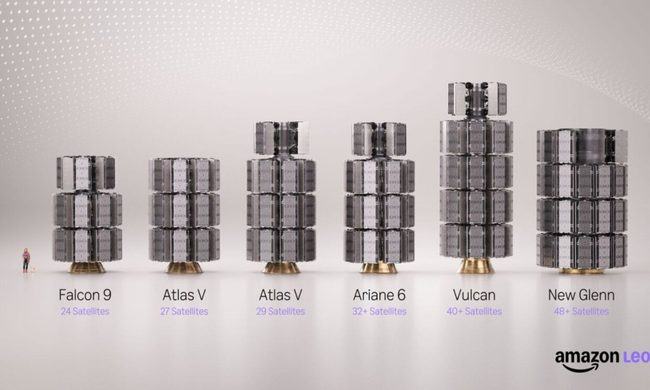
However, the exhibit does not exist in a vacuum. It arrives at a time when the space industry itself is undergoing a radical, and sometimes controversial, transformation. The skies are becoming increasingly crowded with satellite mega-constellations—a trend that is currently being scrutinized by the European Southern Observatory (ESO).
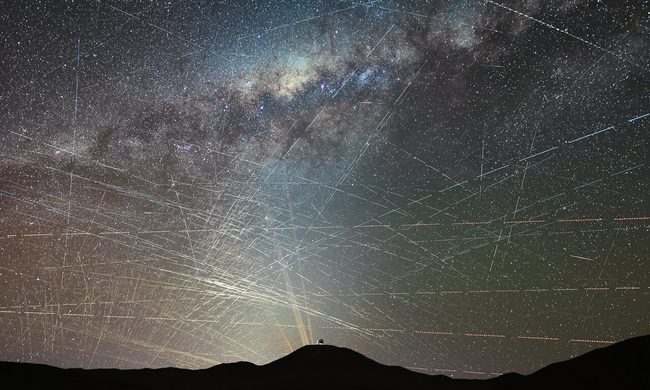
While Starstruck focuses on the wonder of the cosmos, the scientific community is simultaneously sounding the alarm that we may be "blinding" ourselves to the very universe the Smithsonian is trying to teach us about. As Elon Musk’s orbital data centers and Amazon’s Project Kuiper satellites continue to fill the night sky, astronomers warn that the ground-based observations required to fuel the data behind exhibits like Starstruck are becoming increasingly difficult.
The implication is clear: The Smithsonian is doing its part to inspire the next generation of astronomers through virtual reality, but that generation may find themselves looking up at a sky increasingly obstructed by private industry.
Looking Forward
As the Smithsonian prepares to take Starstruck on a national tour, the focus will likely remain on refining the balance between technological performance and narrative impact. The transition to newer, high-resolution hardware like the Vive Focus Vision will be a pivotal test for the institution. If the exhibit can maintain its emotional resonance while improving visual fidelity, it may set a new standard for museum exhibits worldwide.
For now, Smithsonian Starstruck stands as a testament to the idea that science education is at its best when it is immersive. For a price point lower than a standard movie outing, visitors are gaining access to the most exclusive real estate in the universe—the edge of a black hole, the furnace of a dying star, and the birth of the universe itself. Whether or not it manages to solve the broader issues of light pollution or hardware limitations, it succeeds in its primary mission: reminding us that we are part of a vast, unfolding, and spectacular cosmic drama.
In a world where digital distraction is the norm, the Smithsonian has managed to find a way to use technology to pull us back to the most fundamental question of all: Where do we fit in the universe? For 40 minutes, at least, the answer is found in the stars.

 Suro Senen
 Ammar Sabilarrohman