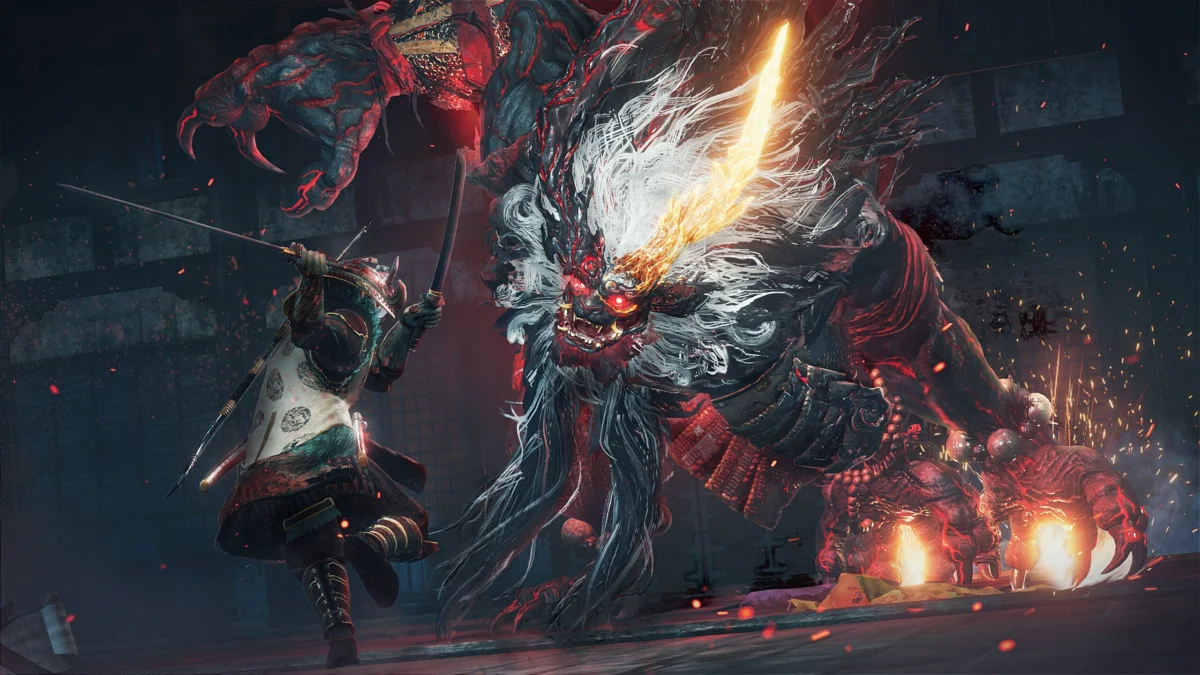
The highly anticipated Nioh 3 has dominated the action-RPG landscape since its record-breaking launch, drawing in millions of players eager to test their mettle against the series’ most challenging combat encounters yet. However, the intensity of the experience has been occasionally marred by technical inconsistencies. Today, developer Team Ninja has released patch 1.03.01 across all platforms, a comprehensive update aimed at stabilizing the experience and resolving several high-profile issues that have frustrated the community since day one.
While the update does not introduce new gameplay content or features, its importance cannot be overstated. By addressing core mechanical failures—such as the infamous elixir-input delay and critical save-file stability—Team Ninja is demonstrating a commitment to the long-term health of what has quickly become a flagship title in their catalog.
The "Elixir Bug": Restoring Combat Fluidity
For a game defined by its high-stakes, reflexive combat, the input responsiveness of healing items is paramount. One of the most pervasive and "insidiously aggravating" bugs reported by the player base involved the game’s failure to register elixir usage during the heat of battle.
Many players, particularly those deep into challenging boss encounters, reported a recurring scenario: the player hits the designated shortcut button, the UI flashes to acknowledge the command, but the character remains static, failing to initiate the healing animation. In a game where a single frame can mean the difference between victory and a "Death" screen, this input failure has been a point of significant contention.
Patch 1.03.01 introduces a partial fix for this issue. While developers have noted that further optimization may be required, the immediate improvement addresses the synchronization between the user’s input and the game’s animation engine. For veterans of the series, this change is a welcome return to the precision gameplay expected of a Team Ninja title.
Chronology of Technical Stability
To understand the significance of this patch, one must look at the timeline of Nioh 3’s release trajectory.
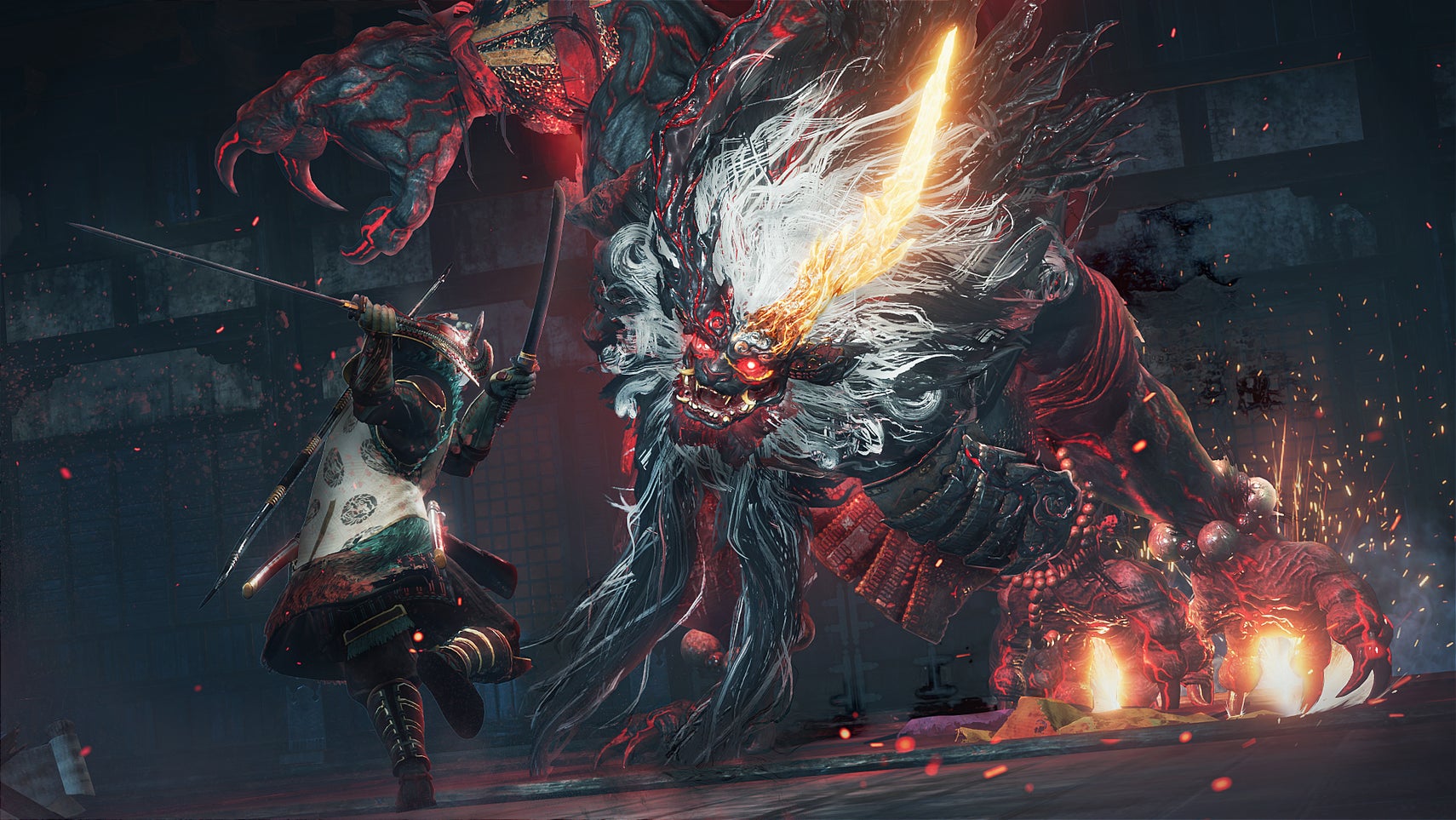
- Launch Window: The game saw record-breaking player counts on Steam and consoles, but early adopters quickly identified "Day Zero" stability issues, ranging from minor graphical hitches to more severe progression blockers.
- Initial Hotfixes: Shortly after launch, Team Ninja deployed minor server-side adjustments to address connectivity and basic matchmaking stability, though these failed to quell the reports of save-file corruption.
- The "Myths" Recovery Update: Following widespread reports of missing valuables and items during the "Myths" segments of the game, the studio issued a specific fix that retroactively scanned affected save files to recover lost player property.
- Patch 1.03.01: The current update serves as a consolidation of these efforts, moving from reactive hotfixes to a more robust, preventative approach to save data management.
Protecting the Player’s Progress: Save Data and Stability
Perhaps the most significant addition in this patch is the implementation of an automated backup system. Recognizing that previous issues with save-file corruption—often tied to specific trackable items—have caused irreparable frustration, the development team has introduced a failsafe.
Going forward, Nioh 3 will automatically generate a backup copy of the user’s save data every time a file is loaded. This move provides a crucial safety net for players navigating the game’s long-form campaigns. If a crash occurs or a save file becomes corrupted due to a software error, players will no longer be forced to restart their journey from the beginning.
Furthermore, the patch includes a broad "stability pass." While Team Ninja has been characteristically tight-lipped regarding the specifics of the crash logs, they have confirmed that the update targets the most frequent causes of hard-crashes experienced by players during the mid-to-late game stages.
Progression Blockers and the "Eternal Rift"
The "Eternal Rift" has been a focal point for endgame enthusiasts, but it also became a bottleneck for those encountering sequence-breaking bugs. Patch 1.03.01 resolves several progression blockers within the Rift, including an exploit that allowed players to acquire key items out of sequence. While these exploits were occasionally used for "speedrunning," they ultimately resulted in "soft-locking" the game for many, as the engine failed to register the necessary prerequisites for later story triggers.
In addition to these structural fixes, the update introduces a dose of much-needed levity by addressing the "Over-eager Mujina." Previously, players reported that if they prayed at a Shrine after opening a chest containing a Mujina, the creature would respawn instantly, creating a loop of encounters that hindered exploration. The developers have now corrected the spawn logic, ensuring these mimics function as intended.
Combat Balancing and Boss AI
Combat mechanics have also undergone a tuning process. Several specific Martial Arts maneuvers—which had been flagged for erratic performance or unintended damage scaling—have been balanced.

Of particular note is the correction applied to the Minamoto no Yoritomo boss encounter. Players had reported that the boss was frequently impossible to interrupt, even after his Ki (stamina) was completely depleted. This was identified as a logic error in the boss’s "Super Armor" state, which was intended to be temporary but was instead remaining active indefinitely. By fixing this, the encounter now rewards players for successful Ki-breaking, restoring the core loop of Nioh combat.
Implications for the Player Community
The implications of patch 1.03.01 are twofold. First, it serves as an immediate remedy for the most vocal complaints within the community. By prioritizing input responsiveness and data integrity, Team Ninja is signaling that they are listening to player feedback, a move that is essential for maintaining the longevity of a live-service-adjacent title.
Second, the shift toward automated save backups suggests that the developers are aware of the underlying complexity of the game’s file structure. For the millions of players currently climbing the ranks of the Nioh 3 leaderboards, this patch offers a sense of security. It removes the "fear of the crash," allowing players to engage with the game’s most difficult content without the looming threat of lost progress.
Conclusion and Recommendations
For those who have been holding off on starting their journey or those who took a break due to technical grievances, now is the opportune time to return. The combination of improved stability, refined AI behavior, and robust save protection makes the current build the most stable version of Nioh 3 to date.
Players are encouraged to review the full, exhaustive changelog available on the official Steam and console distribution pages. Additionally, for both newcomers and returning veterans, optimizing your in-game settings—specifically regarding camera sensitivity and input buffering—can drastically reduce the friction of the experience. As the game continues to evolve, these foundational patches ensure that the focus remains on the combat, the loot, and the thrill of the hunt.
With the stability issues largely addressed, the community can now look forward to potential future content drops, confident that the underlying architecture of Nioh 3 is prepared to handle the intensity of the endgame. Stay vigilant, warriors; the path ahead is now clearer, and your progress is finally secured.