

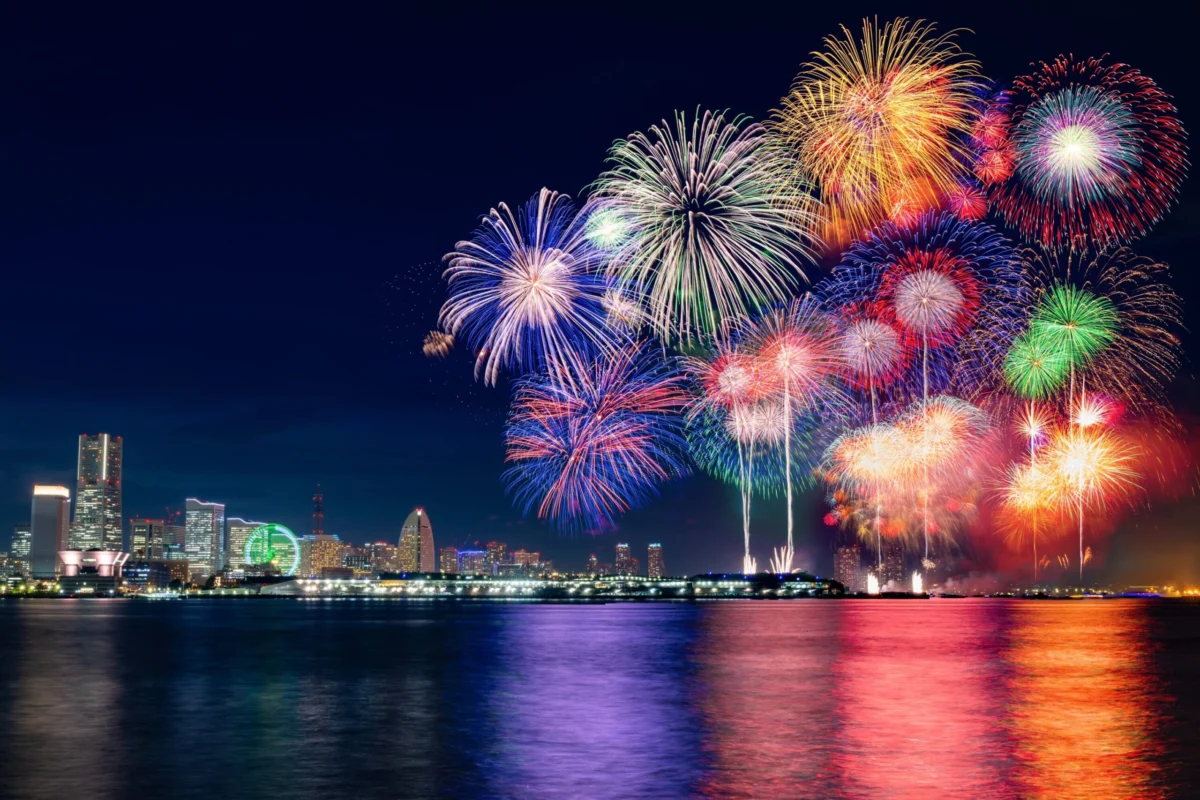
In the humid, heavy air of a Japanese midsummer, there is a singular event that transforms the atmosphere from oppressive to transcendent: the hanabi (花火). Literally translating to "fire flowers," the word captures the ephemeral, poetic essence of these pyrotechnic displays. Like the cherry blossoms that define the spring, fireworks are a fleeting beauty—a reminder of the passion of youth, the brilliance of the present moment, and the inevitable, graceful return to silence once the final sparks fade into the night.
For those in Tokyo and beyond, the summer of 2026 promises to be a visual symphony. As the city readies itself for a season of light, residents and travelers alike are preparing for the return of iconic festivals that define the Japanese cultural calendar.
The Cultural Significance of the Hanabi
To witness a major Japanese fireworks festival is to experience more than just a show; it is a profound communal ritual. The history of hanabi in Japan dates back to the Edo period, where they were initially used to ward off evil spirits and honor the deceased during festivals. Today, they serve as a grand celebration of life.
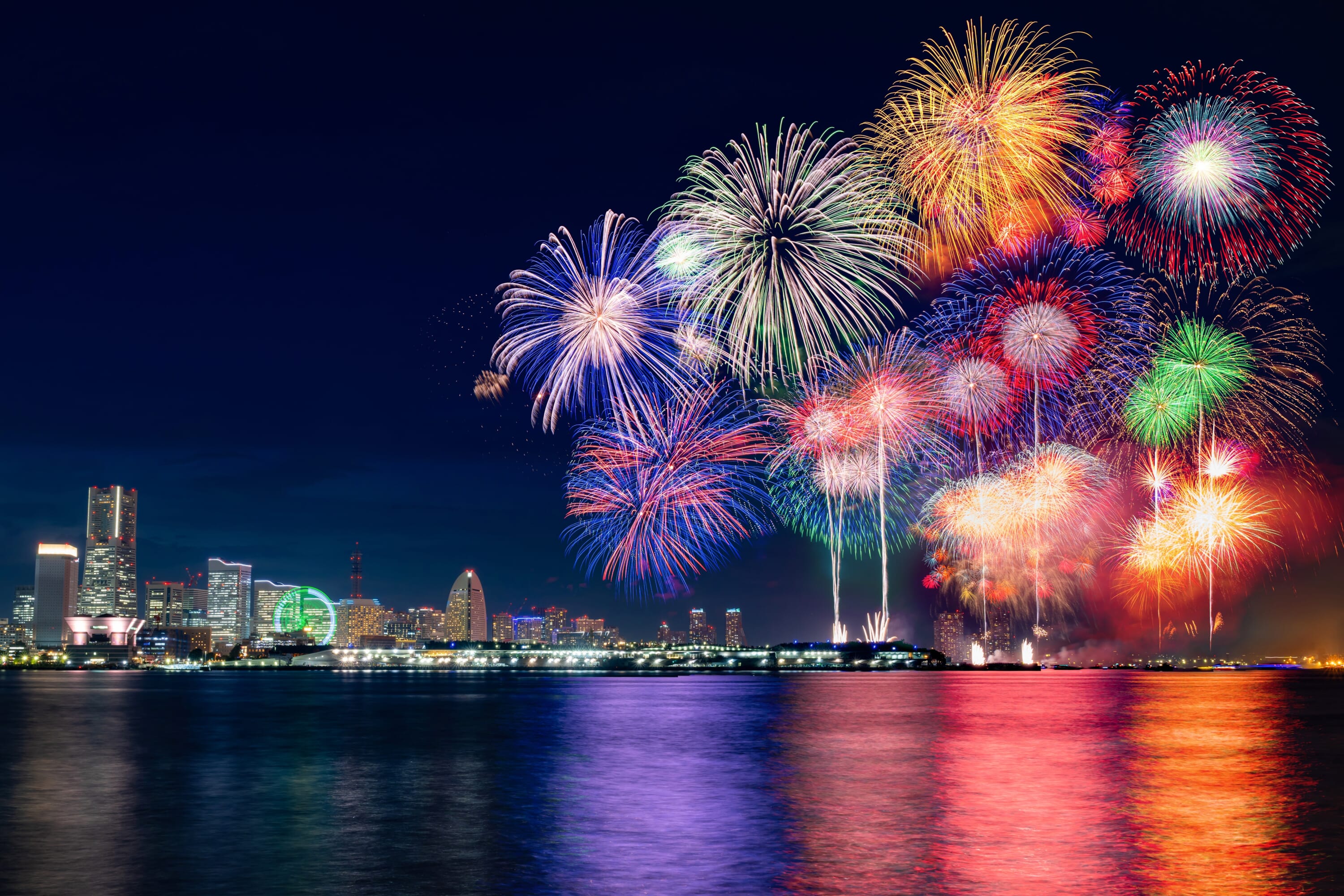
The craftsmanship behind these displays is immense. Pyrotechnicians, known as hanabishi, spend the entire year perfecting shells that bloom in complex shapes—from weeping willows of golden sparks to perfectly spherical peonies of neon color. When these displays are synchronized with music or paired with modern drone choreography, they create a sensory experience that is uniquely Japanese.
2026 Summer Chronology: Key Tokyo Festivals
The following schedule highlights the premier displays lighting up the Kanto region this summer.
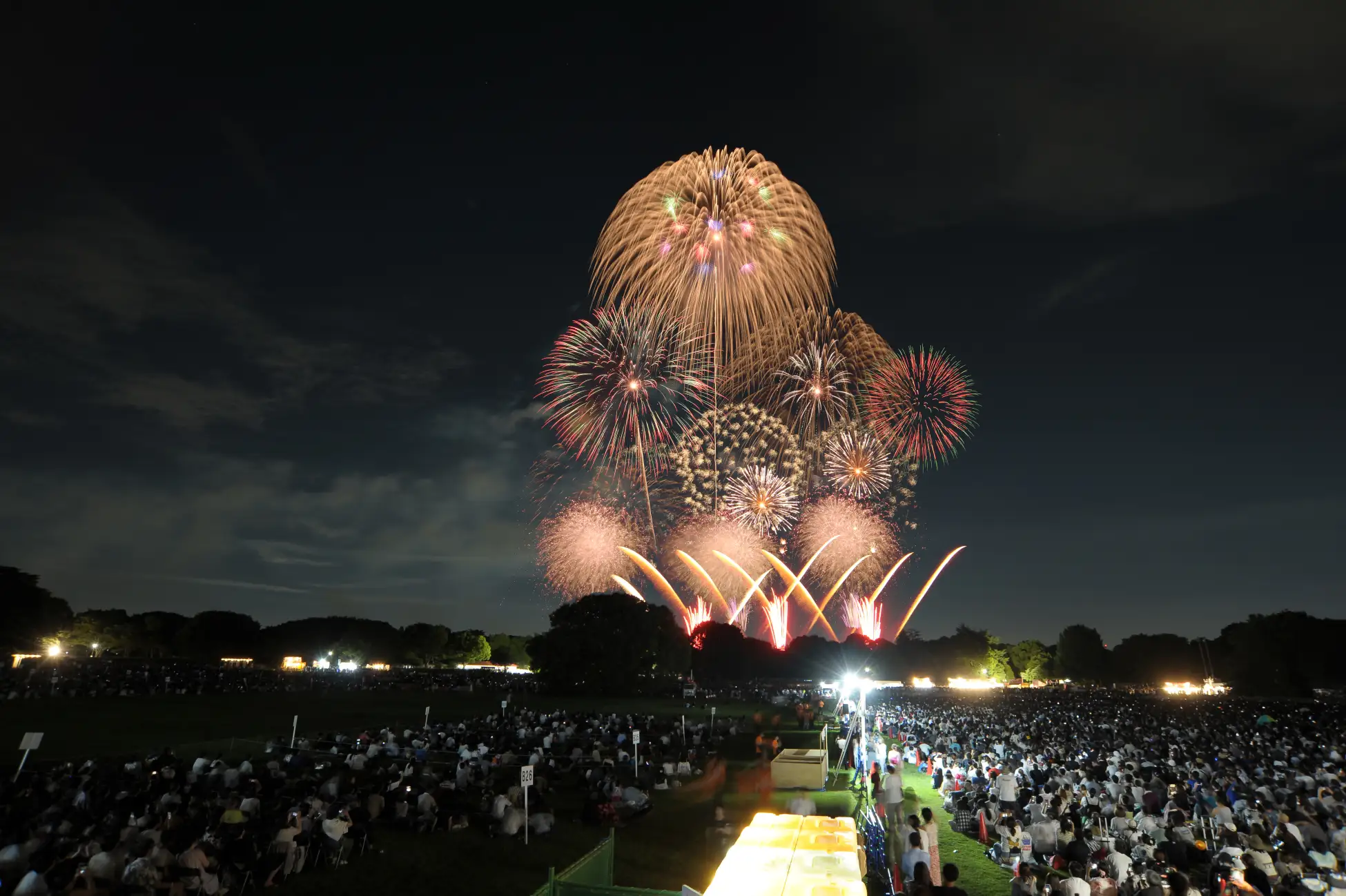
July 25: Tachikawa Showa Kinen Park Fireworks Festival
A local favorite, this festival is prized for its spacious venue. Set within the sprawling grounds of Showa Kinen Park, it offers a more relaxed atmosphere compared to the claustrophobic crowds of the city center.
- Time: 7:15 p.m. – 8:15 p.m. (Gates open at 1:30 p.m.)
- Pricing: From ¥1,500.
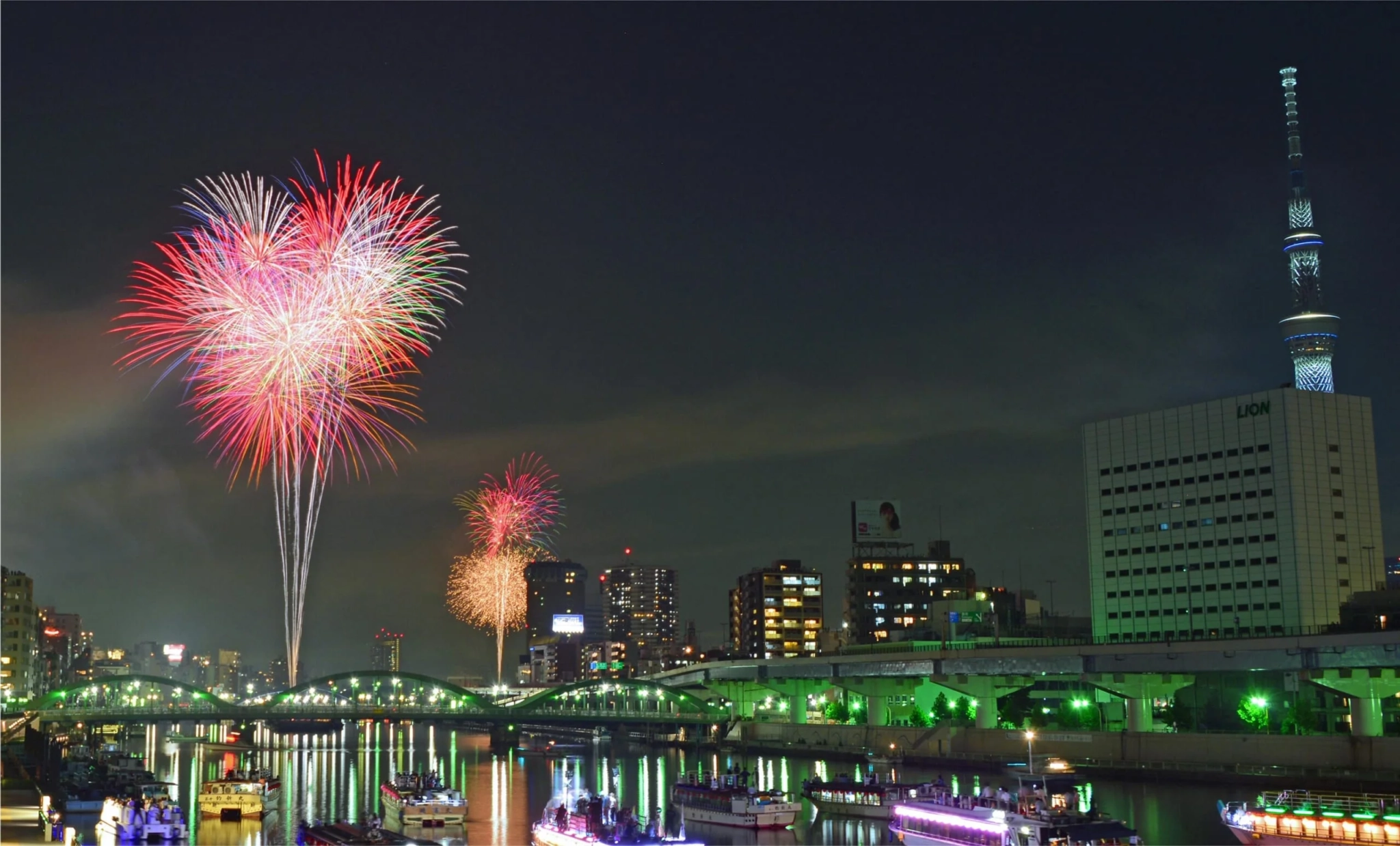
July 25: Sumida River Fireworks Festival
Arguably the most famous display in Japan, the Sumida River event is a historic spectacle. Spanning two venues near Asakusa, the festival launches approximately 20,000 shells. It is a massive undertaking that draws over a million spectators, creating a sea of humanity along the riverbanks.
- Time: 7:00 p.m. – 8:30 p.m.
- Pricing: Free (Public viewing).
July 28: 60th Katsushika Summer Fireworks Festival
This year marks a milestone for the Katsushika event. Celebrating its 60th anniversary, the organizers are integrating 1,300 drones alongside 20,000 fireworks, promising a blend of traditional pyrotechnics and cutting-edge aerospace technology.
- Time: 7:20 p.m. – 8:30 p.m. (Gates open at 4:00 p.m.)
- Pricing: Free; premium seating available.
August 1: 67th Itabashi Fireworks Display
The Itabashi show is famous for its sheer scale and ambition. The highlight is the "Grand Niagara Falls"—a 700-meter-long curtain of sparks that cascades toward the Arakawa River.
- Time: 7:00 p.m. – 8:30 p.m.
- Pricing: Free; premium seating available.
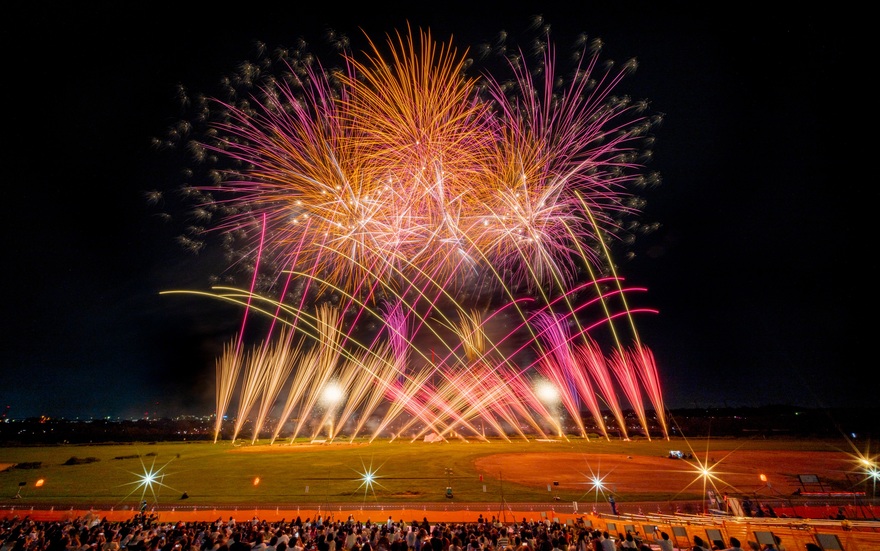
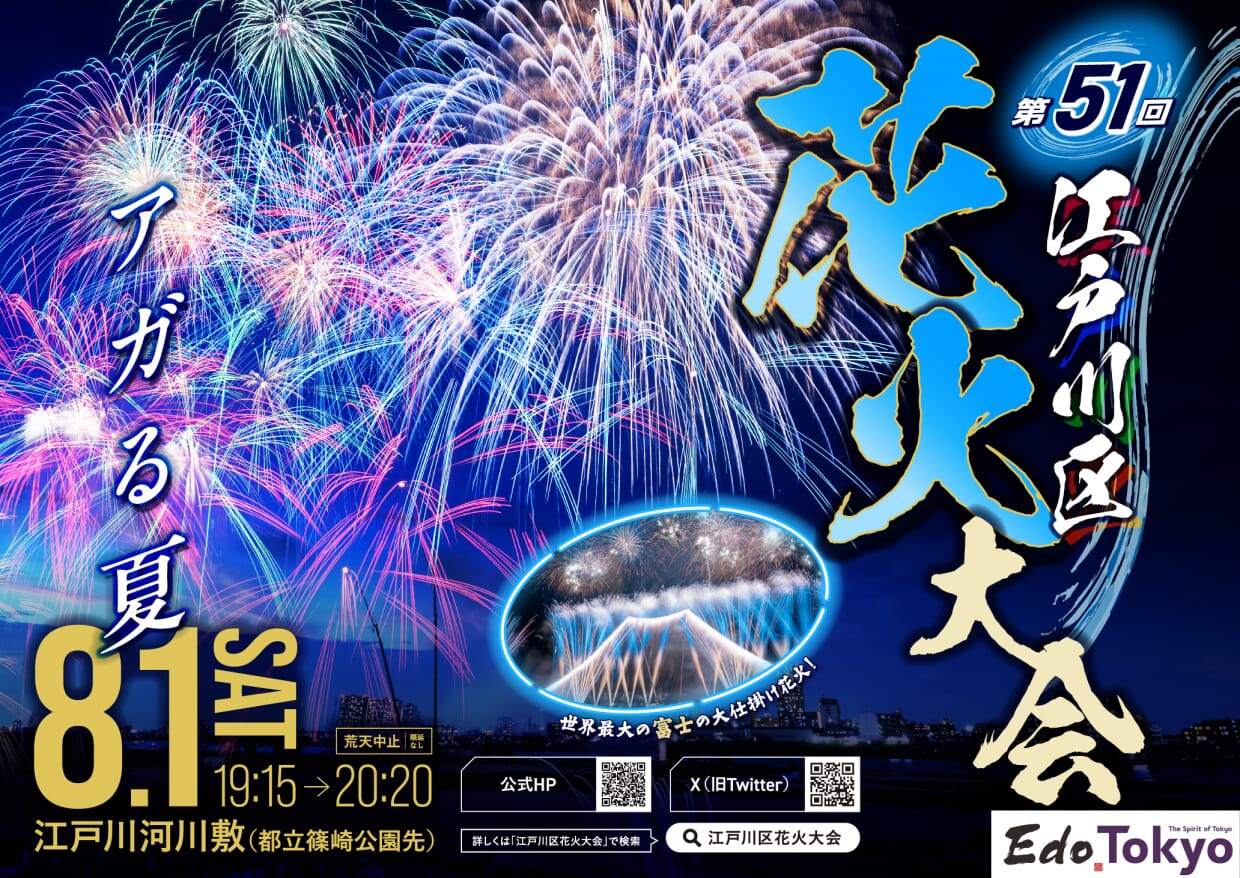
August 1: 2026 Edogawa Fireworks Festival
Synchronized perfectly to a musical score, this festival is a favorite for those who appreciate the artistic marriage of sound and light. It creates a narrative flow through the sky, making it one of the most emotional viewing experiences in Tokyo.
- Time: 7:15 p.m. – 8:20 p.m.
- Pricing: Free; reserved seating from ¥2,000.
August 8: 2026 Jingu Gaien Fireworks Festival
Set against the backdrop of the iconic Meiji Jingu Baseball Stadium, this event combines professional pyrotechnics with live musical performances, turning the night into a full-scale concert-meets-fireworks extravaganza.
- Time: 7:30 p.m. – 8:30 p.m.
- Pricing: Starting at ¥7,000.
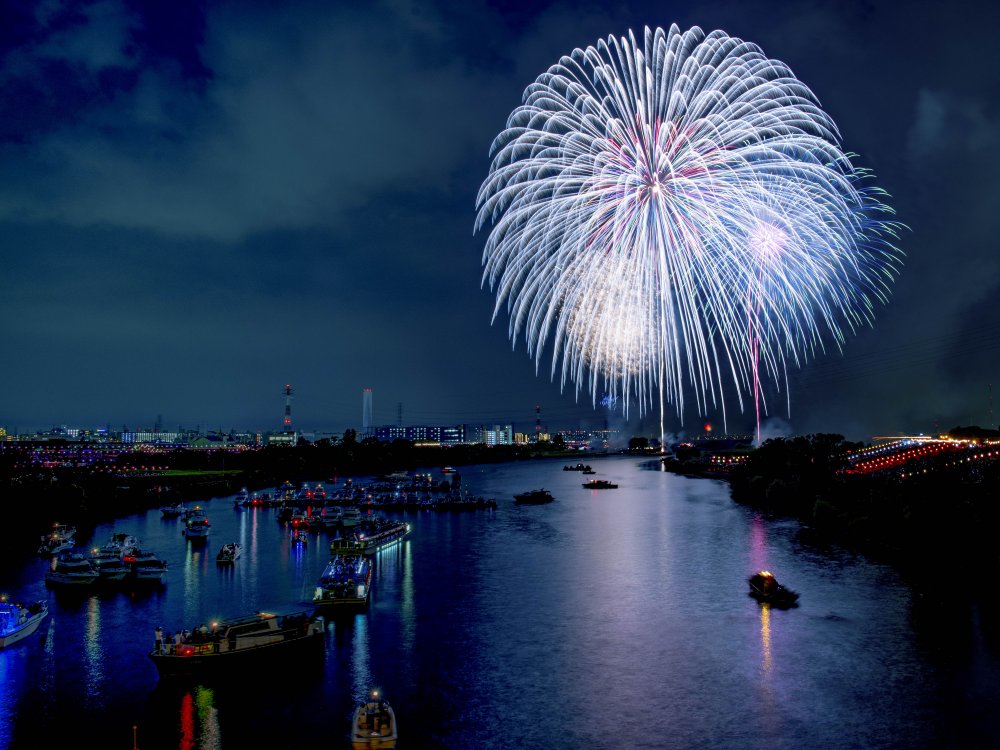
August 24: Yokohama Green Expo Minato Mirai Fireworks
Yokohama prepares for the 2027 Green Expo with a preview of its capabilities. Set in the beautiful Minato Mirai harbor, these fireworks reflect off the water, doubling their visual impact.
- Time: 6:30 p.m. – 8:00 p.m.
- Pricing: Free; premium seating available.
Ongoing: Sea Paradise Fireworks Symphony
For those unable to attend the major one-day festivals, the Yokohama Hakkeijima Sea Paradise offers a nightly "symphony" of light that continues through March 2027.
- Time: 8:30 p.m. (Until Sept), 8:00 p.m. (Oct onwards).
Beyond the Capital: The "Big Three"
While Tokyo’s displays are grand, the true connoisseurs of hanabi travel to the countryside for the "Three Great Fireworks Festivals of Japan." These are not merely shows; they are national competitions where the country’s best pyrotechnicians vie for the Prime Minister’s Award.
| Prefecture | Festival Spot | Date |
|---|---|---|
| Niigata | Nagaoka Festival Grand Fireworks | August 2–3 |
| Akita | 98th Omagari National Competition | August 29 |
| Ibaraki | Tsuchiura All Japan Fireworks | November 7 |
Expert Strategies for the Ultimate Experience
Attending these events requires logistical precision. To ensure your experience is memorable for the right reasons, consider the following expert advice:
Secure Your Vantage Point
"Camping out" is a standard part of the culture. Because free viewing areas are often claimed by early afternoon, many locals bring leisure sheets (tarps), portable cushions, and coolers filled with o-bentos and ramune soda. Arriving hours early is not just a necessity—it is an opportunity to socialize and soak in the pre-show anticipation.
The Case for Premium Seating
For international visitors who may not be able to navigate the crowded riverbanks, booking a premium seat is the highest recommendation. While most Japanese ticketing platforms (such as Ticket Pia or e-plus) present a hurdle due to SMS verification requirements for local phone numbers, these can be bypassed by using hotel concierge services or specialized travel agencies. The investment, often ranging from ¥2,000 to over ¥10,000, guarantees a comfortable space and an unobstructed view.
Cultural Immersion: The Yukata
To fully embrace the atmosphere, dress in a yukata. These lightweight, cotton summer kimonos are the unofficial uniform of the hanabi season. The rhythmic clack-clack of geta sandals on the pavement is the definitive soundtrack of a Japanese summer night.
Transportation and Patience
The logistical implication of hosting a million people is significant. When the finale concludes, the surge toward the nearest train station is intense. Experts recommend staying in the area for a post-festival meal to allow the crowds to thin out, rather than rushing to the platforms. Always check for station-specific restrictions and consider walking to a station further away from the main venue to avoid the bottlenecks.
Implications for 2026
The 2026 season represents a return to form for Japanese public events. Following years of uncertainty and scaling back, the return of massive drone integrations and full-capacity seating indicates a robust recovery for the tourism and events sector.
For the city of Tokyo, these festivals are more than just entertainment; they are vital economic drivers that support local businesses, from the vendors lining the streets with yakisoba and takoyaki stalls to the hospitality industry. As the night sky fills with light, the message remains clear: Japan’s commitment to beauty, tradition, and communal celebration is as vibrant as ever. Whether you find yourself on the banks of the Sumida or in the rural fields of Akita, the hanabi of 2026 are destined to be the highlight of your summer.











