Siti Muinah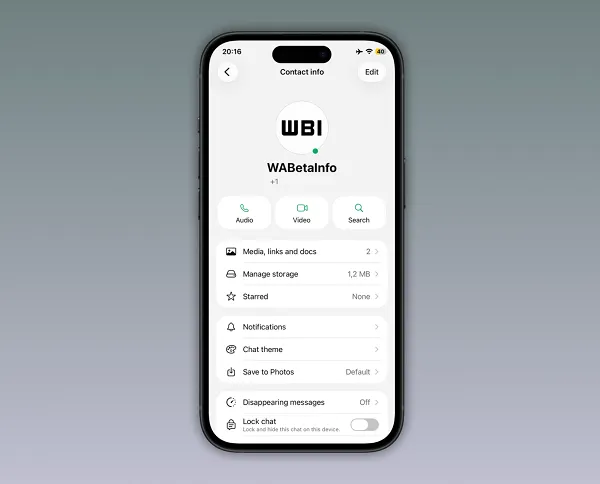
In an era where instant communication defines the rhythm of professional and personal life, WhatsApp is once again refining its interface to prioritize real-time engagement. The Meta-owned messaging giant has begun testing a subtle yet significant visual update: a green status indicator—commonly referred to as the "green dot"—designed to signal when a contact is currently active on the platform.
This feature, currently in its nascent testing phase, is being rolled out across iOS and Android beta versions. While seemingly minor, the introduction of this visual cue represents a strategic shift in how WhatsApp facilitates communication, moving away from passive text-based status updates toward a more fluid, presence-aware user experience.
The Mechanics of the Update: What We Know
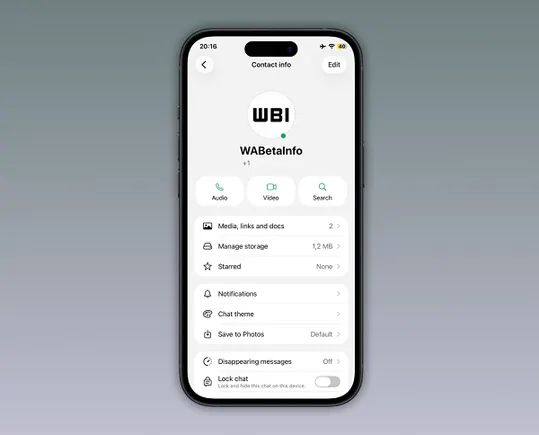
According to reports from WA Beta Info, the platform’s most reliable source for unreleased features, the green dot is designed to appear directly on the profile images of contacts who are currently active.
Previously, users seeking to determine if a contact was available had to rely on a text-based "Online" status label, which appeared beneath the contact’s name in the chat window. This new iteration streamlines that process, offering a visual "at-a-glance" confirmation.
Current Implementation
As of the latest beta builds, the green dot is not a global overlay. It is currently confined to the "chat info" screen—the page a user sees when they tap on a contact’s profile photo or name from within a conversation. It has not yet been deployed in the main chat list or within the active conversation header, suggesting that Meta is taking a cautious, phased approach to the rollout. This containment strategy likely serves a dual purpose: gathering user feedback without overwhelming the interface and assessing whether such a feature increases engagement or induces "notification fatigue."
A Chronology of WhatsApp’s Status Evolution
To understand the significance of the green dot, one must look at the history of WhatsApp’s evolution from a simple SMS replacement to a sophisticated social ecosystem.
- 2009–2012: The Foundational Years. WhatsApp launched with a singular focus: status messages. These were static, text-based snippets (e.g., "At the gym," "Battery about to die") that users manually updated.
- 2014: The "Read Receipt" Controversy. Following its acquisition by Facebook (now Meta), WhatsApp introduced the infamous "Blue Ticks." This was the first major step toward providing granular, real-time feedback on message delivery and read status, which sparked intense privacy debates.
- 2017: The Introduction of "WhatsApp Status." Borrowing a page from the ephemeral "Stories" format popularized by Snapchat, WhatsApp introduced its own version of status updates, allowing users to post photos and videos that vanish after 24 hours.
- 2023–2024: Real-Time Presence. The current testing of the green dot represents the next logical step in this evolution—a move toward "Presence Awareness," a concept long utilized by platforms like Slack, Discord, and Facebook Messenger.
Supporting Data: Why Presence Matters
The drive toward real-time status indicators is not arbitrary. Meta’s internal data, along with broader industry trends, suggests that users are more likely to initiate a conversation if they are confident that the recipient is available to respond immediately.
Research into digital communication behavior consistently shows that "latency anxiety"—the stress of not knowing if a message has been seen or if the recipient is reachable—is a primary driver of app churn. By clearly marking active users, WhatsApp hopes to lower the barrier to entry for communication.
Furthermore, the platform has observed that high-frequency messaging is strongly correlated with features that mimic face-to-face social dynamics. In a physical setting, one can see if someone is occupied. In the digital realm, the green dot acts as the visual equivalent of that "open-door" policy.
Official Responses and The "Privacy Paradox"
While Meta has not issued a formal press release regarding the green dot, industry analysts and beta testers have highlighted the inherent tension between convenience and privacy.
The "Privacy Paradox" describes the phenomenon where users express a strong desire for privacy but simultaneously adopt features that reveal their digital footprint. WhatsApp has long allowed users to hide their "Last Seen" and "Online" status in the Privacy Settings menu. It is widely expected—and all but confirmed by the beta architecture—that the green dot will be governed by the same privacy toggles. If a user disables "Last Seen," the green dot will likely remain hidden to others, maintaining the user’s autonomy over their digital presence.
Implications for User Experience and Social Dynamics
The introduction of the green dot carries profound implications for how we interact with our digital circles.
1. The "Always-On" Pressure
The most common criticism of such features is the psychological pressure they create. When a green dot signals availability, there is an implicit social expectation to respond to messages immediately. This can lead to digital burnout, as users feel compelled to "go dark" or hide their status to avoid unwanted interactions.
2. Streamlining Professional Communication
Conversely, for professional use cases—where WhatsApp is increasingly being used as a primary business communication tool—the green dot is a significant productivity gain. Knowing when a colleague or client is online allows for more efficient scheduling and decision-making, reducing the "ping-pong" effect of delayed emails or missed messages.
3. The Impact on Interpersonal Boundaries
In personal relationships, the green dot can serve as a catalyst for intimacy, but also as a source of friction. The ability to see that someone is active but not responding can lead to interpersonal misunderstandings. WhatsApp’s decision to limit the dot to the "chat info" screen suggests they are attempting to mitigate this by ensuring the indicator is not "in your face" while you are trying to read or write a message.
The Future of Meta’s Unified Messaging
This update should be viewed through the lens of Meta’s broader goal: the unification of its messaging infrastructure across WhatsApp, Instagram, and Messenger. By bringing features like active status indicators to all three, Meta is creating a cohesive experience that keeps users within their ecosystem for longer periods.
As the testing phase continues, we should expect a few developments:
- Granular Controls: More refined settings that allow users to hide their online status from specific individuals or groups, rather than a binary "everyone vs. no one" toggle.
- AI Integration: Future iterations could potentially use AI to suggest the best times to message someone based on their historical "active" patterns, further blurring the line between convenience and automation.
- Cross-Platform Parity: Once the iOS and Android beta testing reaches maturity, the feature will likely become a default, with an opt-out mechanism for those who value privacy over the social benefits of visibility.
Conclusion: A Delicate Balance
The green dot is a microcosm of the modern tech challenge: how to facilitate connection without infringing upon the user’s right to digital seclusion.
WhatsApp is walking a fine line. On one side, the desire to foster a more "live" and engaging app environment is clear. The green dot provides a sense of connection that text alone cannot achieve. On the other side, the app’s massive user base—spanning diverse cultural and professional contexts—requires a high degree of control over how their availability is broadcasted.
As WhatsApp moves closer to a full rollout, the success of the green dot will depend not on the technology itself, but on the robustness of the privacy controls attached to it. If users feel they can "be seen" only when they choose to be, the feature will likely be embraced as a helpful tool for modern communication. If it feels like an intrusive surveillance mechanism, however, it may face pushback from a user base that has already grown wary of the platform’s evolving data policies.
For now, the green dot remains a signal in the dark—a small, luminous reminder that in our increasingly digital world, being "online" is becoming the default state of human interaction. Whether that is a progress or a burden remains, for now, in the hands of the users.

 Asep Darmawan
 Dwi Wanna