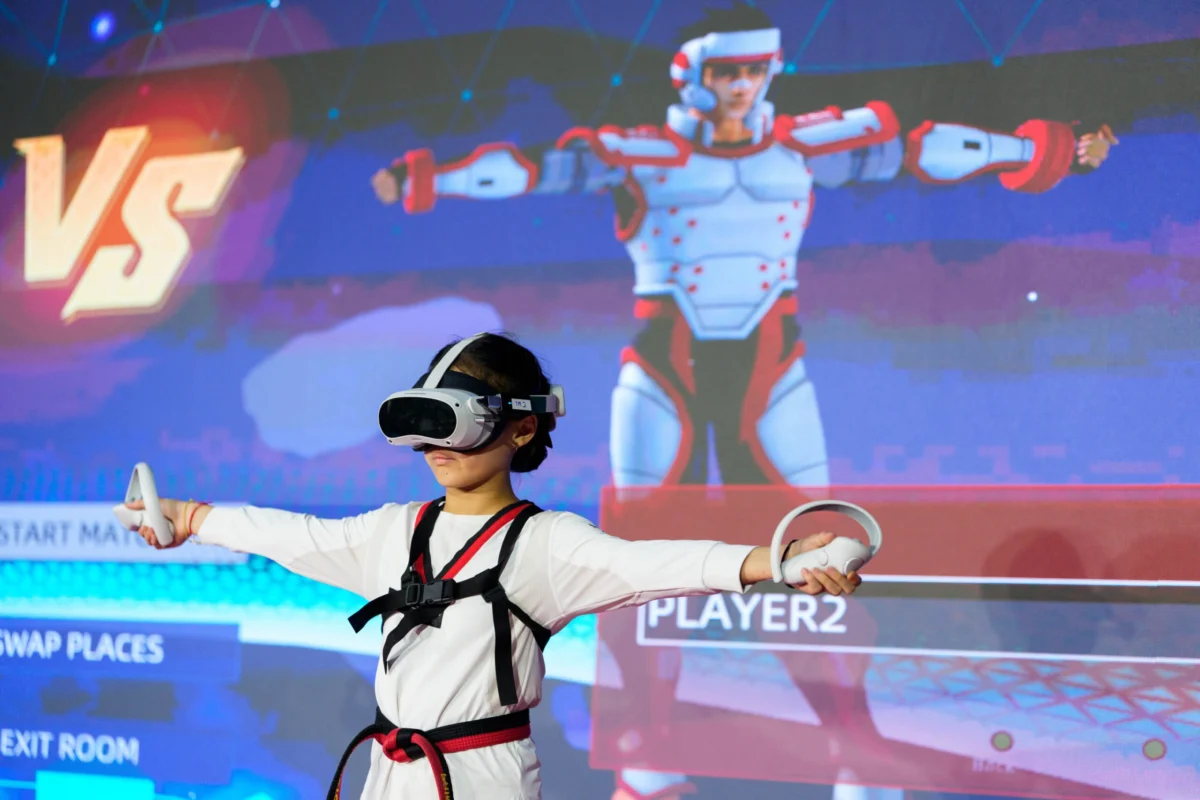
For decades, the image of martial arts has been inextricably linked to the physical toll of the "full-contact" experience. The bruises, the risk of concussion, and the daunting barrier to entry for those outside of competitive athletic circles have defined the sport’s perimeter. However, a digital revolution is currently unfolding in Southeast Asia, one that strips away the impact while keeping the intensity. Virtual Taekwondo, once dismissed as a mere technological novelty, has evolved into a legitimate, high-stakes discipline, recently making a compelling debut at the Asian Games.
What was once a futuristic curiosity is now bridging the gap between traditional athleticism and the digital age, offering a path for those who seek the discipline of combat sports without the clinical risk of injury.
The Evolution of the Digital Arena
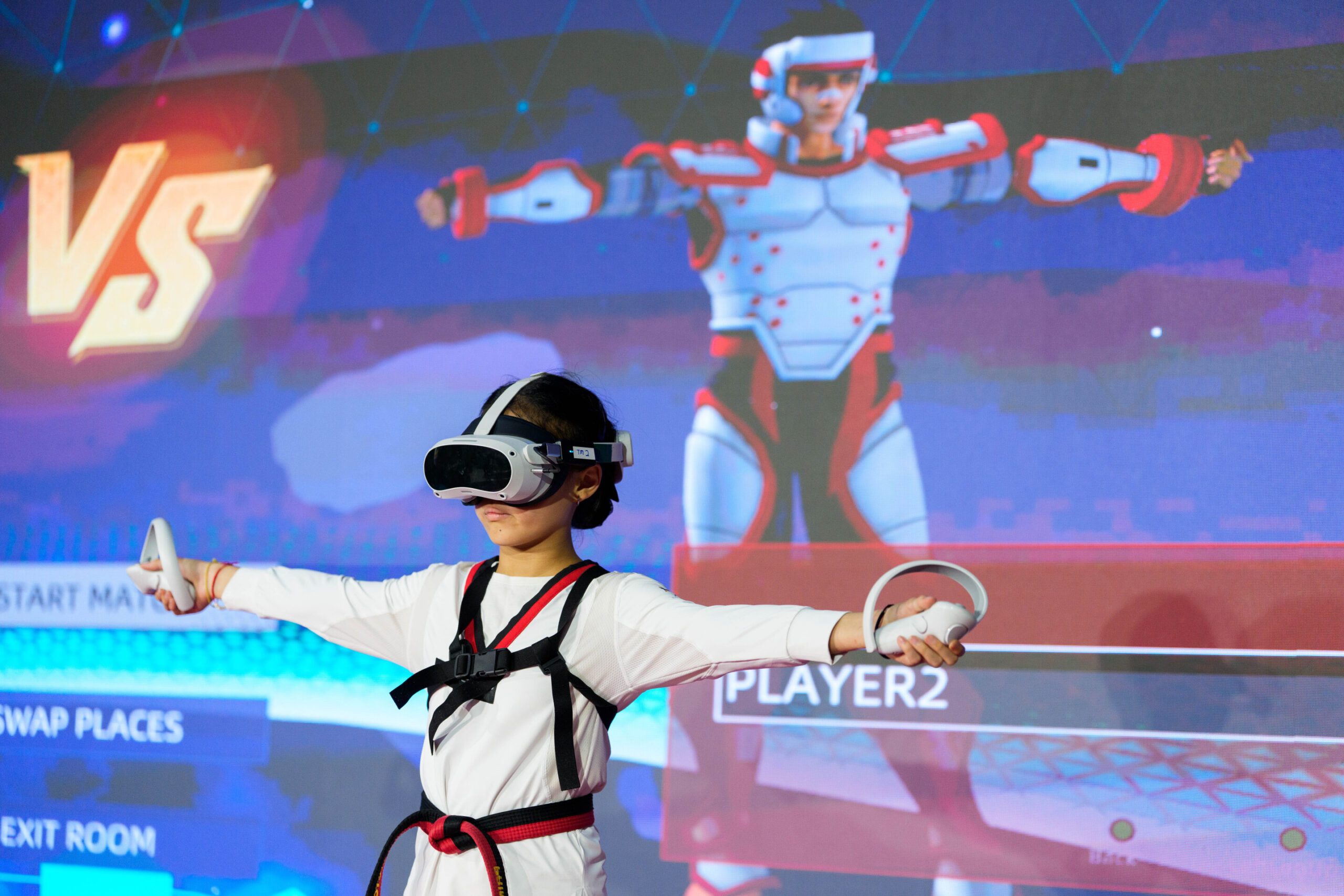
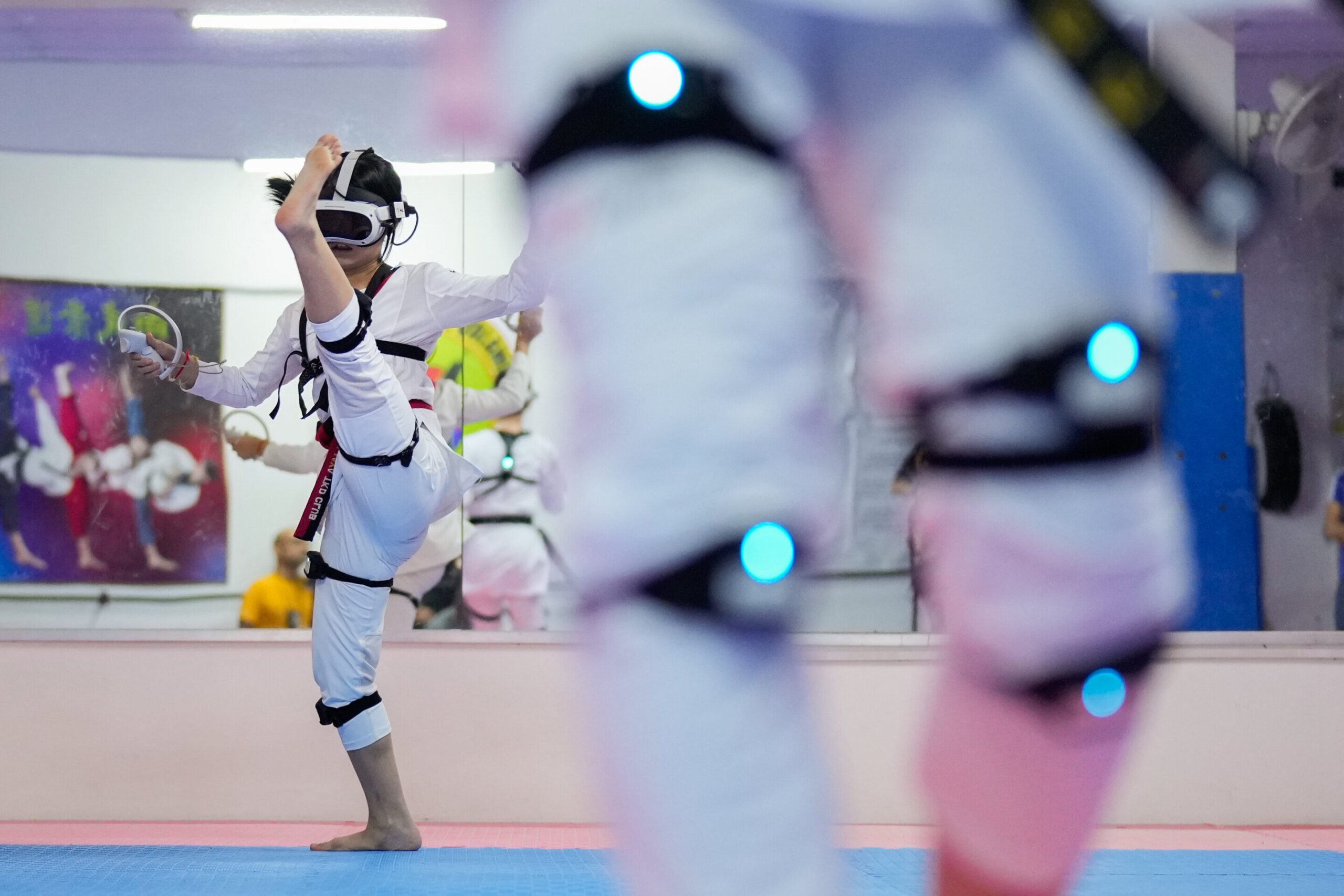
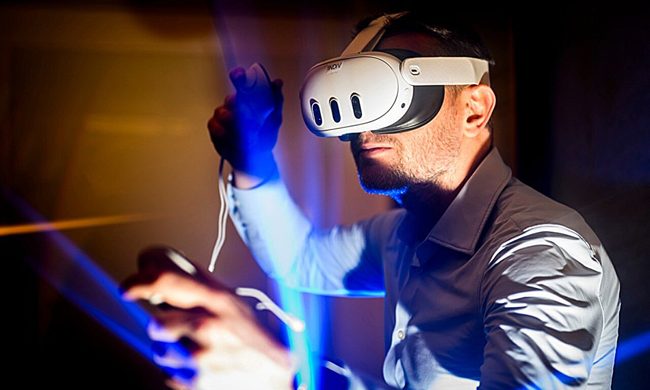
The premise of virtual taekwondo sounds, at first glance, like a classic gaming gimmick. Participants don high-fidelity VR headsets, strap specialized motion-tracking sensors to their limbs, and engage in high-speed combat against avatars in a virtual space. To the casual observer, it looks like a scene from Wii Sports—a player kicking at empty air.
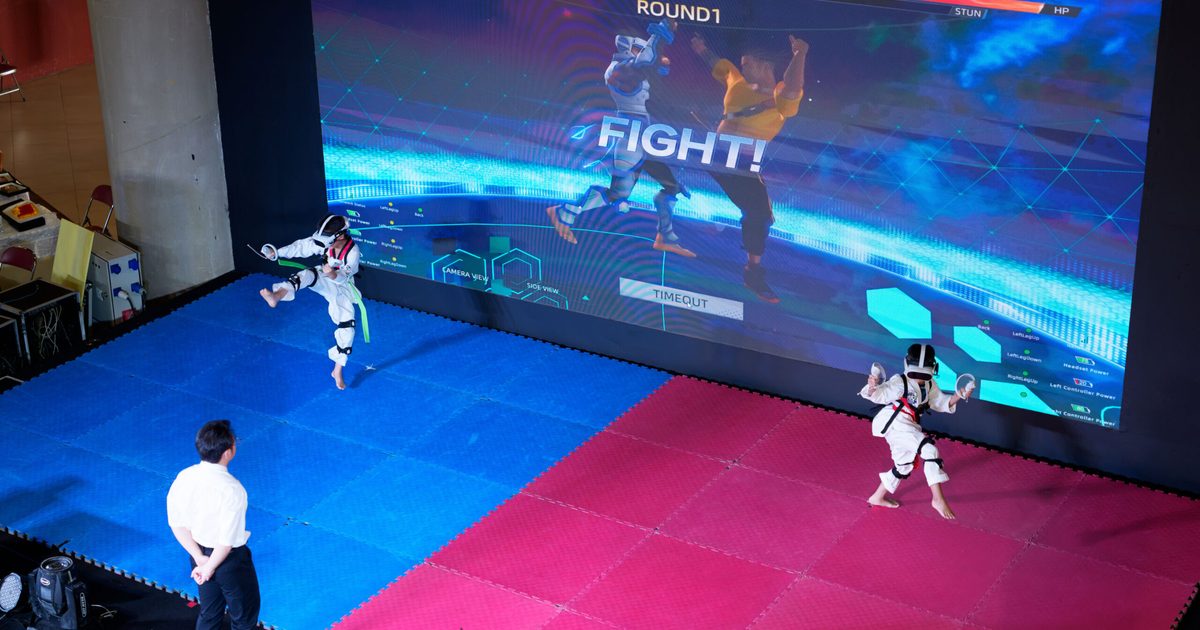
However, beneath the surface of this digital interface lies a brutal, cardiovascular reality. Athletes are not merely "playing" a game; they are performing high-intensity anaerobic bursts, executing complex footwork, and reacting with millisecond precision to the movements of their opponent’s avatar. While the hits land on digital entities rather than human bodies, the athletic output remains as demanding as the traditional version of the sport.
Chronology: From Lab Experiment to International Stage
The journey of virtual taekwondo from a fringe concept to a sanctioned competitive event has been rapid.
- 2020-2022: The Prototype Phase. During this period, developers focused on latency reduction. The biggest hurdle for VR combat was the "perceptual gap"—the delay between a physical kick and the digital registration of that strike. Once companies like World Taekwondo began standardizing sensor arrays, the sport moved out of basement hobbyist setups and into dedicated training centers.
- 2023: Standardization. The introduction of unified motion-tracking protocols allowed for cross-regional competition. For the first time, an athlete in Singapore could compete against an opponent in Seoul with a fair assessment of speed, force, and accuracy.
- 2025: The Asian Games Milestone. The official integration of virtual taekwondo into the Asian Games marked the transition from "tech demo" to "medal event." It was no longer a side show; it was a recognized pursuit of athletic excellence.
- 2026: The Global Expansion. Today, the sport is seeing a surge in adoption across Southeast Asian youth programs and professional clubs, as organizations look to capitalize on the lower liability profile of non-contact competition.
Supporting Data: Why the Shift Matters
The appeal of virtual taekwondo is supported by a growing body of data regarding injury prevention and accessibility. In traditional taekwondo, the cumulative impact of contact—even with protective gear—can lead to long-term joint issues and soft-tissue trauma.
Studies conducted at recent training clinics in Thailand and Vietnam suggest that virtual participants maintain 90% of the cardiovascular engagement of traditional sparring, yet the incidence rate of "game-ending" injuries (such as fractures or concussions) has plummeted to near zero.
Furthermore, the data regarding "Accessibility Tiers" shows a 40% increase in participation among demographics that previously avoided contact sports: specifically, youth under the age of 12 and adults over the age of 40. By removing the fear of pain, the sport has expanded its potential talent pool by nearly half, allowing for a more diverse array of competitors to enter the fold.
Official Perspectives: Navigating the Controversy
Not everyone in the martial arts community has embraced the digital shift. Traditionalists argue that the "soul" of taekwondo is found in the connection between two fighters—the ability to read an opponent’s eyes, the psychological pressure of a physical presence, and the raw visceral reality of the impact.
"There is a fundamental difference between managing an avatar and managing an opponent," notes a prominent coach in the Southeast Asian circuit. "In the physical world, you aren’t just fighting a person; you are fighting your own fatigue and the physical reality of space. In VR, the ‘hitbox’ is mathematical. It’s perfect. But martial arts have never been about perfection; they have been about human struggle."
Conversely, proponents argue that the sport is simply evolving. Officials at the recent Asian Games noted that the goal is not to replace traditional taekwondo but to provide a "parallel track." Much like how e-sports have found a home alongside physical chess, virtual taekwondo provides a platform for those whose physical constraints or personal preferences would otherwise exclude them from the martial arts community.
The Technical Hurdle: Distance and Proprioception
One of the most significant challenges for athletes transitioning to virtual taekwondo is the "proprioceptive shift." In a physical match, an athlete gauges distance based on the visual and tactile feedback of the opponent’s body. In VR, the brain must be re-trained to process depth and distance based entirely on visual cues.

This has created a new category of "VR-Specialist" coaches. These trainers focus on "spatial calibration"—exercises designed to help the athlete map their physical limbs to the digital avatar’s movement. Many athletes report initial bouts of vertigo or frustration, but those who master the digital interface often find that their traditional kicking form improves, as the game’s sensors demand a level of precision that a human judge might overlook.
Implications for the Future of Combat Sports
The rise of virtual taekwondo has profound implications for the future of athletics, extending far beyond the mat:
1. The Democratization of Competition
The barrier to entry for many combat sports is the cost of specialized equipment and the physical risk. As VR hardware becomes more affordable, we are likely to see virtual gyms pop up in community centers, schools, and even home-office setups. This decentralizes the sport, moving it away from elite, expensive dojos and into the hands of the public.
2. A Solution to the Injury Crisis
As sports medicine becomes more concerned with the long-term effects of concussions and repetitive impact, virtual combat provides a "safe" version of the sport that maintains the tactical depth. This could serve as a template for other sports, such as boxing or fencing, looking to mitigate risk without losing the competitive edge.
3. The End of Age and Weight Divisions?
Perhaps the most radical implication is the potential for "unified competition." Because virtual matches are controlled by avatars, the physical stature of the opponent is less relevant. A lightweight competitor and a heavyweight competitor could, theoretically, compete on a level playing field where skill, stamina, and reaction speed are the only deciding factors. This could lead to a complete overhaul of how we define competitive brackets in the next decade.
4. The Business of "E-Athleticism"
The financial commitment required for professional-grade sensors and VR rigs is currently high, which acts as a filter for serious competitors. However, as sponsors begin to see the value in virtual tournaments—which are inherently easier to broadcast, analyze with data overlays, and monetize—the funding will follow. We are moving toward a future where a "Virtual Taekwondo Champion" might hold the same prestige as a traditional gold medalist.
Conclusion: A New Discipline, Not a Replacement
Virtual taekwondo is no longer the "gimmick" it was labeled when first introduced. It is a rigorous, demanding, and highly technical discipline that is successfully solving the biggest barrier to entry in martial arts: fear.
By separating the "athletic grind" from the "contact risk," the sport has opened a door to a new generation of practitioners. Whether it will ever fully eclipse the traditional, high-contact version of the sport remains to be seen. However, as athletes continue to gas out in the digital arena, gasping for air after a minute of intense, calculated combat, it is clear that the fight is very real—even if the opponent is made of pixels. The mat may be virtual, but the sweat, the strategy, and the glory are entirely human.