

The first half of 2026 has been defined by a relentless, "everything-everywhere-all-at-once" cadence of global instability. From the persistent trade wars sparked during the second term of the Trump administration to the inflationary pressures of an ongoing conflict in Iran, the modern consumer is living in a state of permanent crisis. As gas prices climb and geopolitical anxiety settles into the daily routine, consumer sentiment has plummeted to historic lows.
In this volatile landscape, the advertising industry is facing a reckoning. The rise of generative AI, the proliferation of "fake feeds," and the overwhelming noise of the digital sphere have forced brands to rethink their strategies. To survive, marketing departments are moving away from polished, aspirational advertising toward a new, desperate pursuit of raw, unvarnished honesty.
Chronology of a Tumultuous Half-Year
The year began under the shadow of economic protectionism, with trade tensions dampening the retail outlook. As spring approached, the nation’s attention shifted to the World Cup—which served as a flashpoint for the ongoing Nike-Adidas rivalry—and the buildup to America’s 250th birthday.
However, these cultural tentpoles were quickly marred by the sociopolitical climate. The forced exodus of the Iranian national soccer team between matches and a controversial UFC event held on the White House lawn—which saw a derogatory remark directed at former First Lady Michelle Obama—highlighted the impossibility of separating commerce from the culture wars. By mid-year, the advertising terrain was being aggressively reshaped by the twin forces of AI-driven automation and a surge in corporate mergers and acquisitions.
The Core Strategic Pivot: Embracing the "Pratfall Effect"
As David Palmer, executive creative director at the agency Thinkingbox, notes, the challenge for brands today is moving from a performative posture to a genuine one. "Everyone is trying to figure out how to be honest," Palmer says. "The struggle is that for certain brands, that has been in their DNA, while others are having to decide how to act human when their output hasn’t historically been that way."
The solution for many of the year’s top-performing brands has been the "pratfall effect"—the psychological phenomenon where admitting a mistake or exposing a vulnerability actually increases a brand’s likability and consumer trust.
Anthropic and the AI Cold War
The most significant disruptor in 2026 has been Anthropic. With a valuation approaching $1 trillion, the startup has outmaneuvered OpenAI by leaning into the irony of its own existence. Their Super Bowl campaign, "Can I get a six pack quickly?", utilized a biting, self-aware humor that tackled the "uncanny valley" of AI head-on. By positioning its chatbot, Claude, as the anti-ad platform—taglined, "Ads are coming to AI. But not to Claude"—the company successfully positioned itself as the approachable, "human-friendly" alternative in a tech landscape defined by mistrust.
Burger King’s Turnaround
Burger King’s "There’s A New King And It’s You" campaign serves as a masterclass in the pratfall effect. By firing its long-standing, often polarizing mascot and shifting the focus to consumer feedback, the brand saw U.S. comparable sales accelerate by 5.8% in Q1. The strategy, reminiscent of the 2010 Domino’s "Pizza Turnaround," proved that when a brand acknowledges it has "fallen off," consumers are often willing to provide the ladder to help it climb back.

Data-Driven Resilience
Despite the macroeconomic headwinds, brands that doubled down on transparent, value-driven messaging have seen measurable success.
- Financial Growth: Burger King’s 5.8% sales growth in Q1 2026 significantly outperformed its parent company, Restaurant Brands International (RBI), which saw 3.2% growth.
- Dove’s Consistent Scaling: Dove’s "Real Beauty" platform, now over two decades old, continues to pay dividends. The brand reported 6% growth for 14 consecutive quarters, proving that a consistent, moral-based brand position can withstand even the most volatile economic cycles.
- Coach’s Gen Z Surge: By co-creating content with Gen Z, Coach saw a 31% revenue growth in the third fiscal quarter, reaching nearly $1 billion in annual marketing spend while successfully capturing the Gen Z demographic through authentic storytelling rather than traditional, top-down advertisements.
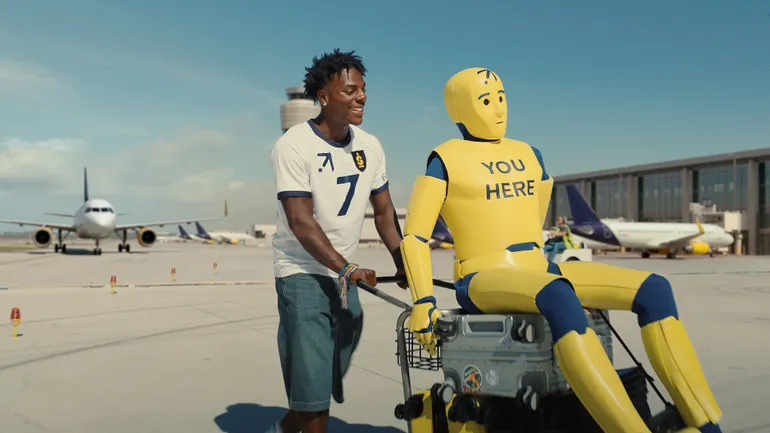
- Expedia’s Creator Power: The partnership with streaming star IShowSpeed demonstrated the raw power of creator-led commerce. The 12-hour livestream campaign, which included a shoppable experience, reached over 400 million people and triggered direct spikes in travel bookings, proving that creators are now a standalone media channel.
Official Responses and Strategic Philosophy
The leadership at these organizations has been vocal about the need for a shift in philosophy.
On Co-Creation: Joon Silverstein, CMO of Coach, emphasized at a recent industry event that the brand is moving toward a model of "hand-in-hand" co-creation. "It’s so much more powerful when our consumers see themselves in the brand," Silverstein noted, highlighting that the modern consumer demands a role in the brand narrative rather than just being a passive recipient of a message.
On AI Inclusivity: Jennifer Foyle, president and executive creative director at Aerie, has been a staunch defender of human-first imagery. By banning the use of AI to represent women in their ads, Aerie has fostered a "Realmakers Community" that has exceeded engagement targets. Foyle noted that the brand’s success is tied directly to the "strong emotional connection" built with customers who are fatigued by the artificial perfection of the AI age.

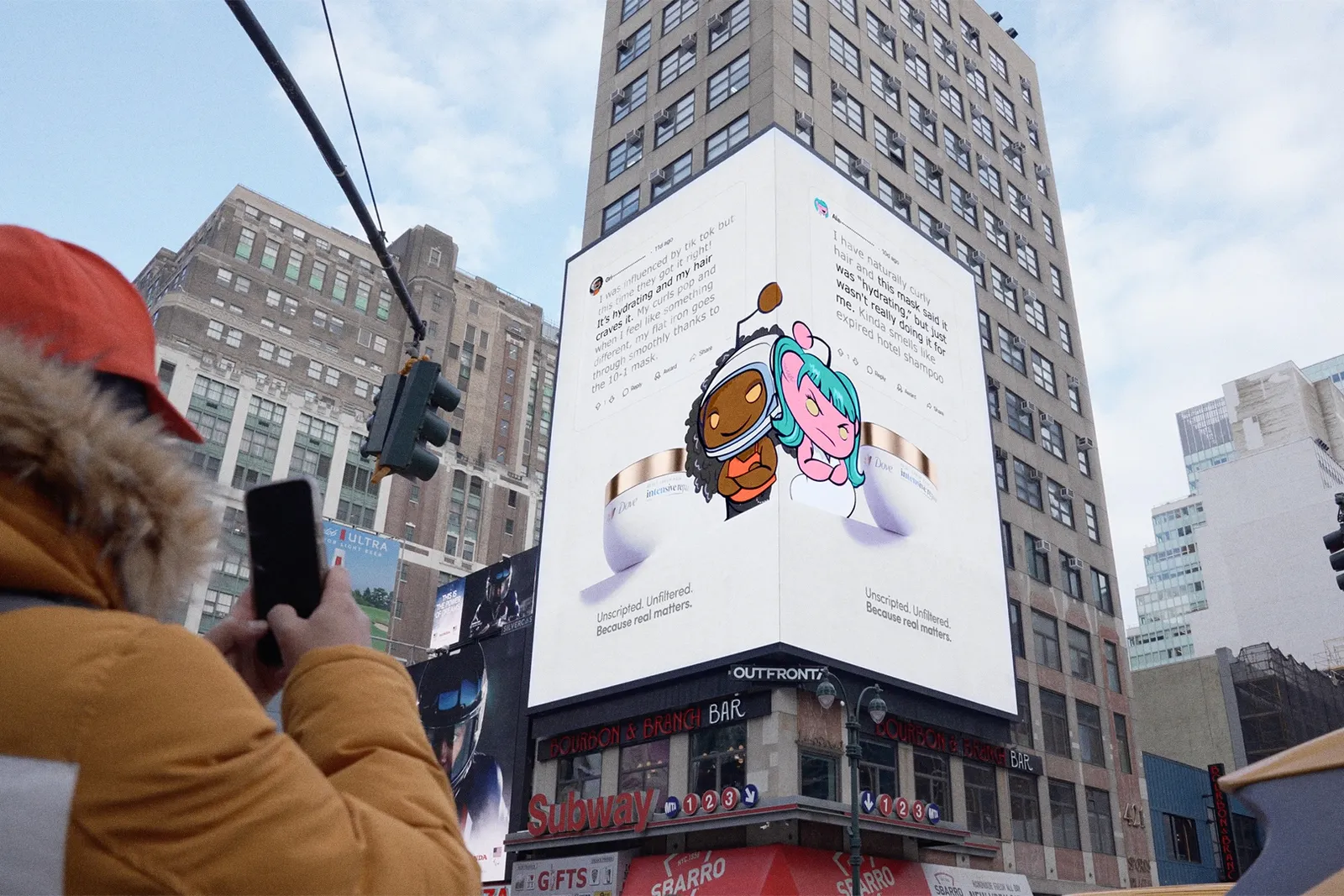
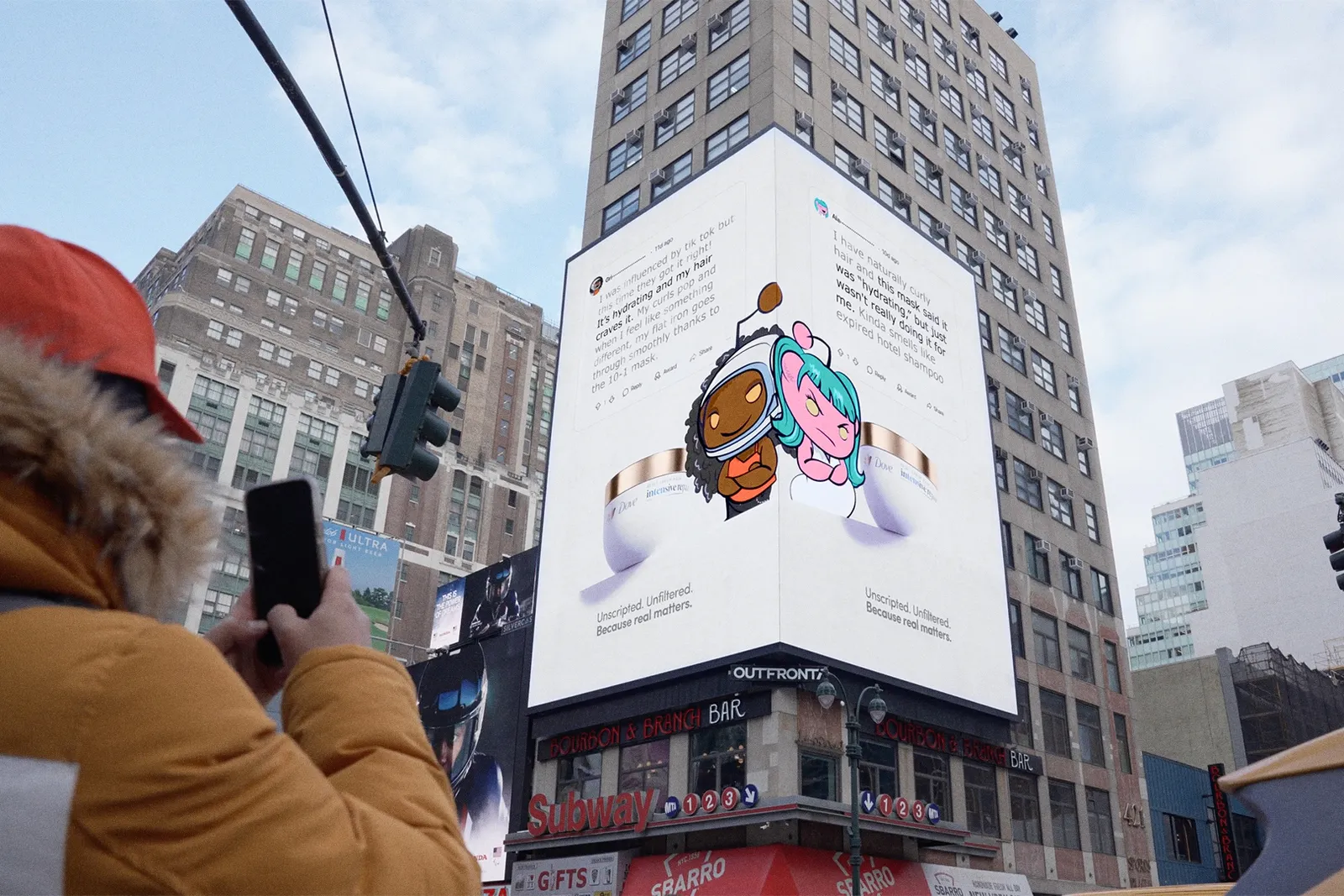
On Radical Transparency: Emily Barfoot, head of Dove U.S., reflected on the company’s "r/eal reviews" campaign, which utilized unfiltered Reddit comments. "The Redditor community is not brutal for the sake of being brutal. They’re just honest," Barfoot said. By allowing negative feedback to coexist with positive reviews in their creative, Dove effectively disarmed potential critics, leading to a sweep of six Cannes Lions awards.
The Implications for Future Marketing
As we look toward the second half of 2026, the implications for marketers are clear:
- The Death of the Polished Ad: In an era of AI-generated perfection, the "imperfect" is the new premium. Brands that hide behind high-gloss production values will likely face increased skepticism.
- The Integration of Commerce and Community: The success of Expedia and Coach demonstrates that marketing is no longer just about awareness; it is about building ecosystems. Campaigns must now provide utility—whether through a shoppable travel experience or a book-themed accessory—to earn the consumer’s time.
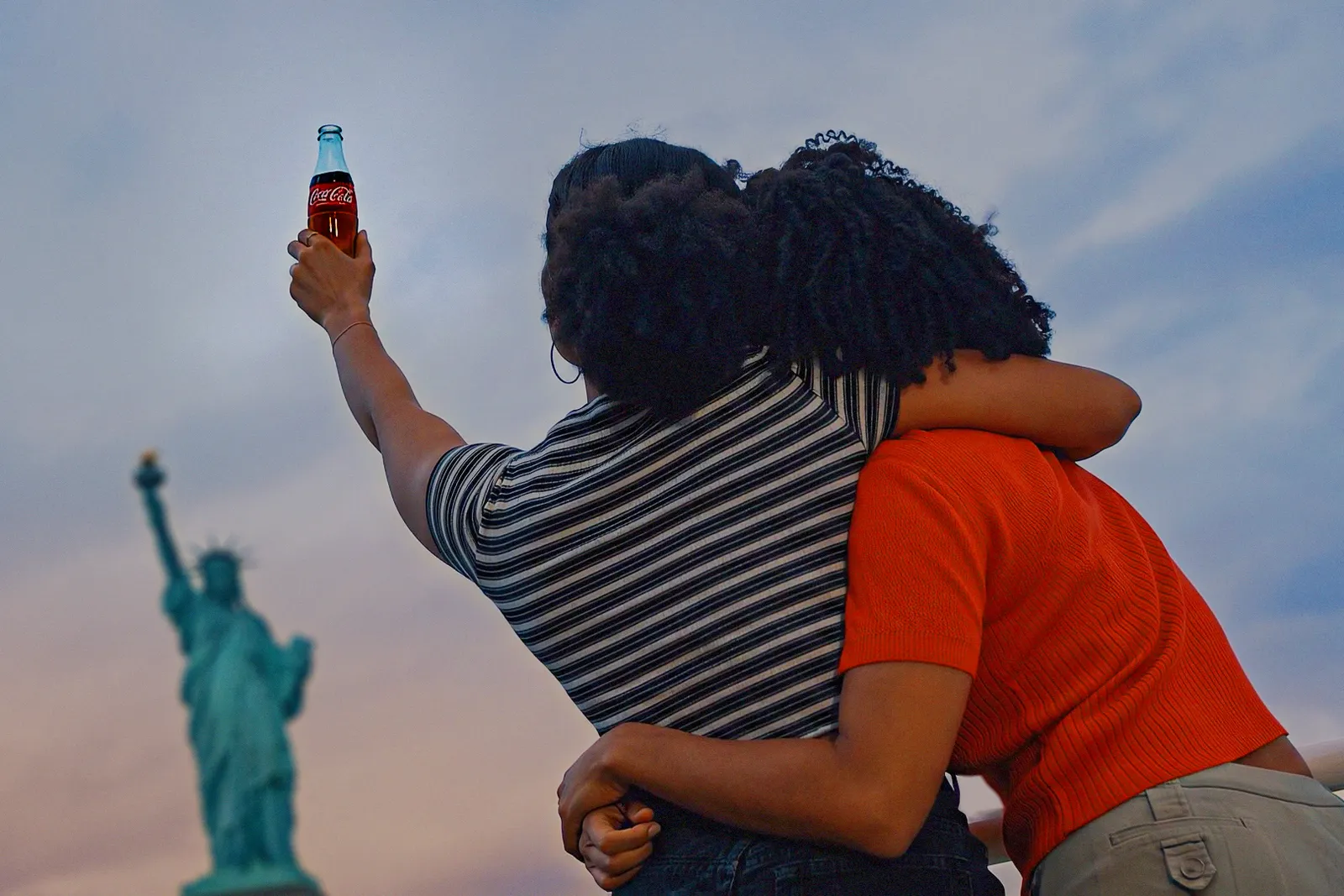
- Nostalgia as a Bridge, Not a Crutch: Coca-Cola’s America250 campaign demonstrates that nostalgia can be used effectively to foster unity during a polarized time, provided it is used to project a "vision of how the world should be" rather than merely dwelling on a romanticized, unattainable past.
- The AI Paradox: While AI is the engine behind efficiency, it is also the primary driver of consumer mistrust. Brands that take a public stance against the misuse of AI—like Aerie and Anthropic—are gaining a competitive advantage by aligning themselves with the human experience.
Ultimately, the first half of 2026 has taught the advertising industry that when the world is in chaos, the only reliable anchor is truth. Whether that truth is a blunt Reddit review, an admission of a failing business strategy, or a refusal to use AI, consumers are voting with their wallets for brands that look them in the eye and admit they are just as human as their customers. As the political and economic landscape continues to shift, the brands that thrive will be those that view "honesty" not as a marketing tactic, but as the only remaining viable business model.











