

By Editorial Desk | May 11, 2026
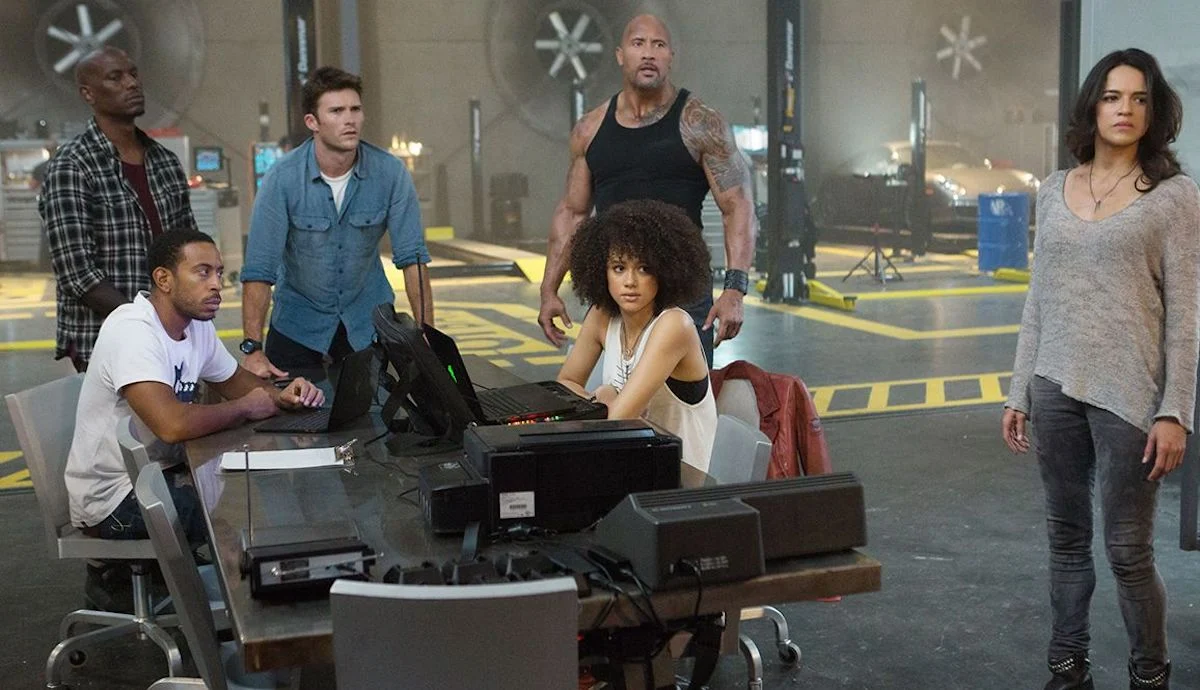
In the modern landscape of Hollywood, the concept of “franchise fatigue” is no longer a theoretical concern—it is a tangible, box-office-altering reality. As major studios grapple with declining interest in interconnected universes, one franchise has remained a defiant outlier: Fast & Furious. Known for its gravity-defying stunts, global locations, and an unwavering commitment to the theme of “family,” the series has long been the gold standard for high-octane spectacle. However, a major pivot announced this week suggests that the franchise is moving from the big screen to a multi-platform strategy that could either cement its legacy or trigger the very burnout it has thus far managed to escape.
During the NBCUniversal upfronts, franchise lead Vin Diesel took to the stage to announce that the Fast & Furious universe is officially expanding into the world of television. Peacock, the network’s streaming home, will become the hub for four brand-new television series set within the Fast canon.
The Main Facts: A New Chapter for the Fast Saga
The announcement, which caught many industry analysts off guard, signals a massive shift in how NBCUniversal intends to leverage its intellectual property. Diesel, appearing as the face of this expansion, framed the move not as a desperate grab for content, but as a long-gestating plan to provide fans with the depth they have been clamoring for.
“For the last decade, we have realized that the fans have wanted more,” Diesel stated during the presentation. “They wanted us to expand the legacy characters, their stories. And for the last decade, the desire has been for us to enter the TV space that Jimmy Fallon has mastered. And I had to wait till it was right.”
The "right time," it seems, is May 2026. While details on the specific plots, showrunners, or casting for these four series remain scarce, the scope of the announcement is undeniable. By committing to four simultaneous series, the studio is effectively turning a cinematic powerhouse into a 24/7 content machine, forcing the audience to treat the Fast universe with the same level of commitment usually reserved for expansive literary adaptations or deep-lore comic book sagas.
A Chronology of a Global Powerhouse
To understand the significance of this move, one must look at the trajectory of the franchise. What began in 2001 as a modest street-racing film about hijacked DVD players has evolved into an intercontinental espionage saga involving space travel, super-hackers, and clandestine government agencies.
- 2001: The Fast and the Furious premieres, grounded in the underground racing culture of Los Angeles.
- 2009: Fast & Furious re-energizes the brand by reuniting the core cast, setting the stage for the series’ evolution into an ensemble heist epic.
- 2011–2015: The release of Fast Five through Furious 7 catapults the franchise into the stratosphere, turning it into a billion-dollar juggernaut.
- 2021: F9 leans fully into the absurdity of the genre, sending its characters into orbit, cementing the franchise’s reputation as a “physics-optional” spectacle.
- 2023: Fast X is released to mixed critical reception but maintains a strong global footprint, proving the franchise’s resilience.
- 2026: NBCUniversal announces the four-series television expansion, aiming to maintain engagement ahead of the 2028 finale, Fast Forever.
The Marvel Warning: A Case Study in Diminishing Returns
The decision to pivot to television comes at a precarious time. The industry is currently reeling from the “Marvel Effect,” a cautionary tale of over-saturation. When the Marvel Cinematic Universe (MCU) expanded onto Disney+ with a relentless slate of shows, it initially felt like a gift to fans. However, the subsequent years proved that "more" is not always "better."
The complexity of the MCU’s current narrative state has made the viewing experience feel like a chore rather than a hobby. Casual viewers, once able to walk into a theater and enjoy a superhero flick, found themselves faced with an entry barrier of dozens of hours of television. Shows like WandaVision were hailed as artistic triumphs, but their narrative requirements for later films—such as Doctor Strange in the Multiverse of Madness—created a "homework" dynamic. When the quality of these shows began to dip, as seen with the critical reception of Secret Invasion, the brand equity of the entire universe suffered.
By moving the Fast & Furious franchise into this same model, NBCUniversal is walking a tightrope. If the four upcoming series are perceived as essential viewing for the 2028 conclusion Fast Forever, the studio risks alienating the very audience that has kept the films at the top of the global box office for over two decades.
Official Responses and Strategic Intent
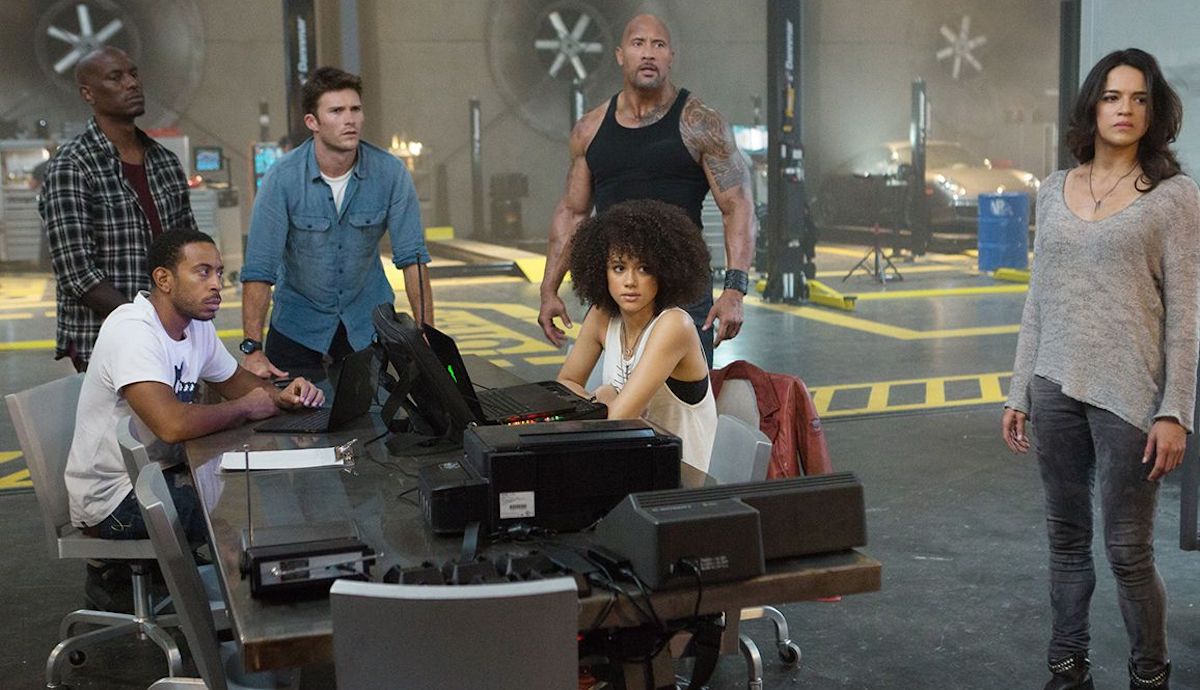
Vin Diesel’s messaging is clear: he views the television expansion as a natural evolution of the “family” narrative. In his view, the characters have become so rich and the world so vast that a two-hour film window is no longer sufficient to contain their arcs.
Industry experts, however, are reading between the lines. The push for four series suggests a directive from the top-down to bolster Peacock’s subscriber retention. In a streaming war where content is the primary currency, having a marquee brand like Fast & Furious—which boasts high engagement across diverse international demographics—is a powerful tool for NBCUniversal. The studio is betting that the emotional attachment fans have to Dom Toretto and his crew is strong enough to survive the transition to the small screen, regardless of the potential for fatigue.
Implications for the Future of the Franchise
What are the long-term implications of this move? Primarily, it changes the nature of the Fast & Furious experience.
1. The Dilution of Spectacle
The Fast films are defined by their "event" status. They are loud, visual, and meant for the largest possible screens. Transferring this energy to television, likely with lower budgets and a different narrative pace, could dilute the very spectacle that makes the franchise unique. If the franchise loses its "cinematic event" quality, it loses its primary competitive advantage.
2. The Narrative "Homework" Problem
As noted, if the television shows introduce key plot points, villains, or character developments that are essential to understanding the final film, Fast Forever, the franchise will become exclusionary. A franchise that was once defined by its accessibility (anyone can enjoy a car chase) could become a niche product for those willing to commit to a long-term streaming subscription.
3. The "Family" Burnout
The irony of the Fast franchise is that its greatest strength—the theme of family—is also its greatest potential weakness. Over the last few years, the series has added numerous cast members, expanding the family tree to the point of absurdity. Adding four TV shows means adding even more characters, more subplots, and more potential for narrative bloat.
Conclusion: A High-Speed Gamble
The decision to launch four television shows is a high-stakes gamble. On one hand, it honors the legacy of a franchise that has consistently defied expectations and outperformed its critics. It is a bold move to keep the brand relevant in an era where audiences are increasingly selective about what they watch.
On the other hand, it ignores the lessons of recent years. Audiences are signaling a desire for quality over quantity, and "franchise fatigue" is not just a catchphrase; it is a symptom of a market that has been pushed too far.
As we look toward the 2028 release of Fast Forever, the question remains: Can the family keep growing, or will the weight of its own ambition finally bring the franchise to a screeching halt? For now, the engine is running, the cameras are rolling, and the world is watching—but whether this is the final lap or a long, drawn-out burnout remains to be seen. The fans will ultimately decide, but in a crowded media landscape, even the most loyal family members eventually need a break from the road.











No comments yet. Be the first to join the conversation!