

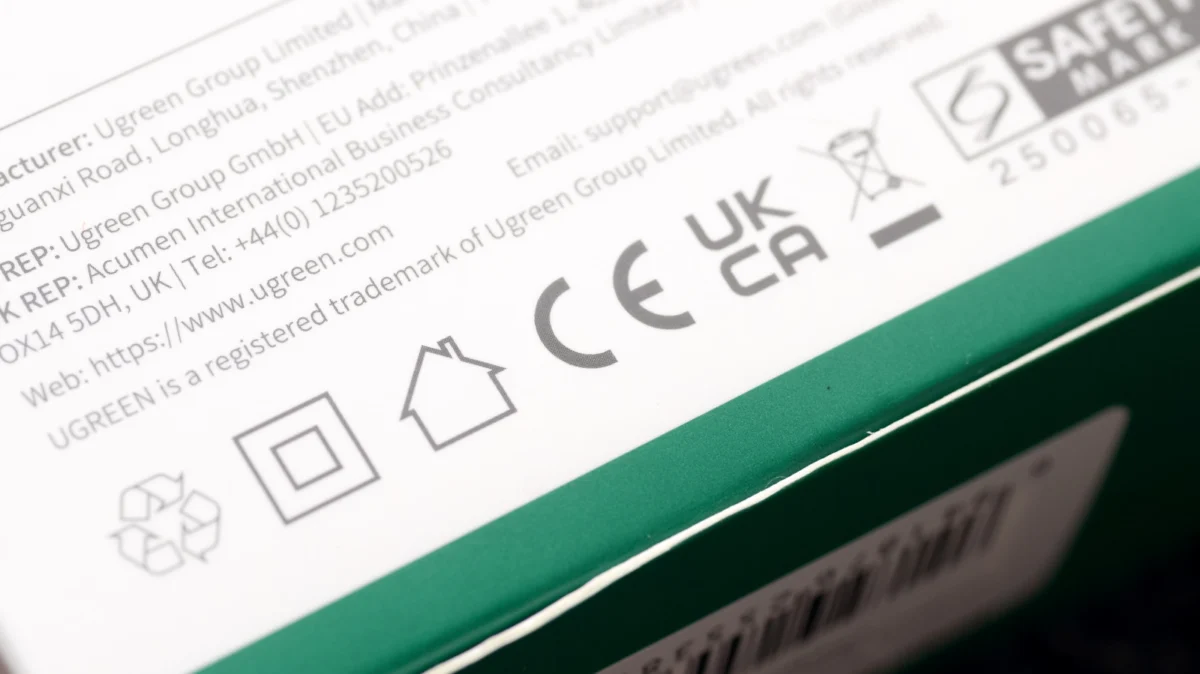
When you unbox a new smartphone, laptop, or kitchen appliance, your eyes likely scan the packaging for technical specifications or warranty information. However, often overlooked are the tiny, cryptic symbols printed on the back of the device or its power brick. Among these, perhaps the most ubiquitous is the "CE" mark. While it may look like a simple aesthetic choice, this symbol is a vital indicator of regulatory compliance, safety, and market access. Understanding what these two letters represent is essential for any modern consumer navigating an increasingly globalized electronics marketplace.
The Foundation: What is the CE Mark?
At its core, the CE mark—derived from the French Conformité Européenne—is a mandatory certification for a vast array of products sold within the European Economic Area (EEA). When a manufacturer affixes this symbol to their product, they are making a formal declaration that the item meets all essential health, safety, and environmental protection requirements set forth by the European Union.
It is a common misconception that the CE mark acts as a "quality seal" or a sign that a third-party testing agency has inspected the specific unit in your hand. In reality, it is a self-declaration of conformity. The manufacturer assumes full responsibility for ensuring the product adheres to the relevant EU directives. This covers everything from electromagnetic compatibility (EMC) and low-voltage safety to the restriction of hazardous substances (RoHS).
The reach of the CE mark is significant. It is required for products sold in all 27 EU member states, as well as Iceland, Liechtenstein, and Norway. In total, 33 countries currently mandate this designation for specific product categories, which include toys, medical devices, recreational watercraft, and—most relevant to the tech-savvy consumer—electronics and electrical equipment.
A Chronological Perspective: The Evolution of European Standardization
The history of the CE mark is inextricably linked to the formation of the European Single Market. Before the implementation of these unified standards, manufacturers wishing to sell goods across Europe had to navigate a labyrinth of conflicting national regulations. A toaster deemed safe in Germany might not meet the specific technical requirements of France, creating significant barriers to trade.
- The 1985 "New Approach": The concept of the CE mark was born out of the European Council’s 1985 "New Approach to Technical Harmonization and Standards." The goal was to shift the burden of proof from individual national regulators to the manufacturers themselves.
- The 1990s Implementation: Throughout the 1990s, the CE mark began appearing on a wide range of goods as the EU issued various directives covering different industries. It became the hallmark of the European Single Market, facilitating the free movement of goods across borders.
- The 2008 Revision: To combat the proliferation of counterfeit or misleading marks, the European Parliament and Council adopted Regulation (EC) No 765/2008, which set out the requirements for accreditation and market surveillance. This provided a more robust legal framework to hold manufacturers accountable for their self-declarations.
- Modern Era: Today, the CE mark is supported by a sophisticated network of harmonized standards (EN standards). While the mark itself hasn’t changed its fundamental meaning, the directives behind it have evolved to include modern concerns like cybersecurity and energy efficiency.
The "China Export" Controversy: Distinguishing the Real from the Fake
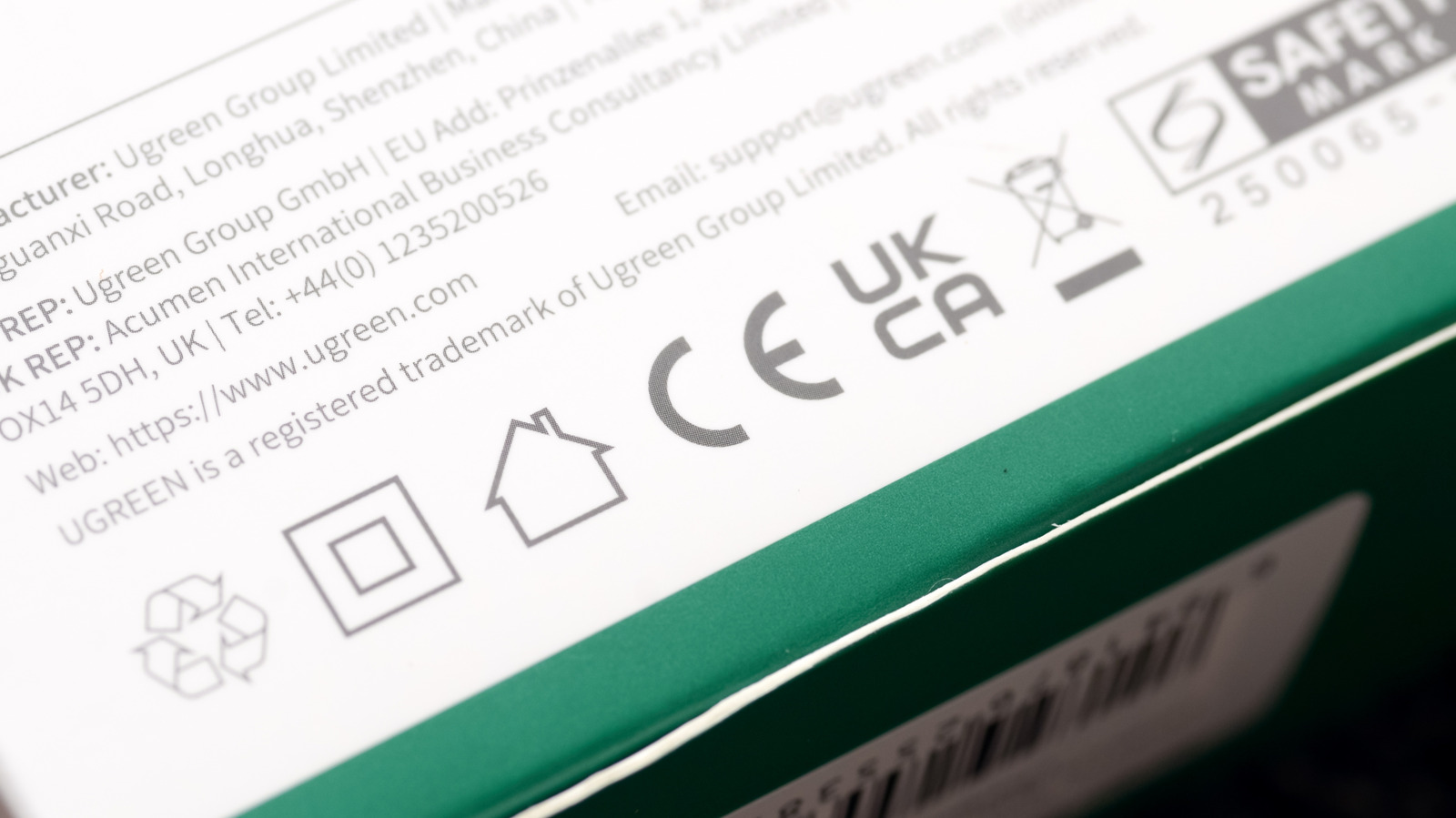
One of the most persistent urban legends in the electronics industry involves the "China Export" logo. If you inspect the CE mark on certain products, you may notice that the "C" and the "E" appear closer together than in the official European design.
According to the official specifications for the CE mark, there should be a precise amount of space between the two letters. The official symbol is composed of two stylized semicircles; if you were to complete the circle of the "C," it would perfectly align with the inner edge of the "E."
The "China Export" variation features letters with almost no space between them. For years, rumors circulated that this was a deliberate attempt by some manufacturers to circumvent European standards while still appearing compliant. While it is rarely an indicator of a malicious "counterfeit" strategy, it is widely considered an unofficial symbol. Products bearing this version of the mark have no legal connection to European safety standards. Consumers should treat such products with a higher degree of caution, as their compliance with safety directives is not verified or guaranteed by the European authorities.
Domestic Alternatives: Why Your US Electronics Might Not Have the CE Mark
For consumers in the United States, the CE mark is not a requirement, nor is it a standard recognized by the Federal Communications Commission (FCC) or the Consumer Product Safety Commission (CPSC). Consequently, many products sold exclusively in the North American market will not carry the CE mark.
The US Regulatory Landscape
Instead of the CE mark, US consumers look for different certification marks that denote compliance with domestic safety standards:
- UL (Underwriters Laboratories): This is perhaps the most recognizable safety mark in the US. A UL listing means the product has been tested and meets stringent safety standards for fire, electric shock, and mechanical hazards.
- ETL (Intertek): Similar to UL, the ETL Listed mark indicates that the product has been tested to meet the applicable North American safety standards.
- FCC Mark: Specifically for electronics, this indicates that the device’s electromagnetic interference is within the limits approved by the Federal Communications Commission.
The absence of a CE mark on a product purchased in the US is not necessarily a "bad" sign. It simply means the manufacturer did not intend to export the item to the European market, and therefore did not undergo the specific process to certify it under EU directives.
Official Responses and Implications for Market Integrity
The European Commission and various national market surveillance authorities take the integrity of the CE mark very seriously. Misuse of the mark—whether through forgery or the application of the mark on non-compliant products—is a serious legal offense.
When authorities identify a product that fails to meet safety standards despite carrying a CE mark, the consequences are immediate. The product is typically subjected to a "recall" or "withdrawal" from the market. The European Union operates the Safety Gate (formerly known as RAPEX), a rapid alert system that allows member states to quickly share information about dangerous products found on the market.
For manufacturers, the implication is clear: the CE mark is not merely a sticker you put on a box to increase sales. It is a legal commitment. If an electronic device causes a fire or a safety incident, and it is discovered that the manufacturer did not perform the necessary testing or maintain the required technical documentation (the "Declaration of Conformity"), the company can face massive fines, legal liability, and a total ban from the European market.
Conclusion: How to Stay Safe as a Consumer
Whether you are looking for the CE mark or domestic certifications like UL, the overarching advice remains the same: remain vigilant. Labels and markings are only as reliable as the manufacturer behind them.
- Check for Consistency: A genuine CE mark should be clear, legible, and adhere to the official proportions. If the printing is blurry, distorted, or looks like an afterthought, be wary.
- Verify the Source: Buy electronics from reputable retailers and established brands. Counterfeit products are far more likely to carry fake or misleading safety marks.
- Trust Your Instincts: If a device feels excessively hot, emits an unusual odor, or exhibits erratic behavior, stop using it immediately. Regardless of what label is on the back, your safety is paramount.
- Reach Out: If you are unsure about the safety of a product, contact the manufacturer directly. A legitimate company will have a clear process for answering safety-related inquiries and providing documentation regarding their compliance.
In an era of global commerce, the CE mark serves as a vital bridge between international manufacturers and the safety of the end-user. While it may just look like two letters on a box, it represents a complex, legally binding framework designed to ensure that the technology powering our lives doesn’t become a hazard. By understanding the significance of these labels, you become a more informed, empowered, and safe consumer.











