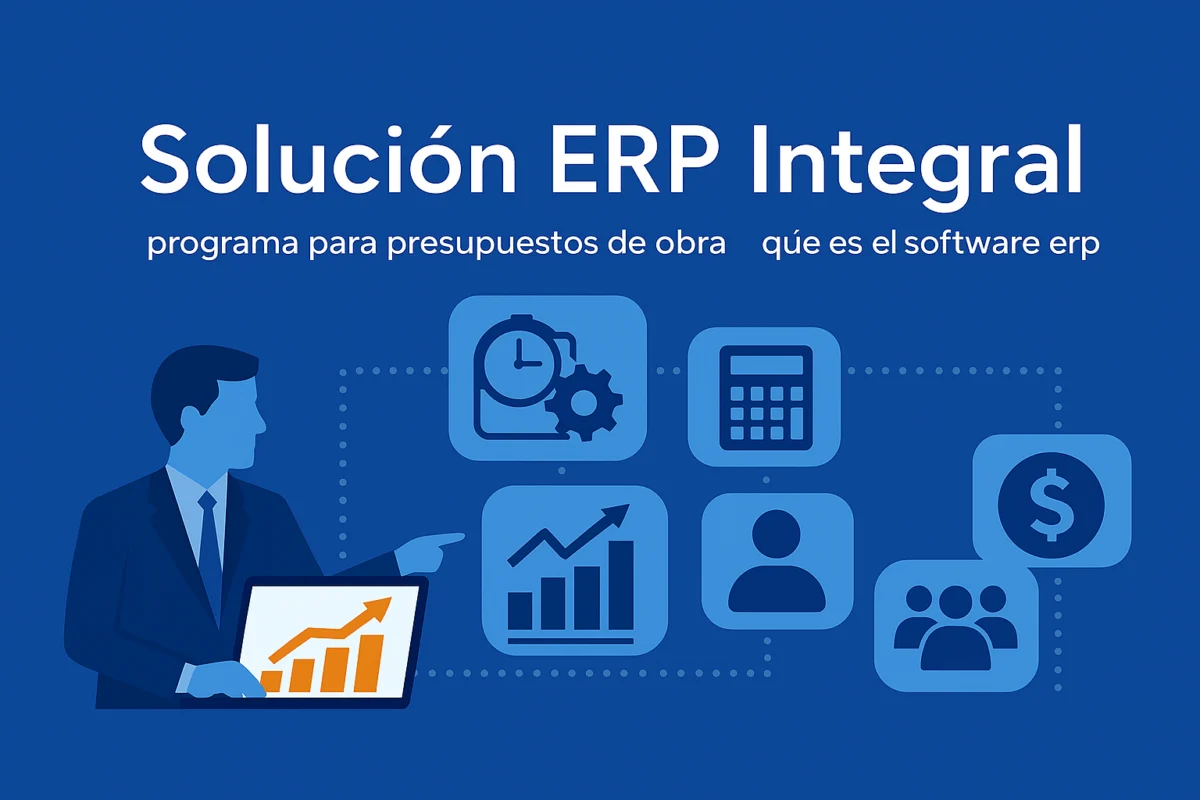
In the modern competitive landscape, the difference between stagnation and hyper-growth often lies in the quality of a company’s operational architecture. As businesses scale, the traditional "silo" mentality—where departments operate with disparate software and fragmented data—becomes a significant liability. Enter CEGID EKON, an enterprise resource planning (ERP) powerhouse designed to act as the central nervous system for organizations looking to streamline operations, foster innovation, and maintain agility.
What is an ERP System? The Foundation of Modern Operations
At its core, an ERP (Enterprise Resource Planning) system is a comprehensive suite of integrated applications that manage the entire operational lifecycle of a business. By centralizing core processes—ranging from human resources and finance to logistics and project management—an ERP creates a "single source of truth."
This level of synchronization is no longer a luxury; it is a prerequisite for survival. By eliminating the manual entry of data across different systems, an ERP ensures that real-time information is available to decision-makers, reducing human error and providing a 360-degree view of company health. CEGID EKON elevates this concept by integrating intelligence directly into each module, allowing companies to transition from reactive management to predictive strategy.
A Chronology of Digital Transformation: Why Organizations Adopt ERPs
The evolution of enterprise software has moved from rudimentary accounting tools in the late 20th century to the cloud-native, AI-driven platforms we see today.
- Phase 1: Standardization (Foundation): Initially, companies adopt ERPs to consolidate their databases. The primary goal is to ensure that the finance team, the warehouse manager, and the HR department are all looking at the same version of the truth.
- Phase 2: Process Optimization (Efficiency): Once data is centralized, businesses begin to automate workflows. Approvals, reporting, and inter-departmental notifications happen instantaneously.
- Phase 3: Strategic Intelligence (Growth): This is where solutions like CEGID EKON truly shine. By leveraging historical data and analytical modules, businesses begin to forecast trends, identify bottleneck risks, and optimize resource allocation before a crisis occurs.
CEGID EKON: An Architecture for Scalability
CEGID EKON distinguishes itself through a modular architecture that respects the uniqueness of every business. Whether you are a mid-sized enterprise scaling rapidly or an established corporation managing complex logistics, the system adapts to your specific needs.
Key Operational Modules
The platform covers the full spectrum of business needs through highly specialized modules:
- Project Management: Offers deep insights into project lifecycles, utilizing Gantt charts and real-time tracking to ensure that resources are utilized optimally and deadlines are met.
- Logistics & Supply Chain (WMS/TMS): Provides end-to-end visibility, from the moment a purchase order is placed to the final delivery, optimizing warehouse picking and transportation routes.
- Financial Control: Beyond basic accounting, the platform handles multi-location planning, automated closures, and advanced "what-if" scenarios that allow CFOs to stress-test their budget models.
- Human Capital Management: Streamlines everything from payroll and recruitment to performance evaluations and employee portal management.
- Construction & Budgeting: A standout feature for the construction industry is the specialized module for budget management. It allows firms to compare estimated costs against actual expenses, manage complex certifications, and minimize the risk of budget overruns.
Supporting Data: The ROI of Integrated Management
Implementing a system as robust as CEGID EKON is an investment, but the return on investment (ROI) is typically realized through significant operational efficiency gains.
Measurable Gains Include:
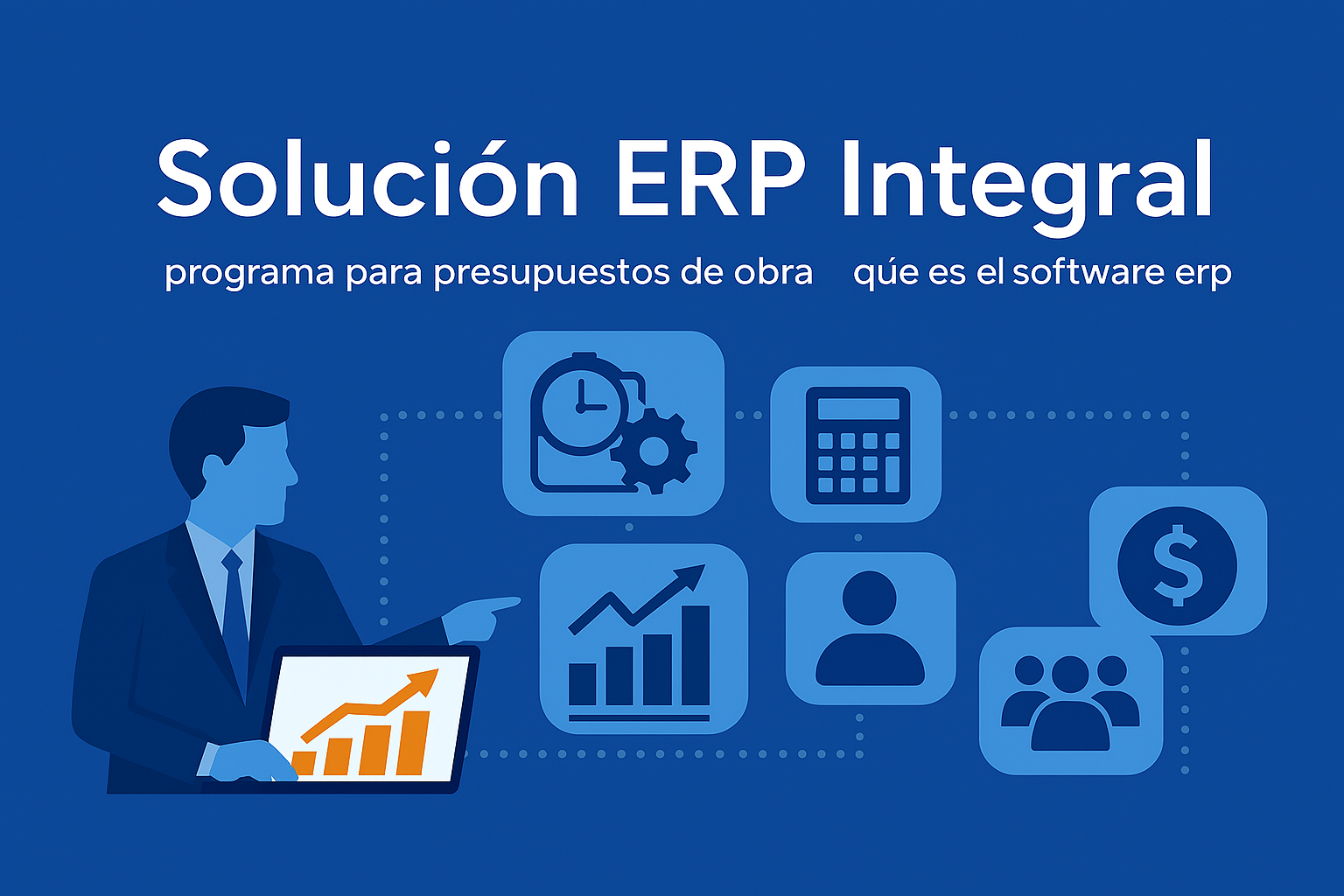
- Reduced Operational Costs: By automating manual tasks, companies typically see a reduction in administrative overhead by 20–30% within the first 18 months.
- Inventory Optimization: Better demand forecasting and warehouse management lead to a drastic reduction in dead stock and carrying costs.
- Accelerated Financial Closing: The automation of reconciliations and reporting allows finance teams to close the books in a fraction of the time previously required.
- Strategic Decision Making: Real-time dashboards replace "guesswork," enabling leadership to pivot strategies based on data-driven insights rather than gut instinct.
Implications for the Modern Workforce
The shift toward a unified ERP is not merely a technical upgrade; it is a cultural shift. When employees are relieved of the burden of "data firefighting"—manually reconciling spreadsheets and chasing down information—they are freed to focus on high-value tasks.
For the modern professional, using a platform like CEGID EKON means better collaboration. It empowers teams to work together across borders and time zones, knowing that the project status, budget, and resource availability are current and accurate. Furthermore, the modular nature of the software ensures that as the company adopts new technologies, the ERP can evolve alongside them, future-proofing the business.
The Implementation Process: A Structured Roadmap
Successful adoption of CEGID EKON follows a proven methodology designed to minimize disruption:
- Analysis & Strategy: Identifying the specific business pain points and defining the KPIs that will measure success.
- Customization & Configuration: Tailoring the modular architecture to match the organization’s unique workflows.
- Data Migration: Ensuring a clean, secure, and accurate transfer of legacy data into the new ecosystem.
- Training & Adoption: Empowering the workforce to utilize the tool effectively through comprehensive onboarding.
- Go-Live & Support: Ongoing monitoring and optimization to ensure the system scales with the business.
Official Perspectives: Why CEGID EKON Leads the Market
Industry experts frequently point to the flexibility of CEGID EKON as its primary differentiator. Unlike "one-size-fits-all" solutions that force companies to change their processes to fit the software, CEGID EKON is built to be flexible. Its ability to provide specialized functionality—such as its industry-leading construction budgeting tools—while remaining a unified platform is what keeps it at the forefront of the ERP market.
"The goal," notes industry analyst Marco Antonio Ramirez, "is to provide a digital foundation that is invisible to the user but omnipresent in its utility. CEGID EKON succeeds by being sophisticated enough for the most complex logistics requirements, yet intuitive enough for daily administrative tasks."
Conclusion: Securing a Competitive Advantage
In a market defined by volatility and rapid change, the ability to access accurate, real-time data is the ultimate competitive advantage. CEGID EKON serves as the bedrock of digital transformation, enabling companies to move beyond simple survival and toward sustainable growth.
By integrating every facet of the business—from the warehouse floor to the boardroom—CEGID EKON does not just manage data; it empowers human decision-making. For any organization looking to scale, optimize costs, and innovate, the transition to a centralized, intelligent ERP system is no longer just a project; it is the most critical step in securing a future in the modern economy.
With its robust feature set, commitment to modularity, and proven track record in ROI, CEGID EKON remains a premier choice for businesses ready to shed the constraints of legacy systems and embrace the efficiency of the digital age.