

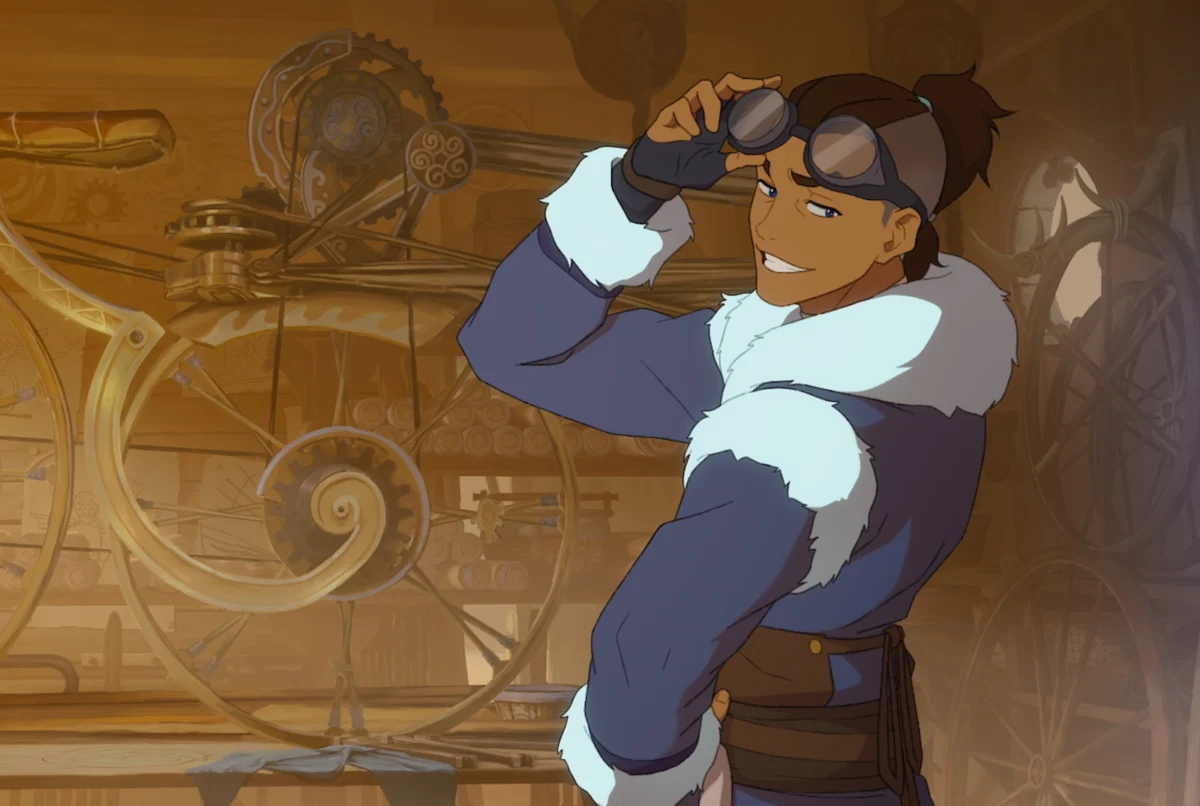
The world of elemental bending is expanding once more. Paramount+ and Avatar Studios have officially pulled back the curtain on Avatar Aang: The Last Airbender, a highly anticipated animated feature film that promises to bridge the gap between two of television’s most celebrated series. With the release of a striking first-look trailer, fans have received their first glimpse of Aang, Katara, Sokka, Zuko, and Toph as they navigate the complexities of early adulthood, setting the stage for a new era of storytelling within the beloved franchise created by Michael Dante DiMartino and Bryan Konietzko.
Main Facts: A New Chapter in the Elemental Saga
The upcoming film, slated for a global release on July 25, 2026, serves as a pivotal narrative bridge. Set approximately a decade after the conclusion of the original Avatar: The Last Airbender series, the film focuses on a 25-year-old Aang. No longer the twelve-year-old boy burdened by the weight of the world, this version of the Avatar is grappling with the transition from the hero who ended a century-long war to the leader who must secure a lasting peace.
The trailer reveals a visually evolved aesthetic. Aang is depicted as "hot, tall, and ripped," boasting a physical maturity that reflects his years of service as the Avatar. However, despite his physical prowess and broad-shouldered silhouette, the film emphasizes that Aang has not yet reached the pinnacle of his potential. He exists at a "precipice between adolescence and adulthood," a thematic core that differentiates this project from the episodic adventures of his youth.
The project features a star-studded voice cast, blending returning talent with fresh additions. Eric Nam steps into the role of Aang, supported by Jessica Matten (Katara), Román Zaragoza (Sokka), Steven Yeun (Zuko), and Dionne Quan (Toph). The production also features notable appearances by Freida Pinto, Ke Huy Quan, Taika Waititi, Geraldine Viswanathan, Ronny Chieng, and Ken Jeong. Furthermore, the legendary Dee Bradley Baker returns to provide the iconic vocalizations for the series’ beloved animal companions, Appa and Momo.
Chronology: Navigating the Timeline
To understand the weight of Avatar Aang: The Last Airbender, one must contextualize its place in the franchise’s history.
The Sequel-Prequel Hybrid
The film functions as a direct sequel to the original 100-episode series, picking up the narrative threads shortly after the defeat of Fire Lord Ozai. Yet, it also serves as a prequel to the later-set The Legend of Korra. By positioning the film in this specific timeframe, DiMartino and Konietzko are filling the "lost years" of the Gaang. This is the period during which the Republic City era was conceptualized and the foundations of the post-war world were laid.
The Creative Challenge
"It’s always a challenge to write a sequel. A prequel is an even bigger challenge," Bryan Konietzko remarked in an interview with Entertainment Weekly. He described the project as a "se-prequel"—a unique hybrid that requires the creators to balance established character growth with the necessity of moving the plot toward the world seen in Korra.
Avoiding Retread
A significant concern for the creative team was avoiding the repetition of stories already told in the extensive Avatar comic book series. While the film draws upon the world-building established in those books, it is not a direct adaptation. Instead, it offers a fresh perspective on how the world developed during those crucial ten years of peace, focusing on the geopolitical and cultural shifts that shaped the next generation.
Supporting Data: The Expanding World of Bending
The trailer provides more than just character updates; it teases a profound shift in the stakes of the franchise. The introduction of "Tagah," a new character played by Dave Bautista, suggests that the film will explore the legacy of previous Avatars in a more direct, grounded fashion.
The Threat of Extinction
One of the most compelling narrative hooks identified in the trailer is the presence of an "ancient power" that Aang must confront. This is not merely a political conflict or a remnant of the Fire Nation’s aggression; it is an existential threat. Aang’s journey involves seeking this power to save his culture—and potentially the world—from a new form of extinction. This escalation in stakes mirrors the maturity of the lead characters, moving away from the "villain of the week" format toward a more singular, high-stakes cinematic experience.
Production and Legacy
The involvement of Avatar Studios—the dedicated production arm founded by DiMartino and Konietzko—ensures that the visual language of the film remains true to the original series while utilizing modern animation technology. The return of veteran voice actors and the inclusion of high-profile new talent suggest that Paramount+ is positioning this as a tentpole event for the studio’s streaming catalog.
Official Responses: The Creators’ Vision
The creators have been vocal about the emotional and thematic evolution of the project. For DiMartino and Konietzko, the primary goal was to explore the "adult Avatar" that fans have long speculated about.
"The story we told in the series had a very decisive ending," DiMartino noted. "We didn’t want to retread stuff." The focus, therefore, is on the psychological development of the characters. How does a war hero adjust to a time of peace? How does a man who was frozen in ice for a hundred years reconcile his past with a future he helped build?
Konietzko’s remarks on Aang’s appearance—specifically that he is "not quite the adult Avatar that he needs to be yet"—suggest that the film is a character study disguised as an epic fantasy. The film is designed to dive into the uncomfortable transitionary phase of adulthood, where the responsibilities of being the Avatar begin to supersede personal desires and relationships.
Implications: What This Means for the Franchise
The premiere of Avatar Aang: The Last Airbender on July 25, 2026, marks a significant turning point for the franchise’s future.
Establishing a Cinematic Universe
By successfully bridging the gap between The Last Airbender and The Legend of Korra, this film validates the concept of a shared "Avatar Cinematic Universe." If successful, it opens the door for further exploration of other Avatars, such as Kyoshi, Kuruk, or Yangchen, in similar feature-length formats.
Setting a New Standard for Animated Sequels
The "se-prequel" format is a risky narrative strategy, but one that could set a new standard for animation. By treating the characters as evolving, living individuals rather than static archetypes, the film invites an older demographic to engage with the franchise. It validates the audience who grew up with the show and are now, like Aang, navigating their own versions of adulthood.
Cultural Longevity
The inclusion of a diverse cast—ranging from Steven Yeun to Ke Huy Quan—further cements the franchise’s commitment to diverse storytelling, a hallmark of the original series that resonated globally. As the film approaches its 2026 release, the industry will be watching closely to see if the "Avatar magic" can translate successfully to the big-budget, long-form feature film format.
Ultimately, Avatar Aang: The Last Airbender is more than just a trip down memory lane. It is a bold, ambitious project that seeks to answer the questions that have lingered since the series finale in 2008. With the creative vision of DiMartino and Konietzko back at the helm, the film is poised to redefine the legacy of one of animation’s most enduring icons, proving that while the world changes, the spirit of the Avatar remains constant.










