The global landscape of entertainment has undergone a seismic shift over the last decade, with Japanese animation (anime) moving from a niche subculture to a dominant pillar of international pop culture. However, as the medium’s footprint expands across North America, Europe, and China, a critical debate has emerged within the heart of the Japanese industry: Should anime creators adapt their stories to suit the sensibilities of a global audience, or should they remain steadfastly focused on their domestic roots?
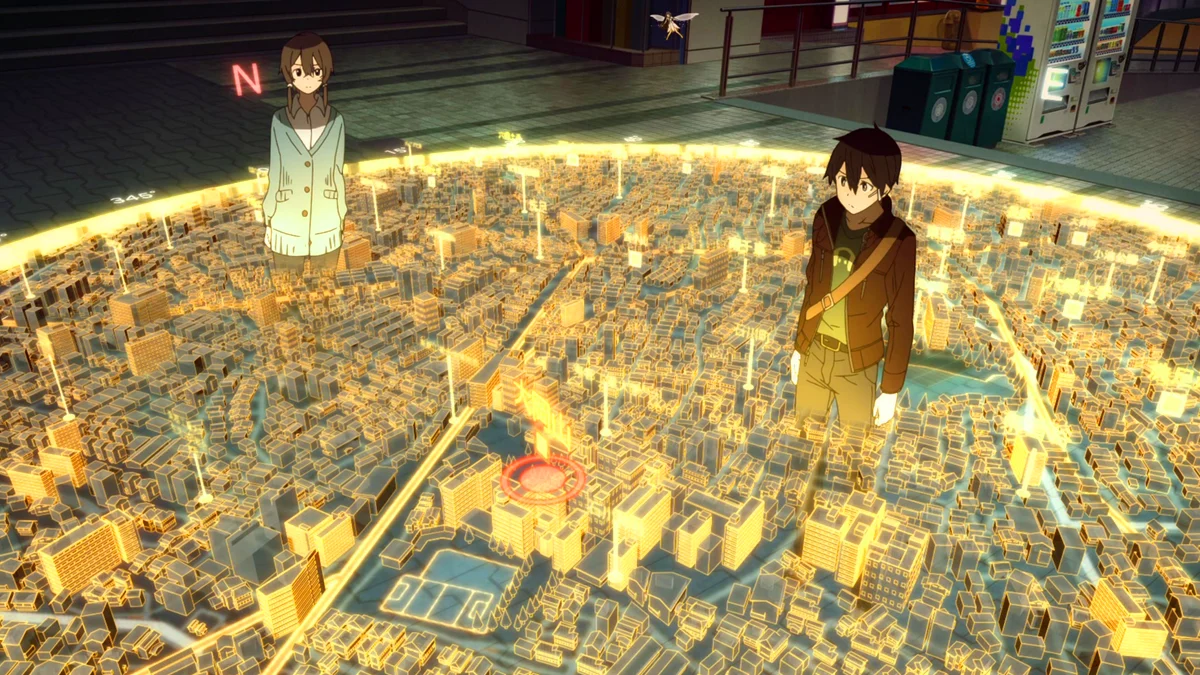
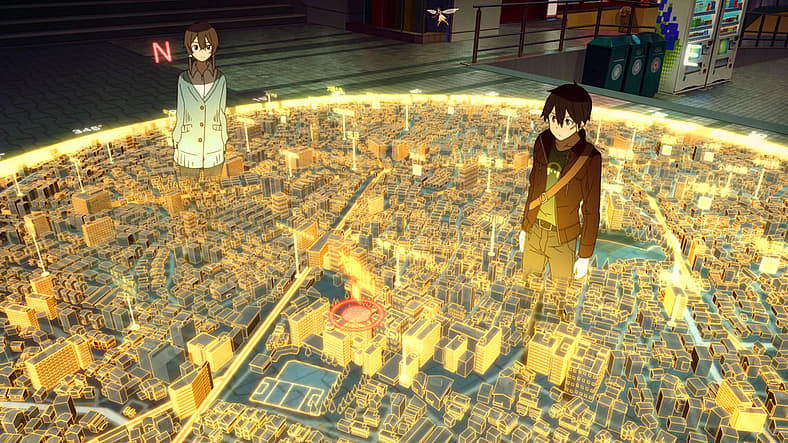
Tomohiko Itō, the acclaimed director behind the genre-defining Sword Art Online (SAO) series and the first film Ordinal Scale, has recently weighed in on this discourse. In an extensive interview with the Japanese news outlet Daily Shincho, Itō expressed a nuanced but firm stance against the growing trend of "pandering" to international audiences. He argues that the very qualities making anime successful abroad are rooted in its unique Japanese identity—and that attempting to sanitize or "globalize" these creative choices often leads to artistic and commercial failure.
Main Facts: The "Pander and Fail" Hypothesis
Tomohiko Itō is no stranger to global success. Sword Art Online remains one of the most recognizable anime franchises of the 21st century, credited with popularizing the "trapped in a video game" (isekai) subgenre that currently dominates the market. Despite benefiting from international acclaim, Itō warns that the industry must not lose its way in pursuit of foreign approval.

The Risk of Creative Dilution
According to Itō, the attempt to predict what will appeal to overseas audiences is a fool’s errand. He suggests that when Japanese creators try to guess the preferences of Western viewers—particularly regarding social and political sensitivities—the result is often a product that satisfies neither the domestic nor the international market. "What Japanese people think will be popular globally probably won’t appeal to people overseas," Itō noted, highlighting the disconnect between Japanese perception of foreign taste and actual foreign demand.
The "Political Correctness" Conflict
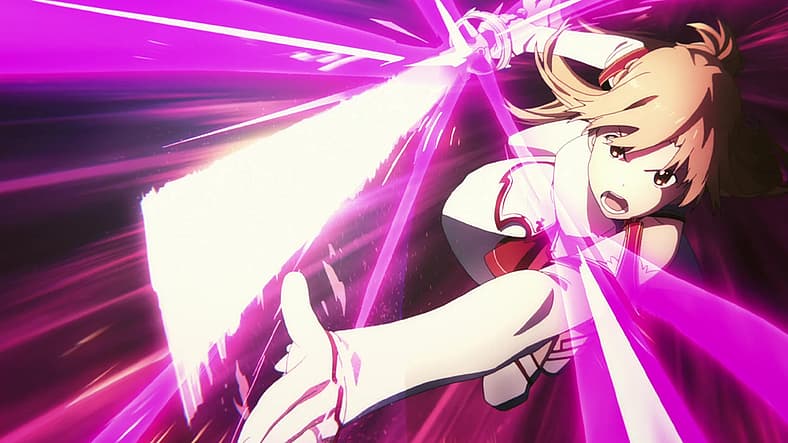
A central point of Itō’s argument involves the clash between Japanese creative freedom and the shifting cultural standards of the West, particularly in North America. He pointed out that "political correctness" in America has become increasingly strict, creating a friction point for traditional anime tropes. He cited the example of shows featuring "girls fighting with lots of skin," noting that while these are standard elements of certain anime genres, they are often met with "suspicion" or criticism in North American markets. Itō believes that trying to pre-emptively censor these elements to avoid Western backlash can compromise the integrity of the work.
Filling the Hollywood Vacuum
Itō also offered a macro-economic perspective on why anime has surged recently. He attributes part of anime’s "explosion" to the weakening of Hollywood’s traditional dominance. He cited the combined impact of the COVID-19 pandemic and the recent Hollywood writers’ and actors’ strikes as factors that slowed Western production pipelines. "I think Japanese anime has effectively filled that gap," he observed, suggesting that anime provided a consistent stream of high-quality content during a period when Western studios were stagnant.

Chronology: The Road to Global Dominance (2020–2024)
To understand Itō’s concerns, one must look at the rapid consolidation and expansion of the anime industry over the last four years. The transition from a "Japan-first" model to a "global-simultaneous" model has been swift.
- 2020: The Aniplex-Crunchyroll Catalyst
Sony-owned Aniplex’s acquisition of Crunchyroll (and its subsequent merger with Funimation) created a global distribution powerhouse. This move centralized the flow of anime to the West, making it easier than ever for Japanese studios to reach millions of subscribers instantly. - 2021–2022: The Streaming Wars Peak
As Netflix, Disney+, and Amazon Prime Video began bidding aggressively for exclusive streaming rights, the financial incentive for Japanese production committees to consider "global appeal" skyrocketed. Projects were increasingly greenlit with international licensing revenue as a primary KPI (Key Performance Indicator). - 2023: The Hollywood Stagnation
Labor disputes and production delays in the United States left a void in theater schedules and streaming platforms. Anime films, such as The First Slam Dunk and Suzume, capitalized on this, seeing unprecedented box office numbers in international territories. - 2024: Toho’s Strategic Acquisitions
The industry saw another major milestone when Toho, the legendary Japanese film studio, acquired a major British anime distribution company. This signaled a shift from merely licensing content to owning the "pipes" through which content reaches Western homes.
Supporting Data: The Economic Reality of Anime’s Growth
The numbers back Itō’s observation of an "exploded" market. According to the Anime Industry Report 2023 published by the Association of Japanese Animations (AJA), the total value of the anime market reached an all-time high of approximately 2.9 trillion yen (roughly $20 billion USD).
Crucially, the "Overseas Market" segment has grown to nearly equal the domestic Japanese market. In some years, the revenue generated from international licensing, streaming, and merchandising has actually surpassed domestic earnings. This economic reality is what drives the pressure on directors like Itō to adapt. When more than 50% of a project’s budget might be covered by a Western streaming giant, creators often find themselves facing "notes" or suggestions to align their content with global (read: Western) sensibilities.

Furthermore, the success of Demon Slayer: Kimetsu no Yaiba – Mugen Train, which became the highest-grossing film in Japanese history and a top-performer globally, proved that "unapologetically Japanese" content—grounded in Taisho-era history and traditional folklore—could outperform Western-style blockbusters.
Official Responses and Industry Sentiment
Itō is not the only high-profile figure in the industry to express these views. Several prominent creators have echoed the sentiment that anime should remain a product of Japanese culture rather than a "designed-by-committee" global product.
The "Disney-Style" Critique
Recently, directors of other major franchises like One Piece and Dragon Ball have suggested that Western audiences are gravitating toward anime specifically because they are "tired of Disney-style predictable harmony." This suggests that the "edge" and "unique cultural quirks" of anime—the very things Itō warns against removing—are its primary selling points.
The Call for Staff Recognition
A unique facet of Itō’s interview was his advocacy for the "internal staff" of anime productions. He noted that while voice actors (seiyuu) receive immense domestic and international fame, the directors and technical staff often remain in the shadows.
"Director Haruo Sotosaki [of Demon Slayer] rarely gets introduced domestically, yet he’s recognized abroad," Itō lamented. He emphasized that for the industry to remain healthy and attract new talent, the "history of who did what" must be preserved. He pointed out that cinematography and direction are just as vital to a show’s success as the vocal performances, yet they are rarely the focus of marketing.
Implications: The Future of Creative Autonomy
The tension Itō describes points to a crossroads for the Japanese animation industry. There are two potential paths forward, each with significant implications for the medium.
Path A: The "Universalist" Model
If studios lean into the globalization trend, we may see a rise in "co-productions" that adhere to Western standards of content. This could lead to broader acceptance in mainstream Western media but risks alienating the core fanbase that appreciates anime for its distinctiveness. Critics of this path argue it could lead to a "homogenization" of art, where the cultural "sharp edges" are sanded down to avoid offending any specific demographic.
Path B: The "Galapagos" Model (Refined)
The alternative is the path Itō advocates: creating content primarily for the Japanese market and allowing the rest of the world to "discover" it. This "Galapagos" approach—so named because it describes an environment where things evolve in isolation—is what created the unique tropes, visual styles, and storytelling structures that made anime a global phenomenon in the first place. By staying true to domestic tastes, creators ensure the work remains authentic.
Cultural Soft Power
The Japanese government has also taken notice of this debate. Recent policy proposals in Japan have sought to defend "creative freedom" for anime, manga, and video games against external pressure. The government views these mediums as essential "soft power" tools. If anime becomes indistinguishable from Western animation, Japan loses its unique cultural voice on the world stage.
Conclusion: A New Project on the Horizon
As Tomohiko Itō prepares for the release of his next work—an anime film adaptation of Keigo Higashino’s Kusunoki no Bannin series—his comments serve as a manifesto for his creative philosophy. By prioritizing the recognition of staff and resisting the urge to pander to "political correctness" or global trends, Itō aims to ensure that anime remains a vibrant, distinct, and authentically Japanese medium.

The success or failure of his upcoming project will likely be watched closely by industry insiders. It will serve as a litmus test for whether a "staff-focused, domestic-first" approach can still thrive in an era where the world is watching more closely than ever. For now, Itō’s message to his peers is clear: the best way to win the world is to stop trying to please it and start focusing on the art itself.