

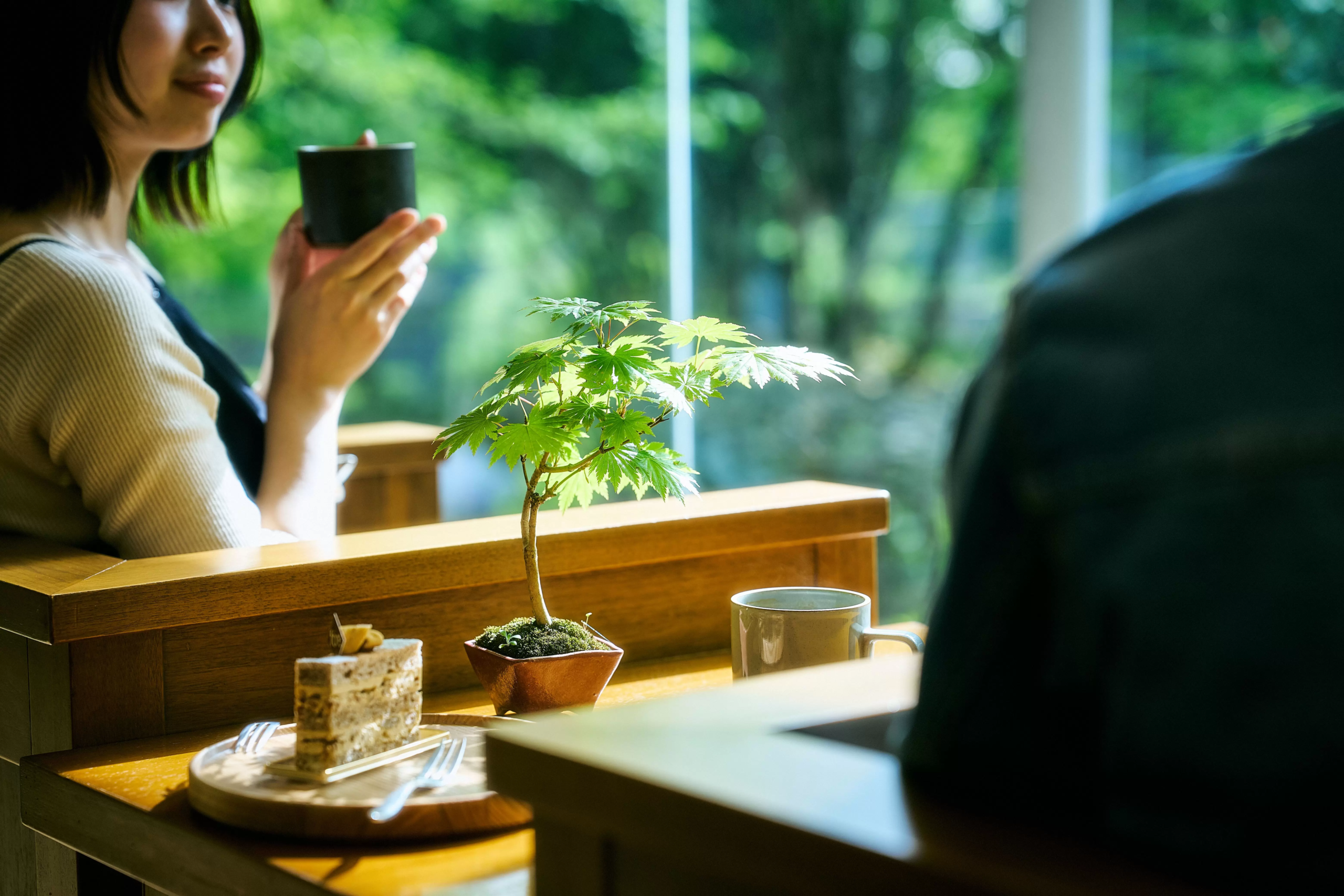
HAKONE, Japan — July 8, 2026 — In an era defined by the frantic pace of digital connectivity and urban congestion, a sanctuary in the forests of Hakone is inviting guests to slow down, quite literally, by sharing their living space with a piece of traditional Japanese art.
Hakone Retreat fōre & villa 1/f, a premier destination for travelers seeking refuge in the natural beauty of the Hakone region, has officially unveiled a unique accommodation initiative titled "A Relaxing Holiday with a Single Pot of Greenery." The program, developed in collaboration with renowned bonsai artist Saiki Saeki, moves beyond the passive consumption of nature, encouraging guests to treat a living bonsai tree as a companion throughout their stay—and beyond.
The Core Concept: Bonsai as a Traveling Companion
The "Relaxing Holiday" plan redefines the relationship between hotel guests and their surroundings. Upon arrival, visitors are greeted not merely with a key, but with a specially selected seasonal bonsai tree. This tree is intended to be a constant presence during the guest’s residency, accompanying them from the quiet introspection of their private room to the tranquil forest views enjoyed during meals.
Unlike typical floral arrangements that serve as temporary, static decorations, these bonsai are curated to evolve. By integrating the tree into the rhythms of the stay—observing its response to the forest light, the morning dew, and the ambient sounds of the trees outside—the guest engages in a dialogue with the natural world. This is not merely an aesthetic choice; it is a deliberate exercise in mindfulness.
Saiki Saeki: The Philosophy of "Blank Space"
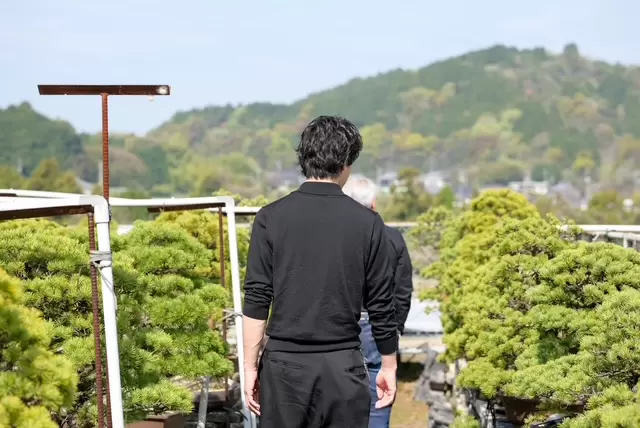
The collaboration with artist Saiki Saeki is central to the project’s success. Mr. Saeki, who has built a career around the intersection of traditional horticulture and modern interior design, brings a distinct philosophy to the Hakone Retreat project.
The Art of Intentional Imperfection
Saeki’s work is characterized by a deliberate restraint. Rather than over-crafting or forcing a tree into a rigid, artificial shape, Saeki prioritizes a state where human intention and the spontaneous flow of nature exist in equilibrium. He famously leaves "blank space" in his designs, allowing the tree to mature and change based on its immediate environment.
"A bonsai is not a sculpture to be finished and filed away," Saeki noted during the launch. "It is a living entity that requires a relationship. When we leave space for the tree to grow, we are also leaving space for the observer to grow. My goal is for guests to see the bonsai not as an object, but as a silent partner in their journey."
The Hakone Retreat Ecosystem: A Haven in the Woods
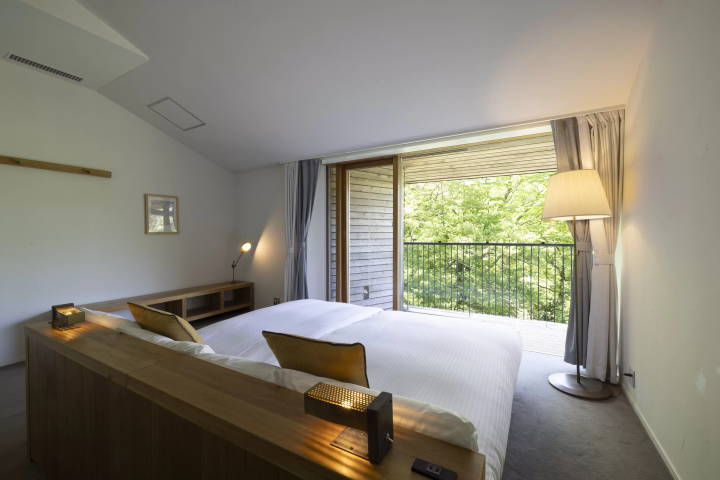
The venue for this initiative, Hakone Retreat fōre & villa 1/f, provides the ideal backdrop for such a contemplative experience. Located in the Sengokuhara area of Kanagawa Prefecture, the resort is divided into two distinct concepts: fōre, which offers a modern, sophisticated hotel aesthetic, and villa 1/f, which provides independent, private cottages that foster a deeper sense of isolation and intimacy.
Gastronomy and Wellness
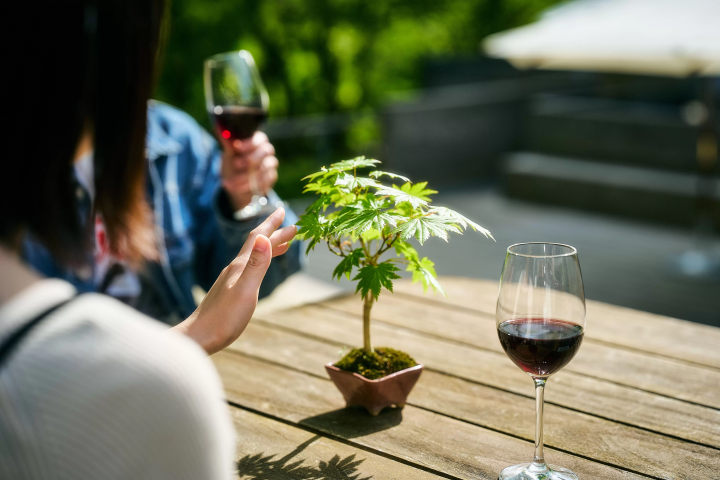
The resort’s commitment to nature extends to its dining and wellness programs. The "WOODSIDE dining" experience emphasizes the raw, primal nature of wood-fired cooking, mirroring the earthy foundations of the bonsai program. For those seeking a more traditional experience, the "Tawaraishi" restaurant serves seasonal Japanese cuisine that complements the local landscape.
The integration of the bonsai plan into this environment is seamless. Whether one is soaking in the mineral-rich hot springs or reading in the lounge, the presence of the bonsai acts as a focal point, grounding the guest in the present moment.
Implications: A Souvenir that Grows
One of the most innovative aspects of this plan is the transition from "guest" to "guardian." Recognizing that the bond formed during a short stay can be fleeting, the retreat allows guests to take their bonsai companion home with them.
This creates a lasting "memory anchor." When a guest returns to their daily life in a bustling city, the sight of the bonsai—having been present during their period of rest and rejuvenation in Hakone—serves as a psychological bridge. It brings the tranquility of the forest into the home, turning a simple souvenir into an ongoing practice of care and reflection.
Chronology: The Evolution of the Project
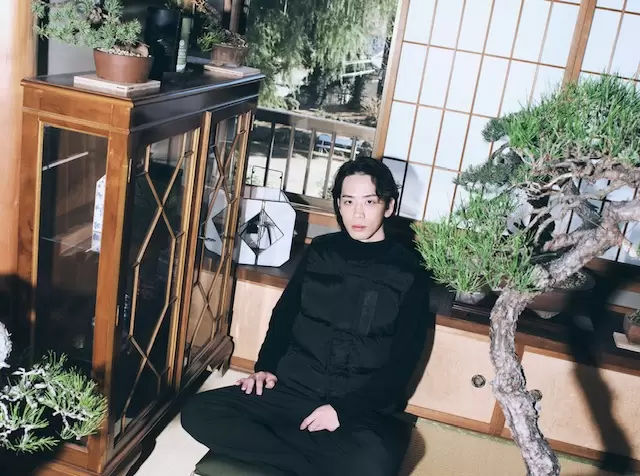
- Early 2025: Conceptual discussions begin between the management of Hakone Retreat and Saiki Saeki regarding the "fusion of nature and hospitality."
- Late 2025: Trial periods are conducted in select villa units to gauge guest interaction with the bonsai specimens.
- Spring 2026: Finalization of the "A Relaxing Holiday" curriculum, including staff training on the care and presentation of the specific trees used in the program.
- July 8, 2026: Official public launch of the accommodation plan across both fōre and villa 1/f platforms.
Supporting Data: Why Bonsai?
Bonsai, or "tray planting," has long been regarded as a pinnacle of Japanese cultural expression. It encapsulates the passage of time—the trunk representing endurance, the branches suggesting the weight of years, and the moss hinting at the quiet life of the forest floor.
According to cultural researchers, the resurgence of interest in bonsai among younger, urban demographics is linked to a growing desire for "slow living." Unlike houseplants, which are often treated as decor, bonsai require a sustained commitment. The act of pruning, watering, and positioning a bonsai encourages a meditative state, lowering cortisol levels and promoting psychological clarity. By bringing this practice into the hospitality sector, Hakone Retreat is tapping into a significant market trend: the desire for "transformative travel," where a vacation results in a long-term shift in personal habits.
Official Statements and Industry Response
Industry analysts have lauded the initiative as a bold move for the luxury hospitality sector. "Hotels are moving away from providing mere comfort to providing experiences that alter a guest’s perspective," said an industry consultant. "By pairing a stay with a living organism that the guest is responsible for, Hakone Retreat is creating a level of engagement that a standard resort stay simply cannot match."
Management at Hakone Retreat stated: "We chose to partner with Mr. Saeki because his vision aligns perfectly with our ethos of ‘one-over-f’—the idea that even a small, fractional change in one’s environment can lead to a significant change in one’s state of mind. We are not just selling a room; we are providing the tools for a deeper, more intentional way of being."
Practical Information for Prospective Guests
For those interested in participating in the "A Relaxing Holiday with a Single Pot of Greenery" program, the following logistics are available:
- Location: Sengokuhara, Hakone, Kanagawa.
- Access:
- From Tokyo: Take the Odakyu Romancecar from Shinjuku to Hakone-Yumoto Station, followed by the Hakone Tozan Bus.
- From Shinkansen: Depart at Odawara Station, then utilize local bus transit.
- By Car: Accessible via the Gotemba or Odawara Nishi Interchanges.
- Arrival: The nearest bus stop, "Tawaraishi Glass Forest," is a five-minute walk from the resort entrance.
The program is currently available for booking through the official hotel website, with specific tiers offered for both the fōre hotel rooms and the villa 1/f private residences.
Conclusion: The Ripple Effect of the Forest
In a world that is increasingly loud, the choice to spend time with a tree—to observe its stillness and participate in its slow growth—is a radical act of self-care. As the program continues, the management expects that this "living art" experience will become a cornerstone of the Hakone Retreat brand, solidifying its reputation as a place where nature is not just observed through a window, but welcomed as a guest.
The memories of the fog-covered forests of Hakone, the sound of the wind through the trees, and the quiet contemplation of a single pot of greenery will now follow guests home, serving as a reminder that peace is not a place we visit, but a state of mind we cultivate.











