Jia Lissa
In an era where the boundary between personal identity and digital utility is increasingly blurred, Meta’s latest rollout has sparked a firestorm of privacy concerns. The social media giant recently unveiled "Muse Image," a sophisticated generative AI model now deeply integrated into the Instagram ecosystem. While Meta markets the tool as a “creative partner” designed to streamline content production and enhance visual storytelling, the rollout has unveiled a significant, and perhaps alarming, default setting: your face and your public content are now raw material for generative AI models—unless you actively opt out.
For millions of Instagram users, the convenience of AI-powered effects comes at a steep, often invisible price. By default, Meta has granted users the ability to leverage your profile, photos, and Reels as prompts to generate entirely new images featuring your likeness. This policy, which relies on an "opt-out" rather than an "opt-in" framework, has prompted privacy advocates and security experts to sound the alarm on what they view as a dangerous erosion of digital consent.
The Genesis of Muse Image: A New Frontier for Meta AI
The introduction of Muse Image marks a significant milestone in Meta’s ongoing effort to dominate the generative AI space. Announced this past Tuesday, the tool is designed to act as a seamless creative engine. According to Meta’s official press release, Muse Image allows users to “turn ideas into high-quality visuals” that can be shared across feeds, stories, or private chats.
The integration is comprehensive. Beyond basic photo editing, the update introduces over 30 AI-powered effects for Instagram Stories and allows users to generate custom imagery directly within WhatsApp chats through interaction with Meta AI. The promise is simplicity: through natural language, a user can describe a scene, and the AI will manifest it, potentially pulling from a vast database of existing public content to inform those creations.
However, as Wired and other tech observers have pointed out, the "existing content" that powers these prompts includes the photos and videos of the platform’s user base. If your profile is set to public, Meta has effectively turned your identity into a public domain asset for the sake of AI training and generative remixing.

Chronology: From Launch to Public Outcry
The timeline of this rollout highlights the speed at which major tech platforms are pushing AI integration, often outpacing the public’s understanding of the implications.
- July 7, 2026: Meta officially announces the integration of its generative AI model, Muse Image, into the Instagram and WhatsApp ecosystems. The announcement frames the tool as a revolutionary leap for creators.
- July 8, 2026: Security researchers and privacy analysts begin to dissect the terms of service associated with the new AI features. It becomes clear that public profiles are automatically enrolled in "content reuse" for AI generation.
- July 9, 2026: Tech media outlets, led by Wired, sound the alarm, detailing how easy it is for any user to tag a public account in a prompt to generate imagery using that person’s likeness.
- July 10, 2026: A wave of user concern builds on platforms like X (formerly Twitter) and Reddit, as users discover their faces are being used to generate AI-remixed content without their explicit, prior consent.
- Present: Advocacy groups call for a formal review of Meta’s data harvesting policies, specifically regarding the "opt-out" nature of the privacy toggles.
Supporting Data: The Mechanics of the "Remix"
To understand why this is a significant privacy shift, one must look at how the technology functions. Generative AI models operate by consuming vast datasets to learn the visual characteristics of subjects. By allowing users to tag public profiles in prompts, Meta is essentially using its users as "training sets" in real-time.
When a user prompts the AI with "@[Username], create an image of them at the beach," the system doesn’t just pull a static photo; it references the available data on that profile to generate a synthetic image that mimics the user’s likeness.
The Default Settings
Data from privacy audits indicates that the following settings are active by default for all public accounts:
- Post Reuse: Allows others to use your static photos to generate AI content.
- Reel Reuse: Allows others to use your video content to train or inform AI-generated videos or stills.
These settings are tucked away in a sub-menu, far from the primary privacy dashboard, making it statistically unlikely that the average user will discover them without external guidance.

Official Responses and Corporate Rationale
Meta has defended the rollout by emphasizing the "creative possibilities" of the platform. In their official communication, the company suggests that these features are a natural evolution of social media—shifting from a platform for viewing content to a platform for co-creating content.
However, the company has remained notably quiet regarding the ethical implications of using user likenesses without individual consent. When pressed, spokespeople often pivot to the "Terms of Service," which stipulate that by maintaining a public profile, users agree to the platform’s data usage policies. This legalistic defense, while standard for Silicon Valley, is increasingly being challenged by regulators in jurisdictions like the EU and California, where "Right to Publicity" and "Data Sovereignty" laws are becoming more robust.
The Broader Implications for Digital Identity
The implications of this policy change extend far beyond simple annoyance. The potential for misuse is profound.
1. The Proliferation of Deepfakes
By lowering the barrier to entry for generating realistic images of real people, Meta is inadvertently creating a sandbox for deepfakes. While the company may have guardrails in place, the core architecture of the tool relies on the unauthorized use of a person’s digital appearance.
2. The Erosion of Digital Consent
The "opt-out" model is a deliberate design choice that prioritizes platform engagement over user privacy. By forcing users to navigate through "hamburger menus" and hidden settings to reclaim their privacy, Meta is betting that the majority of users will simply accept the status quo out of apathy or ignorance. This effectively treats the user’s identity as the company’s property.
3. Impact on Content Creators
For influencers, artists, and public figures, this change is particularly damaging. Their likeness is their brand. If their photos can be remixed and generated by anyone on the platform, it dilutes their control over their own public image and opens the door to potential impersonation or brand damage.
How to Reclaim Your Privacy: A Step-by-Step Guide
If you value your digital footprint and wish to prevent your likeness from being used as "AI fodder," you must act manually. Meta has made these steps intentionally obscure, but they are necessary to protect your autonomy.
- Access Your Account: Open the Instagram app on your mobile device.
- Navigate to Settings: Tap your profile picture in the bottom-right corner to reach your main profile page.
- Open the Menu: Tap the "hamburger" menu (the three horizontal lines) in the top-right corner.
- Locate Privacy Controls: Scroll down until you find the section labeled "Sharing and Reuse."
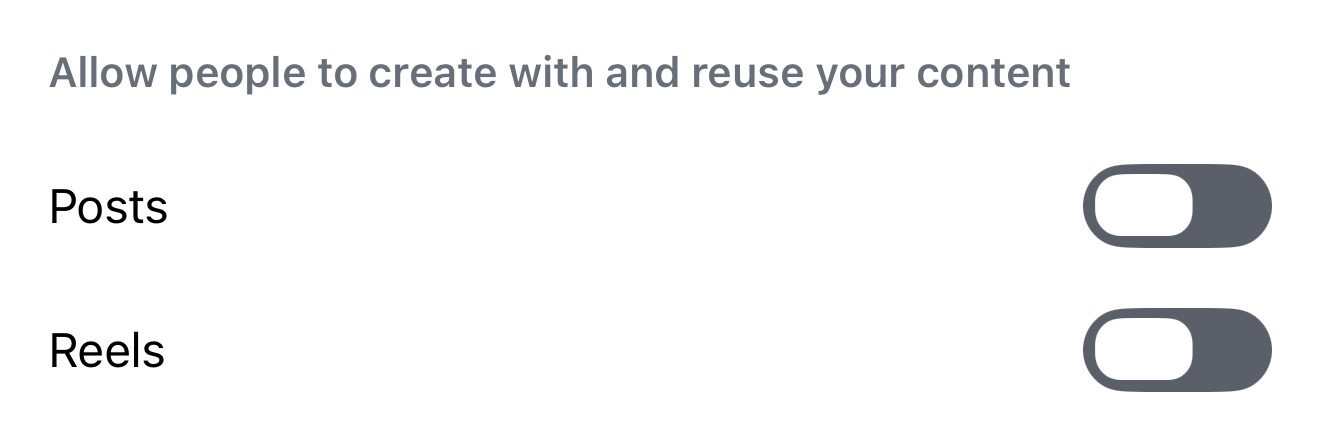
- Toggle the Settings: Look for the section headed "Allow people to create with and reuse your content."
- Deactivate: You will see two distinct toggles: one for Posts and one for Reels. Ensure that both of these are flipped to the "Off" position.
By taking these steps, you effectively sever the link between your personal content and the generative AI training models, ensuring that your photos and videos remain yours alone.
Looking Ahead: The Future of AI and Social Media
The controversy surrounding Muse Image is a microcosm of a much larger struggle: who owns the data that trains the next generation of AI? As we move toward a future where generative AI is embedded into every digital interaction, the tension between platform utility and personal sovereignty will only intensify.
If Meta continues to prioritize the rapid deployment of AI features over transparent consent, they risk alienating a user base that is becoming increasingly savvy about digital rights. The push for "opt-in" by default—where users are explicitly asked if they want to participate in AI training—is gaining momentum among lawmakers.

For now, the burden of protection remains on the user. In the digital age, your identity is your most valuable asset. While companies like Meta work to harvest it for the sake of "creative partnerships," it is essential for users to stay informed, stay skeptical, and, most importantly, flip the toggles that put control back into their own hands.


 Asep Darmawan
 Rifan Muazin