

As summer temperatures climb and humidity levels spike, homeowners are increasingly turning to versatile appliances to maintain indoor comfort. Among the most popular solutions is the "3-in-1" portable air conditioner, a multifunctional device marketed as a powerhouse capable of cooling, air circulation (fan mode), and dehumidification. With the promise of decluttering our living spaces by combining three machines into one, these units seem like the ultimate home upgrade. However, as the mercury rises, a critical question emerges: Does the jack-of-all-trades approach actually outperform the specialized, standalone dehumidifier?
To answer this, we must examine the engineering, performance metrics, and real-world applications of these devices to determine whether a 3-in-1 unit is a genuine substitute or merely a convenience compromise.
The Core Functionality: How They Differ
The 3-in-1 Portable Air Conditioner
A 3-in-1 portable air conditioner is designed primarily for temperature regulation. Its cooling cycle functions by pulling warm indoor air over refrigerant-filled evaporator coils. As the air passes over these freezing coils, the heat is absorbed, and the moisture within the air naturally condenses into water. This water is then either evaporated out through the exhaust hose or collected in a drainage tank.
While the "dry mode" on these units prioritizes moisture removal by slowing the fan speed to allow more time for condensation, it remains a secondary byproduct of the cooling process. The primary objective of the unit is to lower the ambient temperature of the room.
The Standalone Dehumidifier
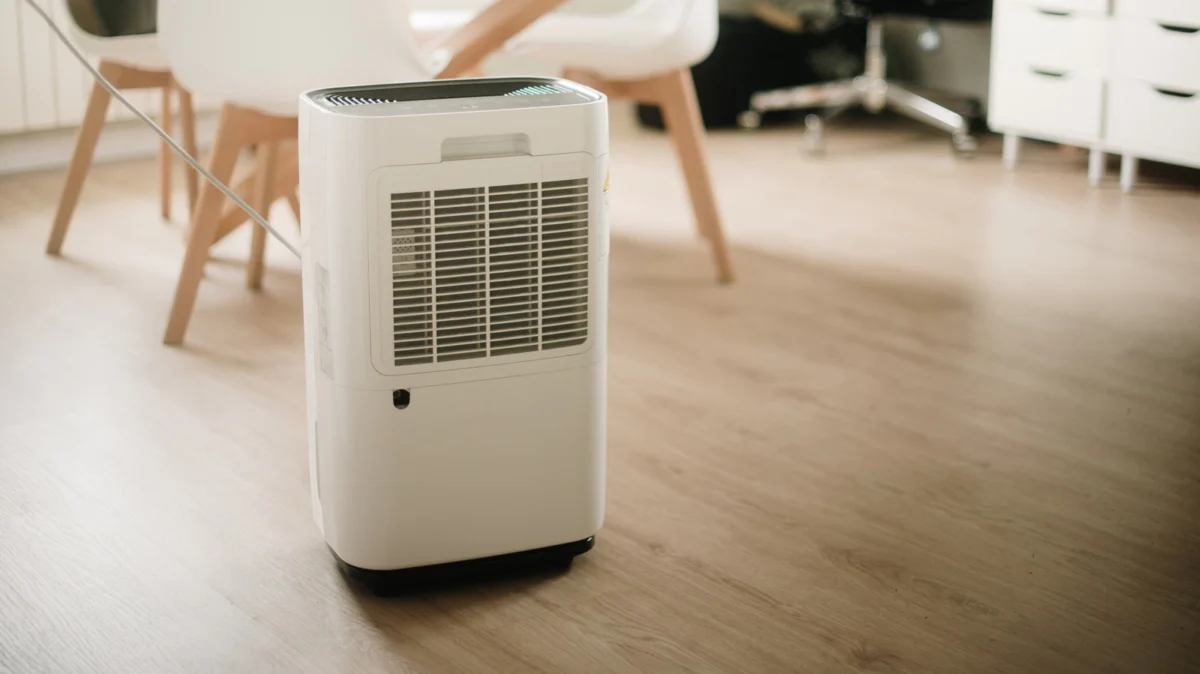
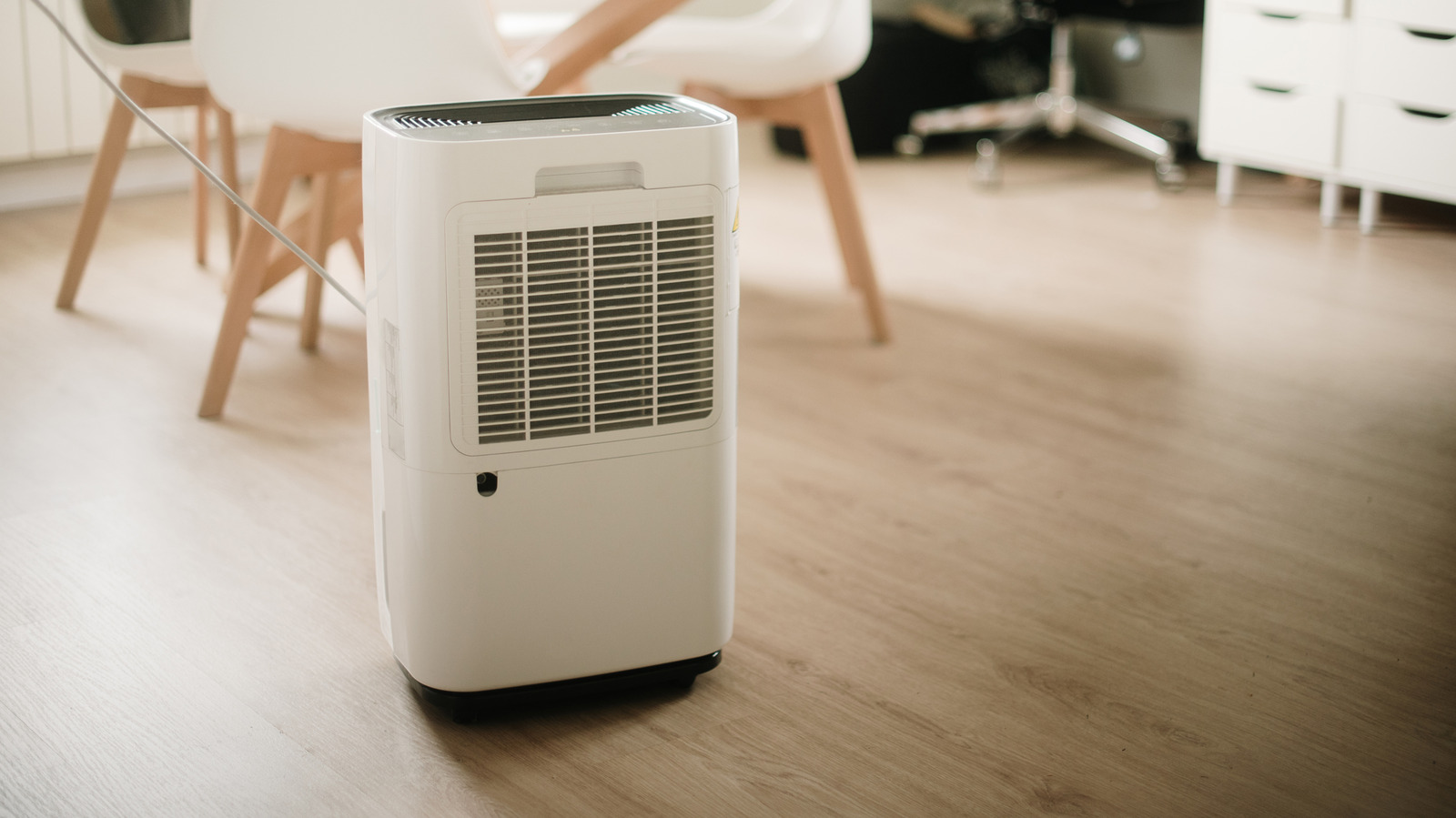
In contrast, a standalone dehumidifier is a precision instrument engineered for a single purpose: moisture management. Unlike an AC unit, which vents heat outside, a dehumidifier is designed to extract water vapor from the air and maintain a specific relative humidity (RH) setpoint, usually between 40% and 50%. By using a fan to pull air over refrigerated coils and then reheating the air before it is released back into the room, it excels at lowering humidity without significantly altering the room’s temperature—though, as we will discuss, it can subtly affect it.
Supporting Data: Capacity and Efficiency
When evaluating the two, the numbers tell a compelling story about capacity.
Moisture Extraction Rates:
- Standalone Dehumidifiers: High-end, heavy-duty dehumidifiers are rated by the amount of water they can extract in 24 hours. A standard high-capacity model can easily remove 50 to 70 pints of water per day. These machines are designed to run continuously, often featuring humidistats that cycle the machine off once the target humidity level is reached.
- 3-in-1 AC Units: Even the most robust portable AC units rarely match this output. Many 3-in-1 models are rated for 30 to 40 pints per day, and this is often under optimal lab conditions. Because the dehumidification is a secondary function, the appliance is not optimized for continuous, high-volume water extraction.
The Thermal Trade-off:
A critical, often overlooked detail is the thermal output. A 3-in-1 AC unit is designed to expel heat through a window exhaust hose. A standalone dehumidifier, however, does not have an exhaust hose. It releases the air back into the room. Because of the physics of the refrigeration cycle, this process can actually result in a slight increase in ambient temperature. In a hot, humid summer, running a powerful dehumidifier can make a room feel "muggy" or "stuffy," even if the humidity level is technically lower.
Chronology of Home Comfort Evolution
- The Era of Single-Purpose Appliances: Historically, homeowners managed indoor climate by purchasing separate window AC units for cooling and standalone dehumidifiers for damp basements or laundry rooms. This approach offered maximum efficiency but resulted in high electricity bills and cluttered storage spaces during the off-season.
- The Rise of Multifunctionality (2015–2020): With the growth of apartment living and smaller urban dwellings, consumer demand shifted toward compact, multi-functional appliances. Manufacturers responded by integrating "dry modes" into portable air conditioners, marketing them as space-saving miracles.
- The Current Market Saturation (2021–Present): Today, the market is flooded with 3-in-1 units that utilize digital sensors and smart-home integration. Consumers are now grappling with the realization that while these devices are convenient, they may not be sufficient for environments with chronic moisture issues, such as flood-prone basements or coastal residences.
Situations Where Standalone Units Remain Essential
While the 3-in-1 unit is excellent for a home office or a bedroom that gets uncomfortably warm, it is not a cure-all. You should consider a standalone dehumidifier if:
- You live in a basement or subterranean space: These areas are prone to moisture seepage, which requires constant, high-volume extraction.
- You suffer from chronic mold or mildew: Mold growth is inhibited below 50% humidity. A 3-in-1 unit’s dry mode is often intermittent, whereas a dedicated dehumidifier provides the consistent environment needed to prevent spore propagation.
- You dry laundry indoors: Drying clothes creates a massive spike in humidity. A dedicated dehumidifier is far more efficient at managing this specific moisture load than an air conditioner.
- You have a dedicated humidistat requirement: If you are storing musical instruments, fine art, or sensitive electronics, you need a device that tracks and maintains a specific humidity percentage. 3-in-1 units rarely allow for this level of precision.
Safety and Implications
The convenience of running multiple appliances to achieve the perfect climate comes with significant caveats. Fire safety experts often warn against overloading electrical circuits.
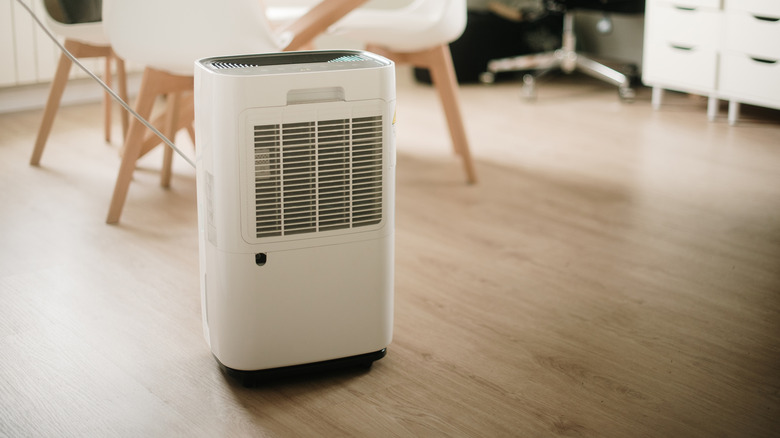
Standalone dehumidifiers are notorious for being high-draw appliances. When coupled with a portable AC unit on the same circuit, the risk of overheating the wiring or tripping a breaker is high. Furthermore, as noted by consumer safety groups, the failure to regularly clean filters or empty condensate tanks in either device can lead to mold growth inside the machine itself, potentially circulating allergens back into your living space.
Official Recommendations for Consumers
- Check Your Capacity: Before purchasing, calculate the square footage of your space and the severity of the humidity. If your goal is to prevent mold in a 500-square-foot basement, buy a dehumidifier rated for that specific volume.
- Maintenance is Non-Negotiable: Both appliances require regular filter cleaning. For 3-in-1 units, ensure the window seal kit is airtight; otherwise, the unit will work twice as hard to cool the room, significantly shortening its lifespan.
- Avoid Circuit Overload: Never plug a high-capacity dehumidifier and a 3-in-1 AC unit into the same power strip or wall outlet. If possible, place them on separate circuits to prevent electrical fires.
Final Verdict: The "All-in-One" Myth
The 3-in-1 portable air conditioner is a triumph of modern convenience. For the average user in a temperate climate, it is more than enough to keep a room comfortable during a summer heatwave. It effectively manages "nuisance" humidity—the kind that makes a room feel slightly sticky on a hot day.
However, the laws of thermodynamics remain immutable. A device built to prioritize heat removal will always be less efficient at moisture control than a device built specifically for that task. If your home is suffering from true humidity problems—such as condensation on windows, a musty odor, or visible mold—the 3-in-1 unit is likely a temporary band-aid. In those instances, investing in a high-quality, dedicated dehumidifier is not just a luxury; it is a necessary step to protect your home’s air quality and structural integrity.
Choose the tool that fits the problem: use the 3-in-1 for your comfort, and the dedicated dehumidifier for your home’s health.











