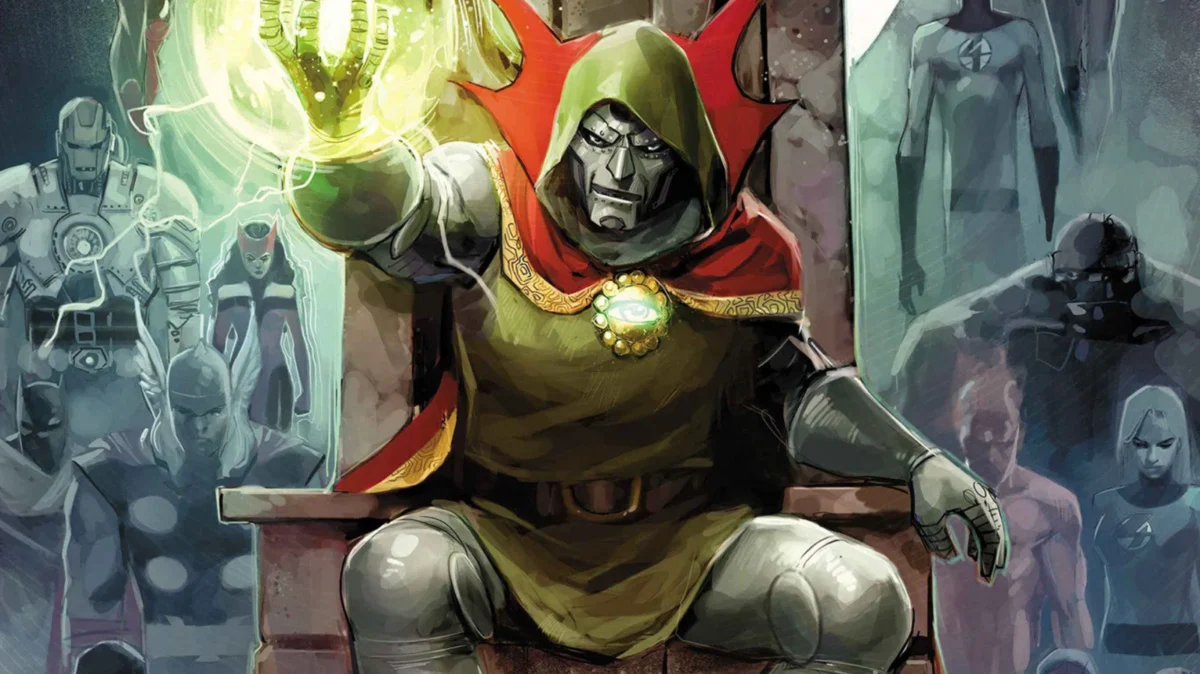
As the release of Avengers: Doomsday draws nearer, the Marvel Cinematic Universe (MCU) is beginning to peel back the layers of its most secretive project to date. While Marvel Studios and Disney have maintained an iron-clad grip on the film’s narrative, a recent, inadvertent reveal has provided fans with their first tangible look at the aesthetic direction of the film’s primary antagonist. Images of Doctor Doom’s throne, currently on display at BilibiliWorld 2026 in Shanghai, have sent shockwaves through the fandom, serving as a visceral reminder that the Latverian monarch is ready to claim his place at the center of the Marvel Multiverse.
The Throne of Latveria: A Visual Manifestation of Power
The unveiling of the prop at BilibiliWorld was not a formal press conference announcement, but rather an organic, high-definition leak that quickly permeated social media channels. Captured by attendees and shared by enthusiast accounts, the throne is a masterful piece of production design. It is imposing, cold, and undeniably regal—a stark departure from the more whimsical or tech-heavy aesthetics seen in previous Marvel villains.
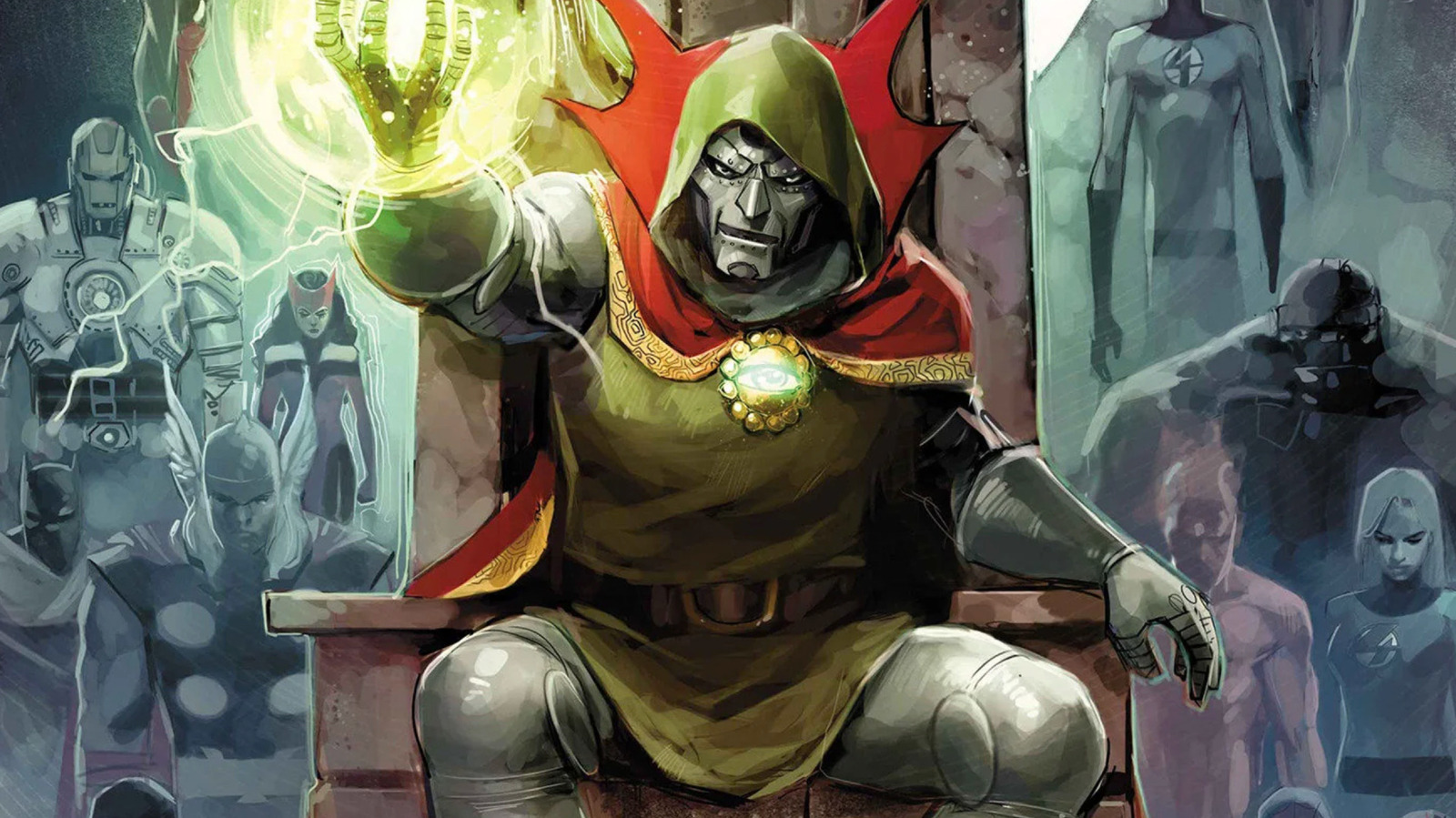
For those who have followed the character through decades of comic book history, the throne is an essential piece of iconography. It reflects a fusion of medieval gothic architecture and advanced, near-future engineering. It is not merely a chair; it is a statement of absolute authority. The craftsmanship on display suggests that Marvel is leaning into the "King of Latveria" aspect of Victor von Doom’s character, rather than portraying him simply as a power-hungry scientist. By presenting a throne that feels both ancient and indestructible, the studio is signaling to audiences that they intend to treat Doom with a level of gravitas that was sorely missing in previous cinematic iterations of the character.
A History of Cinematic Missteps and the RDJ Factor
The history of Doctor Doom on the big screen has been, to put it mildly, tumultuous. From the 2005 Fantastic Four film to the 2015 reboot, the character has often been sidelined or reduced to a generic antagonist whose motivations felt hollow. Fans have long lamented that the nuances of his personality—his pride, his tragic origin, and his belief that he is the only one capable of "saving" the world—have been stripped away for the sake of simplified plots.
This makes the casting of Robert Downey Jr. as Victor von Doom one of the most polarizing and anticipated creative choices in the history of the franchise. Having defined the MCU for over a decade as Tony Stark, Downey’s return as the primary antagonist of the Multiverse Saga carries an immense weight. The throne, therefore, acts as a visual shorthand for this new chapter. It represents the "other side" of the coin; if Stark was the hero who sacrificed everything to save the world, Doom is the man who believes that to save the world, one must rule it with an iron fist. The gravity that Downey brings to the role is essential, and this throne is the physical foundation upon which that performance will rest.
Chronology: The Road to Doomsday
The journey toward Avengers: Doomsday has been characterized by careful, calculated breadcrumbing. Since the announcement of the film, Marvel has navigated a complex landscape of expectations and internal pressure.
- The Announcement: Following the conclusion of the Infinity Saga, the MCU spent several years in a state of flux, exploring the Multiverse through various television series and films. The announcement that the Russo Brothers—Joe and Anthony—would return to helm both Doomsday and the subsequent Secret Wars (2028) provided the franchise with a sense of renewed direction.
- The Trailer Rollout: To date, Marvel has released four distinct trailers for Doomsday. Notably, these trailers have been intentionally brief, focusing on emotional beats and character reunions—such as the X-Men, a returned Steve Rogers, and the Fantastic Four—rather than the central plot.
- The Promotional Silence: Unlike previous MCU entries that relied on heavy merchandise tie-ins months in advance, Doomsday has been kept under a shroud of secrecy. The promotional artwork that surfaced earlier this year, showing a silhouette of Downey as Doom, was the first significant piece of visual data, but it left much to the imagination.
- The Shanghai Reveal: The BilibiliWorld display marks a shift from total secrecy to the beginning of the "hype phase." As the film approaches its December 18, 2026 release, fans can expect the trickle of information to become a flood.
Supporting Data: The "Dunesday" Conflict
The release of Avengers: Doomsday is not happening in a vacuum. It is slated to drop on December 18, 2026, the exact same day as Dune: Part Three. This scheduling collision, colloquially dubbed "Dunesday" by industry analysts, represents a massive clash of titans.
Dune: Part Three carries the momentum of its predecessors and the prestige of IMAX-native cinematography. The Dune franchise has established a visual language that audiences associate with "premium" theatrical experiences. In contrast, Marvel faces the challenge of re-establishing its own dominance after a period of mixed critical reception for the MCU.
In response to the competitive pressure, Disney has launched "Infinity Vision," a proprietary large-format projection system designed to rival IMAX. The strategic importance of this cannot be overstated. If Doomsday is to succeed, it must not only be a good film; it must provide a visual experience that justifies the premium price of a theater ticket in an era where streaming dominates consumer habits. The throne, while seemingly a small detail, is part of a larger push to ensure that the visual spectacle of Doomsday is undeniable.
Official Responses and Strategic Implications
While Disney and Marvel Studios have not issued a formal press release regarding the BilibiliWorld display, the implications for their marketing strategy are clear. By allowing the throne to be seen in a public, albeit convention-focused setting, they are gauging audience sentiment. The overwhelmingly positive reaction on social media serves as a "stress test" for the character design.
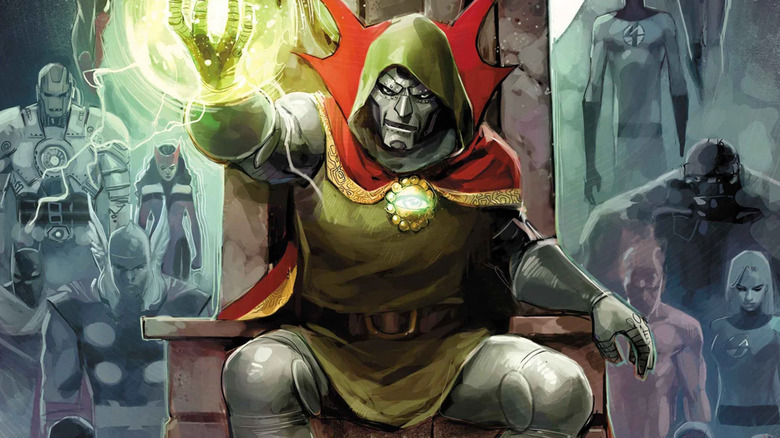
The return of the Russo Brothers is the studio’s most significant signal of intent. Having successfully navigated the complex ensemble dynamics of Infinity War and Endgame, their return suggests that Doomsday is intended to be a definitive, era-ending event. The use of characters like the Fantastic Four and the X-Men alongside the legacy Avengers indicates that the film is designed to be the ultimate culmination of the Marvel brand.
Looking Ahead: The Multiverse Finale
As we look toward the San Diego Comic-Con later this month, the atmosphere is electric. Industry insiders speculate that Marvel will unveil a full-length trailer, potentially providing our first clear look at Robert Downey Jr. in the full regalia of Doctor Doom.
The stakes could not be higher. Avengers: Doomsday is more than just a movie; it is a litmus test for the future of the MCU. With the Multiverse Saga drawing to a close in 2028 with Secret Wars, Doomsday serves as the penultimate chapter. It must reconcile the complex threads of the multiverse while delivering a villain who can command the screen with the same intensity that Thanos once did.
The throne currently sitting in Shanghai is a silent promise. It suggests that while the Avengers may have faced many threats in the past, they have yet to face a ruler who believes so fervently in his own righteousness. Whether this leads to a triumphant return for the Marvel Cinematic Universe or a cautionary tale about the limits of legacy casting remains to be seen. However, one thing is certain: Victor von Doom is coming, and he has brought his throne with him.
The countdown to December 18, 2026, has officially begun. As the promotional machine shifts into high gear, fans should prepare for an onslaught of teasers, posters, and reveals. For now, the image of that empty throne stands as a haunting invitation to witness the beginning of the end.