

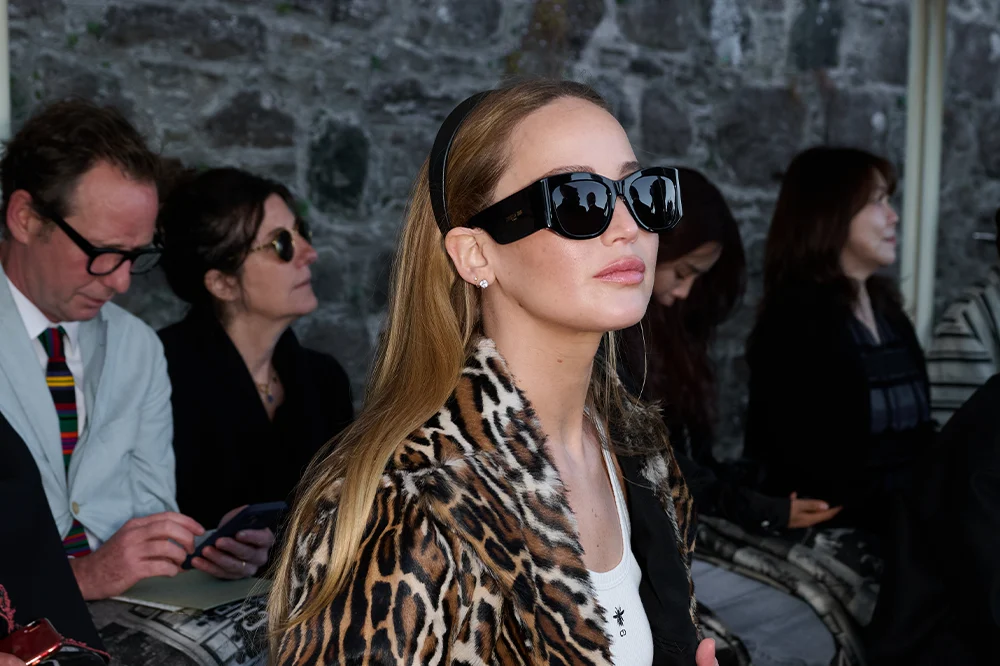
Every summer, a specific sartorial shift captures the public imagination, transforming the simple act of sun protection into a high-stakes fashion statement. As temperatures climb past the 90-degree mark, the streets of New York, Paris, and Los Angeles have become runways for a singular, unapologetic trend: the return of the dramatic, oversized, "bug-eyed" sunglass silhouette.
Drawing heavy inspiration from the bold, maximalist aesthetics of the 1970s and 1980s, these face-obscuring accessories have moved from retro novelty to modern essential. Whether shielding A-listers from the paparazzi or serving as the final, structural flourish on a high-fashion ensemble, the oversized frame is officially the defining accessory of the season.

The Main Facts: A Return to Maximalism
The current fashion landscape is undeniably dominated by a "more is more" philosophy regarding eyewear. Unlike the micro-shades that defined the late 2010s, today’s most coveted styles prioritize coverage, weight, and architectural presence.
This resurgence is not merely a fleeting aesthetic choice; it is a full-scale cultural pivot. Major fashion houses, including Valentino, Fendi, Tory Burch, and Saint Laurent, have anchored their seasonal collections around lenses that border on the humorously large. These frames serve a dual purpose: they offer maximum UV protection while acting as a structural barrier—a "mask" that provides the wearer with a sense of anonymity in an increasingly surveilled world.

Chronology: From Subculture to Spotlight
The trajectory of the oversized trend reflects the cyclical nature of fashion. While the silhouettes feel fresh today, their roots are deeply embedded in fashion history.
- The 1970s and 80s Genesis: The original "bug-eye" look gained traction as a symbol of glamour and mystery, often associated with the jet-set lifestyle and the need for privacy among celebrities.
- The Stalwarts: Throughout the intervening decades, figures like the late style icon Iris Apfel and the Olsen twins (Mary-Kate and Ashley) maintained the oversized aesthetic as a core element of their personal brands. To them, the look never went out of style; it simply waited for the rest of the world to catch up.
- The 2026 Resurgence: By early 2026, the trend gained critical mass. Jennifer Lawrence was frequently spotted navigating New York City in signature "bug-eyed" Dior frames. Shortly thereafter, the look was cemented on the red carpet and at exclusive events; most notably, Rosalía’s appearance at the Los40 Music Awards featured a custom ensemble anchored by massive, face-obstructing Balenciaga glasses that became the most discussed accessory of the night.
- The Runway Validation: By the summer 2026 fashion circuit, the trend was codified. From the haute couture runways of Paris to the ready-to-wear presentations in Milan, the message was clear: if your glasses aren’t making a statement, they aren’t doing their job.
Supporting Data: The Celebrity Influence and Market Demand
The power of celebrity endorsement remains the primary engine of this trend. When Rihanna was photographed at Hollywood’s Dot Dot Lounge sporting Balenciaga’s avant-garde mask sunglasses, the images went viral within hours, causing a measurable spike in searches for high-end, wrap-around eyewear.

Retail analytics suggest that consumer appetite for "oversized" and "shield" style glasses has surged by 45% compared to the previous summer. This is supported by the rapid sell-through rates of luxury models like the DiorNuit S1, which have become status symbols for the fashion-conscious demographic. However, the trend is not exclusive to the ultra-wealthy. The democratization of the look through mid-market and budget-friendly retailers—including various "bug-eye" iterations found on Amazon—indicates that the trend has successfully permeated all levels of the consumer market.
Official Responses and Industry Shifts
Designers are responding to this demand by leaning into the absurdity of the scale. The "Mask Butterfly" aesthetic, characterized by a single, continuous lens that sweeps across the bridge of the nose, is the current pinnacle of this movement.

Fashion historians and trend forecasters argue that this shift is a reaction to the minimalism of previous years. "We are seeing a rejection of the ‘barely there’ look," says one industry analyst. "After years of thin, wire-frame, or tiny glasses, the consumer wants a product that offers protection, drama, and a bit of ‘diva’ energy. It’s an armor of sorts."
Brands are also investing heavily in the engineering of these larger frames. Because oversized glasses are naturally heavier, manufacturers have had to innovate with lightweight, bio-acetate materials to ensure that the "statement" doesn’t become a physical burden for the wearer.

Implications: The Psychology of the "Bug-Eye"
Why do we return to the oversized frame? Beyond the practical benefits of blocking out the sun, there is a profound psychological component to wearing larger-than-life sunglasses.
The Desire for Anonymity
In an era of ubiquitous social media and constant connectivity, the oversized sunglass acts as a barrier. It is the modern-day equivalent of the "celebrity disguise." It allows the wearer to observe the world without being fully observed themselves. This sense of detachment is highly appealing in a high-stimulation environment.

The Statement Accessory
Fashion is, at its core, a form of communication. A small pair of glasses can be easily overlooked, but a pair of oversized, designer shades commands attention. They define the silhouette of the face, balance out exaggerated hair styles, and instantly elevate a simple t-shirt-and-jeans outfit into something that looks "styled."
The Sustainability Question
While the trend is currently booming, industry experts are beginning to question the long-term viability of such large frames. With more material required to produce each unit, some are calling for brands to focus on circularity—using recycled plastics or bio-based resins to create these massive silhouettes. As the market matures, the next phase of the "oversized" trend will likely focus on how these bold designs can be created with a lighter environmental footprint.

How to Wear the Trend: A Buyer’s Guide
For those looking to adopt the oversized look, the variety of options ensures there is a fit for every face shape and budget:
- The Luxury Investment: For those who want the full, high-fashion experience, the DiorNuit S1 remains the gold standard for its classic, refined take on the bug-eye shape. Similarly, the Balenciaga Mask Butterfly glasses offer the most extreme, fashion-forward silhouette currently on the market.
- The Modern Minimalist: For a sleek, contemporary look, the Lexxola Dina sunglasses offer a sharp, architectural take on the oversized trend, perfect for those who want to avoid the "vintage" feel.
- The Classic Chic: The Krew Chloe sunglasses provide a balanced, flattering oversized look that works well for daily wear without feeling overly costume-y.
- The Accessible Entry: Those wanting to experiment without a heavy investment can find numerous high-quality "bug-eye" options on platforms like Amazon. These are excellent for testing whether the look suits your personal style before committing to a designer pair.
- The Sophisticated Choice: The Marc Jacobs 56mm Gradient Round sunglasses are an excellent middle-ground, offering a soft, rounded oversized look that feels timeless rather than purely trend-driven.
Conclusion: A Style That Stays
The oversized sunglass trend of 2026 is more than a fleeting moment of vanity. It is a reflection of a collective desire for boldness, protection, and a touch of classic Hollywood mystique. Whether you are channeling the 1970s screen sirens or the modern-day street style icons, the message is clear: when it comes to eyewear, bigger really is better.

As we navigate the remainder of the summer, these frames will continue to serve as the silent, stylish sentinels of our wardrobes. Whether the trend evolves into even more abstract shapes or eventually pivots back toward subtlety, one thing is certain: for the next few months, the world will be seen through a much larger, much darker, and undeniably cooler lens.










