

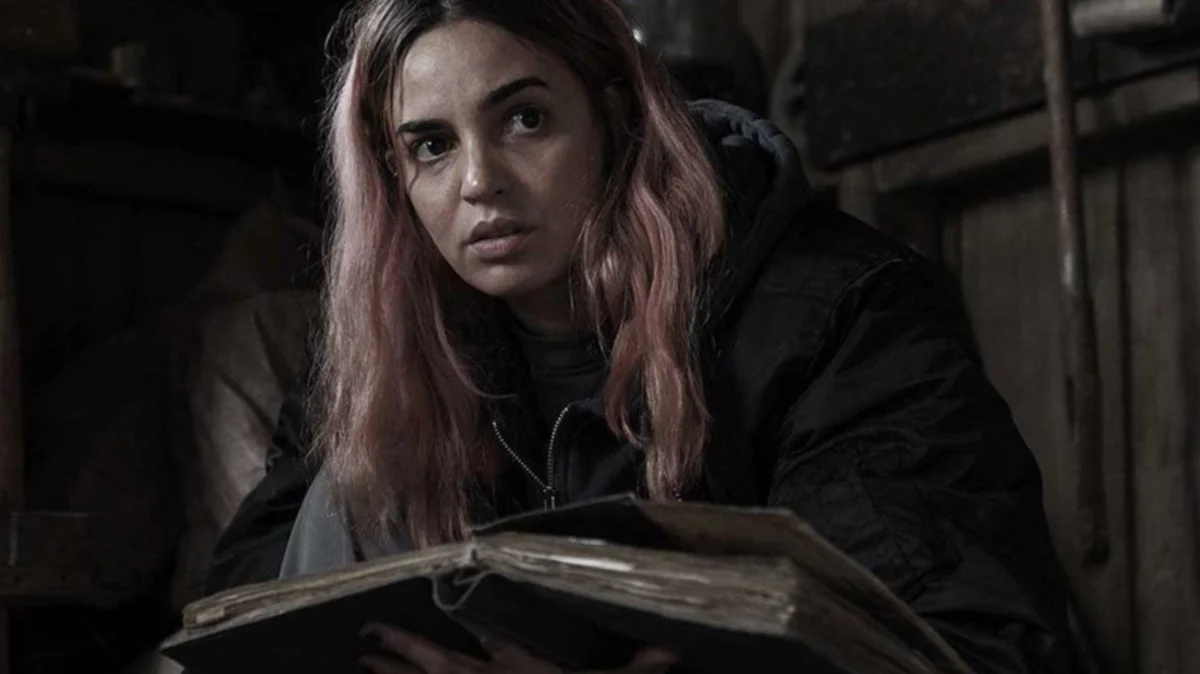
The horror genre is defined by its ability to reinvent itself, and few franchises have demonstrated this resilience as effectively as Evil Dead. Since Sam Raimi first unleashed the Necronomicon Ex-Mortis upon unsuspecting audiences in 1981, the series has evolved from low-budget splatter-horror to a massive, genre-defining juggernaut. With the arrival of Evil Dead Burn—the latest visceral chapter in the saga—the franchise once again proves that it never truly dies; it only mutates into something more terrifying.
Directed by Sébastien Vanicek, the visionary filmmaker behind the acclaimed horror-thriller Infested, Evil Dead Burn marks a distinct tonal shift for the series. Following the 2023 success of Evil Dead Rise, which moved the carnage into an urban apartment complex, Burn returns to the isolation of a secluded family home. As audiences flock to theaters to witness this new descent into madness, many are left wondering: is there a reason to stay through the credits?
The short answer is an emphatic yes. To understand the future of the Evil Dead universe, one must sit through the entirety of the film’s conclusion.
The Legacy of the Book: A Chronology of Chaos
To appreciate the weight of Evil Dead Burn, one must look at the timeline of the franchise’s expansion. The series has historically functioned as a loose anthology, connected not by a single protagonist, but by the presence of the Kandarian demons and the cursed Book of the Dead.
- 1981: The Evil Dead (Sam Raimi) establishes the template: five friends, a remote cabin, and an ancient evil.
- 1987: Evil Dead II acts as a semi-remake/sequel, leaning into the slapstick-horror hybrid that would become Bruce Campbell’s signature.
- 1992: Army of Darkness pushes the franchise into high-fantasy adventure.
- 2013: Fede Álvarez’s Evil Dead reboot strips away the camp, introducing a darker, more nihilistic tone.
- 2023: Evil Dead Rise brings the horror to the city, proving the franchise can survive outside of the woods.
- 2026: Evil Dead Burn arrives on July 10, cementing a new era of creative directors bringing their unique sensibilities to the Deadite mythos.
This latest entry, Evil Dead Burn, continues the trend of standalone narratives that function within a shared cinematic universe. By rotating directors like Vanicek and, soon, Francis Galluppi (who is currently attached to the upcoming Evil Dead Wrath), the franchise avoids the stagnation that plagues many long-running horror series.
Decoding the Evil Dead Burn Post-Credits Scenes
For those avoiding spoilers, we can confirm the structural composition of the film’s finale without ruining the narrative twists. Evil Dead Burn does not feature just one, but two additional sequences nestled within and after the credits.
The Mid-Credits Sequence: A Narrative Bridge
The mid-credits scene arrives shortly after the screen fades to black. This sequence serves as a direct epilogue to the primary conflict of the film. While some horror movies use mid-credits scenes for comedic relief, Evil Dead Burn opts for gravity. It provides necessary closure to the character arcs established in the final act, ensuring that the audience understands the immediate aftermath of the carnage.
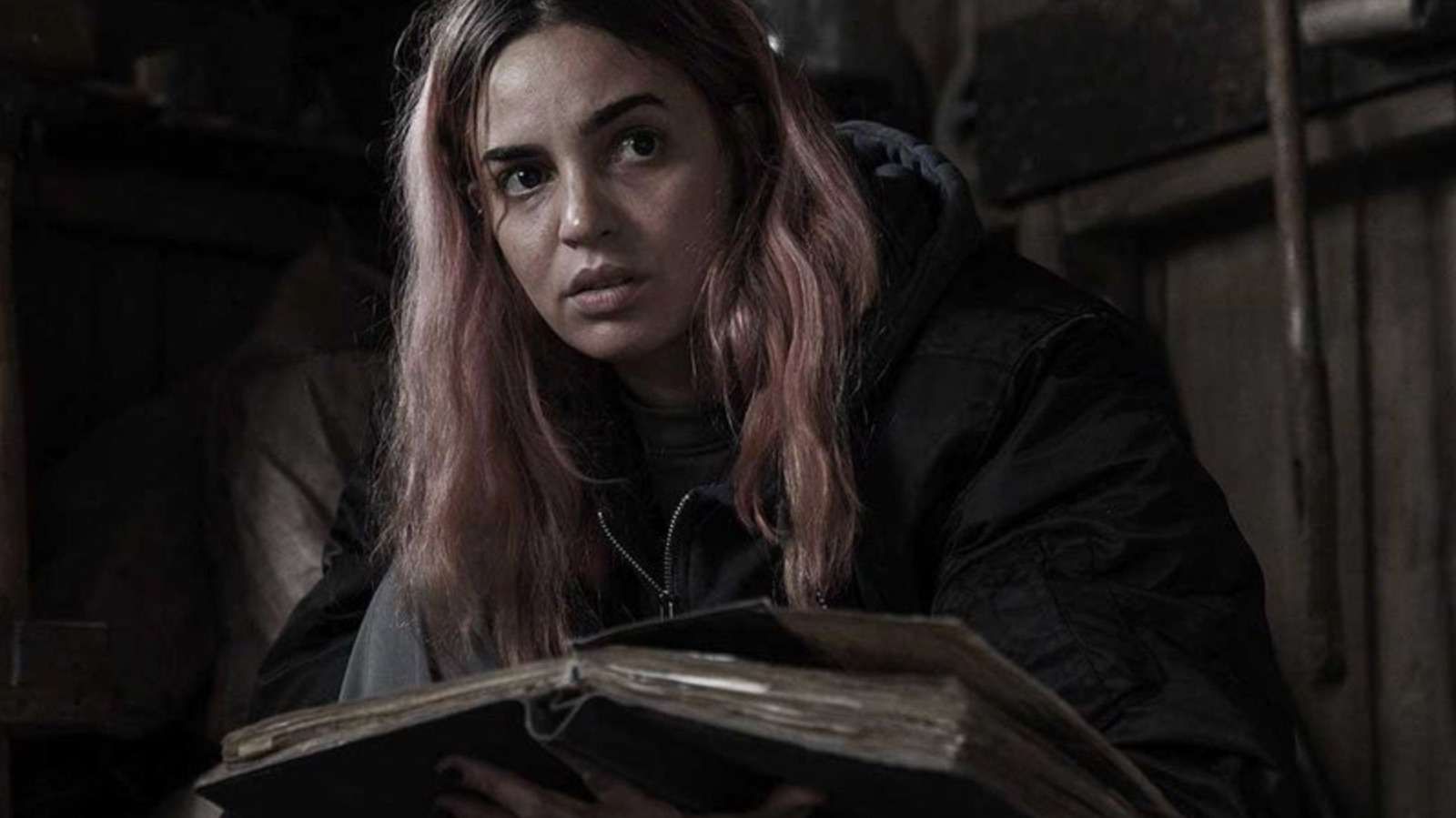
The Post-Credits Sequence: Expanding the Mythos
The final scene, which plays once the full scroll of names has finished, is a significant departure from the localized story of Burn. It is a "big picture" moment that hints at the wider reach of the Necronomicon. If the mid-credits scene is about the film itself, the post-credits scene is about the franchise’s future. It functions as a breadcrumb trail, teasing the inevitable collision of the various storylines established in Rise, Burn, and the upcoming Wrath.
Supporting Data: Why Evil Dead Burn Matters
The reception to Evil Dead Burn has been overwhelmingly positive, both from a critical and commercial standpoint. Early reviews, including those from /Film, have lauded the film’s practical effects and its commitment to the "savage and terrifying" roots of the original 1981 classic.
The film’s production design focuses on "claustrophobic dread." By utilizing a secluded family home as the primary location, Vanicek taps into the primal fear of being trapped with those you love—who may no longer be themselves. This psychological layer is bolstered by a stellar cast, including Souheila Yacoub, Hunter Doohan, and Tandi Wright, whose performances anchor the supernatural chaos in a grounded, emotional reality.
Production Stats at a Glance
- Release Date: July 10, 2026
- Director: Sébastien Vanicek
- Screenwriters: Sébastien Vanicek and Florent Bernard
- Cast: Souheila Yacoub, Hunter Doohan, Erroll Shand, Tandi Wright, Luciane Buchanan, and Greta van den Brink.
The critical consensus suggests that Evil Dead Burn succeeds because it respects the lore while refusing to be held hostage by it. It doesn’t require a doctorate in Evil Dead history to enjoy, but it rewards the dedicated fanbase with Easter eggs and broader world-building.
Official Responses and Creative Vision
Sébastien Vanicek has been vocal about the pressure of taking on such an iconic series. In recent press junkets, he noted that his goal was to create a "visceral sensory experience" rather than just a series of jump scares.
"The Deadites represent the corruption of the familiar," Vanicek stated during a recent roundtable. "When we look at the ‘Burn’ concept, it was about how a family unit—the strongest bond we have—can be turned into the greatest weapon against us. We didn’t want to just recycle old tropes; we wanted to push the boundaries of what is physically and emotionally possible within the franchise."
The studio, Warner Bros., has also indicated that they view the Evil Dead franchise as a cornerstone of their horror portfolio. By greenlighting Evil Dead Wrath with director Francis Galluppi before Burn had even hit theaters, the studio is signaling a "fast-track" approach to the franchise’s growth. This suggests that the post-credits scenes in Burn are not just fan service, but calculated strategic moves to keep momentum high.
Implications for the Future of the Franchise
What do these scenes mean for the future? For one, the existence of a post-credits scene that impacts the "franchise as a whole" suggests that the Evil Dead series is moving toward a more interconnected narrative structure. While the films have historically been disconnected, the success of the modern entries suggests that audiences are ready for a larger, more ambitious crossover or an overarching plot that ties the various "Books of the Dead" together.
The Road to Evil Dead Wrath
With Francis Galluppi’s Evil Dead Wrath scheduled for next year, the excitement is palpable. The industry is watching to see if Galluppi will build directly upon the foundation laid by Vanicek. If the post-credits scene in Burn is any indication, the next chapter will likely scale up the stakes, potentially involving a larger scale of infection or a new way to weaponize the demonic forces.
For fans, the implication is clear: the Evil Dead universe is entering a "Golden Age" of expansion. The days of waiting a decade between sequels are over. We are now in a phase where the Necronomicon is a constant threat, and the creative talent being brought in to helm these projects is consistently pushing the envelope of modern practical horror.
Final Verdict: Stay in Your Seats
When you head to the theater on July 10, 2026, to see Evil Dead Burn, plan your concessions accordingly. The film is a masterclass in tension, but the true value lies in the wait. The mid-credits scene offers a haunting look at the immediate aftermath of the story, and the final post-credits stinger is an essential piece of the puzzle for anyone who considers themselves a fan of the franchise.
The Deadites are not going anywhere. If anything, they are just getting started. As the screen fades to black and the final notes of the score linger in the theater, resist the urge to jump up and head for the exit. The future of the Evil Dead is waiting in the dark, and it is a future you won’t want to miss.








