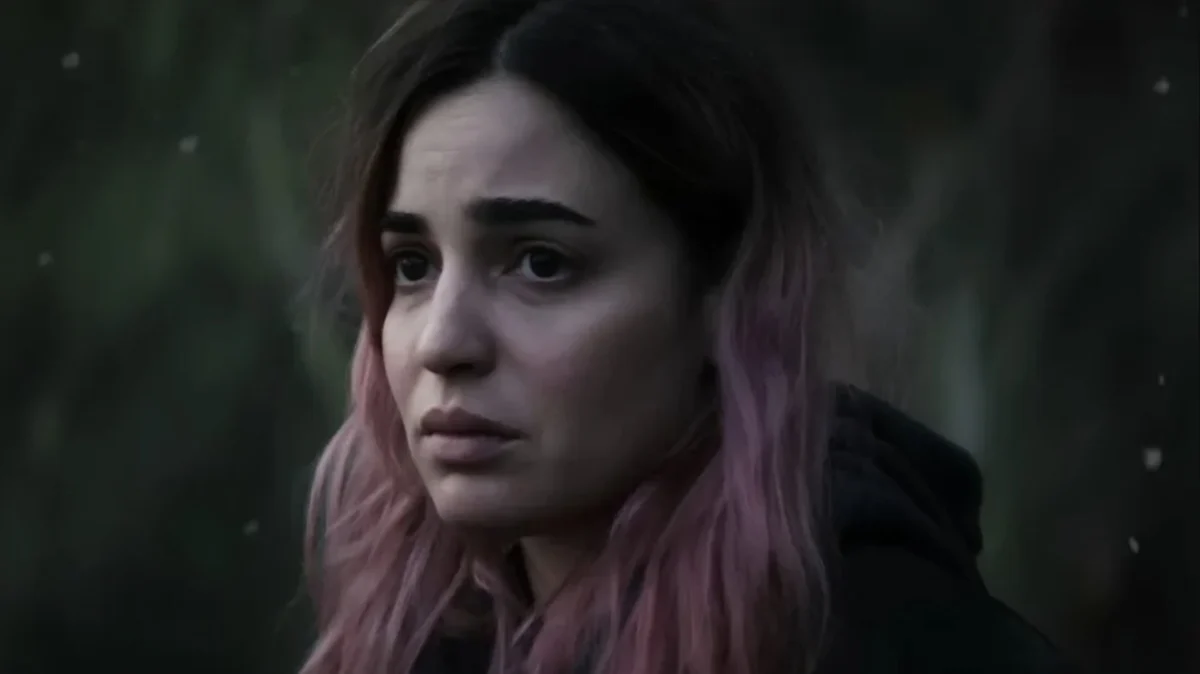
The Evil Dead franchise has long been the gold standard for "the ultimate experience in grueling terror." Since Rob Tapert, Bruce Campbell, and Sam Raimi first unleashed their low-budget, high-octane nightmare in 1981, the series has evolved into a sprawling, blood-soaked mythology. With the release of the sixth installment, Evil Dead Burn, directed by Sébastien Vaniček and co-written with Florent Bernard, the franchise has pushed its boundaries further than ever before.
By blending the visceral, relentless intensity of the New French Extremity horror movement with the claustrophobic, toxic family dynamics of modern psychological dramas like Hereditary or The Bear, Evil Dead Burn isn’t just another entry in the canon—it is a transformation. As the dust settles and the ashes of the film’s central family home cool, audiences are left with burning questions about the future of the Deadites.
The Anatomy of an Opening: A New Breed of Evil
To understand the ending, one must first address the film’s jarring departure from tradition. Traditionally, an Evil Dead movie begins with the accidental discovery of the Naturom Demonto (the Book of the Dead). Evil Dead Burn subverts this instantly.
The film introduces us to Joseph (Hunter Doohan), whose grandfather, Benjamin, was a member of a clandestine organization known as "The Circle of the Wisemen." This cult was dedicated to the study—and attempted neutralization—of the demonic spirits trapped within the Book. Unlike previous protagonists, Joseph begins the film already in possession of the cursed artifact, alongside a sinister Kandarian dagger.
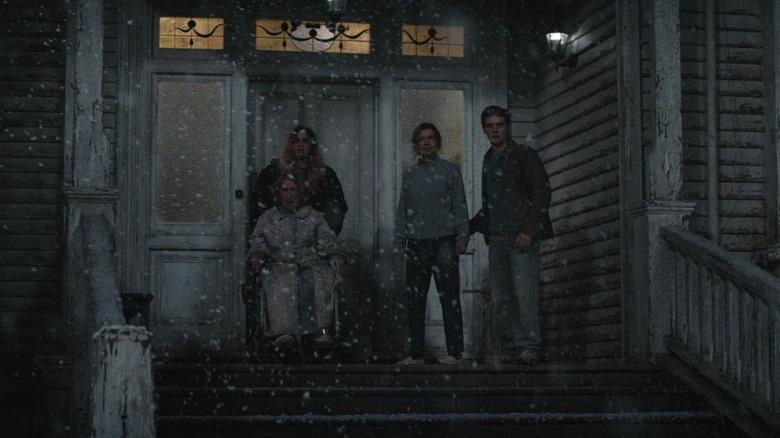
The catalyst for the film’s carnage is the unintended awakening of the Deadites, whose last known position was linked to the events of Evil Dead Rise. The possession of Will (George Pullar) serves as the infection point. Will, a character defined by his abusive history, becomes the perfect vessel for the Deadites, who weaponize the family’s existing psychological trauma against them. By the time the family gathers for Will’s funeral, the stage is set for a massacre that feels less like a typical slasher and more like a systematic psychological deconstruction.
A Chronology of Chaos: The Dagger and the Dead
The climax of Evil Dead Burn hinges on the discovery of the Kandarian dagger. Unlike the ornate, skull-adorned weapon seen in the 1983 original, this iteration is a crude, shiv-like instrument. The protagonist, Alice (Souhelia Yacoub), must navigate a labyrinthine series of challenges—reminiscent of the trials in Indiana Jones and the Last Crusade—to secure the weapon.
Key Narrative Beats:
- The Possession Loop: The film establishes that the Kandarian dagger can dispel the spirits, but it cannot restore the life of the host. The tragic realization for Alice is that saving a loved one from the Deadites is a hollow victory; the physical toll on the host is absolute.
- The Revenant: The final act pits Alice against a "charred" version of Will—a sentient, flaming corpse. This serves as a grim metaphor for the cyclical nature of abuse. Alice is literally fighting a ghost of her past that refuses to be extinguished.
- The Ambiguous Final Shot: In the closing moments, as Alice is treated by paramedics, her eyes flash with a familiar, unnatural hue. This ambiguity—is she infected, or is she simply a vessel for the trauma she has endured?—mirrors the franchise’s long-standing tradition of the "Final Girl" who is never truly free.
Supporting Data: Examining the Franchise Continuity
One of the most debated aspects of Evil Dead Burn is its relationship to the previous films. For decades, the franchise operated on a loose, anthology-style continuity. However, Burn suggests a more interconnected approach.
The presence of the Book of the Dead and the reappearance of elements from Evil Dead Rise indicate that the series is moving toward a more cohesive cinematic universe. Yet, fans have noted discrepancies: the Book used by Benjamin is not the same one seen in Rise, and the dagger differs from the original trilogy.
Are these inconsistencies mere production oversights, or are they intentional hints at a fractured multiverse? Given the franchise’s history with time-travel mechanics (introduced in Evil Dead II and solidified in Army of Darkness), it is highly probable that the "discrepancies" are intentional indicators of timeline manipulation. The Deadites are not just haunting a location; they are actively distorting the fabric of reality across different iterations of history.
Official Perspectives and Behind-the-Scenes Vision
Director Sébastien Vaniček has been vocal about his intent to treat the Evil Dead legacy with both reverence and subversion. In recent interviews, Vaniček noted that the goal was to "make the audience feel the heat of the fire, both literal and metaphorical." By choosing to focus on a family already fractured by abuse, the production team aimed to make the supernatural horror feel secondary to the human horror.
The "Circle of the Wisemen" lore was introduced specifically to provide a foundation for future sequels. According to studio insiders at Warner Bros., the plan is to expand the Evil Dead brand into a more expansive franchise, potentially mirroring the success of other "MonsterVerse" models, where the threat of the Deadites becomes a global phenomenon rather than a regional curse.
The Implications: Where Do the Deadites Go From Here?
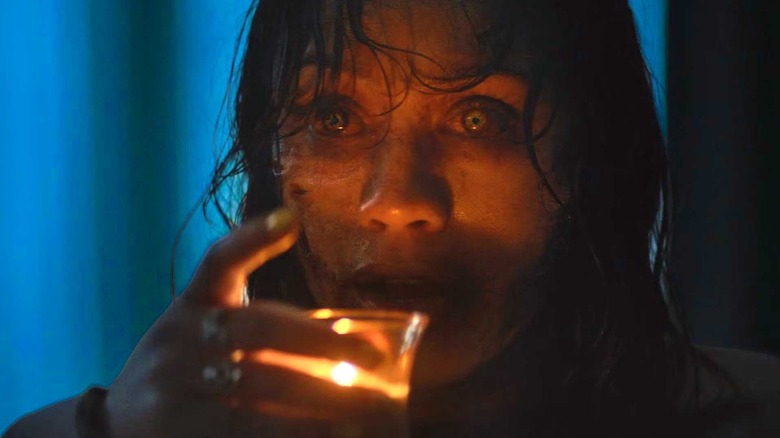
The post-credits sequence of Evil Dead Burn provides a clear, albeit terrifying, roadmap. After the primary conflict is resolved, we see the possessed Polly escape into the wilderness. She infects an unsuspecting traveler, effectively moving the infection from the isolated family home into the general population.
Future Projections:
- The Prequel Factor: The upcoming Evil Dead Wrath, scheduled for an April 2028 release, is confirmed to be set in 1972. This indicates that the studio is interested in exploring the origins of the "Wisemen" and perhaps explaining why multiple Books of the Dead exist.
- The "Survivor" Narrative: The franchise has a rich history of survivors—Ash Williams, Mia, Beth, and now Alice. The thematic implication is that while these characters survive, they are fundamentally "marked." The lingering trauma is the hook for future installments; the Evil never truly leaves its victims.
- Broadening the Scope: With the infection now loose in the world, the next chapter of the Evil Dead saga will likely move away from the "cabin in the woods" trope and into more urban or wide-scale settings, where the threat of the Deadites can spread exponentially.
Final Analysis
Evil Dead Burn is a masterclass in modern horror, proving that even after four decades, the Evil Dead brand remains vital. By balancing deep, character-driven trauma with the trademark gore and dark humor that defined the series, Vaniček has crafted a film that feels both like a return to roots and a leap into the unknown.
Whether Alice will return to lead the charge against the encroaching darkness, or whether we are looking at the birth of a new, global "Deadite War," remains to be seen. What is certain is that the Evil Dead franchise is no longer content with simply tormenting individuals—it is looking to consume the entire reality it occupies. As we look toward the 1972-set Evil Dead Wrath, it is clear that the cycle of violence, fire, and blood is only just beginning.