

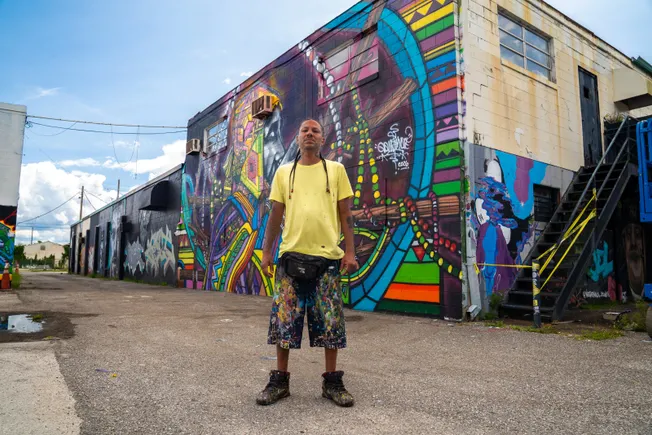
In an era where brand authenticity is measured by cultural resonance rather than simple reach, Vitaminwater is doubling down on its commitment to the Hispanic community. The Coca-Cola-owned beverage brand has officially unveiled the second season of its "Neighborhue" platform, an expansive branded content initiative that highlights the intersection of public art, heritage, and urban identity. Following a successful inaugural run last summer, the program, subtitled "Still in Color," shifts its focus from mere restoration to the enduring power of artistic legacy.
By partnering once again with My Code—a leading multicultural media and marketing agency—Vitaminwater is not just creating advertisements; it is curating a documentary-style narrative that spans the bustling streets of New York City and the vibrant artistic corridors of Orlando, Florida.
The Evolution of Neighborhue: From Restoration to Legacy
The original iteration of "Neighborhue," which debuted in August 2023, was a localized exploration of murals within the Latine neighborhoods of New York’s outer boroughs. It focused heavily on the act of artistic restoration—physically revitalizing spaces to reclaim local narratives. Season two, however, marks a thematic shift toward "continuation."
"Still in Color" seeks to examine how public art acts as an enduring pillar of heritage, belonging, and identity. The season profiles two prominent artists: Puerto Rican muralist Don Rimx (David Sepulveda) and Cuban artist Carlos Mateu. Through a mix of documentary-style footage, behind-the-scenes content, and long-form editorial pieces, the campaign provides a window into the creative processes that shape these communities.
The content rollout is strategically timed: the spotlight on Orlando-based Don Rimx debuts this Thursday, while the narrative focusing on Mateu’s Brooklyn-based endeavors is slated for release on July 20. By expanding beyond the singular geography of New York, Vitaminwater is signaling a commitment to a broader, more representative view of the Hispanic experience in the United States.
Chronology and Strategy: A Multi-Platform Approach
The success of "Neighborhue" is heavily reliant on its distribution strategy, which prioritizes social-first consumption and native digital ecosystems. My Code, which manages a portfolio of influential media properties including Remezcla, HipLatina, La Opinión, and El Diario, will serve as the primary engine for this distribution.
- August 2023: The launch of the initial "Neighborhue" campaign, focusing on New York City murals.
- Early 2024: Vitaminwater pivots toward a broader, "New York-centric" brand identity with its "Vitaminwater from New York" campaign directed by Spike Lee.
- July 2024: The announcement and launch of "Neighborhue: Still in Color," featuring expanded geographical reach (NYC and Orlando) and a deeper focus on documentary storytelling.
- Late July 2024: Staggered content releases focusing on artists Don Rimx and Carlos Mateu across Instagram Reels, TikTok, and YouTube Shorts.
According to Amani Duncan, CEO of My Code, the strategy is designed to permeate the entire media ecosystem. "We have a plethora of exclusive properties that we own outright. It’s going to go across our entire media ecosystem," Duncan stated. "We didn’t just expand the city: We’ve expanded the outreach and all the platforms that we’re going to utilize to get this story out wide."
The Economic Imperative: Why Hispanic Consumers Matter
Vitaminwater’s investment in "Neighborhue" is not merely an exercise in corporate social responsibility; it is a calculated business move aimed at one of the fastest-growing and most influential consumer cohorts in the U.S. economy.
According to data from NIQ, Hispanic households represent an estimated $2.7 trillion in purchasing power, accounting for roughly 15% of all consumer spending in the United States. This cohort is increasingly influential in the retail space, and brands that fail to acknowledge this demographic are effectively leaving billions of dollars on the table.
My Code leverages a sophisticated "audience graph"—a data-backed tool supported by first-party information and a partnership with credit reporting agency Experian—to ensure that the content reaches the right audience at the right time. "Our intelligence center is what powers all of our campaigns; it powers all of our strategy," Duncan explained. "It is table stakes for us because we’re sitting on this treasure trove of data and insights that we’ve been mining."
For Vitaminwater, the goal is to move beyond generic marketing and toward "growth audiences." My Code’s philosophy dictates that multicultural groups are not a "niche" sliver of the market, but rather a substantial portion of the consumer base that demands authentic, seen-and-heard representation.
Official Responses and Brand Vision
The leadership at Vitaminwater views "Neighborhue" as a vital component of its brand’s resurgence. Following a two-year hiatus from traditional advertising, the brand has been aggressive in 2024, utilizing high-profile creative partners to re-establish its connection with urban consumers.
Hillary Horton, Vitaminwater’s brand director, emphasized the importance of the emotional connection forged through the campaign. "We believe creativity is a powerful force for connection and self-expression, and the response to the first season of Neighborhue reinforced just how deeply people connect with stories rooted in community and culture," Horton said in a recent press statement.
This sentiment is echoed by the creative partners at My Code. Amani Duncan noted that consumers are increasingly savvy and discerning, specifically favoring brands that demonstrate consistent, genuine commitment to their communities. "People want to support the brands that see them," Duncan said. "We’re talking about marginalized groups, we’re talking about people that don’t always get seen on a large scale. When you do this in the right way, and you do it consistently, you’re going to see a positive impact to your bottom line."
Broader Implications for the Beverage Industry
The "Neighborhue" campaign arrives at a time when major beverage conglomerates are re-evaluating their relationship with urban and multicultural consumers. Following the Spike Lee-directed "Vitaminwater from New York" campaign, which highlighted quintessential city staples like bodegas and late-night food trucks, "Neighborhue" serves as a natural extension of that "local" identity.
1. The Death of the Mass Market
The success of this initiative suggests that the era of the "mass-market" advertisement is fading. In its place, brands are adopting a "micro-community" approach, where success is measured by the depth of engagement within specific cultural pockets rather than the breadth of generic impressions.
2. Data-Driven Cultural Curation
The reliance on My Code’s proprietary data underscores a broader shift in the advertising industry. Marketing is no longer just about creative intuition; it is about combining high-level art with rigorous, data-driven insights. By aligning with specific demographics, Vitaminwater is reducing wasted ad spend and increasing the likelihood of brand loyalty.
3. The Role of the "Brand-as-Publisher"
By producing long-form editorial, documentary video, and behind-the-scenes content, Vitaminwater is effectively positioning itself as a publisher. This allows the brand to bypass traditional gatekeepers and speak directly to its target audience. By celebrating artists like Don Rimx and Carlos Mateu, the brand associates itself with the creative energy of the cities it serves, effectively borrowing equity from the culture it highlights.
4. Sustained Investment vs. "One-Off" Campaigns
Perhaps the most significant aspect of "Neighborhue" is its longevity. By moving into a second season, Vitaminwater is signaling that this is not a performative one-off effort. It is building a platform that can be scaled, refined, and repeated. In the competitive landscape of the beverage industry, where consumer loyalty is hard-won, this long-term commitment to community-based storytelling is a strategic differentiator.
Conclusion
As Vitaminwater continues to refine its marketing strategy, the "Neighborhue" platform stands as a blueprint for how major corporations can engage with multicultural communities with respect and substance. By moving beyond the surface-level tropes and diving into the personal, professional, and cultural lives of muralists, the brand is fostering a deeper sense of belonging among its core audience.
Whether this translates to a permanent shift in market share remains to be seen, but the intent is clear: Vitaminwater is banking on the idea that when a brand truly sees its consumer, the consumer will, in turn, see the brand as an essential part of their everyday life. In the vibrant, mural-covered streets of New York and Orlando, the message is being written in color—and it is a message that is resonating far beyond the neighborhood walls.











