

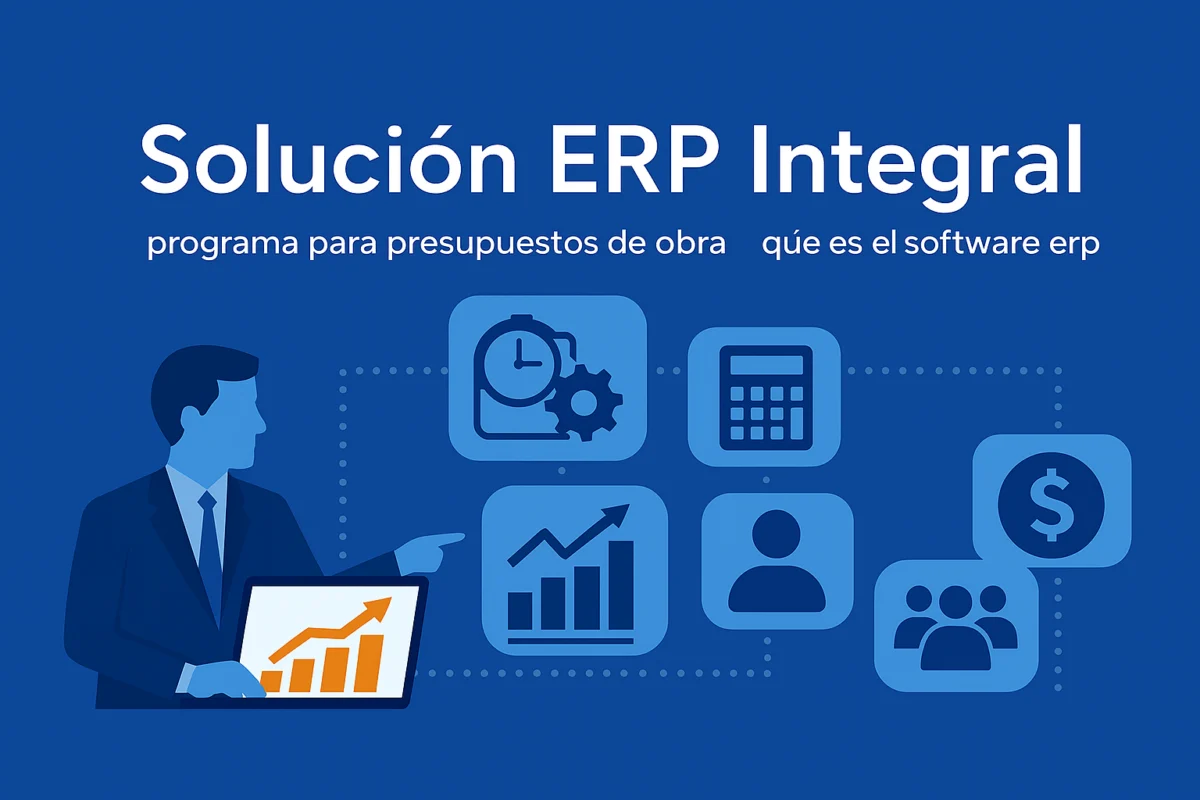
In the contemporary landscape of digital business, the capacity to synchronize disparate operational silos is no longer a luxury—it is a prerequisite for survival. At the heart of this transformation lies the Enterprise Resource Planning (ERP) system, a sophisticated software architecture designed to act as the central nervous system of an organization. Among the industry leaders, CEGID EKON has emerged as a powerhouse, providing a modular, scalable, and highly intelligent platform that bridges the gap between raw data and strategic business decisions.
Main Facts: What is the CEGID EKON ERP?
At its core, CEGID EKON is an integrated suite of business applications designed to unify every operational facet of a company into a single, cohesive ecosystem. Unlike legacy systems that create "data islands," EKON functions as a "single source of truth." By integrating finance, human resources, logistics, and project management under one digital roof, the platform ensures that real-time data flows seamlessly across all departments.
This centralization eliminates the redundancies inherent in manual data entry and disjointed software tools. With CEGID EKON, businesses are not merely tracking information; they are leveraging it. The software is engineered with built-in intelligence that allows managers to anticipate market fluctuations, optimize supply chains, and maintain a competitive edge in volatile sectors.
The Evolution and Architecture: A Chronology of Growth
The development of CEGID EKON mirrors the broader evolution of enterprise software. Initially conceived to address the fundamental needs of medium-to-large enterprises, the platform has undergone several iterations to adapt to the cloud-first era.
- Foundation Phase: The initial architecture was built on the principle of modularity. Developers recognized that one-size-fits-all solutions were failing businesses, leading to the creation of a "building block" approach where companies could implement basic accounting and inventory modules before expanding.
- The Integration Era: As global business complexity increased, the platform evolved to include deep-dive analytics. The focus shifted toward cross-departmental synchronization—ensuring that a sale in the logistics module instantly triggered a corresponding update in the financial and inventory modules.
- Modern Expansion: Today, CEGID EKON stands as a cloud-native, highly scalable solution. The current roadmap focuses on AI-driven forecasting and enhanced UX/UI, allowing for rapid deployment and lower total cost of ownership (TCO) for growing organizations.
Supporting Data: Modularity at the Core
The versatility of CEGID EKON is best illustrated by its comprehensive suite of modules. Each component is designed to handle specific business complexities with high precision:
1. Financial and Accounting Management
The system provides a multi-site, multi-currency accounting engine. It automates critical processes such as bank reconciliation, tax compliance, and period-end closings. Furthermore, its advanced budgeting tools allow for "what-if" scenario analysis, enabling CFOs to simulate financial outcomes based on varying market conditions.
2. Logistics and Supply Chain (WMS & TMS)
For companies managing physical goods, EKON offers robust Warehouse Management (WMS) and Transport Management (TMS) features. From the moment a raw material enters the warehouse to the final delivery to the client, every movement is tracked, optimized, and audited.
3. Human Capital Management (HCM)
Beyond simple payroll, the HCM module encompasses the full lifecycle of the employee. It includes performance evaluations, training management, portal-based self-service for staff, and detailed absence tracking, ensuring that human resource management is aligned with organizational goals.
4. Specialized Project and Construction Management
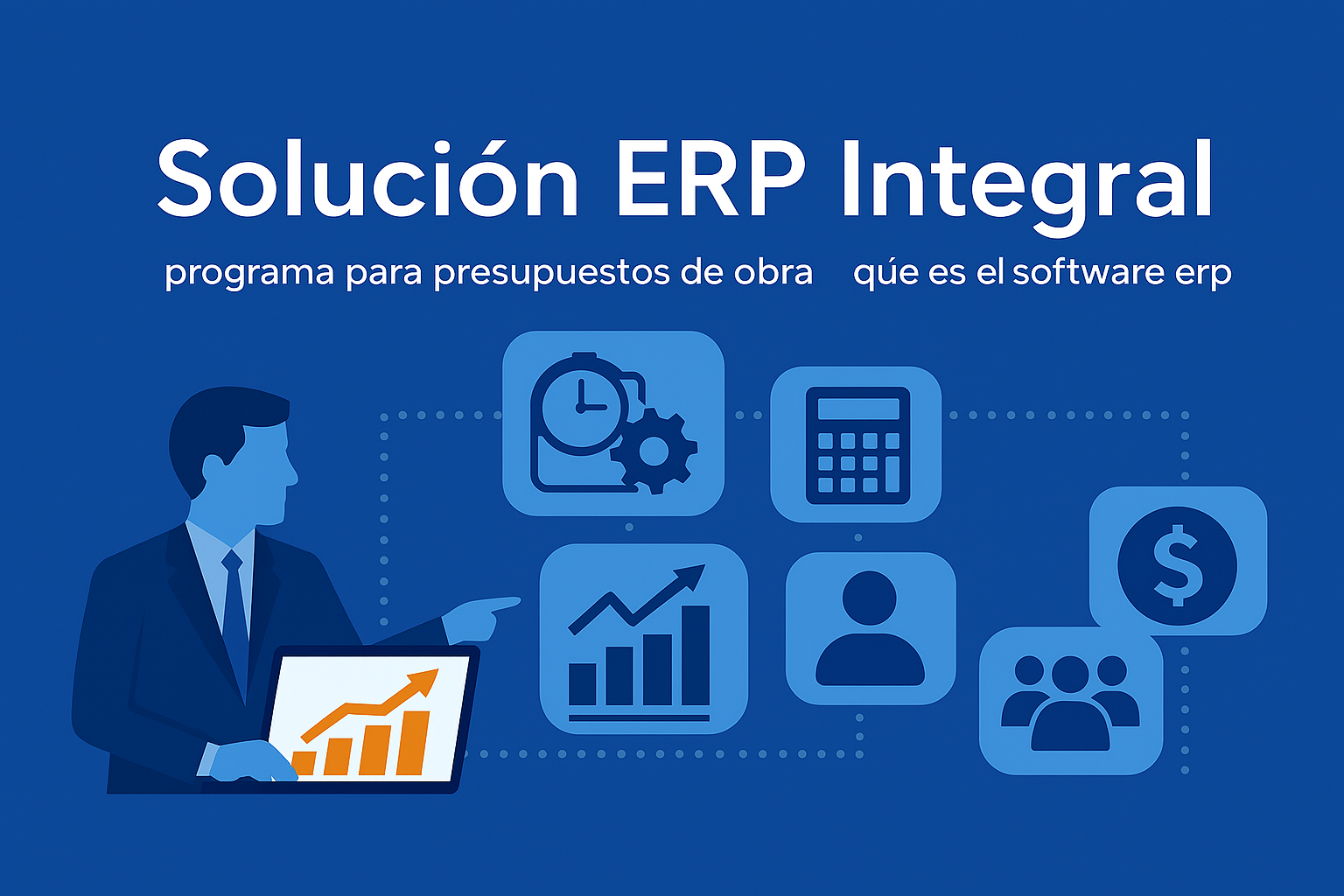
One of the standout features of CEGID EKON is its specialized module for construction and project-based industries. It allows for meticulous comparison between estimated costs and actual tariffs, precise generation of construction certifications, and the ability to detect and mitigate budget deviations in real time.
Implications for Organizational Efficiency
Implementing an ERP like CEGID EKON is not merely a technical upgrade; it is an organizational restructuring. The implications are profound:
- Elimination of Information Silos: By forcing different departments to use a shared data architecture, the "blame culture" often found in companies with poor communication is eradicated. Everyone looks at the same dashboard.
- Data-Driven Decision Making: Management is no longer reliant on outdated reports. With real-time visibility, leadership can pivot strategies based on live data, not historical speculation.
- Scalability for Growth: As a company expands—whether into new geographies or new product lines—CEGID EKON grows with it. The modular nature means you do not need to replace the system to add new capabilities; you simply activate the necessary modules.
The Path to Implementation: A Structured Approach
A successful transition to CEGID EKON follows a rigorous methodology designed to minimize downtime and maximize user adoption:
- Diagnostic Phase: Experts analyze current business processes to identify pain points and bottlenecks.
- Configuration: The software is tailored to the specific workflows of the company. It is not just about installing code; it is about mapping the software to the business reality.
- Migration and Integration: Historical data is migrated from legacy systems, ensuring data integrity during the transfer.
- Training and Change Management: A system is only as good as its users. Comprehensive training programs ensure that staff at all levels are comfortable with the new interface.
- Post-Go-Live Support: Continuous monitoring ensures that the system stabilizes and that optimization opportunities are captured.
ROI: Measuring the Investment
The Return on Investment (ROI) of CEGID EKON is typically observed across three primary vectors:
- Operational Cost Reduction: Automation of manual tasks leads to a significant decrease in administrative labor costs.
- Inventory Optimization: By reducing overstocking and stock-outs, companies free up capital that was previously trapped in warehouses.
- Accelerated Closing Cycles: Financial teams often report that the time required to close monthly or annual accounts is slashed by over 40% due to automated reconciliation and reporting.
These metrics form the backbone of the "business case" for stakeholders. When presented with the data, leadership can clearly see that the cost of inaction—maintaining outdated, inefficient, and risky legacy systems—far outweighs the investment in a modern ERP.
Conclusion: The Strategic Imperative
CEGID EKON represents more than a software purchase; it is a strategic investment in the longevity and agility of an enterprise. By fostering a culture of transparency and precision, it empowers organizations to navigate the complexities of the modern economy with confidence.
Whether it is a construction firm needing precise budget control or a manufacturing giant requiring complex supply chain logistics, CEGID EKON provides the tools to transform raw operational data into a competitive advantage. In a market that rewards those who can adapt the fastest, having a robust, modular, and intelligent ERP is no longer optional—it is the hallmark of a future-proof business. As companies continue to face the challenges of digital disruption, the platform stands as a reliable partner in driving sustainable growth and operational excellence.












No comments yet. Be the first to join the conversation!