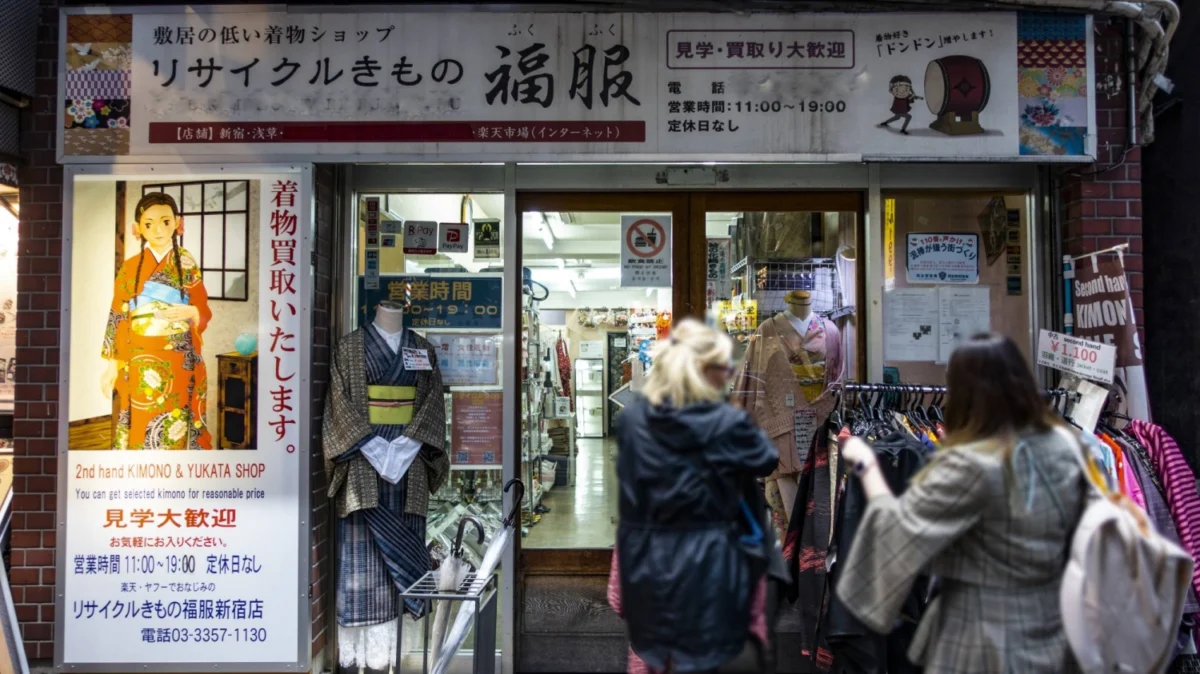
For decades, Tokyo has been the undisputed global mecca for fashion aficionados. It is a city where the avant-garde spirit of Yohji Yamamoto and Issey Miyake breathes alongside the gritty, creative subcultures of Harajuku and the meticulously curated streetwear boutiques of Shimokitazawa. For years, Japan’s secondhand fashion market was a well-kept secret—a treasure trove where connoisseurs could find rare archival pieces, pristine designer goods, and high-quality vintage apparel for a fraction of their original retail prices.
However, the tides have shifted. Driven by a confluence of a record-breaking tourism boom, the historic depreciation of the yen, and the relentless influence of social media-driven "reseller culture," Japan’s domestic secondhand industry is facing an unprecedented crunch. What was once a niche paradise for local enthusiasts and discerning collectors has transformed into a high-stakes global marketplace, leaving many in the Japanese fashion ecosystem struggling to keep up.
The Evolution of Japan’s Fashion Cachet
To understand the current crisis, one must first appreciate the unique culture of Japanese consumption. Japan has long held an obsession with "mono-zukuri"—the art of craftsmanship. This extends to the secondary market, where items are often meticulously cared for, categorized, and preserved in conditions that would be considered near-mint by international standards.
Brands like Comme des Garçons, Sacai, and Junya Watanabe have cemented Japan’s reputation as a bastion of sartorial innovation. For years, the secondhand market served as a circular economy that allowed domestic consumers to rotate high-end wardrobes sustainably. It was a market defined by local etiquette, fair pricing, and a deep respect for the garment’s history.
But as the digital age dawned, the "hidden" nature of these boutiques evaporated. Platforms like Instagram and TikTok turned Japan’s vintage shops into viral destinations. Suddenly, the aesthetic of "Japanese vintage" became a global commodity, and the physical distance between a Tokyo boutique and a customer in New York or London disappeared.
Chronology of a Market Transformation
The transformation of the Japanese secondhand market did not happen overnight. It is the result of a multi-year convergence of economic and social factors:
- Pre-2019 (The Niche Era): Secondhand shopping in Japan was primarily a hobby for fashion enthusiasts and tourists "in the know." Prices were stable, and supply was largely dictated by the domestic Japanese wardrobe cycle.
- 2020–2022 (The Digital Acceleration): During the pandemic, as global retail supply chains faltered, the focus shifted to existing inventory. Online resale platforms gained massive traction. International buyers began leveraging third-party proxy services to raid Japanese shelves remotely.
- 2023–2024 (The Tourism Explosion): As Japan lifted its border restrictions, the "revenge travel" phenomenon saw millions of tourists flocking to Japan. Many of these travelers, influenced by "thrifting" vloggers, made vintage clothing stores a primary stop on their itineraries.
- 2025–2026 (The Current Crunch): The weakening yen reached historic lows, turning Japan into the world’s cheapest luxury mall. Resellers—both local and foreign—began clearing out stock with the intention of flipping it on platforms like Depop, Grailed, and StockX at massive markups.
The Economic Drivers: Why Japan?
The primary catalyst for the current pressure is undoubtedly the currency exchange rate. With the yen trading at historically weak levels against the dollar and the euro, the purchasing power of international visitors has effectively doubled or tripled in some cases.
"I came to Tokyo specifically to buy vintage archive pieces," says a fashion reseller who recently visited from Los Angeles. "Even after paying for my flight and hotel, I’m still saving thousands of dollars compared to buying these same items in the States. It’s not just a hobby anymore; it’s a business model."
This arbitrage opportunity has created a "race to the shelves." Professional resellers, often operating in teams, arrive at stores the moment they open, scouring racks for high-value items to ship back to overseas markets. This has led to a depletion of inventory that would typically circulate within the domestic market for weeks or months.
Supporting Data: The Impact on Local Inventory
Industry reports indicate that while sales volume in vintage stores has surged, the diversity of available products is narrowing. Local shops, which traditionally relied on a steady influx of items from domestic consignors, are struggling to replenish their stock as quickly as it is being purchased by high-volume resellers.
- Inventory Velocity: Stores that previously maintained a three-to-six-month stock turnover are now seeing "high-value" inventory (designer brands, rare streetwear) sold within hours of arrival.
- Price Inflation: To combat the rapid depletion, many boutique owners have begun to adopt "dynamic pricing" models. Prices for sought-after items are increasingly being adjusted to match international secondary market rates, effectively pricing out the average local consumer.
- Quality Variance: There are growing reports of "inventory stripping," where lower-quality or less profitable items are left behind, while the premium, culturally significant pieces are exported, potentially eroding the long-term depth of the Japanese vintage ecosystem.
Official Responses and Industry Sentiment
The response from the Japanese fashion industry has been mixed, reflecting a tension between newfound profitability and the loss of cultural identity.

"We welcome the tourists, and we appreciate the business," says a shop owner in the Nakameguro district, who wished to remain anonymous. "But it is heartbreaking to see a piece that has been a part of Tokyo’s fashion history for twenty years be bought by someone who only sees it as a profit margin. We are losing the soul of the shop to the spreadsheet."
Industry associations have begun discussing strategies to preserve the market. Some high-end vintage boutiques have implemented "local-first" sales policies, where certain rare items are held for domestic customers, or have introduced limits on the number of items a single buyer can purchase at once. These moves are controversial, sparking debates about the ethics of market protectionism in a globalized economy.
Implications for the Future
The "crunch" facing Japan’s secondhand industry is not merely a supply chain issue; it is a cultural inflection point.
1. The Erosion of Domestic Access
If prices continue to climb to meet global demand, the secondhand market will cease to be a democratic space for fashion expression in Japan. Younger Japanese consumers, who have traditionally used the secondhand market to cultivate their personal style, may find themselves priced out of their own heritage.
2. The Professionalization of "Thrifting"
The rise of the professional reseller is likely permanent. As long as the arbitrage opportunity exists, the "vintage hunter" will continue to treat Tokyo as a supply depot. This may lead to a more institutionalized, less "organic" retail experience, where boutique owners spend more time negotiating with resellers than interacting with enthusiasts.
3. Sustainability Concerns
The irony of the current situation is that a industry built on the premise of sustainability—reusing and recycling clothing—is now driving a massive, energy-intensive global shipping cycle. The carbon footprint of moving thousands of tons of vintage clothing from Japan to the West is a factor that remains largely unaddressed in the current conversation.
4. A Shift in Retail Strategy
We are likely to see a bifurcation in the market. On one hand, high-end "archival" boutiques will continue to cater to international collectors, likely moving their inventory to private, appointment-only viewings. On the other, more accessible, "mass-market" vintage stores may pivot toward lower-quality, fast-fashion vintage to satisfy the high volume of tourist demand, potentially diluting the "Made in Japan" reputation for quality.
Conclusion: A Delicate Balance
Japan’s secondhand fashion scene is currently caught in the crosshairs of global consumerism. While the influx of capital has provided a short-term boon for shop owners, the long-term sustainability of this model remains in question.
For the international fashion community, the temptation to view Japan as a limitless resource is high. However, if the industry is to survive in a way that retains its integrity and cultural significance, there must be a shift toward more equitable practices. The future of Japanese vintage will depend on whether the industry can find a balance between the demands of the global market and the needs of the domestic community that nurtured this unique sartorial culture for decades.
As the yen eventually stabilizes and the tourism surge potentially plateaus, the true test will be whether the Japanese secondhand market remains a vibrant, living ecosystem or becomes a hollowed-out shell, stripped of the very items that made it a global icon in the first place. For now, the hunt continues—and the shelves in Tokyo remain the most contested territory in global fashion.