Sagoh
Sagoh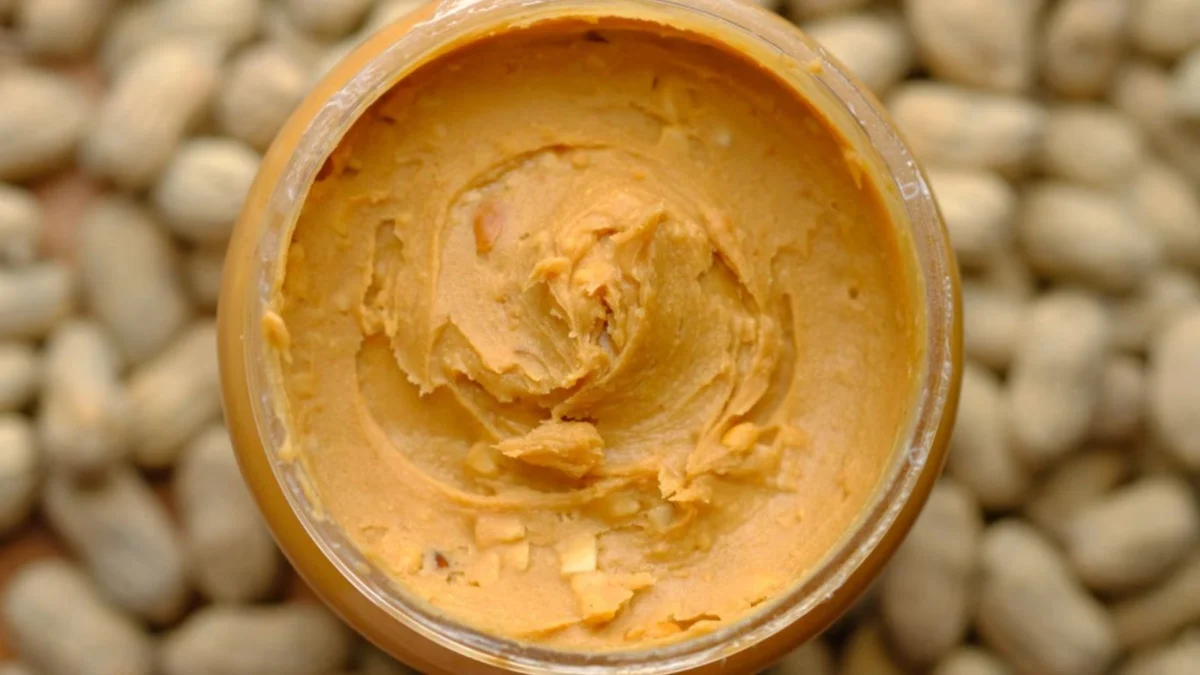
In an extraordinary tribute to the late, iconoclastic Dutch artist Wim T. Schippers, the Depot at the Museum Boijmans Van Beuningen in Rotterdam has unveiled one of the most unusual art installations of the 21st century. Known as Pindakaasvloer—or "Peanut Butter Floor"—the exhibit features an expansive, 25-square-meter hexagonal platform coated in approximately 800 pounds of smooth peanut butter.
The installation, which opened this July, serves as a poignant, sensory, and deeply "boring" memorial to Schippers, who passed away last month at the age of 83. By utilizing a common pantry staple as a medium for high art, the museum has sparked a global conversation about the nature of creativity, the legacy of the avant-garde, and the fine line between the absurd and the profound.
Main Facts: A Sticky Tribute to a Cultural Giant
The Pindakaasvloer is not a spontaneous creation, but a meticulously executed reenactment of a conceptual piece first introduced by Schippers in 1969. The installation requires a 20-point instruction manual left behind by the artist, ensuring that the work is recreated exactly as he envisioned over half a century ago.
To achieve the desired effect, museum staff utilized 40 buckets of smooth Calvé peanut butter—generously donated by the brand—to fill the 25-square-meter hexagonal space. The specifications were rigid: the peanut butter had to be spread to a depth of exactly two centimeters. Perhaps most tellingly, Schippers’ instructions mandated that the surface be applied "as smoothly and boringly as possible."
The installation, which is scheduled to remain on display for two months, has already become a beacon for art enthusiasts and the curious alike. However, the experience is not without its boundaries. Due to the nature of the medium, the museum has issued strict warnings to visitors regarding the intense, pervasive scent of the installation, and, quite understandably, prohibits anyone from touching, walking on, or lying in the peanut butter.
Chronology: From 1969 to 2026
To understand the weight of this tribute, one must look back at the trajectory of Schippers’ career.
The 1960s: The Dawn of Anti-Art
In the late 1960s, the Dutch art scene was shifting away from traditional canvases toward conceptualism and "happenings." Schippers was at the forefront of this movement as a co-founder of the A-dynamische groep (A-dynamic group). During this period, he sought to strip art of its pretensions, often using mundane materials to highlight the absurdity of the art world itself. Pindakaasvloer was part of a series of floor-covering experiments that utilized everything from common table salt to jagged glass shards.
The Decades of Influence
Following his early avant-garde experiments, Schippers became a household name in the Netherlands, though perhaps not in the way one might expect. He became a beloved cultural icon as the Dutch voice for iconic Sesame Street characters, including Ernie and Kermit the Frog. This duality—the serious, often perplexing conceptual artist and the whimsical voice of childhood education—defined his public persona. Throughout the 70s, 80s, and 90s, he continued to push boundaries, once famously upholstering an entire armchair with canned noodles.
The 2026 Memorialization
Upon his passing in June 2026, the art community sought a way to honor a man whose work was defined by its defiance of convention. The decision to resurrect the Pindakaasvloer was seen as the ultimate homage. It reflects not just the piece itself, but the specific, deliberate rigor Schippers demanded—a rigor that transformed a childhood snack into a monumental challenge for museum curators.
Supporting Data: The Logistics of the "Boring"
The process of creating the Pindakaasvloer was far from a simple act of spreading a condiment. It was a multi-day industrial operation. Two museum employees were tasked with the delicate and exhausting labor of smoothing the 800 pounds of peanut butter.
Using specialized drywall trowels, the staff spent several days leveling the substance to meet the strict two-centimeter depth requirement. The precision required is a testament to the "boredom" Schippers sought to invoke. In art, "boredom" is often used as a tool to force the viewer to look closer—to find the texture, the light, and the underlying concept rather than a flashy aesthetic.
The logistical requirements were as follows:
- Medium: 800 pounds of smooth Calvé peanut butter.
- Application: 40 industrial buckets.
- Surface Area: 25 square meters.
- Depth: 2 centimeters, maintained with surgical precision.
- Timeframe: Multi-day installation process.
Official Responses and Curatorial Intent
The Museum Boijmans Van Beuningen has framed the exhibition as a serious exploration of Schippers’ legacy. In a statement released shortly after the opening, museum representatives noted that the goal was to provide an "authentic experience" of the artist’s original intent.
"Wim T. Schippers was an artist who challenged us to look at the world differently," a museum spokesperson stated. "By bringing back Pindakaasvloer, we are not just showing a floor covered in food. We are inviting the public to engage with the artist’s specific request to embrace the mundane. The instructions he left behind were not merely technical; they were a philosophy of existence."
The decision to keep the exhibit for two months is a deliberate curatorial choice, allowing for the slow, inevitable oxidation and scent changes that will occur, further altering the room’s atmosphere as the weeks progress.
Implications: The Ethics and Aesthetics of Food as Art
The inclusion of food in contemporary art installations is a practice that often invites controversy. Critics often point to issues of waste, particularly in a world grappling with food insecurity. However, proponents argue that such installations serve a broader purpose by forcing a collision between the domestic, private world of the kitchen and the public, often clinical, space of the museum.
The "Monkey Christ" Comparison
The Pindakaasvloer has drawn comparisons to other instances of "botched" or unusual art. In Brazil, for instance, a failed restoration of religious statues gained international fame—and tourist foot traffic—not because of its artistic quality, but because of its resemblance to the infamous "Monkey Christ" restoration in Spain.
While the Pindakaasvloer is not "botched," it exists in that same category of art that defies standard aesthetic expectations. It is a work that people travel to see specifically because it is bizarre. The implications for the museum are clear: unconventional art drives engagement. It transforms the museum from a place of quiet observation to a place of active, social discussion.
The Legacy of Schippers
Ultimately, the installation serves as a final, masterful joke from Schippers. By forcing the museum to expend hundreds of hours of labor, thousands of dollars in logistics, and hundreds of pounds of food to create something "boring," Schippers has successfully controlled the museum environment even from beyond the grave.
The installation asks the viewer: What is art? If a professional museum treats a floor of peanut butter with the same reverence as a Rembrandt, does that make the peanut butter a masterpiece, or does it make the museum’s authority on "masterpieces" worthy of suspicion?
As visitors walk into the room, hit by the overwhelming scent of roasted peanuts, they are forced to confront the absurdity of the situation. They are standing in a high-culture institution, looking at a pantry staple, reflecting on the life of a man who voiced a puppet. In that moment of confusion, they are experiencing exactly what Wim T. Schippers wanted: an authentic, unfiltered, and deeply human moment of wonder.
The Pindakaasvloer will remain at the Depot in Rotterdam until early September, standing as a permanent testament to the fact that, in the world of Wim T. Schippers, nothing is ever truly ordinary.


 Layla Zulfa
 Lina Irawan